Bone-In Chicken Thigh Recipes: Juicy Stovetop Skillet
Make juicy bone-in chicken thighs entirely on the stovetop, with deeply browned skin, rendered fat, and a gentle covered finish—no oven required.
For anyone looking for bone in chicken thigh recipes for the stove top, this skillet method delivers well-browned skin and tender, fully cooked meat with a thermometer-guided finish.
What to Expect From These Stovetop Chicken Thighs
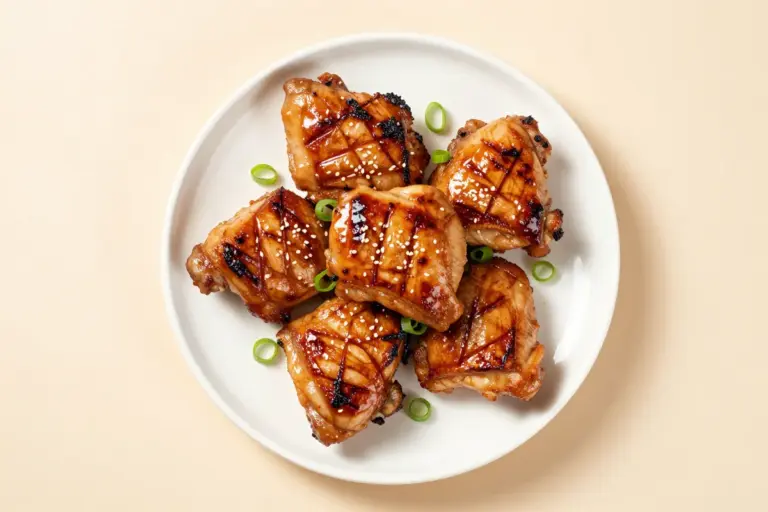
This is a stovetop-only skillet preparation: the chicken is browned uncovered to render the skin, then finished gently under a lid so the meat cooks through near the bone. The goal is richly browned skin, juicy dark meat, and enough rendered fat to flavor the pan.
- Use bone-in, skin-on thighs for the best contrast between crisp skin and tender meat.
- A pan sauce is optional and should be served beside or beneath the chicken so it does not soften the skin.
- The clock provides an estimate; the thermometer determines when the chicken is safe to serve.
Why These Ingredients Work
The chicken cut does much of the work here. Bone-in thighs stay moist during the longer stovetop finish, while the skin supplies fat for browning and protects the meat. The dry seasoning builds a savory crust without introducing sugary or wet ingredients that could scorch or interfere with searing.
- Salt seasons the meat and helps the surface dry, especially if the thighs are salted several hours ahead.
- Paprika adds color and mild sweetness; garlic powder, onion powder, pepper, and thyme provide depth without burning as quickly as fresh aromatics.
- A small amount of neutral oil supports the initial rendering, but skin-on thighs usually release additional fat as they cook.
- Broth, lemon, garlic, butter, and parsley turn the browned residue in the skillet into a quick finishing sauce.
Ingredients
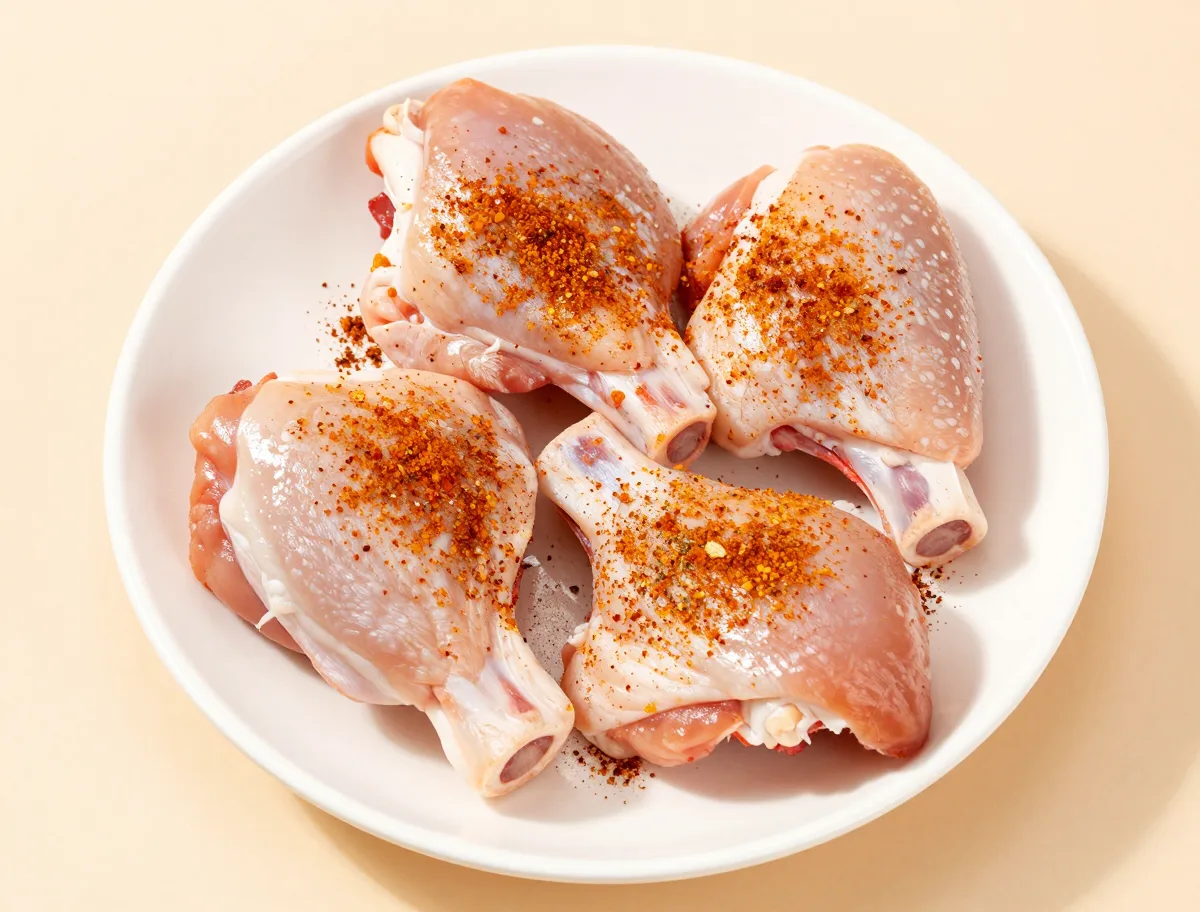
- 4 bone-in, skin-on chicken thighs, about 6 to 8 ounces each, trimmed of loose excess fat
- 1 1/2 teaspoons kosher salt
- 3/4 teaspoon black pepper, finely ground
- 1 teaspoon sweet paprika
- 1/2 teaspoon garlic powder
- 1/2 teaspoon onion powder
- 1/2 teaspoon dried thyme
- 1 teaspoon neutral cooking oil, plus more only if the pan is dry
- 1/2 cup low-sodium chicken broth, optional, for the optional pan sauce
- 1 teaspoon fresh lemon juice, optional, for the optional pan sauce
- 1 clove garlic, finely grated or minced, optional, for the optional pan sauce
- 1 tablespoon unsalted butter, optional, for the optional pan sauce
- 1 tablespoon flat-leaf parsley, chopped, optional, for the optional pan sauce
How to Cook Bone-In Chicken Thighs on the Stove
Thoroughly drying the chicken is the first important technique decision. Surface moisture creates steam and splatter instead of browning. Starting in a cool, oiled skillet gives the skin time to release fat gradually, making this method more forgiving than dropping cold thighs into a very hot pan.
- Use a broad, heavy skillet with a lid; cast iron, carbon steel, stainless steel, or a sturdy sauté pan all work.
- Leave space between the thighs. Crowding traps steam and lowers the skillet temperature.
- Begin skin-side down and resist moving the chicken until it releases naturally. A crust that is ready to turn will usually loosen with a gentle nudge.
- Brown uncovered first, then lower the heat and cover only for the interior finish. The lid improves heat transfer but temporarily softens the skin.
- If the pieces vary in size, arrange the thickest thighs over the strongest part of the skillet and check more than one piece.
Instructions
- Dry and season the chicken: Pat the chicken thighs very dry with paper towels. Combine the salt, pepper, paprika, garlic powder, onion powder, and thyme, then season the thighs evenly on all sides, concentrating most of the mixture on the meat and skin. If time allows, place the seasoned thighs uncovered in the refrigerator for 1 to 8 hours; otherwise, cook them immediately.
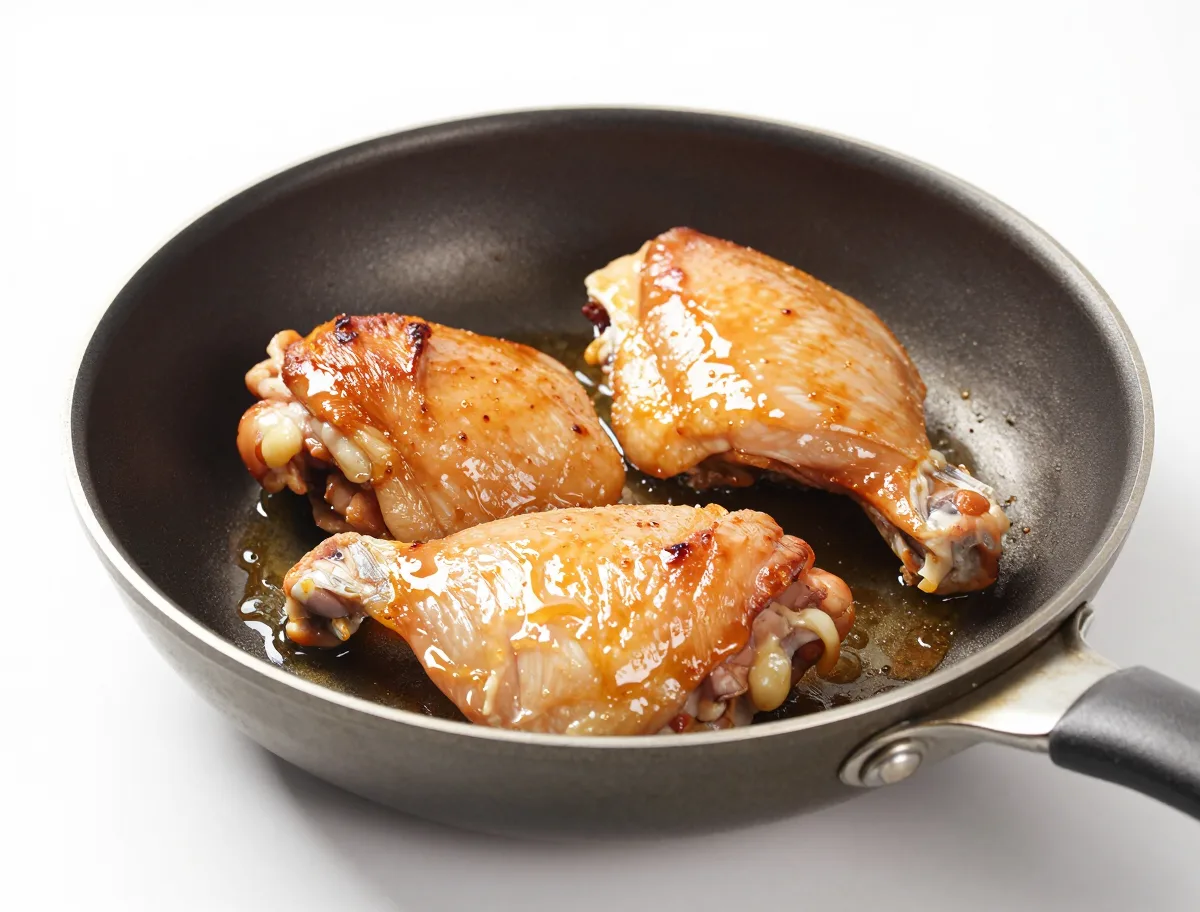
- Begin rendering the skin: Set a 10- to 12-inch heavy skillet over medium heat and add the oil. Arrange the thighs skin-side down in one layer while the skillet is still cool, leaving space between them. Cook uncovered for 12 to 15 minutes, adjusting the burner as needed so the skin steadily sizzles without smoking. Do not move the chicken until the skin is richly golden and releases easily when nudged.
- Turn and lower the heat: Turn the thighs and cook the flesh side for 2 minutes. Pour off excess fat if more than about 1 tablespoon remains in the skillet, leaving enough to prevent sticking. Reduce the heat to medium-low.
- Finish gently with the lid: Cover the skillet and cook until the thickest part of the meat reaches at least 165°F/74°C when checked from the meaty side without touching the bone, usually 10 to 15 minutes more. If the pan becomes dry before the chicken is done, add 1 to 2 tablespoons of water and replace the lid. For more tender dark meat, it is reasonable to continue to about 170 to 180°F/77 to 82°C, provided the chicken is not allowed to dry out.
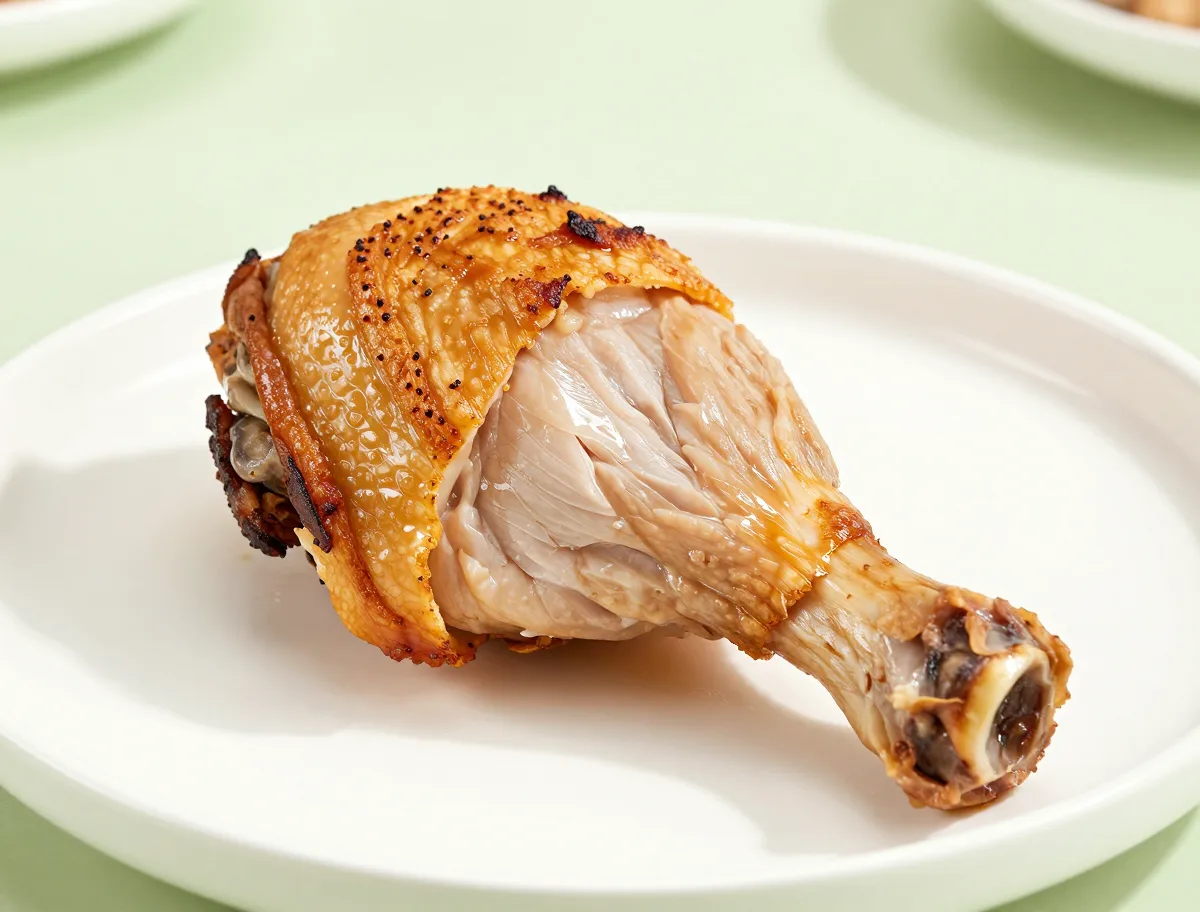
- Rest and restore the surface: Transfer the chicken to a plate and rest for 5 minutes. If the skin softened under the lid, return the thighs skin-side up to the uncovered skillet over medium-low heat for 1 to 2 minutes, keeping them above any liquid, to dry the surface slightly.
- Make the optional pan sauce: For a sauce, leave about 1 teaspoon of fat and the browned bits in the skillet. Over medium heat, add the garlic and cook for 20 seconds. Pour in the chicken broth and lemon juice, scrape up the browned fond, and simmer for 2 to 3 minutes until slightly reduced. Remove the skillet from the heat and whisk in the butter and parsley. Spoon the sauce under or beside the chicken rather than over the skin.
How to Tell When the Chicken Thighs Are Done
Use the instant-read thermometer as the primary test. Insert it horizontally or at a slight angle into the thickest meaty portion, approaching from the side opposite the bone. A reading taken against the bone can be misleadingly high.
- The chicken must reach 165°F/74°C for safe serving.
- Golden skin, rendered fat, and easy release indicate good browning, but they do not prove that the center is cooked.
- Thigh meat often has a more tender texture around 170 to 180°F/77 to 82°C, though this is an eating-quality preference rather than a substitute for the 165°F safety minimum.
- Resting for 5 minutes improves serving texture, but resting should not be used to compensate for chicken that has not reached 165°F.
- The skin should be deeply golden, visibly rendered, and easy to release from the skillet before turning.
- The meat should feel yielding rather than hard or rubbery, although texture is not a substitute for temperature measurement.
- Check the thickest portion of each or several representative thighs from the meaty side, avoiding the bone and the skillet.
- The required safe endpoint is 165°F/74°C; dark meat may become more tender around 170 to 180°F/77 to 82°C.
- Pink color near the bone is not a reliable doneness test.
The Cooking Decisions That Matter Most
Crisp skin depends on managing moisture and rendering fat before the chicken is covered. Once a lid traps steam, heat reaches the thick center more efficiently, but the humid environment works against a dry, crisp surface. The method therefore treats browning and doneness as two related but different stages.
- Dry skin can brown; wet skin must first evaporate its surface moisture, which delays color and encourages sticking.
- Moderate heat gives the fat beneath the skin time to render without burning the exterior before the meat is cooked.
- A heavy pan steadies the heat, while a crowded pan cools rapidly and shifts the cooking from searing toward steaming.
- The browned residue left by the chicken is fond. Broth or wine dissolves it, allowing those concentrated flavors to become a sauce.
- Covering is a reliability tool for stovetop cooking, not a way to preserve crispness.
For additional culinary context on gradual skillet heating, fat rendering, and the tradeoff between crisp skin and covered cooking, see this gradual-heating chicken searing method.
Common Skillet Chicken Thigh Problems and Fixes
Most problems come from too much moisture, excessive heat, or a pan that is too crowded. Correct the heat and pan conditions rather than trying to force the chicken to cook faster.
- Burnt skin with an undercooked center: Lower the heat immediately, cover the skillet, and continue cooking until the thickest meat reaches 165°F/74°C. Do not solve an underdone center with more high heat.
- Pale or rubbery skin: The chicken may have been wet, crowded, or covered too early. Uncover it, give the pieces more space if possible, and finish skin-side up over moderate heat.
- Skin sticking to the pan: It probably needs more time to brown. Wait for the edges to look firm and test with a gentle nudge instead of forcing a flip.
- Excessive smoke or splattering: Reduce the burner, move the skillet briefly off the heat if necessary, and use a splatter screen. Water on the chicken is a common cause of popping fat.
- A dry or scorching pan: Add a small amount of oil or 1 to 2 tablespoons of water, lower the heat, and cover. Do not keep increasing the burner.
- Uneven cooking: Use a larger skillet or cook in batches. Very thick or refrigerator-cold thighs will take longer than smaller pieces.
Ingredient Substitutions for Skillet Chicken Thighs
The cooking structure is flexible, but substitutions change the expected result. Keep the chicken dry before it reaches the skillet, and adjust salt whenever a prepared seasoning blend or salted broth is used.
- Canola, vegetable, grapeseed, or avocado oil can replace the neutral oil. Rendered chicken fat also works when enough has accumulated in the pan.
- Skinless bone-in thighs are acceptable, but they cannot produce crisp skin. Use enough oil to prevent sticking and begin checking them earlier.
- Low-sodium broth, dry white wine, or water can replace the sauce liquid. Wine gives a brighter, more aromatic sauce; water supplies moisture but little flavor.
- Thyme can be replaced with dried rosemary or oregano. Garlic powder and onion powder may be replaced with a salt-free poultry seasoning, provided the added salt is adjusted.
- Butter is best added after the sauce has been deglazed and reduced, rather than during the initial sear.
Simple Variations That Stay True to the Recipe
These thighs can take on different dry seasoning profiles without changing the essential stovetop method. Keep the seasoning dry during browning and make sauce adjustments after the chicken is cooked.
- For a simpler version, season with only salt and pepper and let the rendered chicken fat carry the flavor.
- Add a pinch of chile powder to the dry seasoning for gentle heat, or replace the thyme with rosemary for a more woodsy profile.
- Use broth and lemon for a light pan sauce, or use dry white wine in place of some or all of the broth.
- Keep the recipe a skillet chicken preparation: deep frying, breading, substantial braising liquid, or an oven finish would require a different method and timing.
- Sauce the plate, not the skin, when surface crispness matters.
How to Store, Freeze, and Reheat Chicken Thighs
Cooked chicken keeps well, although its skin will not remain as crisp after refrigeration. For best quality, store the chicken and pan sauce separately when possible and cool the food promptly in shallow containers.
- Refrigerate leftovers within 2 hours of cooking, or within 1 hour if the room temperature is above 90°F/32°C.
- Keep refrigerated chicken at 40°F/4°C or below and use it within 3 to 4 days.
- For longer storage, wrap cooled portions tightly and freeze at 0°F/-18°C or below. Best quality is generally maintained for about 2 to 6 months.
- Thaw frozen chicken in the refrigerator. Reheat gently in a covered skillet with a small splash of broth for moisture, or uncovered for better surface texture.
- Reheated poultry should reach 165°F/74°C in the thickest portion. Freshly cooked skin will be crisper than reheated skin.
Stovetop Bone-In Chicken Thighs: Your Questions Answered
These answers address the practical decisions that most affect a successful batch: pan choice, browning, covering, cooking time, and temperature checking.
Can bone-in chicken thighs be fully cooked on the stove without an oven?
Yes. Brown them uncovered first, then reduce the heat and finish them covered in the skillet. Check the thickest meat with an instant-read thermometer; it must reach 165°F/74°C.
What kind of pan works best?
Use a 10- to 12-inch heavy skillet with a lid. Cast iron, carbon steel, stainless steel, and sturdy sauté pans all work, provided the thighs fit in one layer without crowding.
Should the chicken start skin-side down?
Yes. Starting skin-side down gives the skin maximum contact with the pan and allows the fat beneath it to render. Leave it undisturbed until the skin is deeply golden and releases easily.
How long do bone-in chicken thighs take on the stovetop?
Average thighs generally take about 25 to 35 minutes, including browning and the covered finish. Size, starting temperature, pan material, burner strength, and lid fit can change that range, so use temperature rather than time as the endpoint.
Should the skillet be covered?
Cover it during the lower-heat finishing stage to help the meat near the bone cook evenly. Do not cover during the initial browning, because trapped steam softens the skin.
What if the skin browns before the chicken is cooked?
Lower the heat, cover the skillet, and continue cooking until the thickest part reaches 165°F/74°C. Increasing the heat will darken the skin further without reliably cooking the center.
How can I make the skin crisp rather than rubbery?
Dry the chicken thoroughly, avoid crowding, brown it uncovered before adding any liquid, and use only a brief covered finish. If the skin softens, heat the chicken uncovered, skin-side up, for 1 to 2 minutes after it reaches temperature.
How should I measure the internal temperature?
Insert the thermometer into the thickest meaty portion from the side, avoiding the bone, fat, and skillet. Check more than one thigh when the pieces are different sizes.
Can I make a pan sauce without softening the skin?
Yes. Remove the chicken, deglaze the fond with broth and lemon juice, reduce the liquid, then finish with butter and parsley. Serve the sauce beneath or beside the chicken instead of pouring it over the skin.
Safe Handling and Internal Temperature
Keep raw chicken refrigerated until preparation and prevent its juices from contacting ready-to-eat foods. Wash hands, boards, utensils, and work surfaces after handling the raw poultry.
- All poultry parts, including bone-in chicken thighs, should reach 165°F/73.9°C as measured with a food thermometer.
- Measure in the thickest portion of meat without touching bone, fat, gristle, or the pan.
- Do not rely on pink color, clear juices, firmness, or meat pulling away from the bone as the sole safety test.
- Resting improves texture but does not make visibly undercooked chicken safe.
- Refrigerate cooked chicken within 2 hours and reheat leftovers to 165°F/74°C.
For official poultry temperature guidance, consult the USDA safe cooking temperature chart.