Baked Curry Chicken Recipe in a Spiced Sauce
This baked curry chicken recipe delivers tender, browned bone-in chicken in a warmly spiced yogurt-tomato sauce that is thick enough for basmati rice or naan.
What to Expect from This Baked Curry Chicken
This is a saucy, one-dish baked chicken curry rather than a dry spice roast. The chicken cooks in a concentrated yogurt-tomato sauce, protected first by foil and then finished uncovered so the exposed marinade browns while the sauce reduces.
- Use the sauce as a gravy for basmati rice, or scoop it up with naan or roti.
- The finished curry should be aromatic and warmly spiced, with browned chicken and a thick but pourable sauce.
- Curry powder blends vary considerably, so the heat and fragrance will depend partly on the brand you use.
Why the Ingredients Work
Bone-in thighs provide a forgiving foundation for oven cooking: they remain moist while the sauce develops. Yogurt contributes tang and helps the spice mixture cling to the chicken, while passata supplies color, acidity, and body without making the curry heavy.
- Onion builds sweetness and structure in the sauce; garlic and ginger keep the flavor fresh and aromatic.
- Oil carries the fat-soluble aromas in the curry spices and encourages browning during the uncovered finish.
- Cumin, coriander, turmeric, garam masala, and curry powder create layered warmth rather than relying on curry powder alone.
- Stock adjusts the sauce to a spoonable consistency; too much liquid will slow reduction and dilute the seasoning.
Ingredients
- 3 pounds bone-in, skinless chicken thighs, about 6 pieces, excess fat trimmed
- 1 cup full-fat plain yogurt, divided
- 1 tablespoon lemon juice
- 2 tablespoons neutral oil, divided
- 2 teaspoons kosher salt, divided
- 2 1/2 tablespoons mild curry powder, divided
- 1 teaspoon ground cumin, divided
- 1 teaspoon ground coriander, divided
- 1/2 teaspoon ground turmeric, divided
- 1/2 teaspoon garam masala, divided
- 1/4 teaspoon cayenne pepper, optional; use less for a milder curry
- 1 large yellow onion, finely chopped
- 4 cloves garlic, finely grated or minced
- 1 1/2 tablespoons fresh ginger, finely grated
- 1 1/2 cups tomato passata
- 1/2 cup low-sodium chicken stock
- 1/4 cup fresh cilantro leaves, roughly chopped
- 1 lime, cut into wedges
How to Make Oven-Baked Curry Chicken Successfully
The key is to protect the chicken while the sauce comes together, then expose it to dry oven heat at the end. Arrange the pieces in one layer with sauce around them, not poured over every exposed surface; this gives the chicken a chance to brown without sacrificing moisture.
- Pat the chicken dry before marinating so the coating adheres instead of sliding off.
- Keep the raw chicken and marinade refrigerated. Once the chicken has been coated, discard the leftover marinade rather than using it as a finishing sauce.
- Covering the dish for the first stage limits evaporation and protects the yogurt-based sauce. Uncovering later concentrates the sauce and improves color.
- If using an overnight marinade, take the dish directly from the refrigerator to the oven and allow the thermometer, rather than the clock, to determine when it is done.
Instructions
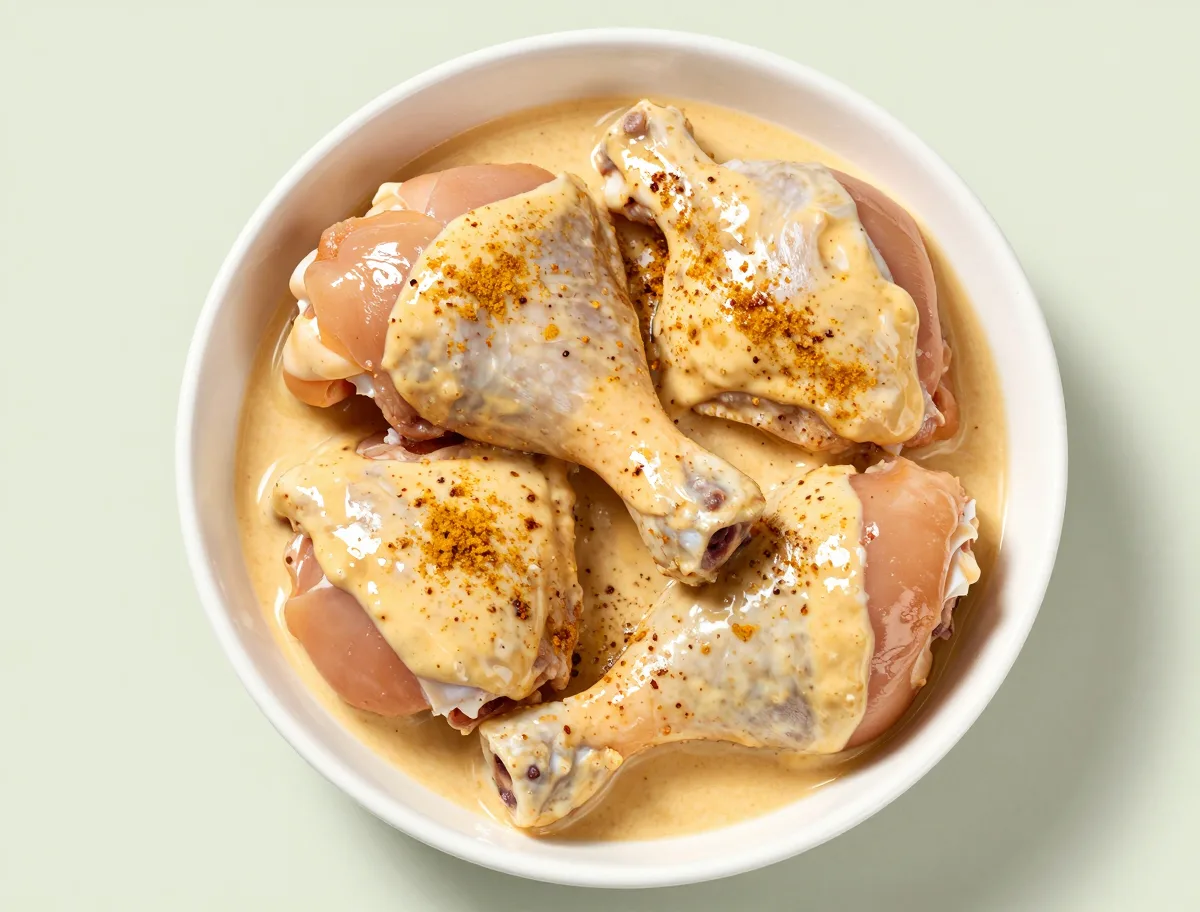
- Marinate the chicken: Pat the chicken dry. In a medium bowl, whisk 3/4 cup of the yogurt with the lemon juice, 1 tablespoon of the oil, 1 teaspoon of the salt, 1 tablespoon of the curry powder, 1/2 teaspoon of the cumin, 1/2 teaspoon of the coriander, 1/4 teaspoon of the turmeric, 1/4 teaspoon of the garam masala, and the cayenne. Add the chicken and turn to coat. Cover and refrigerate for at least 30 minutes, or up to overnight.
- Prepare the sauce: Heat the oven to 375°F. In a 9-by-13-inch ovenproof baking dish, stir together the onion, garlic, ginger, passata, stock, the remaining 1/4 cup yogurt, remaining 1 tablespoon oil, remaining 1 1/2 tablespoons curry powder, remaining 1/2 teaspoon cumin, remaining 1/2 teaspoon coriander, remaining 1/4 teaspoon turmeric, remaining 1/4 teaspoon garam masala, and remaining 1 teaspoon salt. Mix until smooth. The sauce should be fluid but not watery.
- Arrange and cover: Lift the chicken from the marinade, allowing excess to drip back into the bowl, and arrange the pieces in a single layer over the sauce. Leave some of the chicken surface exposed. Discard the remaining marinade. Cover the dish tightly with foil.
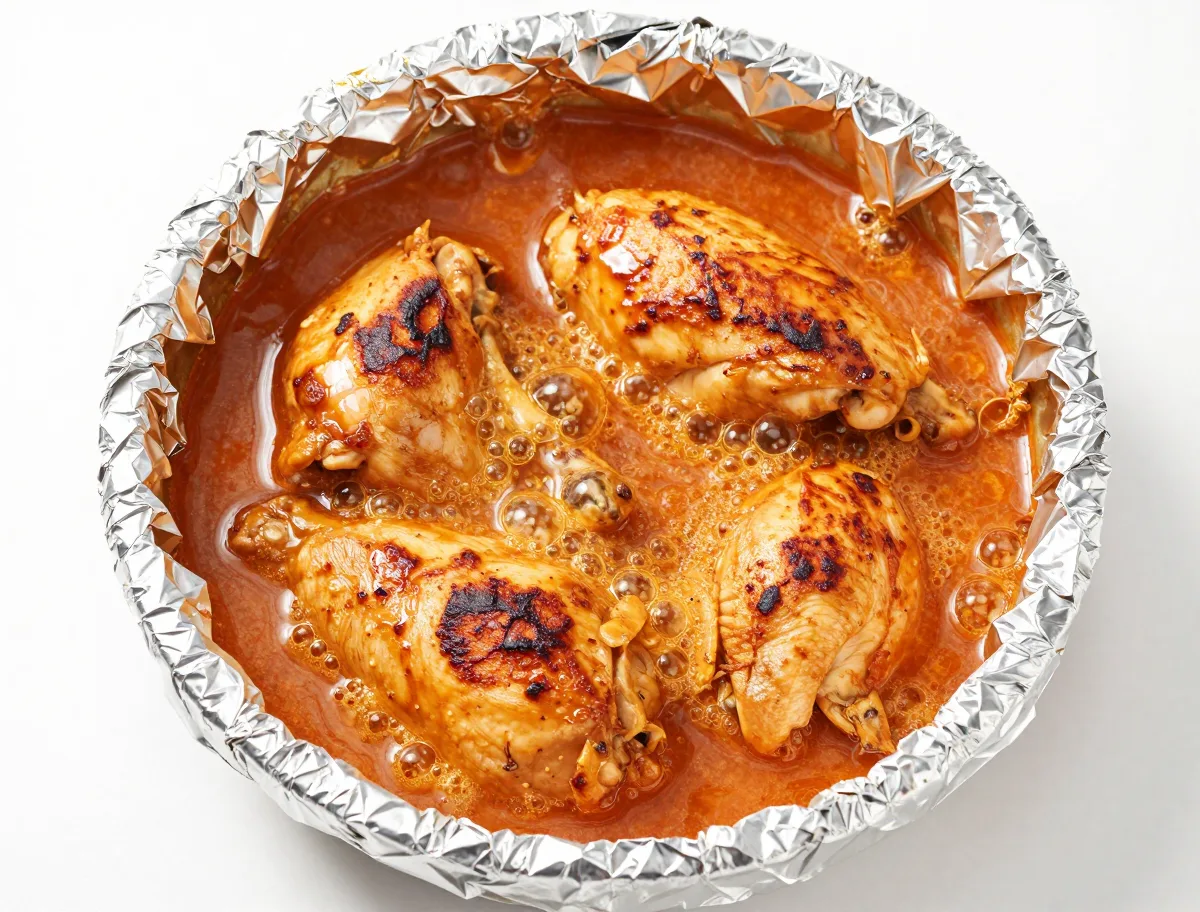
- Bake until nearly tender: Bake the covered chicken for 35 minutes. The sauce should be gently bubbling around the edges and the onion should be softening without browning.
- Reduce and brown: Remove the foil and continue baking for 20 to 30 minutes, until the chicken is browned in spots and the sauce has reduced to a clingy, spoonable consistency. Begin checking the chicken at 20 minutes; insert an instant-read thermometer into the thickest part of several pieces without touching bone. Every piece must reach at least 165°F.
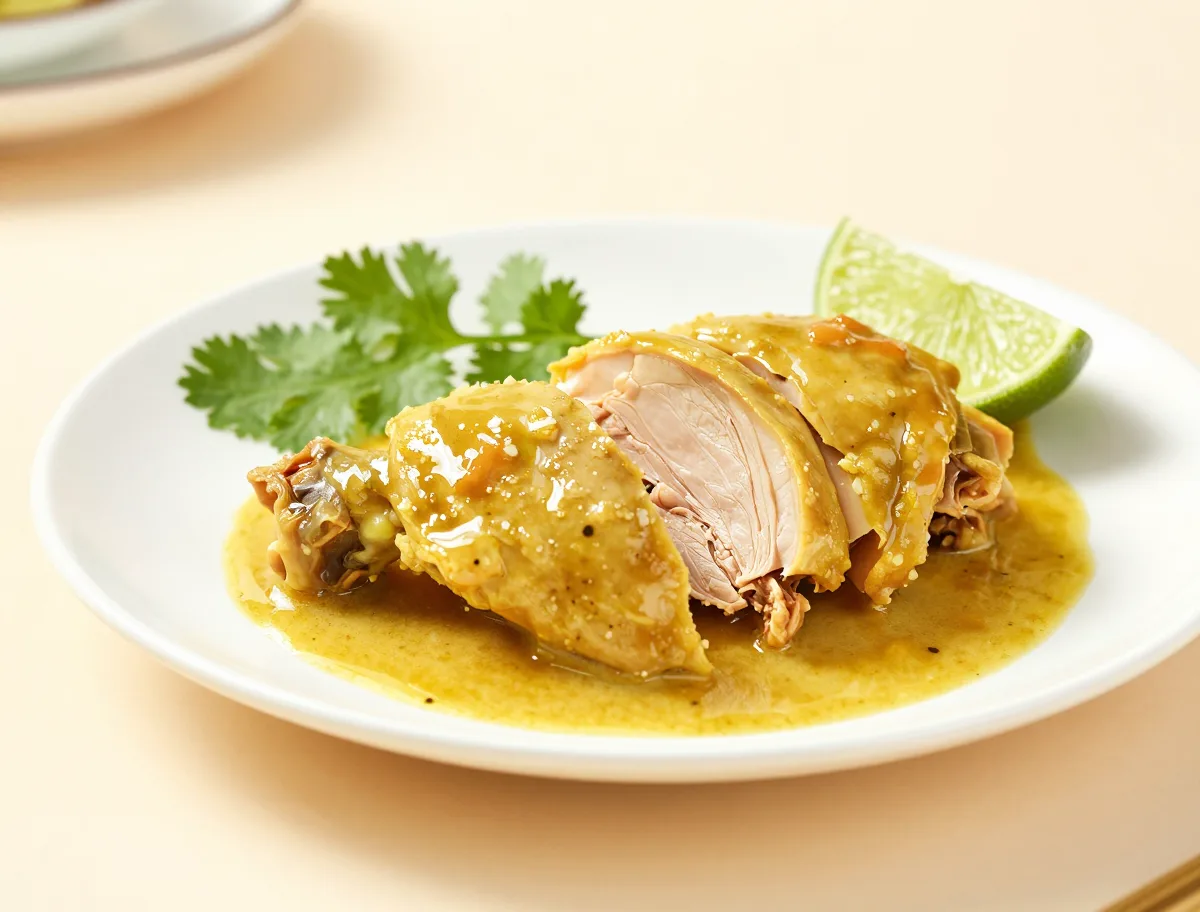
- Rest and serve: Let the curry rest for 10 minutes. Scatter the cilantro over the chicken and serve with the lime wedges for squeezing.
How to Tell When the Curry Chicken Is Done
Time estimates are useful only after accounting for piece size, bone, pan depth, and starting temperature. The reliable safety check is an instant-read thermometer placed in the thickest meat, away from bone; check more than one piece when they differ in size.
- All chicken must reach 165°F (74°C). Do not rely on bubbling sauce, clear juices, or the color of the meat alone.
- Thighs can become even more tender with additional cooking, but breasts dry more quickly and should be removed as soon as they reach the safe temperature.
- A properly reduced sauce coats a spoon and settles around the chicken while remaining fluid enough to spoon over rice.
- Resting for 10 minutes lets the sauce settle and keeps serving juices from being excessively loose.
Doneness Cues
- The sauce gently bubbles at the edges, clings to the chicken, and is loose enough to spoon over rice.
- The chicken has browned patches after the uncovered stage.
- The thickest part of every piece registers at least 165°F (74°C), measured away from the bone.
- The chicken is opaque throughout and yields easily when pierced.
The Variables That Change the Bake
Chicken cut and pan geometry matter as much as oven temperature. A wide 9-by-13-inch dish spreads the sauce into a shallow layer, allowing it to reduce; a smaller, deeper vessel will retain more moisture and may need additional uncovered time.
- Bone-in dark meat heats more slowly but tolerates the longer covered cooking period. Boneless breasts have less margin for overcooking.
- Covered cooking traps steam; uncovered cooking increases evaporation and browning. Using both stages balances tenderness with concentration.
- Yogurt and coconut milk are emulsions that can separate under hard boiling. This recipe uses moderate oven heat and avoids an aggressive stovetop boil.
- Crowding causes the chicken to steam and releases extra liquid, which can leave both the surface and sauce pale.
For another relevant oven-baked curry technique and rice-serving reference, see this baked chicken curry recipe.
Common Baked Curry Chicken Problems and Fixes
Most failures come from excess liquid, insufficient seasoning, or cooking the chicken past its ideal temperature. Make corrections after checking the chicken: once it is safely cooked, remove it from the dish before reducing a thin sauce so the meat does not dry out.
- Thin sauce: Uncover the cooked sauce and reduce it for 5 to 10 minutes, preferably after removing the chicken. A crowded dish or extra stock is usually the cause.
- Dry chicken: The pieces were likely too small, too lean, or cooked past 165°F. Use thighs for the widest timing window and begin checking early with breasts.
- Pale chicken: Dry the chicken well, leave parts of the surface uncovered, and complete the uncovered baking stage. A brief broil can help, but watch closely because yogurt and spices can scorch.
- Burnt edges: The dish may be too shallow, the sauce may have dried, or the garlic and spices may have scorched. Cover the dish again and add a small splash of stock if needed.
- Weak flavor: Old curry powder, under-salting, or too much unseasoned liquid can flatten the sauce. Taste the sauce mixture before adding the chicken and adjust salt within the listed ingredients.
Curry Powder, Paste, Yogurt and Chicken Substitutions
This formula is built around curry powder and yogurt, but it can move in several directions as long as the liquid and seasoning changes are understood. Substitutions alter the character and sometimes the cooking behavior of the dish rather than providing identical results.
- Curry paste can replace the curry powder: use about 2 tablespoons, reduce the added salt at first, and expect a more concentrated, often hotter flavor. Because paste contains moisture and oil, the sauce may need slightly less stock.
- For a dairy-free curry, replace the yogurt with 1 cup full-fat coconut milk. Use 1/4 cup in the marinade portion and the remainder in the sauce; the result will be rounder and coconut-forward rather than tangy.
- For a lighter, less creamy sauce, replace the yogurt with additional passata and stock, adding the stock gradually so the sauce does not become thin.
- Boneless thighs are the closest timing substitute. Drumsticks need the longer end of the range, while boneless breasts require earlier temperature checks.
- The recipe is naturally gluten-free when the curry powder, curry paste, stock, and other packaged ingredients are labeled gluten-free.
Mild, Medium and Hot Variations
Heat is the easiest way to vary this baked chicken curry without changing its structure. The yogurt, tomato, aromatics, and oven-baked method should remain in place if you want to preserve the dish’s saucy curry identity.
- Mild: Choose a mild curry powder and omit the cayenne.
- Medium: Use the listed 1/4 teaspoon cayenne.
- Hot: Use a hot curry powder or increase the cayenne to 1/2 teaspoon, recognizing that brands differ in intensity.
- For a coconut curry direction, use full-fat coconut milk in place of yogurt; for a tomato-forward version, replace the yogurt with additional passata and adjust the stock cautiously.
- A dry curry-roasted version is possible with much less liquid, but it will not produce enough sauce for rice and should be treated as a different preparation.
What to Serve with Baked Curry Chicken
Serve the curry while the sauce is still fluid, spooning it over a starch that can absorb the aromatic gravy. Basmati rice is the most direct pairing; naan, roti, or another flatbread works equally well for scooping.
- Finish with cilantro and a squeeze of lime to brighten the yogurt-tomato sauce.
- Add cucumber or a simple crisp salad when the curry is hot or rich.
- A small bowl of plain yogurt can temper the heat, but it is optional because the dish already contains yogurt.
- Avoid overly rich side dishes; the curry already provides substantial sauce and flavor.
How to Store, Freeze and Reheat Baked Curry Chicken
Saucy curry keeps its quality better than a dry roast because the sauce protects the chicken during storage and reheating. Cool leftovers promptly in shallow containers, then refrigerate or freeze in meal-sized portions.
- Refrigerate within 2 hours of cooking and use within 3 to 4 days.
- Freeze portions in airtight containers if they will not be eaten within that window. Thawing overnight in the refrigerator gives the most even reheating.
- Reheat covered in a 325°F oven or gently on the stovetop, adding a small splash of stock or water if the sauce has tightened. Heat to 165°F throughout.
- Yogurt sauce may look slightly grainy after freezing and coconut sauce may separate; gentle reheating and stirring can improve the texture, but it may not return to its original appearance.
- For make-ahead preparation, marinate the chicken and mix the sauce up to one day ahead, keeping both refrigerated. Bake the cold chicken in its cold dish and allow extra time, using the thermometer to confirm doneness.
Food Safety for Baked Curry Chicken
Use standard raw-poultry precautions throughout preparation. Keep the chicken refrigerated, wash hands and tools after contact with raw poultry, and prevent the marinade or raw juices from touching ready-to-eat foods.
- Cook every chicken piece to a minimum internal temperature of 165°F (74°C), measured in the thickest part without touching bone.
- Check multiple pieces when the chicken varies in size; one small piece reaching temperature does not confirm that a larger piece is safe.
- Discard the marinade that touched the raw chicken unless it is thoroughly cooked separately.
- Refrigerate cooked curry within 2 hours, or within 1 hour if the surrounding temperature is above 90°F (32°C).
- Reheat leftovers to 165°F (74°C) throughout. Bubbling at the edges is not proof that the center of a dense sauce is hot enough.
For additional official guidance, consult the USDA safe cooking temperature chart.