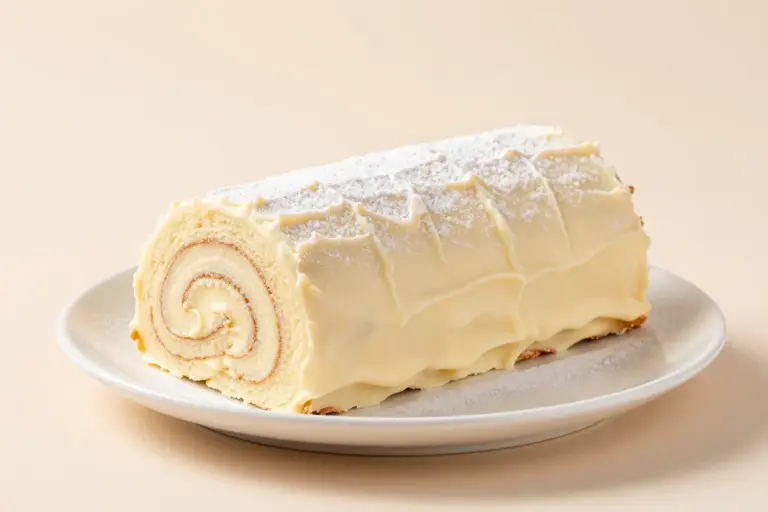
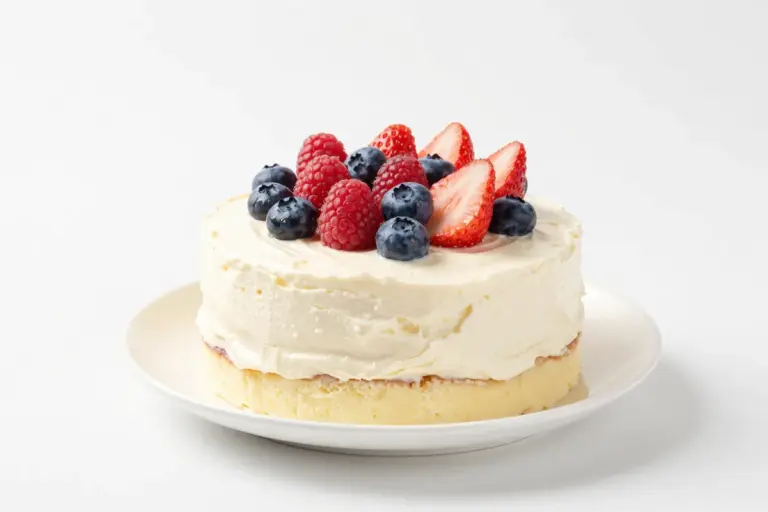
Lamb Cake Recipe: German Easter Cake in a 3D Mold
This lamb cake recipe makes a tender, sturdy vanilla butter cake in a two-piece 3D lamb mold, with reliable release, upright shaping, and two festive finishes: traditional powdered sugar or coconut-covered frosting.
What Makes a Good German Easter Lamb Cake
This is a sweet lamb-shaped cake, not a savory lamb dish. Known in German as Osterlamm, it is a vanilla-forward butter cake baked in a standing 3D mold. The ideal result is tender enough to enjoy with coffee yet firm enough to preserve the ears, face, legs, and upright silhouette.
- A flat, even base lets the lamb stand securely.
- Moderate decoration keeps the molded facial and body details recognizable.
- Powdered sugar is the simplest traditional presentation; white frosting and coconut are a modern wool-inspired option.
Why This Lamb Cake Batter Holds Its Shape
The batter is deliberately closer to a light pound cake than to a very airy layer cake. All-purpose flour and eggs provide the framework needed for a deep mold, while butter supplies flavor and tenderness. The modest amount of milk keeps the batter spreadable without making the baked lamb wet or fragile.
- Creaming the butter and sugar creates enough lift without relying on excessive baking powder.
- Eggs contribute both richness and heat-set structure, which is especially important around the neck and ears.
- Lemon zest brightens the vanilla flavor without adding enough liquid to disturb the formula.
- Coconut is used as an exterior decoration here, where it suggests wool without changing the batter’s moisture balance.
Ingredients
- 12 tablespoons unsalted butter, softened; divided
- 3/4 cup plus 2 tablespoons granulated sugar
- 3 large eggs, at room temperature
- 2 cups all-purpose flour, plus 2 tablespoons for the mold
- 2 teaspoons baking powder
- 1/2 teaspoon fine salt
- 1/4 cup whole milk, at room temperature
- 2 teaspoons vanilla extract
- 1 teaspoon finely grated lemon zest
- 2 tablespoons unsalted butter, softened, for greasing the mold
- 2 tablespoons all-purpose flour, for dusting the mold
- Optional: 1 cup confectioners’ sugar, for the traditional finish
- Optional: 1/2 cup unsalted butter, softened, for frosting
- Optional: 1 1/2 cups confectioners’ sugar, for frosting
- Optional: 1 tablespoon whole milk, for frosting
- Optional: 2 teaspoons vanilla extract, for frosting
- Optional: 1 cup unsweetened shredded coconut, for the wool effect
- Optional: 4 semisweet chocolate chips, for the eyes and nostrils
- Optional: 1 small jelly bean, for the nose
- Optional: 1 length narrow ribbon, for the neck
How to Prepare and Fill a 3D Lamb Cake Mold
The mold deserves as much attention as the batter. Work the butter into every narrow feature, then dust with flour so the cake has a dry release barrier. Place the face half down on a baking sheet and put the vented half on top, with the opening upward for steam to escape and for testing the center.
- Do not rely on a quick coating of spray alone; the ears, nose, legs, and seam are common sticking points.
- Use a baking sheet for support and to catch small leaks.
- Follow the mold maker’s stated capacity. Excess batter is safer baked as cupcakes than forced into the lamb.
- Secure the two halves firmly, but do not distort the seam by overtightening clips or screws.
Instructions
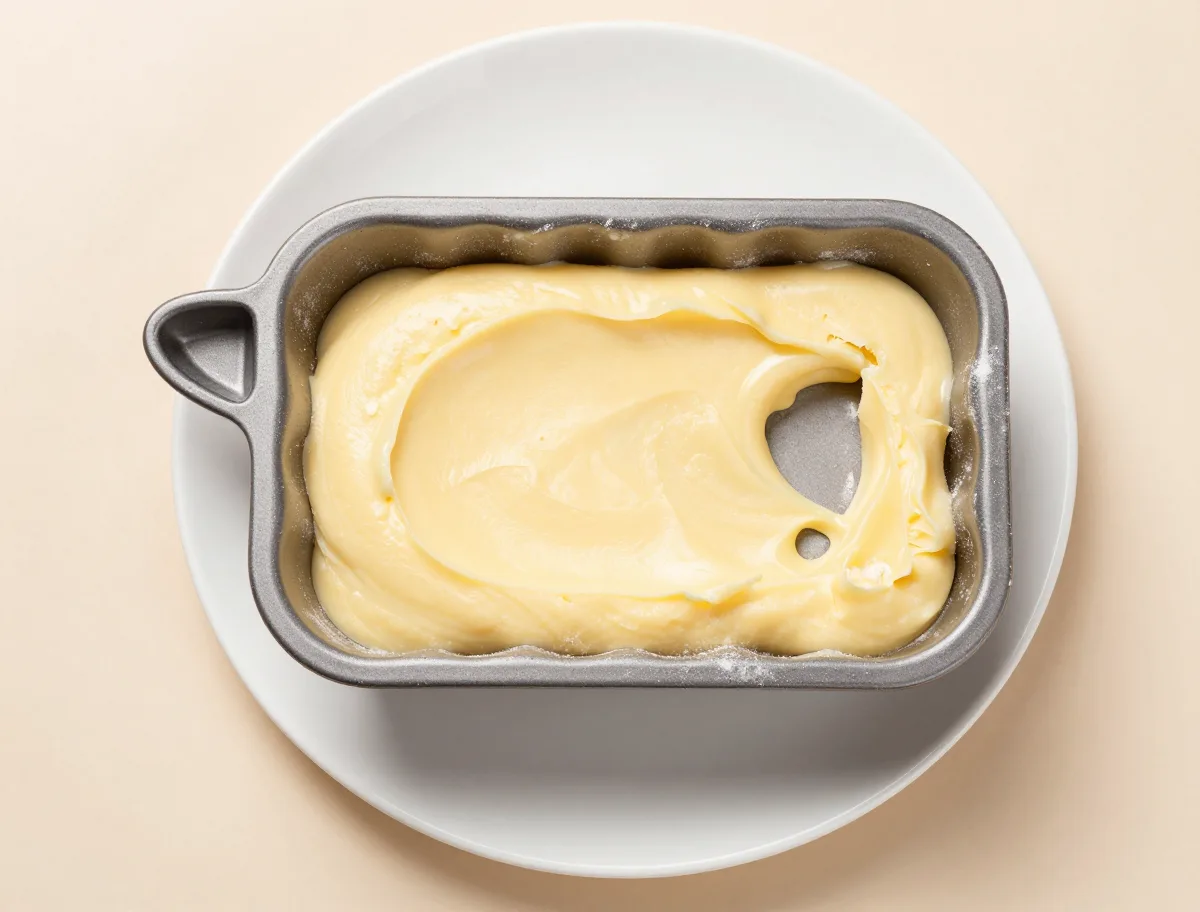
- Prepare the mold: Heat the oven to 350°F (175°C). Thoroughly coat both halves of a two-piece standing lamb cake mold with the softened butter, working it into the ears, face, legs, seams, and other small details. Dust with the flour, tapping out the excess. Place the face half face-down on a rimmed baking sheet. The half without the vent hole is normally the face half; if your mold differs, follow its manufacturer’s orientation.
- Make the batter: Whisk the flour, baking powder, and salt together. In a large bowl, beat the softened butter, sugar, lemon zest, and vanilla extract until pale and fluffy, about 3 minutes. Beat in the eggs one at a time, scraping the bowl after each addition. Add the flour mixture in three additions, alternating with the milk in two additions; mix on low only until incorporated. The batter should be thick and spreadable.
- Fill and close the lamb mold: Spoon the batter into the face half, pressing it gently into the head, ears, legs, and other recesses to eliminate large air pockets. Fill only to the tested capacity of your mold, leaving room for expansion; a typical 6-cup mold should not be packed above its fill line. Use any excess batter for a few cupcakes rather than overfilling. Set the vented half on top with the vent hole facing upward, then secure the mold with its clips, screws, or fastener.
- Bake until the center is set: Bake the assembled mold on the baking sheet for 50 to 60 minutes, rotating the sheet once if your oven browns unevenly. Begin checking at 50 minutes by inserting a long cake tester through the vent hole into the thickest part of the body. It should emerge clean or with a few moist crumbs, never liquid batter. The exposed cake should be lightly browned and the mold should no longer wobble when moved gently.
- Cool before unmolding: Set the closed mold on a cooling rack and leave it undisturbed for 15 minutes. Remove the fasteners and lift off the vented half first. Let the cake cool in the face half for another 20 to 25 minutes, until it feels firm rather than fragile. Run a thin spatula around only the broad edges if needed; do not pry against the ears or facial details.
- Release and stabilize the lamb: Place a cooling rack against the exposed back of the cake and invert it carefully so the lamb rests on the rack. Lift away the remaining mold half. Cool completely, about 45 minutes more. Trim the baked seam and the base with a serrated knife if necessary, shaving the base until it is level. Stand the lamb on its serving board; if it tips, use a small dab of the prepared frosting as edible adhesive beneath the feet.
- Choose a finish: For the traditional finish, sift the confectioners’ sugar over the completely cool lamb. For a frosted lamb, beat the softened frosting butter until smooth, then gradually beat in the frosting confectioners’ sugar, milk, and frosting vanilla extract until creamy. Spread a thin coat over the body and face, keeping the molded features visible.
- Decorate the lamb: For the wool effect, press the shredded coconut lightly into the frosting over the body, leaving the eyes, muzzle, ears, and legs defined. Use two chocolate chips for the eyes, two more for the nostrils, and the jelly bean for the nose. Tie the ribbon loosely around the neck only after the cake is stable. Keep the ribbon and any small decorations away from young children.
How to Tell When the Lamb Cake Is Done
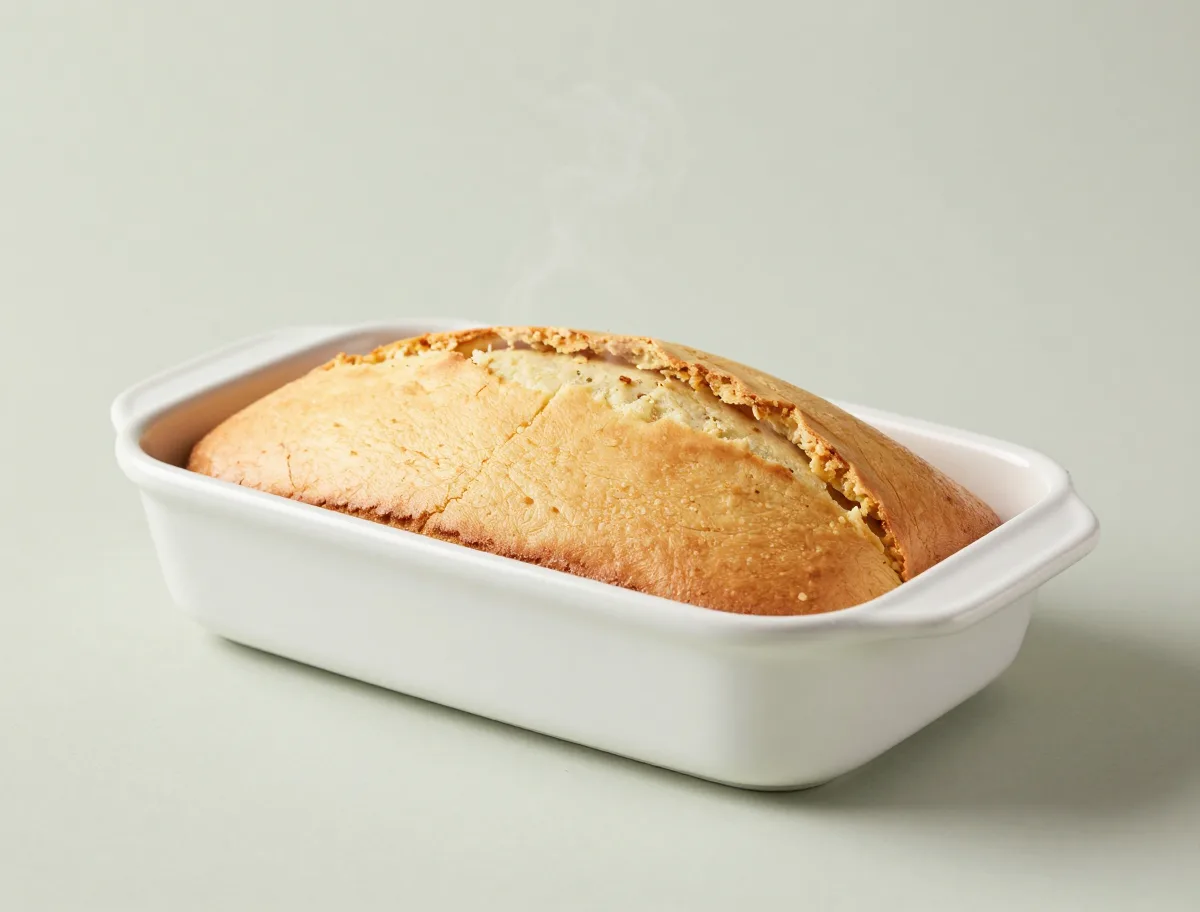
A 3D lamb cake can look finished at the seam while the body remains underbaked. Time is only a starting point because mold material, cavity size, and oven behavior vary. The vent-hole test is the most useful check: the tester should show no wet batter, although a few moist crumbs are welcome.
- The cake should feel set rather than fluid when the mold is moved gently.
- The surface should be lightly browned, not pale and visibly wet.
- A short rest in the closed mold lets the crumb firm before the fragile details are exposed.
- Cool completely before frosting; warm cake can break under pressure or cause frosting to slide.
Doneness Cues
- A tester inserted through the vent hole reaches the thickest body area and comes out clean or with a few moist crumbs.
- The cake does not jiggle when the assembled mold is moved gently.
- The exposed surface is lightly browned and springs back slightly under gentle pressure.
- The cake is cool and firm before trimming, standing, or frosting.
The Key Variables in a Deep Lamb Cake Mold
The body and head of a lamb mold are much thicker than an ordinary cake layer, while the ears and legs are narrow and delicate. The batter must expand slowly enough to retain those details, then set before gravity pulls on the inverted cake. That is why a viscous batter, moderate leavening, correct vent placement, and a full bake matter more here than maximum volume.
- Too much baking powder or liquid can cause rapid expansion, overflow, tunnels, and collapse.
- Flour and egg proteins set the central framework; excessive sugar or fat can make that framework too weak.
- The vent helps release steam and gives access to the thickest enclosed portion for doneness testing.
- Once flour is added, mix only until combined to avoid a tough crumb.
Common Lamb Cake Problems and How to Fix Them
Most lamb cake failures come from release, expansion, or timing rather than from decoration. A careful mold coating and a patient cooling sequence prevent more damage than forceful unmolding can repair.
- Sticking: Missed mold details, insufficient flour, or removing the cake while hot are typical causes. Cool longer, remove the top half first, and loosen only broad edges.
- Overflow: The mold was overfilled or the batter expanded too quickly. Trim minor overflow after cooling; use the mold’s capacity and bake extra batter separately next time.
- Wet center or collapse: Return the assembled cake to the oven if the tester shows batter. A collapsed cake cannot reliably support heavy frosting.
- Cracked seam: Check that the halves interlock evenly and do not overfill. Small cracks can be covered with a thin coat of frosting.
- Broken ears or details: The cake was likely too warm or was pried from the mold. Support the cake on its back and handle projections minimally.
- Tipping: Level the base with a serrated knife and anchor the finished lamb to the board with a dab of frosting.
Practical Substitutions for Lamb Cake
Substitutions are most successful when they preserve the batter’s thickness and structural balance. All-purpose flour is the safest choice for this deep shape, while major changes to the eggs or flour need a separately tested formula.
- Use dairy-free baking sticks and unsweetened, unflavored plant milk for a dairy-free version; expect a small difference in flavor and crumb.
- A commercial gluten-free flour blend may work, but choose one formulated for cakes and use its recommended binder. A direct flour swap can produce breakage.
- Shortening can replace some or all of the butter and may improve release, though the cake will taste less buttery.
- Cake flour makes a more delicate crumb and reduces the structural margin. Bread flour is likely to make the cake tough.
- Applesauce, flax, aquafaba, and commercial egg replacers do not reproduce the binding and heat-set structure of eggs in this mold; use only a tested egg-free formula.
Osterlamm Variations That Still Feel Traditional
The lamb form is the defining feature, so variations should alter flavor or finish without turning the cake into a fragile, heavily layered dessert. Vanilla and lemon are classic choices, while coconut is most dependable as a coating rather than a large addition to the batter.
- For a more lemon-scented cake, increase the lemon zest modestly while keeping the liquid unchanged.
- A pound-cake mix is the most practical shortcut because it usually has enough body for a deep mold.
- Regular layer-cake mix may be too fluid or aerated; follow the pan manufacturer’s capacity guidance and avoid filling above the safe line.
- Chocolate eyes, a candy nose, ribbon, and a small paper flag create a festive contemporary presentation without changing the cake itself.
- Heavy fondant or thick frosting can conceal the face and body contours, so apply decorative elements sparingly.
How to Serve and Decorate Easter Lamb Cake
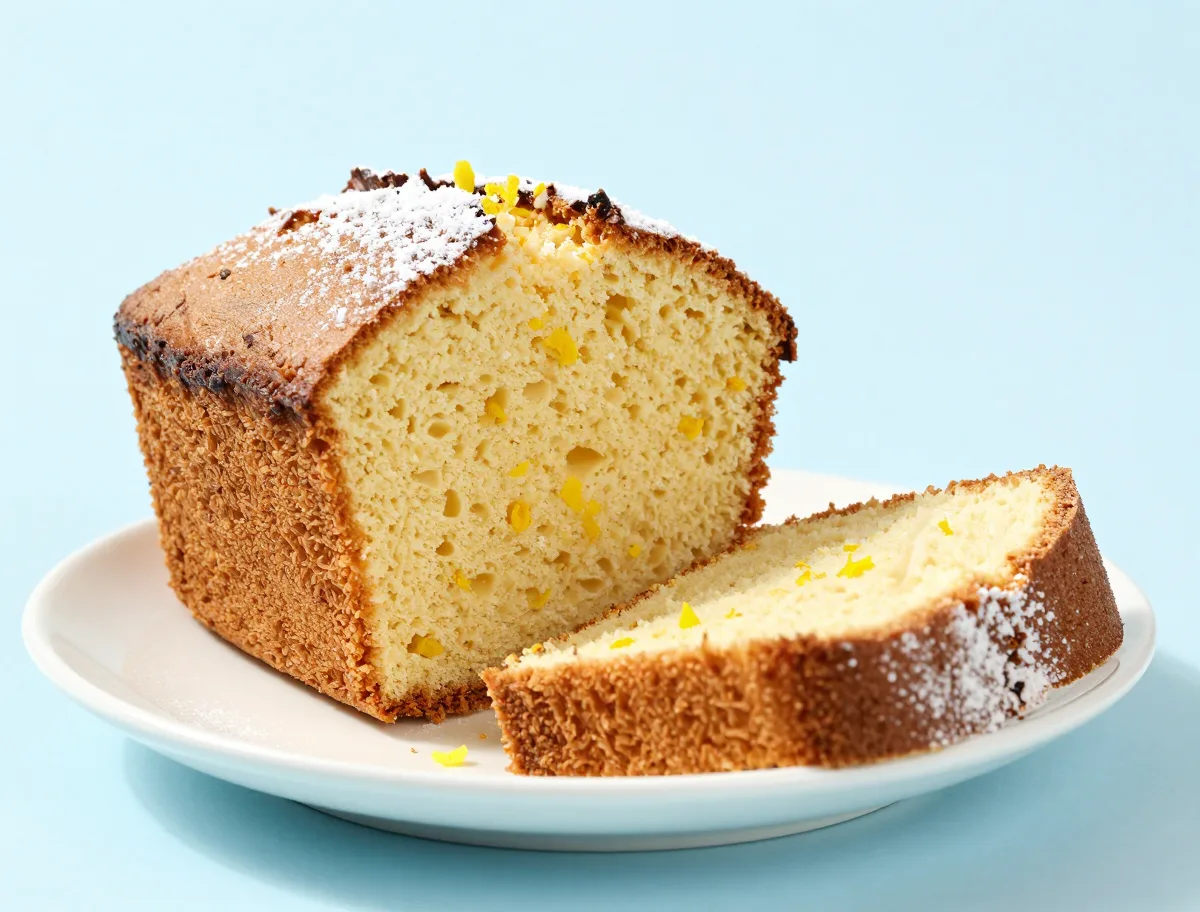
Serve the lamb at room temperature, when the butter aroma and crumb are most expressive. A powdered-sugar finish gives the cake a clean, traditional appearance, while a thin layer of white frosting and coconut creates a more pronounced wool texture.
- Pair slices with coffee, black tea, or hot chocolate.
- Add the ribbon only after the lamb is standing securely, and tie it loosely around the neck.
- Use chocolate chips or other small decorations for the eyes and nostrils, taking care that they do not hide the muzzle.
- A simple Easter brunch spread is a better match than a strongly flavored or very sweet accompaniment.
How to Store, Freeze and Make Ahead Lamb Cake
For the best texture and easiest decorating, bake the cake a day ahead and finish it near serving time. Cool it completely before wrapping; the center of a molded cake retains heat longer than a shallow cake, and warm wrapping traps condensation.
- Store an unfrosted cake tightly wrapped at cool room temperature for up to 2 days, protecting the ears and head from pressure.
- Refrigerate cakes topped with cream cheese, whipped cream, custard, or another perishable filling or frosting at 40°F (4°C) or below.
- Freeze an unfrosted cake double-wrapped for best quality for up to 2 months. Thaw it while wrapped, then bring it to room temperature before decorating.
- A sturdy buttercream-frosted lamb can be frozen after the frosting is firm, but coconut and candy decorations may lose some texture or shine.
- Do not microwave the assembled cake. If chilled, let it warm gradually at serving time.
Lamb Cake Mold FAQ
A two-piece 3D lamb mold is the essential equipment for this recipe. Because capacities and fastening systems differ, use these answers alongside the instructions supplied with your particular lamb cake pan.
What kind of pan do I need for a lamb cake recipe?
Use a two-piece standing lamb cake mold, usually aluminum or nonstick, with a vent hole in one half. This recipe is sized for a large mold holding about 6 cups of batter; smaller molds need to be filled only to their own capacity.
Which side of the lamb mold goes on the bottom?
Usually the face half, which has no vent hole, sits face-down on the baking sheet. The vented half goes on top with the hole facing upward. Vintage or ceramic molds may differ, so their instructions take priority.
How full should a lamb cake mold be?
Use the manufacturer’s fill line or capacity and leave room for the cake to expand. Do not fill to the rim. Bake any extra batter separately rather than risking overflow and a glued seam.
Why does the mold have a vent hole?
The vent provides an escape route for steam and expanding gases, and it lets you test the center of the thick body without piercing the visible face.
Can I use a boxed cake mix?
Yes, a pound-cake mix is the more reliable shortcut. Prepare it according to the package, compare its volume with the mold’s capacity, and do not add extra liquid. A light layer-cake mix may be too loose or fragile.
What should I do if the cake sticks?
Do not pull on the ears or legs. Let the cake cool longer, remove the vented half first, and loosen broad edges gently with a thin spatula. If necessary, press a cool, damp towel against the outside of the mold briefly; never force a stuck detail.
How do I keep the lamb cake standing upright?
After the cake is completely cool, trim the base with a serrated knife until level. Set it on the serving board and use a small dab of frosting underneath as edible adhesive if it still wobbles.
Can I decorate the lamb cake without coconut?
Yes. Use powdered sugar for the traditional finish, or frost it lightly and leave the surface smooth. White sprinkles or finely chopped nuts can replace coconut, but they will create a different texture.
The Osterlamm Tradition
Osterlamm is a German-style Easter cake within a wider Central European family that includes Polish, Czech, Austrian, and Alsatian lamb-shaped cakes. The lamb carries Easter associations with renewal, purity, and the Lamb of God. Regional formulas vary between sponge and denser butter or sand cakes, so this recipe is best understood as a sturdy, home-baked German-style interpretation rather than a single definitive original.
- The standing lamb shape and powdered-sugar finish are among the most recognizable traditional markers.
- Some German regional presentations add a red ribbon or small Easter flag.
- The exact first recipe and origin of the mold are uncertain; it is more accurate to acknowledge a long regional tradition than to assign one inventor.
For additional regional context on German Easter lambs, molds, powdered-sugar presentation, ribbons, and symbolism, see the regional history of Osterlämmer from Upper Franconia.
Food Safety for a Molded Easter Cake
Use refrigerated, intact eggs and bake until the tester shows no raw batter in the thickest part of the body. After baking, protect the cake from contamination while it cools, and keep any perishable frosting or filling properly chilled. For authoritative guidance on egg safety and thoroughly cooking foods that contain eggs, consult the FDA guidance on the safety of eggs and foods made with raw shell eggs.
- Keep the refrigerator at 40°F (4°C) or below and the freezer at 0°F (-18°C) or below.
- Cream cheese, whipped cream, custard, and many egg-based frostings require refrigeration.
- Do not leave a perishable finished cake at room temperature for more than 2 hours, or more than 1 hour when the temperature is above 90°F (32°C).
- Use clean utensils for decorating and keep raw-batter equipment separate from ready-to-eat decorations.
Recipe Notes
- This formula is intended for a large mold holding about 6 cups of batter. For a smaller mold holding about 3 cups, fill only to its marked capacity and bake the extra batter separately; begin checking after 35 to 40 minutes.
- Mold shapes and fasteners vary. The manufacturer’s capacity and assembly instructions take precedence over generic measurements.
- For a boxed shortcut, use a pound-cake mix and prepare it according to the package, but keep the batter within the mold’s capacity. Very light, highly aerated cake mixes are less dependable in a deep 3D mold.
- Bake the plain cake one day ahead if convenient. Wrap it airtight only after it has cooled completely, then decorate close to serving.
- For a dairy-free version, use a dairy-free baking stick and unsweetened plant milk. Egg-free and gluten-free adaptations require a tested formula; direct substitutions can make the lamb too fragile to unmold.