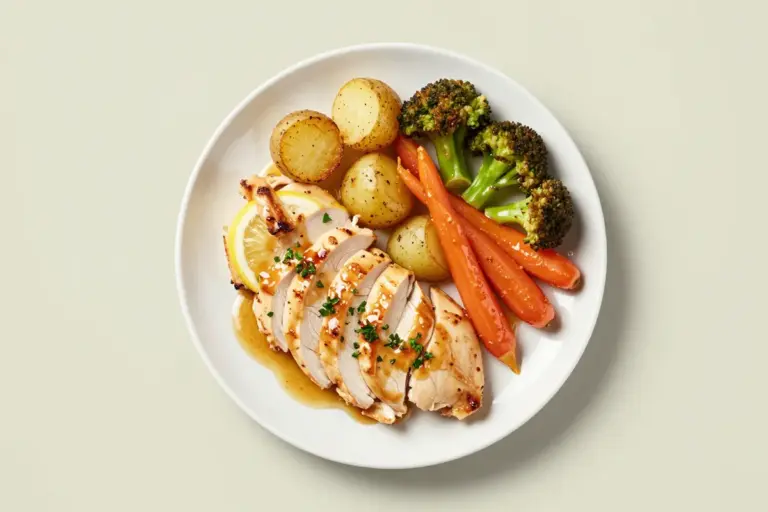
Buca Spicy Chicken Rigatoni Recipe with Creamy Rosa Sauce
This Buca spicy chicken rigatoni recipe pairs tender sliced chicken breast and peas with garlicky rigatoni in a creamy, tomato-based rosa sauce made from marinara and Alfredo.
What Makes This a Buca-Style Spicy Chicken Rigatoni?
This copycat interpretation is built around the elements publicly associated with Buca di Beppo’s menu dish: chicken breast, garlic, crushed red pepper, peas, and spicy rosa sauce. The finished pasta should be generously coated, visibly studded with peas, and topped with tender slices of chicken.
- Expect a creamy pink-orange sauce with tomato tang, garlic, dairy richness, and adjustable chile heat.
- Rigatoni is intentional: its ridges and wide tubes hold the sauce better than delicate pasta shapes.
- The result is Italian-American restaurant-style pasta, not a documented traditional regional Italian recipe.
Why the Ingredients Work
The sauce depends on contrast. Marinara brings acidity, tomato flavor, and seasoning, while Alfredo contributes fat, dairy solids, and body. Garlic and red pepper distribute savory heat through the butter and oil, peas add sweetness and color, and starchy rigatoni gives the sauce something substantial to cling to.
- Use evenly cut chicken so the breast meat reaches a safe temperature before it dries out.
- A balanced marinara is preferable to an especially sweet sauce, which can make the finished dish taste heavy.
- Frozen peas are convenient and should be added late so they remain green and intact.
- Reserved pasta water is a functional ingredient: its starch helps bind the sauce rather than simply thinning it.
- 1 pound boneless, skinless chicken breasts, trimmed and sliced crosswise into 1/2-inch strips
- 1 teaspoon kosher salt, divided
- 1/2 teaspoon black pepper, divided
- 2 tablespoons olive oil
- 2 tablespoons unsalted butter
- 4 cloves garlic, finely minced
- 1 teaspoon crushed red pepper flakes, use 1/2 teaspoon for mild or 1 1/2 teaspoons for hot
- 24 ounces marinara sauce, preferably a balanced, not overly sweet variety
- 12 ounces prepared Alfredo sauce, full-fat if available
- 1 cup frozen peas, no need to thaw
- 1 pound dry rigatoni
- As needed pasta cooking water, reserved before draining
- 1/2 cup finely grated Parmesan cheese, plus more for serving
The Best Order for Cooking Chicken, Pasta, and Rosa Sauce
Cooking the chicken first and removing it before making the sauce gives you control over both doneness and texture. The tomato base gets a short reduction before the dairy is added, while the nearly al dente pasta finishes directly in the skillet. This sequence seasons the rigatoni and limits the time the chicken spends in the hot sauce.
- Keep chicken pieces in a single layer and remove them as soon as they reach 165°F.
- Add the garlic and pepper flakes to warm fat only briefly; browned garlic can turn bitter.
- Do not rinse pasta for immediate service. Its starchy surface helps the rosa sauce adhere.
- Fold in peas and chicken near the end to protect their texture.
-
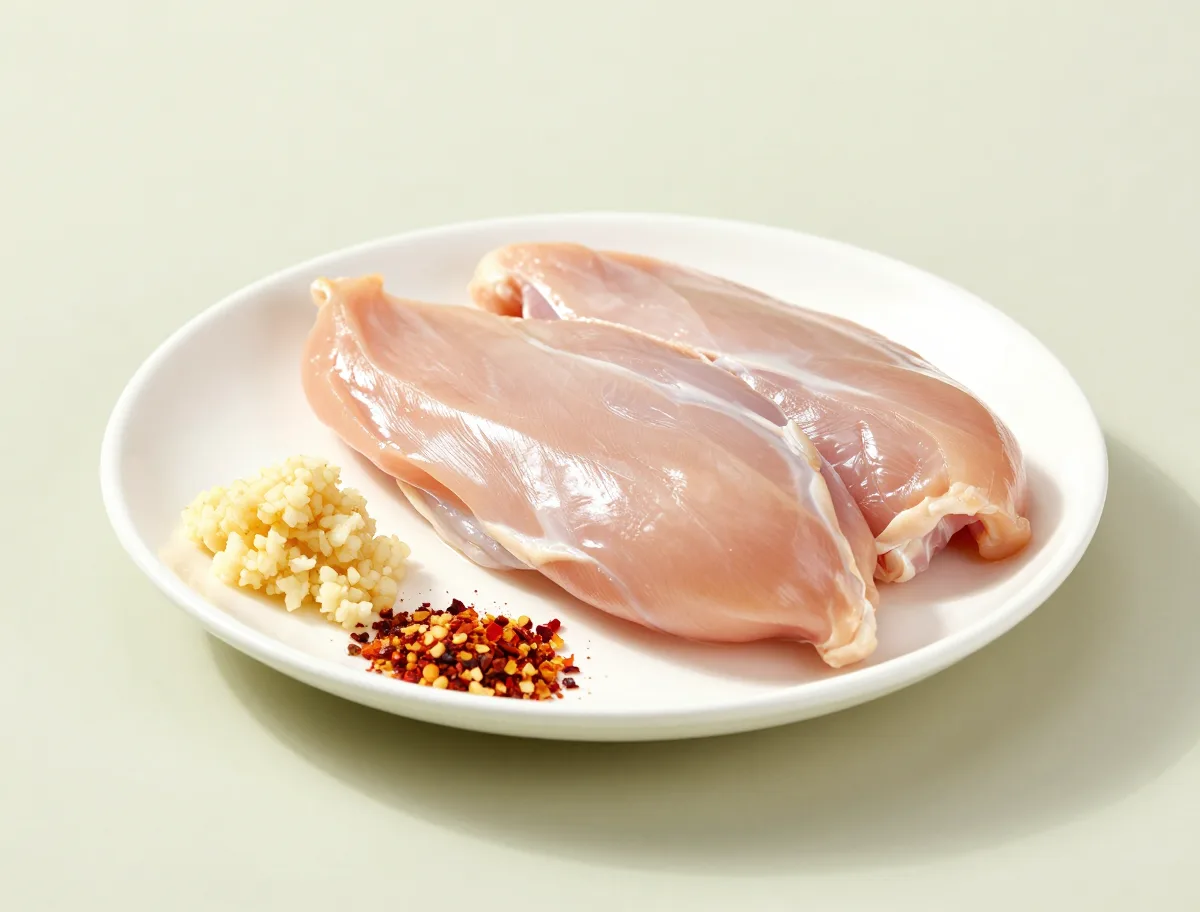
Season and prepare the chicken: Pat the chicken dry and season it with 1/2 teaspoon of the salt and 1/4 teaspoon of the black pepper. Keep the pieces in a single layer so they cook evenly.
- Cook the chicken: Heat the olive oil in a large, deep skillet over medium-high heat. Add the chicken in a single layer and cook, turning once, until lightly browned and the thickest piece reaches 165°F (74°C), about 5 to 7 minutes. Transfer the chicken to a plate and cover loosely.
- Boil the rigatoni: Meanwhile, bring a large pot of well-salted water to a boil. Cook the rigatoni according to the package directions, stopping about 1 minute before the shortest recommended time. Reserve 1 1/2 cups of the cooking water, then drain the pasta without rinsing it.
- Build the spicy tomato base: Return the skillet to medium heat and melt in the butter. Add the garlic, remaining 1/4 teaspoon black pepper, and red pepper flakes. Cook for 30 to 45 seconds, just until fragrant; do not let the garlic brown.
- Reduce the marinara: Pour in the marinara sauce and stir, scraping up any browned bits. Bring it to a gentle simmer and cook for 4 minutes, stirring occasionally, until slightly reduced and concentrated.
- Make the rosa sauce: Lower the heat and stir in the Alfredo sauce. Warm gently for 2 minutes without allowing the mixture to boil. The sauce should be smooth and pink-orange.
- Finish the pasta in the sauce: Add the drained rigatoni and peas to the skillet. Toss over low heat for 2 to 3 minutes, adding reserved pasta water 2 tablespoons at a time until the sauce clings to the pasta. Stir in the Parmesan.
- Add the chicken and serve: Slice any larger chicken pieces into bite-size strips and return all the chicken and its accumulated juices to the skillet. Toss for about 1 minute, just until hot. Taste and adjust the seasoning with the remaining salt if needed. Serve immediately with additional Parmesan.
How to Tell When the Rigatoni Is Ready
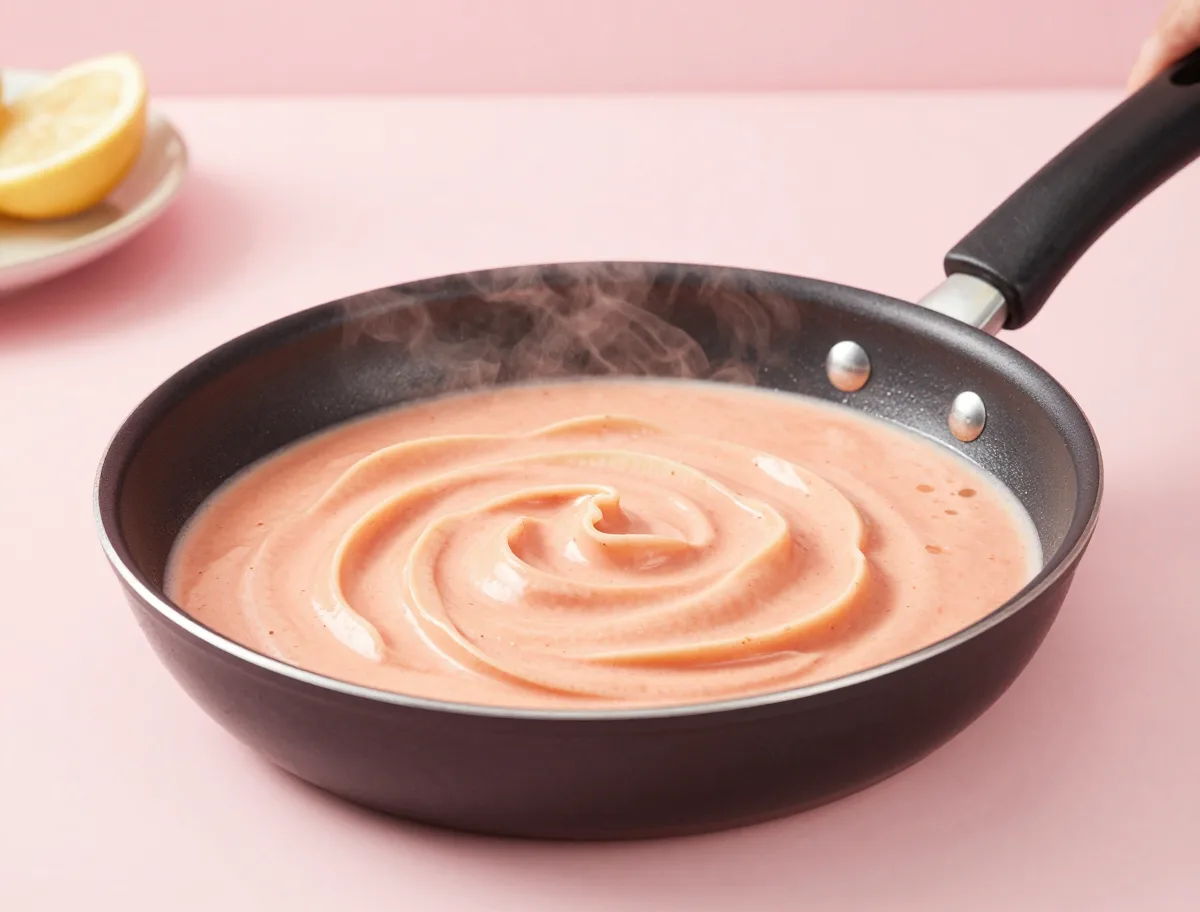
The target is a cohesive, glossy pasta dish rather than a bowl of noodles in loose sauce. Bite into a piece of rigatoni before serving: it should offer slight resistance but have no hard, dry center. The sauce should cling to the ridges and remain fluid enough to toss easily.
- Chicken should be opaque and yielding, with an internal temperature of 165°F (74°C).
- Peas should be warmed through but still taste fresh and retain their green color.
- A pink-orange sauce indicates that the tomato and creamy components are balanced.
- Finish the sauce slightly looser than the final plated texture because the pasta continues absorbing liquid.
- Chicken is opaque, tender-looking, and reaches 165°F (74°C) in the thickest piece.
- Rigatoni is firm but not chalky in the center; it finishes cooking during the final toss.
- Peas are hot and bright green with a little bite.
- The rosa sauce is smooth, glossy, and thick enough to coat the rigatoni ridges and interiors without pooling.
How to Keep the Rosa Sauce Smooth
The main variables are reduction, heat, and pasta starch. Reducing the marinara first removes excess water and concentrates its flavor. Once Alfredo is added, the sauce should be warmed gently rather than boiled; high heat combined with tomato acidity can make dairy separate.
- Add pasta water gradually, a few tablespoons at a time, while tossing.
- If the sauce is thick, use starchy water rather than immediately adding more cream.
- If the sauce is thin, give it a brief gentle simmer before adjusting it with liquid.
- Avoid hard boiling after adding Alfredo or Parmesan.
Common Spicy Chicken Rigatoni Problems and Fixes
Most problems come from overcooking, excess liquid, or uncontrolled heat. The recipe is forgiving when the chicken is removed promptly, the marinara is reduced before the dairy goes in, and pasta water is added in small amounts.
- Dry chicken: Cut the breast evenly, use a thermometer, and return the cooked chicken only long enough to heat through.
- Mushy pasta: Drain it before it is fully tender and finish it briefly in the sauce.
- Watery sauce: Reduce the marinara longer or simmer the combined sauce gently; avoid adding more pasta water until needed.
- Pasty sauce: Toss in a small splash of pasta water rather than adding more Alfredo.
- Separated sauce: Remove the pan from the heat and toss gently with a tablespoon of warm pasta water. Severe curdling may not be fully repairable.
- Harsh heat: Stir in a little additional Alfredo or marinara and serve with extra Parmesan to soften the perception of chile.
Practical Substitutions
The prepared marinara-and-Alfredo combination is the fastest way to preserve the defining creamy tomato character. Substitutions work best when they retain a short, sauce-catching pasta shape and the balance of chicken, peas, garlic, chile, tomato, and dairy.
- Boneless, skinless chicken thighs can replace breast; they stay juicier but are less similar to the menu description.
- Penne or another ridged short tube can replace rigatoni, though the larger tubes provide the closest bite.
- Fresh peas can replace frozen peas; canned peas should be folded in at the very end because they are already soft.
- For a scratch creamy component, use heavy cream with butter and Parmesan, but season cautiously and maintain gentle heat.
- Half-and-half can work, while skim milk produces a thinner and less stable sauce.
Heat and Flavor Variations That Stay True to the Dish
The simplest variation is changing the red pepper level. Keep the tomato-and-cream sauce, chicken, peas, garlic, and short tubular pasta in place so the result remains recognizable as spicy chicken rigatoni.
- Mild: Bloom 1/2 teaspoon red pepper flakes and pass more at the table.
- Standard: Use 1 teaspoon for a clear but balanced chile presence.
- Hot: Use 1 1/2 teaspoons, or add a pinch at the table after tasting.
- For more restaurant-style richness, finish with a little extra Parmesan, but avoid overwhelming the tomato and chile flavors.
- Additional vegetables or vodka can be enjoyable adaptations, but they are not required characteristics of the Buca-style dish.
How to Serve Spicy Chicken Rigatoni
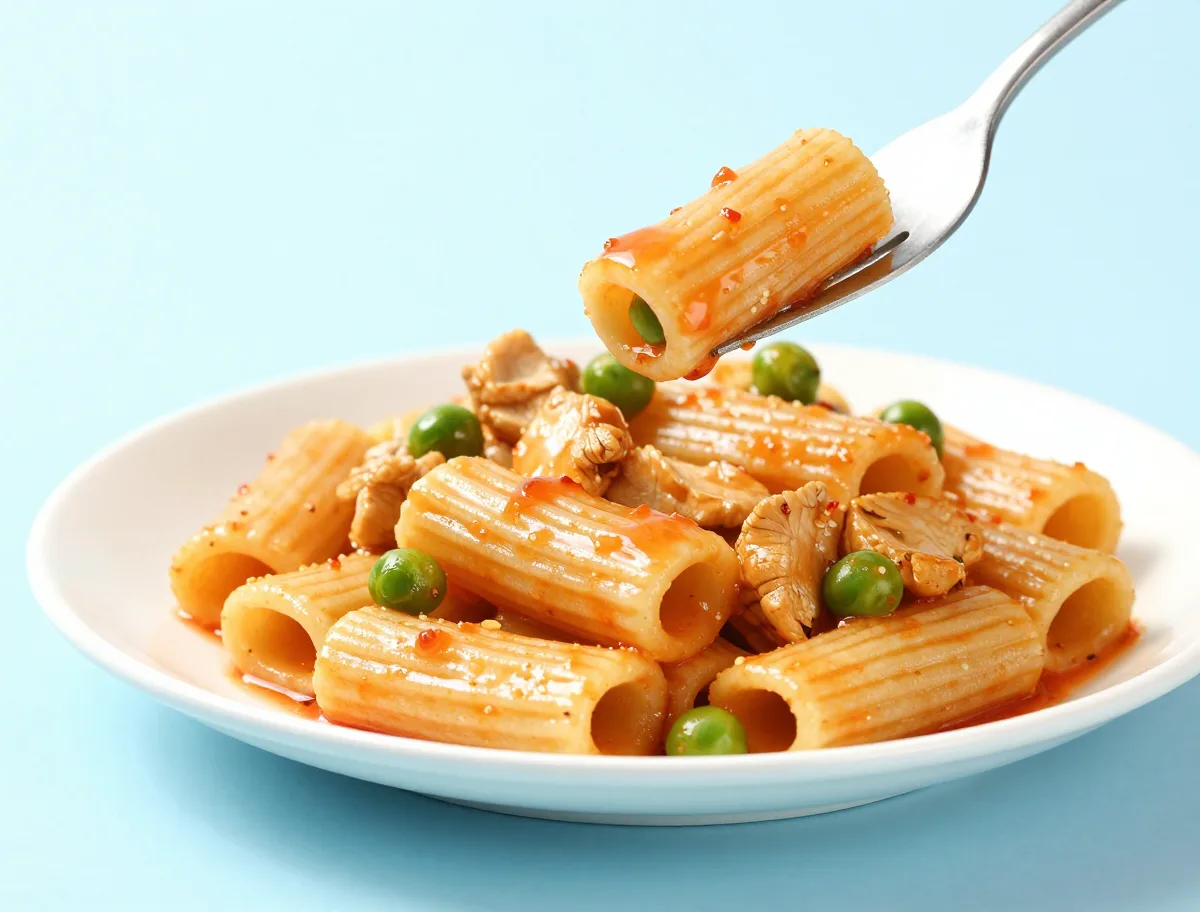
Serve this pasta immediately in a warmed serving bowl or large platter. The sauce thickens as it cools, so a hot family-style presentation gives the rigatoni the best coating and keeps the chicken tender.
- Finish with a restrained scattering of Parmesan and, if desired, a few extra red pepper flakes.
- Pair the rich pasta with a crisp green salad dressed simply with vinaigrette.
- Garlic bread or crusty Italian bread is useful for the remaining rosa sauce.
- Avoid holding the finished dish for a long time; the rigatoni will continue absorbing sauce.
How to Store and Reheat Creamy Chicken Rigatoni
For the best make-ahead result, refrigerate the sauce, chicken, peas, and pasta separately and combine them just before serving. Fully assembled leftovers remain useful, but the rigatoni will soften and absorb some of the sauce.
- Refrigerate leftovers in shallow airtight containers within 2 hours, or within 1 hour if the room is above 90°F.
- Keep refrigerated leftovers at 40°F or below and use them within 3 to 4 days.
- Reheat a covered portion gently in a skillet or microwave with a small splash of water or cream, stirring once or twice.
- Reheated leftovers should reach 165°F throughout.
- Freezing is food-safe when continuously frozen, but the pasta may soften and the creamy sauce may separate; freezing is not the best choice for restaurant-style texture.
Spicy Chicken Rigatoni FAQ
These answers clarify what is known about the restaurant inspiration and how to make the copycat work reliably at home.
What makes this a Buca di Beppo copycat recipe?
It follows the public menu description of chicken breast with garlic, crushed red pepper, peas, and spicy rosa sauce, then interprets those elements as rigatoni tossed in a creamy marinara-based sauce. It is not an official or disclosed restaurant formula.
What is spicy rosa sauce?
In this recipe, rosa sauce is a creamy tomato sauce made by combining marinara with Alfredo. The tomato provides acidity and color, while the dairy component softens it into a smooth pink-orange sauce.
How much crushed red pepper should I use?
Use 1/2 teaspoon for mild heat, 1 teaspoon for a noticeable standard level, or 1 1/2 teaspoons for hot pasta. Flake strength varies, so bloom the measured amount first and add more at the table if needed.
Should the chicken be grilled or sautéed?
Sautéing thin strips in the same skillet is the most practical approach here. It cooks quickly and gives you a reliable opportunity to remove the chicken at 165°F before finishing the sauce.
Can I use store-bought marinara and Alfredo?
Yes. They are convenient copycat ingredients, although no particular commercial brand is confirmed as the restaurant’s sauce. Taste before adding salt because prepared sauces vary considerably.
When do the peas and chicken go into the sauce?
Add the peas with the nearly cooked pasta so they warm without becoming mushy. Return the cooked chicken during the final minute, just long enough to heat it through.
Why did my sauce become thin or greasy?
Common causes include watery marinara, too much pasta water, or boiling after the dairy was added. Reduce the tomato base first, use low heat for the creamy component, and add pasta water gradually.
How Authentic Is This Buca Spicy Chicken Rigatoni Recipe?
This recipe is best described as a Buca di Beppo-style copycat within Italian-American restaurant cooking. The restaurant’s public menu identifies the key ingredients and calls the sauce spicy rosa, but it does not publish the proprietary proportions, commercial products, or cooking method. The official Buca di Beppo Italian food menu supports the dish’s publicly described combination of chicken breast, garlic, crushed red pepper, peas, and spicy rosa sauce.
- The menu description is the authenticity anchor: chicken breast, garlic, crushed red pepper, peas, and spicy rosa sauce.
- Marinara combined with Alfredo is a practical home interpretation of rosa sauce, not a confirmed disclosure of Buca’s formula.
- The chicken-and-pea combination is a restaurant adaptation rather than a documented traditional regional Italian classic.
Chicken and Leftover Safety
Use a thermometer rather than color alone to judge the chicken. Raw poultry should be kept separate from ready-to-eat ingredients, and utensils or boards that touch it should be washed before they are used for the cooked pasta.
- Cook chicken to a minimum internal temperature of 165°F (74°C), measured in the thickest piece.
- Wash hands after handling raw chicken and prevent its juices from contacting the cooked rigatoni or serving utensils.
- Refrigerate the finished dish within 2 hours, or within 1 hour in temperatures above 90°F.
- Reheat leftovers to 165°F throughout; a hot surface or bubbling sauce does not guarantee that the center is safe. See the USDA safe cooking temperature guidance for additional food-safety reference.
Recipe Notes
- The 1 teaspoon red pepper flake measure gives noticeable restaurant-style heat. Use 1/2 teaspoon for mild heat or 1 1/2 teaspoons for a hotter version.
- Prepared marinara and Alfredo make a dependable weeknight shortcut, but brands vary in salt, sweetness, acidity, and thickness. Taste before adding extra salt.
- For the best texture, make the sauce and chicken ahead if necessary but cook the rigatoni close to serving time.
- If the sauce tightens while standing, loosen individual portions with a tablespoon of warm water or cream.