Baked Lemon Chicken Breast Recipes with Vegetables
These baked lemon chicken breast recipes pair evenly cooked, garlic-herb chicken with browned potatoes, carrots, broccoli, and a bright pan-juice sauce for an easy one-pan dinner.
What to Expect from This Baked Lemon Chicken Dinner
This is an open-roasted, lemon-forward chicken breast dinner rather than a saucy casserole. The chicken should be juicy and lightly browned, the potatoes and vegetables tender with caramelized edges, and the finished pan juices bright enough to spoon over the plate.
- The recipe uses boneless, skinless breasts for a quick weeknight meal.
- Lemon zest seasons the roast, while fresh lemon juice keeps the final flavor lively.
- Staging the vegetables prevents the chicken from overcooking while dense vegetables catch up.
Why the Lemon, Garlic and Vegetables Work
Lemon zest supplies fragrant citrus oils that hold up in the oven; the juice is used more sparingly before roasting and more generously at the finish, where its acidity remains vivid. Olive oil helps the vegetables brown and carries the dried herbs across the surface of the chicken.
- Dry herbs flavor the chicken during roasting, while parsley is added at the end for a fresher aroma.
- Smashed garlic is less likely to scorch than finely minced garlic during the initial roast.
- Potatoes and carrots need a head start; broccoli can roast alongside the chicken without becoming mushy.
Ingredients
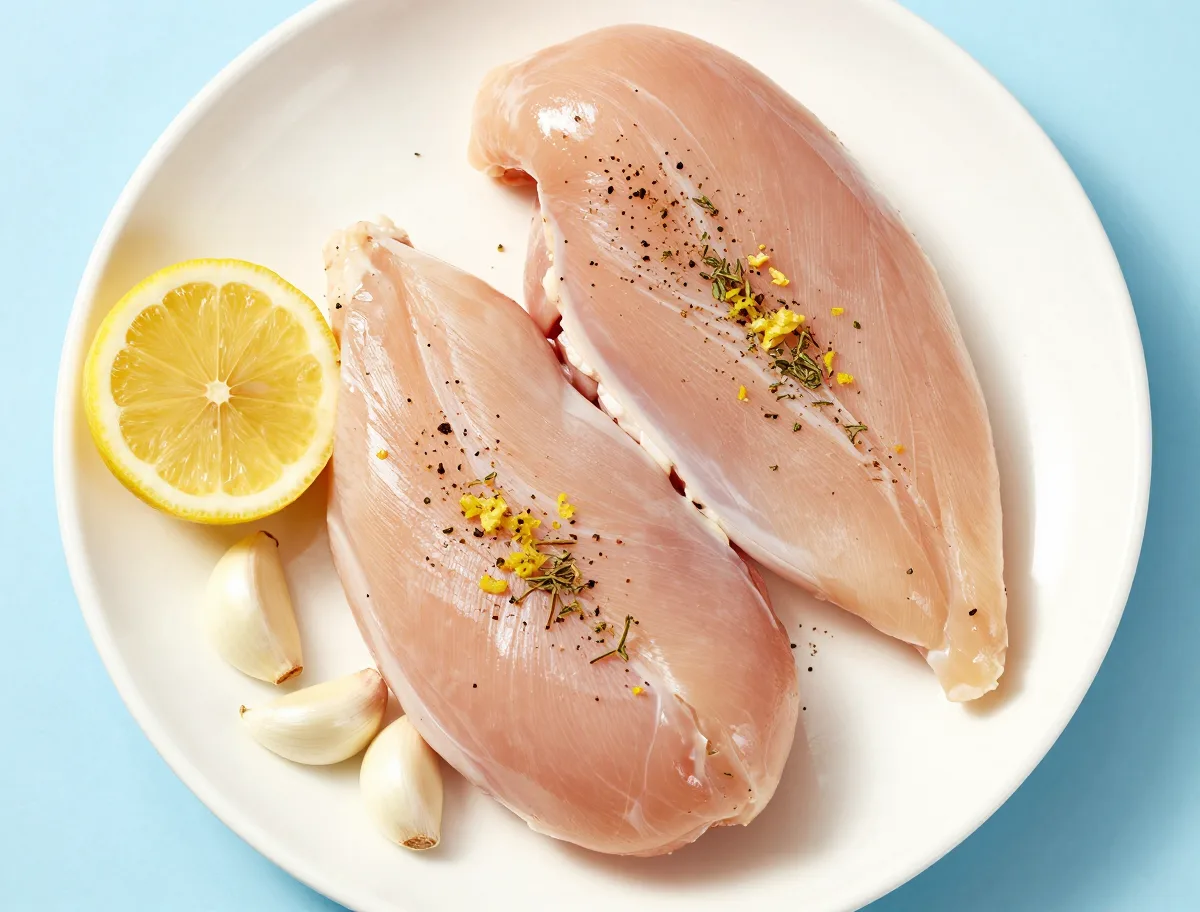
- 4 boneless, skinless chicken breasts, about 6 ounces each; trim and pound thicker portions to an even 3/4-inch thickness
- 1 1/2 teaspoons kosher salt, divided
- 1 teaspoon dried oregano
- 1 teaspoon dried thyme
- 1/2 teaspoon freshly ground black pepper
- 2 teaspoons finely grated lemon zest, from 1 large lemon
- 3 tablespoons extra-virgin olive oil, divided
- 5 cloves garlic, 4 smashed, 1 finely minced
- 1 pound baby Yukon Gold potatoes, halved
- 3 medium carrots, peeled and cut into 1-inch pieces
- 1 small red onion, cut into 8 wedges
- 10 ounces broccoli florets, cut into bite-size pieces
- 3 tablespoons fresh lemon juice, divided
- 1/2 cup low-sodium chicken broth
- 1 tablespoon unsalted butter
- 2 tablespoons flat-leaf parsley, finely chopped
How to Make Oven-Baked Chicken and Vegetables Successfully
The most important preparation step is creating similar thickness in the chicken breasts. Patting them dry improves browning, and a single uncrowded layer gives the vegetables enough direct heat to roast rather than steam.
- Season the chicken shortly before cooking, or refrigerate it uncovered for a brief dry-brine period.
- Pre-roast dense vegetables before adding the chicken.
- Add fresh lemon juice in measured stages instead of flooding the pan at the beginning.
- Use the thermometer as the timing guide; oven strength, pan color, and breast thickness all affect the clock.
For additional guidance on brining, refrigeration, marinade handling, and poultry preparation, consult USDA guidance on poultry basting, brining, and marinating.
Instructions
- Season the chicken: Pat the chicken very dry. Combine 1 teaspoon of the salt, oregano, thyme, pepper, and lemon zest. Rub the chicken with 1 tablespoon of the olive oil, then coat it with the seasoning mixture. If time allows, refrigerate uncovered for 30 minutes to 4 hours; otherwise continue immediately.
- Begin roasting the dense vegetables: Heat the oven to 425°F (220°C). On a large rimmed sheet pan, toss the potatoes, carrots, onion, and smashed garlic with 1 tablespoon of the olive oil and the remaining 1/2 teaspoon salt. Spread them in a single layer, cut sides down where possible, leaving room for the chicken. Roast until the potatoes are beginning to soften and the vegetables show a little color, 15 minutes.
- Add the quick-cooking vegetables and chicken: Toss the broccoli with the remaining 1 tablespoon olive oil and add it to the pan. Arrange the seasoned chicken among the vegetables. Drizzle 1 tablespoon of the lemon juice over the chicken and vegetables, keeping the pan loosely spaced so moisture can escape.
- Bake until the chicken is safe and juicy: Return the pan to the oven and roast uncovered for 15 to 20 minutes, depending on the thickness of the breasts. Begin checking after 14 minutes. The thickest part of each breast must reach 165°F (74°C) on an instant-read thermometer. The vegetables should be fork-tender with browned edges.
- Rest the chicken: Transfer the chicken to a clean plate and loosely tent it with foil. If the vegetables are not yet tender, return the pan to the oven while the chicken rests. Do not leave cooked chicken in the hot pan while the vegetables finish.
- Make the lemon pan-juice sauce: Pour the chicken broth into a small saucepan. Carefully scrape any browned juices and bits from the sheet pan into the saucepan, then bring to a simmer. Whisk in the butter, minced garlic, and remaining 2 tablespoons lemon juice. Simmer for 2 to 3 minutes, then stir in the parsley. Taste and adjust only if needed; the sauce should be savory, bright, and pourable.
- Serve: Slice the chicken across the grain and arrange it with the roasted vegetables. Spoon the warm lemon pan-juice sauce over the chicken and serve immediately.
How to Tell When the Chicken and Vegetables Are Done
The chicken is safely cooked when the thickest portion reaches 165°F (74°C), measured with an instant-read thermometer. Appearance can support that check but cannot replace it: browned meat may still be undercooked in the center, and clear juices are not a reliable safety test.
- Insert the thermometer from the side into the thickest part of the breast.
- The finished chicken should be opaque and moist rather than translucent, rubbery, or chalky.
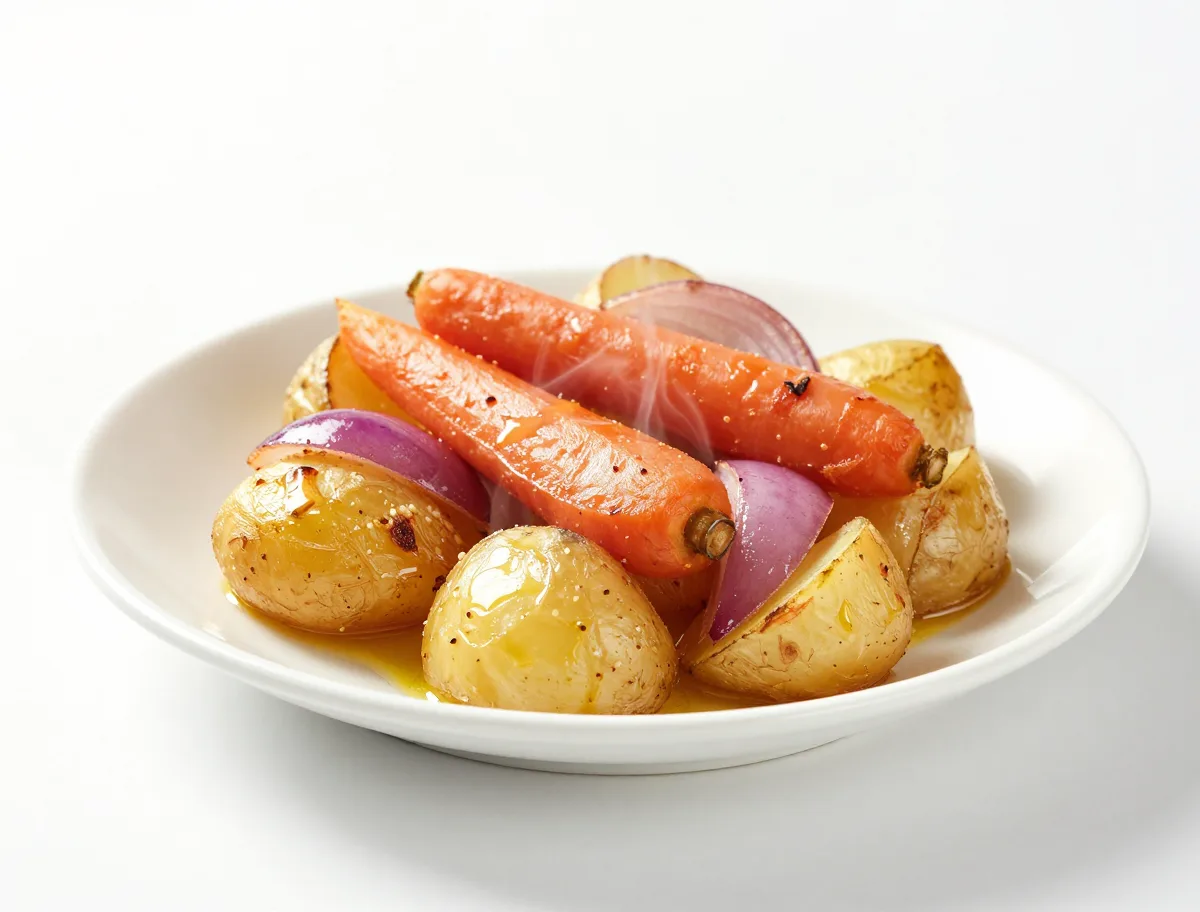
- Potatoes and carrots should yield easily to a fork, while broccoli should have tender stems and browned tips.
- Rest the chicken briefly before slicing so its juices are less likely to run immediately onto the board.
Doneness Cues
- The thickest part of every chicken breast reaches 165°F (74°C); check from the side and avoid touching the pan.
- The chicken is opaque and firm but still yielding, while the vegetables are fork-tender with browned edges.
- If the chicken reaches temperature before the vegetables are tender, remove it to rest and continue roasting the vegetables.
The Cooking Variables That Matter Most
Breast thickness controls the timing more than weight does because heat must travel to the center. Dense vegetables also release moisture as they cook, so spacing and a staged roast protect browning while keeping the chicken from waiting in the oven.
- Evenly thick breasts cook more predictably and have a smaller risk of a dry edge surrounding a raw center.
- A hot oven promotes browning, but it makes early thermometer checks especially important.
- Crowded food traps steam and can leave vegetables pale and watery.
- Carryover cooking may continue during the rest, but it should not be used as a substitute for verifying 165°F.
Common Baked Chicken and Vegetable Mistakes
Most problems come from mismatched sizes, excess moisture, or leaving the chicken in the oven while the vegetables finish. Small adjustments before and during roasting usually protect the texture of the whole meal.
- Dry chicken: Check earlier, pound thick breasts evenly, and remove cooked chicken while the vegetables continue roasting.
- Undercooked chicken: Continue baking until the thickest part reaches 165°F; do not judge by browning alone.
- Pale vegetables: Use a larger pan, dry the produce well, and keep pieces in one layer with space between them.
- Burnt garlic or bitter lemon: Use smashed garlic for the first roast and reserve minced garlic and most of the juice for the sauce.
- Weak sauce: Scrape up browned bits and adjust the finished broth-based sauce with lemon rather than adding unseasoned liquid indiscriminately.
Ingredient Swaps for Chicken Breast and Vegetables
The vegetable mix is flexible as long as replacement ingredients are cut according to their cooking speed. Quick vegetables can trade places fairly easily; dense vegetables need smaller pieces or the same advance roasting used here.
- Cauliflower, Brussels sprouts, green beans, bell peppers, or zucchini can replace the broccoli when cut into comparable pieces.
- Fresh thyme or oregano can replace the dried herbs; use roughly three times as much fresh herb and add delicate herbs near the end.
- Avocado or another neutral roasting oil can replace olive oil.
- Bone-in breasts require a longer, separate timing plan and should not be judged by the boneless-breast schedule.
- Chicken thighs are more forgiving but produce a different, richer result; roast them until they reach at least 165°F.
Simple Variations That Keep the Lemon Chicken Identity
The most successful variations change the herbs, vegetables, or finishing treatment without turning the dish into a different style of meal. Keep the chicken open-roasted and retain the lemon-garlic balance.
- Use rosemary and thyme in place of oregano for a more woodsy herb profile.
- Add a small handful of pitted olives with the broccoli for a Mediterranean direction, while keeping the pan uncrowded.
- Replace the potato-and-carrot combination with parsnips and small squash, giving the denser pieces a head start.
- For a richer finish, use the butter in the pan sauce; for a lighter finish, omit it and add a little more broth.
How to Serve Lemon Chicken and Roasted Vegetables
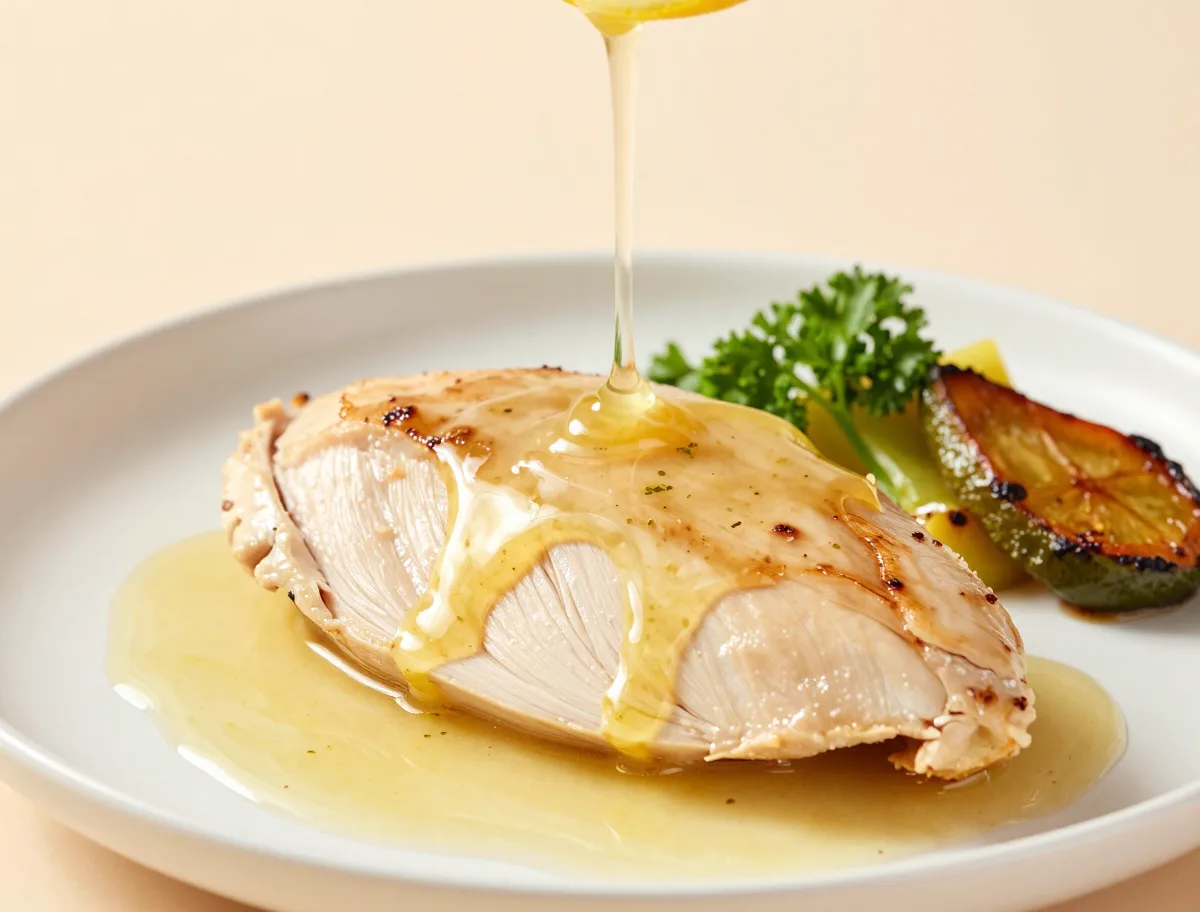
Serve the chicken shortly after its brief rest, with the lemon pan-juice sauce distributed over both the meat and vegetables. The sauce is light but concentrated enough to make a simple starch useful for catching every drop.
- Pair with rice, couscous, quinoa, or crusty bread.
- For a lighter plate, add a crisp green salad dressed with a mild vinaigrette.
- Finish with extra parsley or a small pinch of lemon zest if you want more aroma at the table.
- Slice the chicken just before serving rather than holding it in the hot pan.
How to Store, Freeze and Reheat This Chicken Dinner
For make-ahead cooking, season the chicken and cut the vegetables in advance, keeping everything refrigerated until roasting. Cooked leftovers are practical for several days, although the vegetables will soften slightly and lose some of their original roasted edges.
- Refrigerate cooked chicken and vegetables in shallow containers within 2 hours.
- Use refrigerated leftovers within 3 to 4 days.
- Freeze portions in airtight packaging for longer storage, understanding that thawed vegetables will be softer.
- Reheat covered with a splash of broth or water until the thickest piece reaches 165°F (74°C).
- Short, gentle reheating is preferable to prolonged high heat, which dries chicken breast.
Baked Lemon Chicken Breast FAQs
These answers cover the practical choices that most affect moisture, lemon flavor, browning, and safe cooking.
How do you keep baked chicken breasts from drying out?
Pound thick portions to an even thickness, pat them dry, season them appropriately, and start checking their temperature early. Remove the chicken as soon as the thickest part reaches 165°F (74°C), even if the vegetables need more time.
Should I brine the chicken first?
A short dry brine is optional rather than essential. Salt the chicken up to 4 hours ahead and refrigerate it uncovered; if the package says the chicken contains an added solution, use less additional salt.
Should I use lemon juice, lemon zest, or both?
Use both, but at different stages. Zest gives the roasting seasoning concentrated lemon aroma, while fresh juice is most effective in a restrained pre-roast drizzle and in the finishing sauce.
Should the pan be covered?
Leave it uncovered for roasted edges and better browning. Loosely shield the chicken with foil only if it is darkening rapidly before the center is cooked.
Can I broil the chicken at the end?
Yes, but only briefly and with close attention. Broiling can deepen color after the chicken is nearly done, but it can also burn garlic, lemon, or thin breast edges. Confirm the chicken reaches 165°F.
Can I use bone-in chicken breasts?
Yes, but they cook more slowly than the boneless breasts used here. Start the vegetables earlier, allow additional cooking time, and verify the thickest part reaches 165°F without touching the bone.
What sauce should I serve with the chicken?
A quick sauce made from the browned pan juices, chicken broth, butter, garlic, lemon juice, and parsley provides moisture without covering the roasted flavor. Any liquid that contacted raw chicken must be fully simmered before serving.
What sides pair naturally with lemon chicken?
Rice, couscous, quinoa, potatoes, crusty bread, beans, or a crisp green salad all work well. Choose a starch to absorb the pan juices or a fresh salad to contrast with the roasted vegetables.
Food Safety for Oven-Baked Chicken
Handle raw poultry separately from ready-to-eat foods, wash hands after contact, and use a clean plate for the cooked chicken. The definitive safety check is temperature, not color, firmness, or the appearance of the juices.
- Cook every chicken breast to a minimum internal temperature of 165°F (73.9°C).
- Measure in the thickest portion and avoid touching bone, the pan, or a thin edge.
- Keep raw chicken refrigerated during any seasoning or marinating period.
- Discard liquid that touched raw chicken unless it is brought to a full boil before use as sauce.
- Refrigerate leftovers within 2 hours, use them within 3 to 4 days, and reheat them to 165°F.
For authoritative poultry cooking and leftover-reheating guidance, see the USDA safe cooking temperature guidance.
- For more even cooking, pound thick breasts to about 3/4 inch rather than relying on weight alone.
- A package labeled with added solution may already contain salt; reduce the added salt if necessary.
- Keep the pan uncovered for browning. Cover only if the chicken is darkening too quickly, and shield it loosely with foil.
- For a dairy-free version, replace the butter with 1 teaspoon olive oil.
- For leftovers, refrigerate in shallow containers within 2 hours and use within 3 to 4 days. Reheat covered with a splash of broth until the chicken reaches 165°F (74°C).