Cajun Chicken Pasta Chili’s Recipe Copycat
Make a restaurant-style cajun chicken pasta chilis recipe at home with tender seasoned chicken, ridged penne, and a smooth Parmesan cream sauce topped with tomatoes and green onions.
What to Expect from This Chili’s Cajun Chicken Pasta Copycat
This homemade version captures the recognizable restaurant-style combination of Cajun-seasoned chicken, ridged penne, and a creamy Parmesan Alfredo-style sauce. It is rich, garlicky, savory, and moderately spicy, with fresh tomatoes and green onions adding brightness to the finished plate.
- Penne is the defining pasta shape because its ridges and hollow centers hold the sauce.
- The sauce should cling generously without becoming a stiff cheese paste.
- Garlic toast is an optional but fitting accompaniment for the restaurant-style presentation.
- This is an independently formulated copycat, not Chili’s proprietary recipe.
For context on the restaurant-style dish, see Chili’s Cajun Pasta menu description.
Why the Key Ingredients Matter
Each central ingredient has a specific job. Penne provides structure, chicken brings a lean grilled protein, and Cajun seasoning supplies the dish’s paprika, herb, garlic, pepper, and chile character. Heavy cream gives the sauce enough richness to reduce smoothly, while fresh Parmesan contributes salt, umami, and body.
- Freshly grated Parmesan melts more evenly than coarse pre-shredded cheese.
- Roma tomatoes are useful as a topping because they add acidity without releasing excessive liquid.
- Unsalted butter leaves more control over seasoning when the Cajun blend and Parmesan already contain salt.
- Green onions and parsley provide freshness and color without changing the sauce’s core identity.
Ingredients
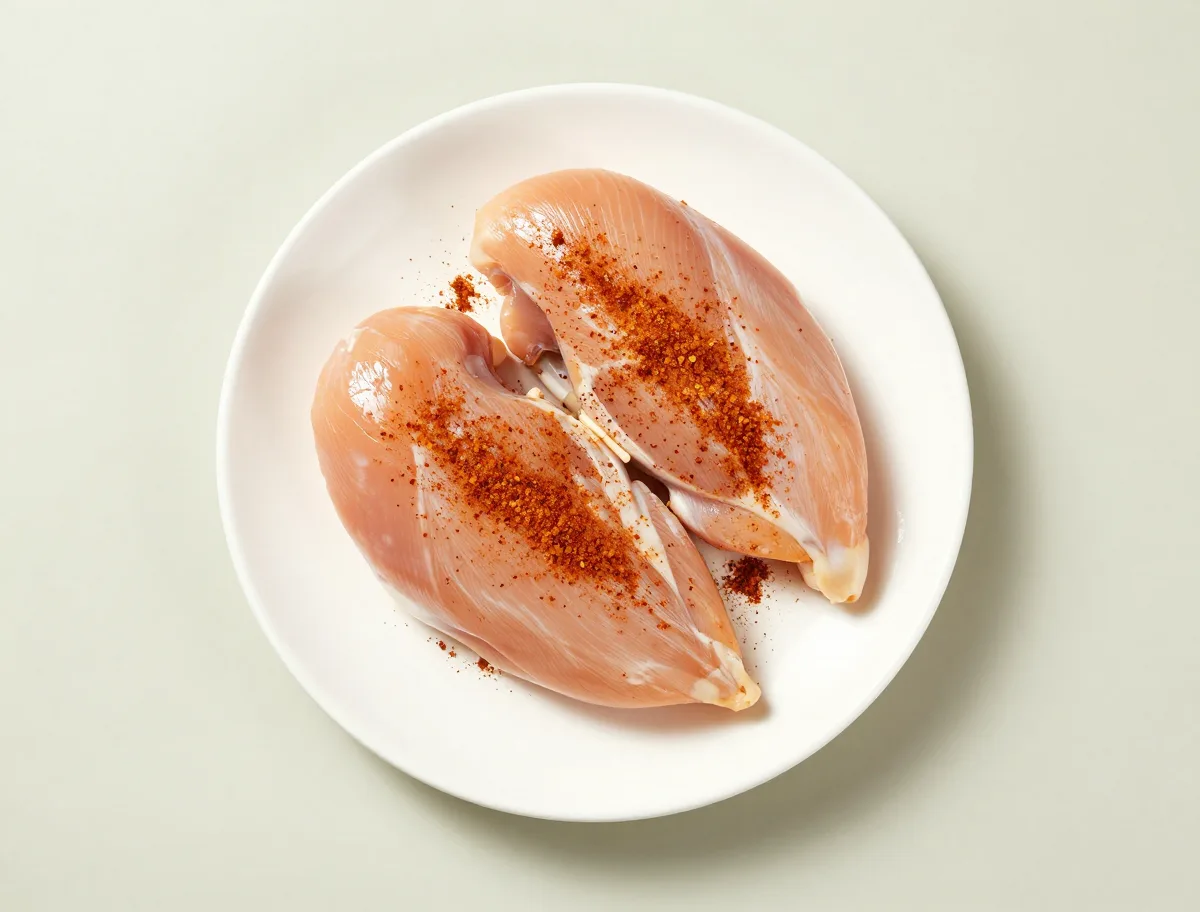
- 1 pound boneless, skinless chicken breasts, halved horizontally or pounded to an even 1/2-inch thickness
- 2 1/2 tablespoons Cajun seasoning, divided
- 1/4 teaspoon cayenne pepper, optional
- 1 tablespoon olive oil
- 12 ounces penne pasta
- 8 cups water, for cooking the pasta
- 1 tablespoon kosher salt, divided between the pasta water and sauce as needed
- 3 tablespoons unsalted butter
- 3 cloves garlic, finely minced
- 1 1/2 cups heavy cream
- 1 cup freshly grated Parmesan cheese, finely grated
- 1/4 teaspoon freshly ground black pepper
- 1 cup Roma tomatoes, seeded and diced, optional
- 3 green onions, thinly sliced, optional
- 2 tablespoons flat-leaf parsley, chopped, optional
- 4 slices Texas toast or thick garlic bread, warmed, for serving, optional
The Best Technique for Tender Chicken and Smooth Sauce
Even chicken thickness is more important than an exact cooking time. Flattening the breasts lets the surface brown before the center overcooks. Cook the pasta and chicken in parallel, then make the sauce while the chicken rests so everything reaches the table hot.
- Pat the chicken dry before seasoning to encourage browning rather than steaming.
- Reserve pasta water before draining; its starch helps the sauce spread and adhere.
- Reduce the cream gently, then remove the skillet from the heat before adding Parmesan.
- Slice the chicken across the grain after resting so the pieces stay juicy and tender.
Instructions
- Season and flatten the chicken: Pat the chicken dry. Combine 2 tablespoons of the Cajun seasoning with the cayenne pepper, if using, and coat both sides of the chicken. Set aside while the pasta water heats. 5 minutes.
- Boil the pasta: Bring the water and 2 teaspoons of the kosher salt to a boil in a large stockpot. Add the penne and cook according to the package directions until just al dente. Before draining, reserve 1 cup of the pasta water. Do not rinse the pasta. 10 minutes.
- Cook the Cajun chicken: While the pasta cooks, heat the olive oil in a large skillet over medium-high heat. Add the chicken and cook until deeply browned on the first side, 4 to 5 minutes. Turn and cook until the thickest part reaches 165°F (74°C), another 4 to 6 minutes depending on thickness. Transfer the chicken to a cutting board and rest for 5 minutes. 10 minutes.
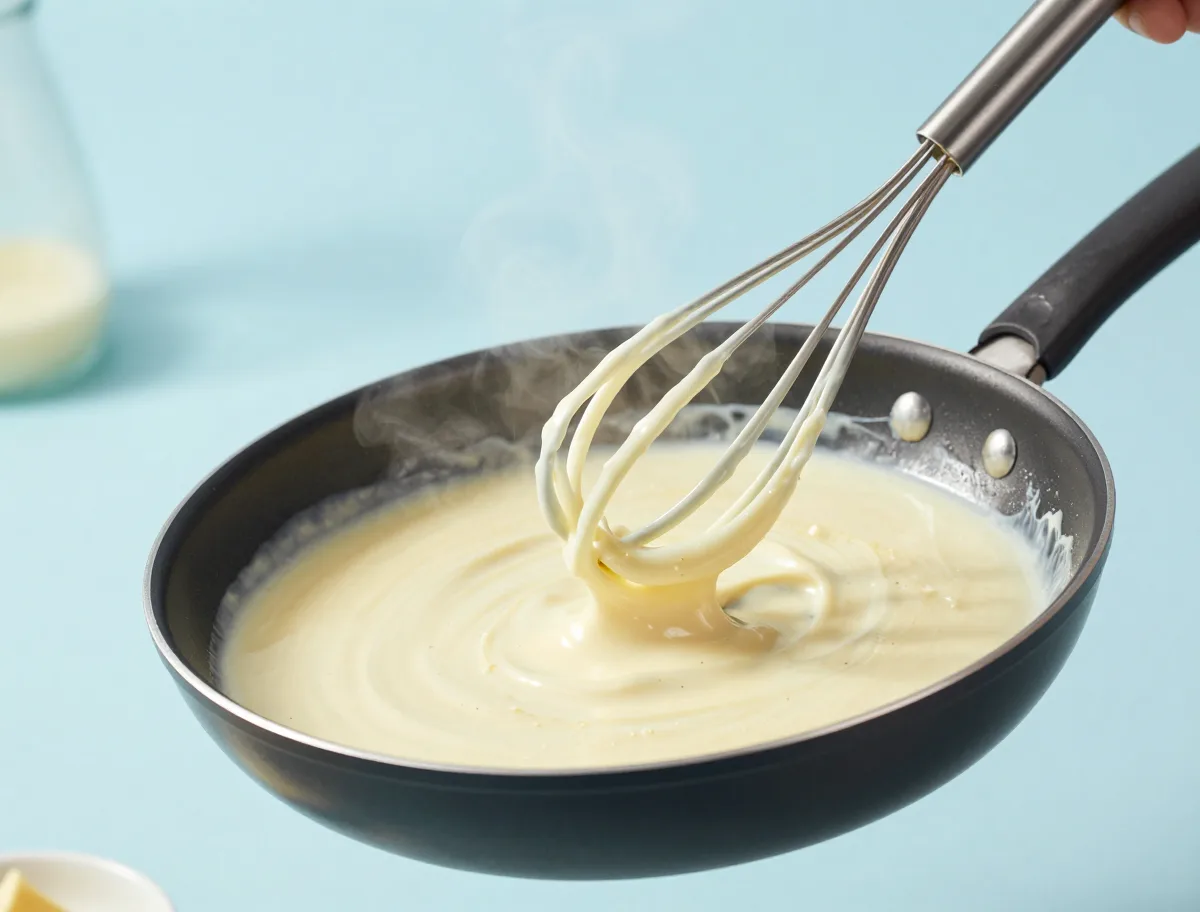
- Build the cream sauce: Wipe out any scorched seasoning from the skillet, then return it to medium-low heat. Melt the butter, add the garlic, and cook for 30 seconds, just until fragrant. Pour in the heavy cream and whisk in the remaining 1/2 tablespoon Cajun seasoning and the black pepper. Simmer gently for 3 to 4 minutes, stirring often; do not let the cream boil hard. 4 minutes.
- Melt in the Parmesan: Remove the skillet from the heat. Add the Parmesan a little at a time, whisking after each addition until smooth. The sauce should be glossy and thick enough to coat a spoon. 2 minutes.
- Toss the pasta: Add the drained penne to the sauce and toss over low heat. Add the reserved pasta water 1 tablespoon at a time until the sauce clings to the pasta but still flows easily. Taste and add the remaining kosher salt only if needed. 2 minutes.
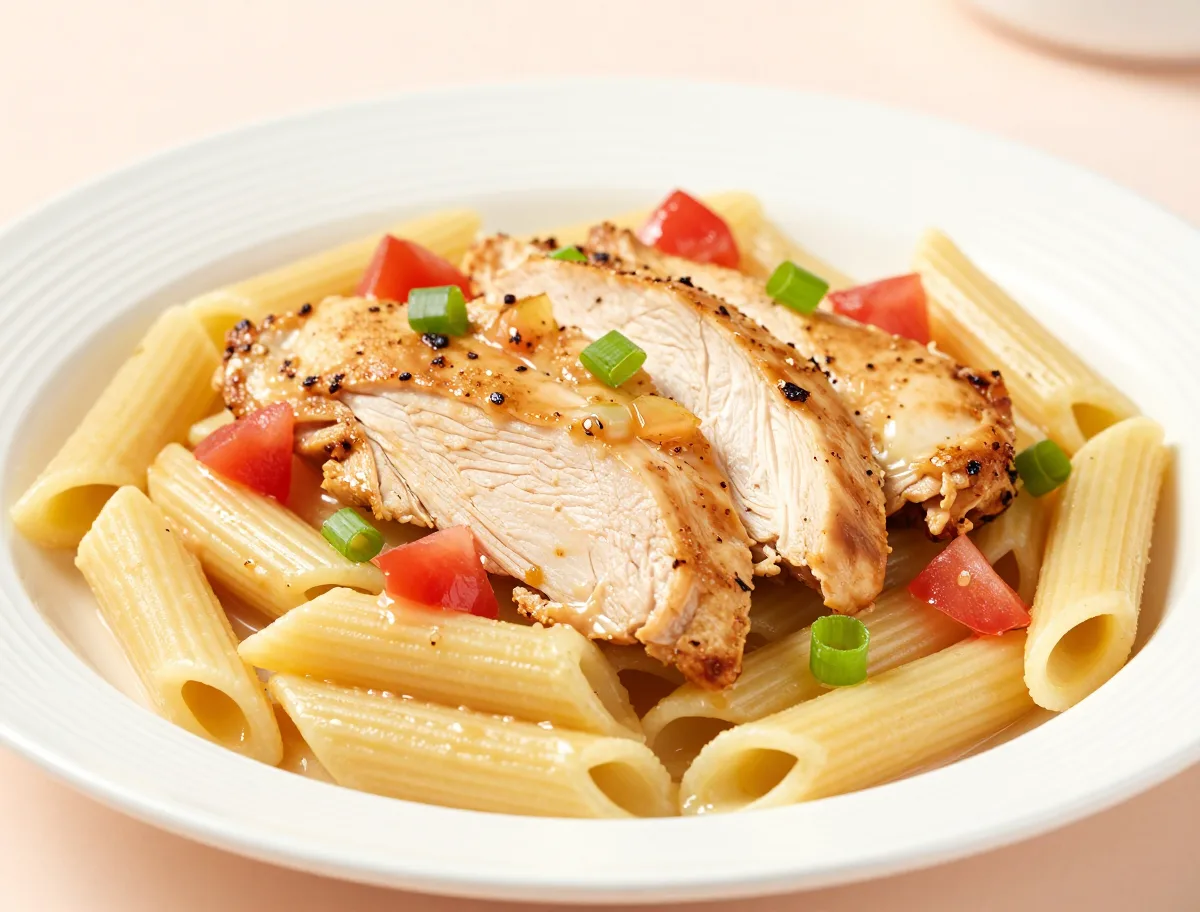
- Slice and serve: Slice the rested chicken across the grain. Divide the pasta among four bowls and arrange the chicken over each portion. Finish with the diced tomatoes, green onions, parsley, and additional Parmesan from the sauce if desired. Serve immediately with warmed Texas toast or garlic bread. 2 minutes.
How to Tell When the Pasta, Chicken, and Sauce Are Ready
Use a thermometer for the chicken and sensory cues for the pasta and sauce. The finished dish should look glossy and cohesive, with enough looseness to flow around the penne rather than sitting in a dense mound.
- Chicken is safely cooked at 165°F (74°C) in the thickest portion.
- Al dente penne has slight resistance at the center but is not chalky or hard.
- A properly finished sauce coats a spoon and the pasta, yet slowly runs when the pan is tilted.
- The garnish should retain its shape and color instead of becoming watery or wilted.
Doneness Cues
- The chicken is browned outside, opaque in the center, and measures 165°F (74°C) in its thickest part.
- The penne is tender but retains a slight bite and does not collapse when tossed.
- The sauce is smooth and glossy, coats the pasta continuously, and slowly flows when the skillet is tilted.
- The tomatoes and green onions remain distinct and fresh-looking rather than dissolving into the sauce.
The Cooking Decisions That Keep Cajun Cream Sauce Silky
Cream sauce is most reliable when heat is controlled. Gentle simmering concentrates the cream without scorching it, while low or off heat protects the Parmesan from clumping and releasing fat. Pasta water provides a useful bridge between the sauce’s fat and liquid components.
- High heat after adding cheese is the fastest route to a grainy or oily sauce.
- Add Parmesan gradually so each portion has time to melt into the cream.
- Use pasta water in small additions; too much at once can make the sauce watery.
- Make the sauce slightly looser than the desired serving texture because penne continues absorbing liquid.
Common Cajun Chicken Pasta Mistakes and Fixes
Most problems come from uneven chicken, excessive heat, or seasoning before the sauce has concentrated. Small corrections work best: adjust gradually rather than trying to rescue the dish with a large amount of cheese, salt, or cream.
- Dry chicken: Use evenly thick pieces, rely on the thermometer, and rest the meat before slicing.
- Scorched cream: Keep the heat moderate and stir frequently; if the bottom burns, transfer the unscorched sauce to a clean skillet without scraping.
- Grainy sauce: Remove it from the heat and whisk in a tablespoon of warm pasta water at a time. A severely broken sauce may not fully recover.
- Thin sauce: Simmer the cream briefly before the cheese is added, then let the pasta absorb some of the liquid.
- Thick sauce: Loosen it with warm pasta water or a small splash of cream while tossing.
- Too salty: Do not add more Cajun seasoning; increase the unsalted pasta or loosen with a small amount of unsalted liquid.
Smart Substitutions for Cajun Chicken Pasta
The heavy-cream formula is the most dependable route to the intended richness and stability, but several substitutions work when their texture differences are expected.
- Half-and-half can replace the heavy cream, but use gentler heat and expect a lighter, thinner sauce.
- Milk alone is not an equal swap; it generally needs a small roux or other thickener to achieve comparable body.
- Boneless skinless chicken thighs stay juicier and are more forgiving, though they produce a richer, less classic breast-style presentation.
- Gluten-free penne works directly, but cook it carefully because some brands soften quickly and produce less predictable pasta water.
- A dairy-free plant cream or prepared dairy-free Alfredo can be used, but flavor and heat stability will vary and the result will not be an exact replica.
Ways to Vary the Recipe Without Losing Its Identity
Keep the defining trio—Cajun-seasoned chicken, short pasta, and creamy Parmesan-style sauce—intact when adapting the dish. Changes to heat or protein can remain close to the original, while large amounts of vegetables or a non-creamy sauce create a different pasta altogether.
- Make it mild by omitting cayenne, or make it hotter with a separate pinch of cayenne or red pepper flakes.
- Use chicken thighs for a more succulent version or shrimp for a seafood variation; shrimp cooks much faster and should be prepared separately.
- Bell peppers, mushrooms, or onions are optional additions, not essential components of the streamlined copycat.
- A tomato-heavy or broth-based sauce moves the dish away from the creamy Cajun Alfredo style.
How to Serve Restaurant-Style Cajun Chicken Pasta
Toss and plate the pasta immediately, while the sauce is still fluid and glossy. Arrange the sliced chicken over the penne, then add the fresh toppings at the last moment so their color and texture contrast with the rich sauce.
- Finish with diced tomatoes, green onions or parsley, and a light Parmesan sprinkle.
- Serve with garlic toast or Texas toast to echo the restaurant presentation.
- A crisp green salad or simply dressed vegetables provide a better balance than another rich side.
- Warm bowls help the cream sauce stay fluid for longer.
How to Store, Freeze, and Reheat Cajun Chicken Pasta
For the best texture, keep the chicken, sauce, pasta, and fresh toppings separate until serving. If the dish is already assembled, it is still safe to save, but both the pasta and sauce will become firmer as they chill.
- Refrigerate leftovers within 2 hours, or within 1 hour when the temperature is above 90°F, using shallow airtight containers.
- Use refrigerated leftovers within 3 to 4 days.
- Reheat gently on the stovetop or at reduced microwave power with a splash of cream, milk, or water, stirring until the center reaches 165°F (74°C).
- Freezing is possible, but cream sauce may separate and pasta may soften. Freeze sauce and pasta separately when practical, and add fresh garnishes after reheating.
Cajun Chicken Pasta Copycat FAQs
These quick answers cover the most common decisions when making a creamy Cajun chicken pasta at home.
Is this intended to replicate Chili’s Cajun Chicken Pasta?
Yes. It is an independently formulated copycat built around the dish’s recognizable penne, Cajun-seasoned chicken, creamy Parmesan sauce, fresh garnishes, and optional garlic toast. It is not an official Chili’s formula.
What pasta shape most closely matches the restaurant version?
Penne is the closest match. Rigatoni or cavatappi are good alternatives because their ridges and hollows also hold the cream sauce.
How spicy is the finished pasta?
With a moderate Cajun seasoning blend and no cayenne, it should be savory with noticeable but manageable heat. Add cayenne separately for more spice so you do not add unnecessary salt.
Can the sauce be made with half-and-half?
Yes, but it will be lighter and less forgiving. Reduce it gently, avoid boiling, and use less pasta water at first because the sauce has less fat and body than one made with heavy cream.
When should Parmesan be added?
Add it after the cream has gently reduced and the skillet has been removed from the heat. Whisk it in gradually for the smoothest result.
How can I thicken or loosen the sauce?
For a thin sauce, simmer the cream a little longer before adding Parmesan and let the pasta absorb some sauce. For a thick sauce, whisk in warm reserved pasta water one tablespoon at a time.
Can the chicken and pasta be prepared at the same time?
Yes. Start the pasta water first, cook the chicken while the penne boils, and finish the sauce while the cooked chicken rests.
What toppings make the dish look most like the restaurant version?
Diced tomatoes, sliced green onions or parsley, and a little Parmesan provide the most useful finishing color and flavor. Garlic toast completes the restaurant-style plate.
Food-Safety Notes for Chicken and Cream Pasta
Handle the raw chicken as a separate ingredient from the cooked pasta and garnishes. Wash hands and sanitize the board, knife, and work surface after preparation, and use temperature rather than color alone to judge poultry.
- Cook every portion of chicken to 165°F (74°C) in the thickest part, measured away from the pan.
- Keep raw chicken, its packaging, and contaminated utensils away from ready-to-eat ingredients.
- Refrigerate the finished dish within 2 hours, or within 1 hour above 90°F.
- Reheat leftovers to 165°F (74°C), stirring or rotating during microwave heating to eliminate cold spots.
For authoritative poultry and leftover guidance, consult the USDA safe cooking temperature chart.