Carrabba’s Chicken Noodle Soup Recipe (Mama Mandola’s)
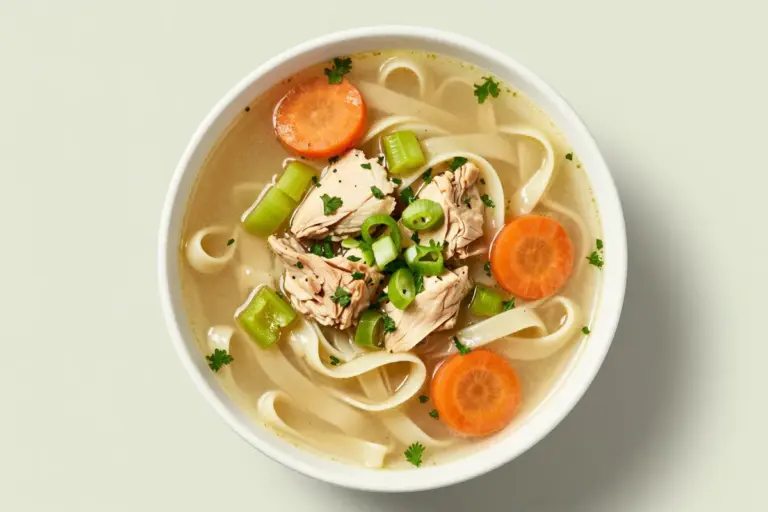
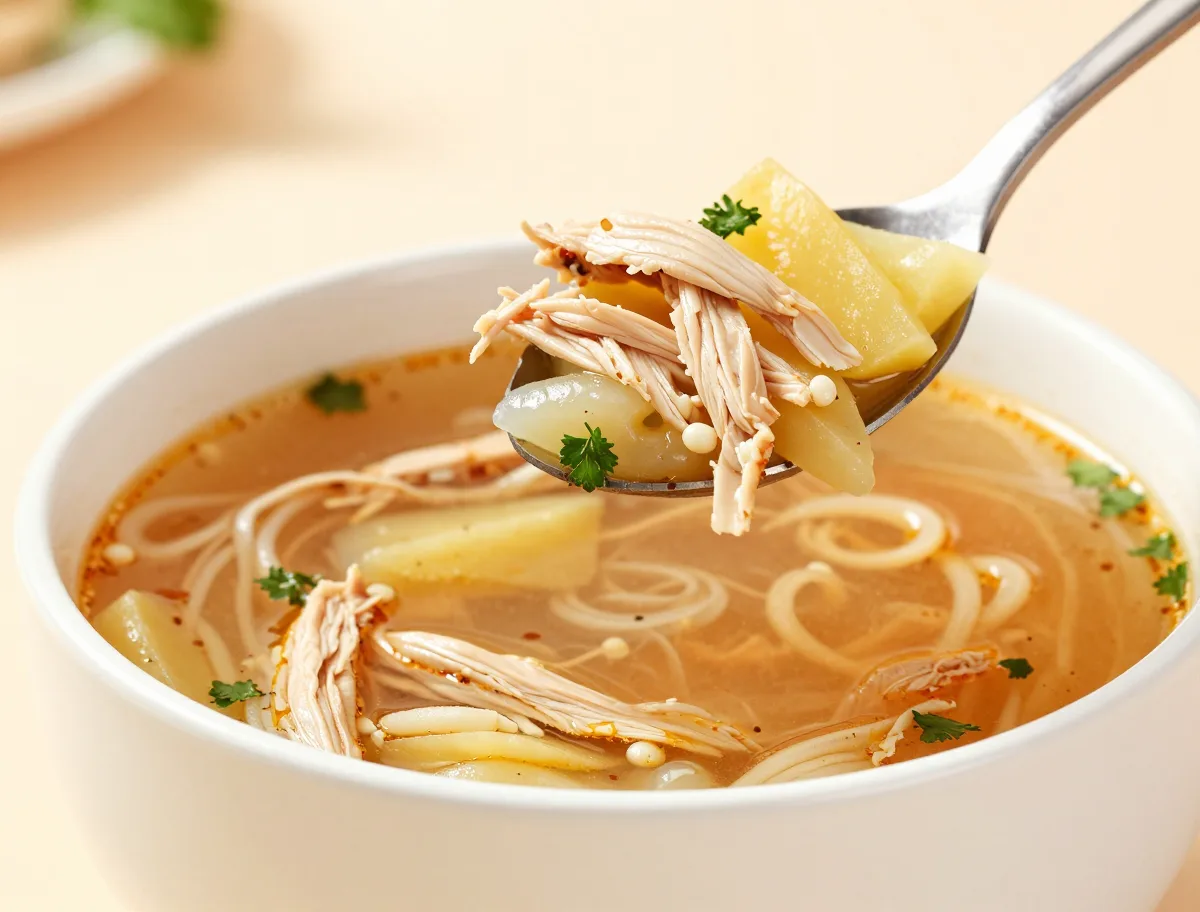
This Carrabba’s chicken noodle soup recipe is a hearty, tomato-tinged Sicilian-style bowl with tender shredded chicken, potatoes, bell pepper, vegetables, ditalini, and a pleasantly peppery broth.
What Makes This Carrabba’s Chicken Noodle Soup Different
This is a Carrabba’s-style interpretation of Mama Mandola’s Sicilian Chicken Soup, not a claimed reproduction of a proprietary formula. Unlike a clear, delicate chicken noodle soup, it has a hearty Italian-American profile: shredded chicken, potatoes, tomato, bell pepper, evenly diced vegetables, small pasta, and a noticeable peppery edge.
- The broth should stay savory and ladleable, with tomato adding color and acidity rather than dominating the soup.
- Small, evenly cut vegetables and spoon-sized pasta create the chunky restaurant-style texture.
- Black pepper supplies the signature bite; red pepper flakes are an adjustable source of chili heat.
The Ingredients That Define the Sicilian Chicken Soup
Each major component has a distinct job. Chicken provides the protein and freshly poached flavor; onion, celery, carrot, bell pepper, and garlic create the aromatic foundation. Potatoes make the soup substantial without cream, while tomatoes bring brightness and a reddish-gold color. Oregano, parsley, and pepper keep the flavor aligned with the restaurant-style Italian profile.
- Green bell pepper gives the broth a more savory, assertive character than a sweet red pepper.
- Low-sodium broth leaves room to account for the salt in canned tomatoes, chicken, and pasta water.
- Ditalini is especially effective because it fits on a spoon and distributes evenly among the vegetables and chicken.
Ingredients
- 2 tablespoons extra-virgin olive oil
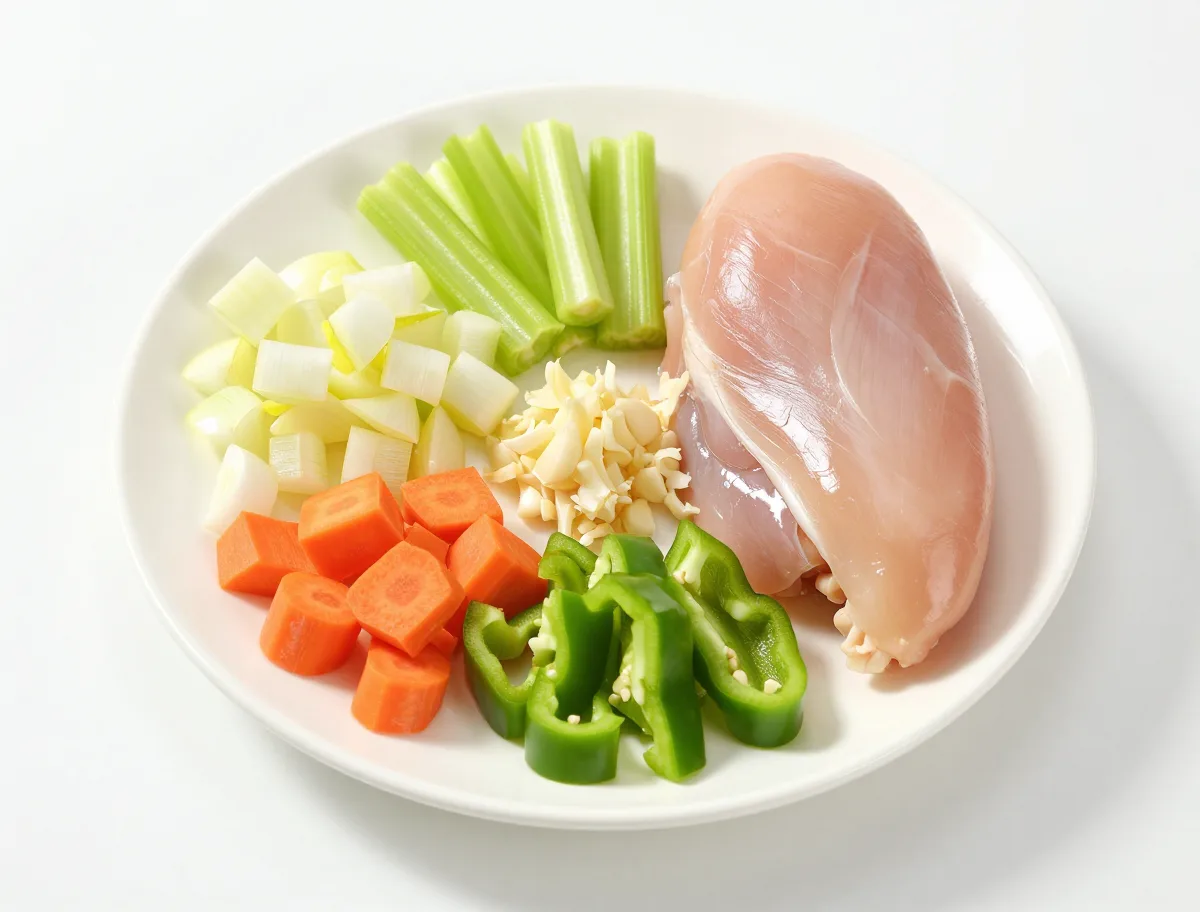
- 1 1/2 pounds boneless, skinless chicken breasts, trimmed
- 1 medium yellow onion, cut into 1/4-inch dice
- 2 medium stalks celery, cut into 1/4-inch dice
- 2 medium carrots, peeled and cut into 1/4-inch dice
- 1 small green bell pepper, seeded and cut into 1/4-inch dice
- 4 cloves garlic, minced
- 8 cups low-sodium chicken broth
- 2 cups water
- 1 can (14 1/2 ounces) diced tomatoes, with juices
- 1 1/2 cups russet potatoes, peeled and cut into 1/2-inch dice
- 1 teaspoon dried oregano
- 1 1/2 teaspoons freshly ground black pepper, divided
- 1/4 teaspoon red pepper flakes, optional
- 2 teaspoons kosher salt, plus more for the pasta water
- 6 ounces ditalini pasta
- 1/2 cup Italian parsley, finely chopped
How to Make Carrabba’s-Style Chicken Soup
The most important technique is sequence. First soften the vegetables in oil so their flavors develop before the liquid goes in. Then poach the chicken at a quiet simmer, remove it as soon as it is cooked, and shred it before returning it to the broth. Potatoes begin earlier than pasta because they need more time to become tender.
- Cut the vegetables into roughly 1/4-inch pieces and the potatoes into about 1/2-inch dice for even cooking.
- A gentle simmer should produce only occasional bubbles around the edge of the pot.
- For immediate service, pasta may be added to the finished soup; for planned leftovers, cook it separately as directed.
Instructions
- Build the vegetable base: Heat the olive oil in a large Dutch oven or soup pot over medium heat. Add the onion, celery, carrots, and bell pepper. Cook for 7 to 8 minutes, stirring occasionally, until the vegetables begin to soften but retain their shape. Add the garlic and cook for 30 seconds.
- Add the broth and chicken: Pour in the chicken broth and water. Stir in the diced tomatoes, potatoes, oregano, 1 teaspoon of the black pepper, the red pepper flakes if using, and 1 1/2 teaspoons of the kosher salt. Nestle in the chicken breasts and bring the liquid just to a simmer; do not let it boil vigorously.
- Poach the chicken gently: Partially cover the pot and maintain a gentle simmer for 16 to 22 minutes, turning the chicken once, until the thickest part reaches 165°F and the potatoes are nearly tender. Transfer the chicken to a plate and let it rest briefly. Continue simmering the soup if the potatoes need a few more minutes.
- Shred the chicken: When cool enough to handle, shred the chicken into bite-size strands with two forks. Return it to the pot and taste the broth. Stir in the remaining 1/2 teaspoon black pepper and adjust the salt as needed.
- Cook the ditalini separately: While the chicken cooks, bring a separate saucepan of generously salted water to a boil. Cook the ditalini according to the package directions until just tender, stopping about 1 minute before fully soft. Drain well. Keeping the pasta separate preserves the broth and gives the best texture for leftovers.
- Finish and serve: Ladle the hot soup into bowls and add a portion of ditalini to each bowl. Stir in the chopped parsley, reserving a little for the top. Serve immediately. If serving the entire pot at once, stir the drained pasta into the soup just before serving rather than letting it sit in the broth.
How to Tell When the Soup Is Done
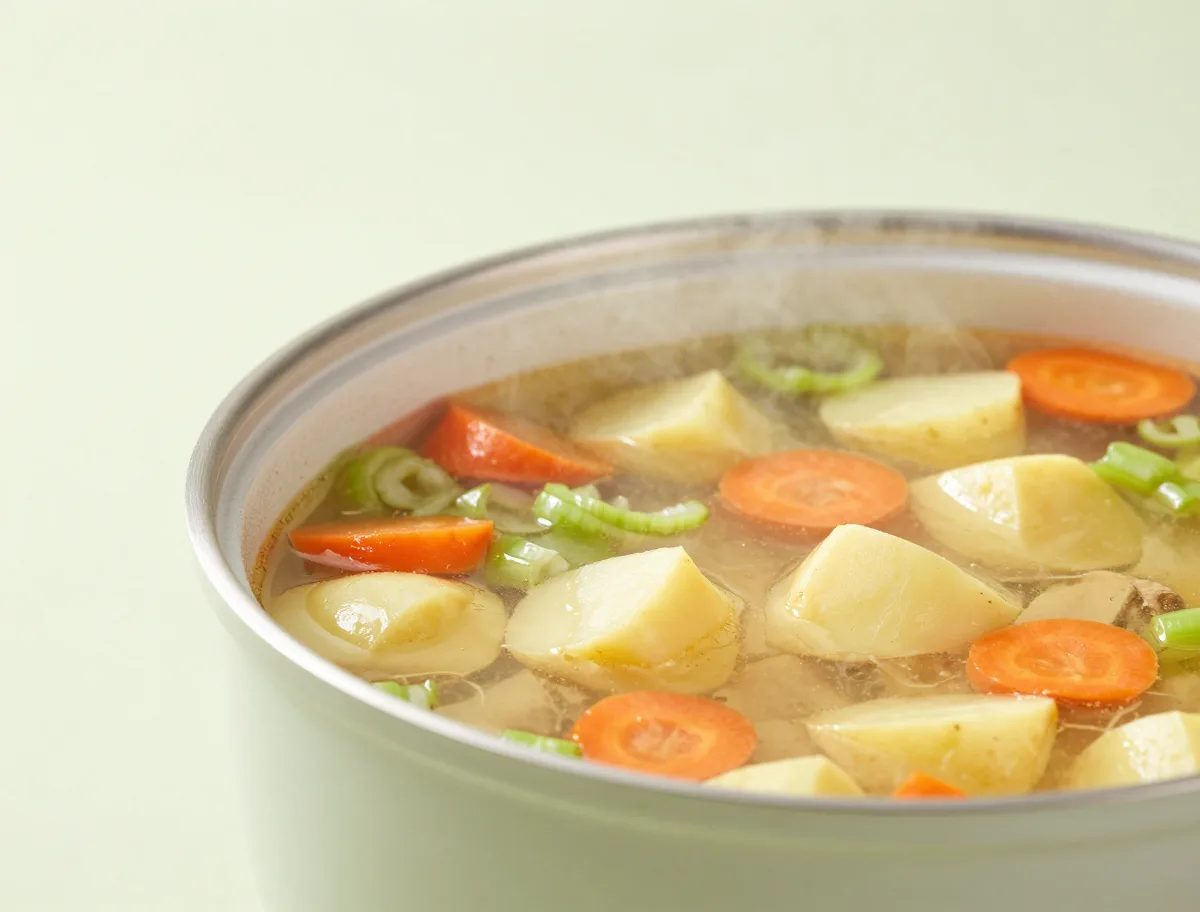
Use both temperature and texture rather than relying on the clock alone. Chicken is safe at 165°F, but it should also separate into moist strands. The vegetables should be soft enough to eat from a spoon while remaining recognizable, and the potatoes should hold their edges when lifted or stirred.
- A properly finished broth flows freely from a ladle and lightly surrounds the ingredients.
- Ditalini should be just tender, not swollen, split, or soft enough to collapse.
- Some cloudiness is normal in a rustic soup, especially if pasta is cooked directly in the broth.
Doneness Cues
- The chicken reaches 165°F in the thickest portion and pulls apart easily into moist strands.
- Potatoes yield readily to a fork but do not crumble when stirred.
- Carrots, celery, and bell pepper are tender while still visibly distinct.
- The broth remains pourable and reddish-gold rather than thick or stew-like.
- Ditalini is tender through the center with enough firmness to hold its shape.
The Pasta and Simmering Decisions That Matter
Pasta is more than a noodle addition: it absorbs liquid and releases starch as it cooks. That is why a soup that looks perfectly brothy at dinner can become thick and pasta-heavy after refrigeration. Separate cooking also lets you control the firmness of each serving and prevents the chicken from being reheated repeatedly.
- Keep the pot at a gentle simmer to limit evaporation and protect the chicken’s texture.
- Add a little unsalted broth or water if the soup concentrates while standing or reheating.
- Uniform vegetable pieces are essential because small aromatics can become mushy while oversized potatoes remain firm.
Common Chicken Soup Mistakes and How to Fix Them
Most problems with this soup come from heat, timing, or liquid absorption rather than complicated technique. The corrections are straightforward, but prevention is better—especially with pasta, which cannot regain its texture once it has broken down.
- Dry chicken: The pot was boiling hard or the chicken stayed in the soup after reaching 165°F. Remove it promptly and shred it off the heat.
- Mushy pasta: It was cooked too early or stored in the broth. Cook a fresh batch separately for the next serving.
- Firm potatoes: The dice were too large or pasta was added before the potatoes were nearly tender. Continue simmering the soup before adding noodles.
- Weak broth: Taste before serving and correct with salt, pepper, or a modest uncovered reduction.
- Overly thick soup: Add unsalted broth or water, then taste again because dilution lowers salt concentration.
Practical Ingredient Substitutions
The recognizable character comes from the combination of chicken, potatoes, tomato, bell pepper, aromatics, and pepper—not from one irreplaceable brand or cut. Substitutions work best when they preserve the small, spoon-friendly format and the broth-forward structure.
- Replace ditalini with tubetti, pastina, small elbows, or small shells; adjust cooking time to the package.
- Chicken thighs create a richer, more forgiving result. Cooked rotisserie chicken saves time but contributes less flavor to the broth, so add it near the end.
- Gluten-free pasta is suitable, but separate cooking is especially helpful because some varieties soften quickly and release extra starch.
- Fresh ripe tomatoes may be used in place of canned tomatoes, although canned tomatoes provide more consistent acidity and color.
- No dairy is needed for the soup’s structure or flavor, so it remains dairy-free without alteration.
Mild, Peppery, and Spicy Variations
Heat can be adjusted without changing the identity of the soup. The standard version is distinctly peppery but not intended to overwhelm the chicken and vegetables. Keep the tomato-broth base, potatoes, bell pepper, and small pasta in place so variations still resemble Mama Mandola’s soup.
- Mild: Omit the red pepper flakes and use less black pepper.
- Standard: Use the recipe’s full black pepper amount and the optional small measure of flakes.
- Hot: Increase the flakes gradually after tasting, while retaining black pepper for its aromatic bite.
- A creamy base, beans, or a puréed texture would move the dish away from this restaurant-style soup.
How to Store, Freeze, and Reheat the Soup
For the best quality, store the soup base and pasta separately. Cool the soup in small, shallow containers and refrigerate it within two hours of cooking; use refrigerated leftovers within three to four days when held at 40°F or below. Freeze the chicken-and-vegetable soup without pasta whenever possible.
- Refrigerate cooked pasta separately in a covered container and use it within the same general leftover window.
- Thaw frozen soup in the refrigerator when possible, or reheat it gently from frozen in a saucepan with stirring.
- Reheat only the portion needed and bring the soup and chicken to 165°F throughout.
- Add a splash of broth or water during reheating if the potatoes or pasta have reduced the free liquid.
Carrabba’s Chicken Noodle Soup Recipe FAQ
These answers address the choices most likely to affect the finished bowl, particularly the pasta, chicken, heat level, and expectations around the copycat formulation.
Is this the official Carrabba’s Mama Mandola’s Sicilian Chicken Soup recipe?
No. It is an independently developed Carrabba’s-style copycat interpretation based on the publicly recognizable profile of the restaurant soup. Carrabba’s does not publish its complete proprietary formula.
Does ditalini have to be used?
Ditalini is the preferred practical match because its short tubes fit neatly on a spoon. Tubetti, pastina, small elbows, and small shells are good substitutes.
Should the pasta cook in the soup or separately?
Either method works for immediate service. Cooking it separately gives clearer broth and better control, and it is strongly preferred when the soup will be refrigerated or frozen because pasta keeps absorbing liquid as it sits.
Can I use rotisserie chicken?
Yes. Simmer the broth and vegetables until the potatoes are tender, then add about 3 cups shredded rotisserie chicken during the final few minutes so it warms without drying out. Taste carefully before adding more salt.
How do I make the soup less spicy?
Omit the red pepper flakes and reduce the black pepper. The soup will retain its savory Italian character even without a strong chili burn.
Why is my leftover soup thicker the next day?
Ditalini continues absorbing broth and releasing starch after cooking. Reheat individual portions with a little unsalted broth or water and add freshly cooked pasta when possible.
What the Name Mama Mandola’s Sicilian Chicken Soup Tells Us
Carrabba’s menu materials identify the dish as Mama Mandola’s Sicilian Chicken Soup and describe it as spicy. Publicly available home versions vary in their chicken cuts, pasta or rice choices, tomato amounts, and pepper blends, so no single published copycat should be treated as the definitive formula. The official Carrabba’s menu listing for Mama Mandola’s Sicilian Chicken Soup confirms the restaurant dish name and menu identity.
- The recipe is best described as a restaurant-style Italian-American interpretation.
- Its recognizable identity comes from the combination of shredded chicken, vegetables, potatoes, tomato, pepper, and small pasta.
- The word Sicilian identifies the restaurant’s dish name; it does not establish one universally canonical regional recipe.
Food Safety for Chicken Soup
Use a thermometer for the chicken rather than relying only on cooking time, since thickness and simmering conditions vary. Raw poultry should be kept separate from cooked chicken, vegetables ready to eat, and garnishes; wash hands and utensils after handling it.
- Cook the chicken to 165°F in the thickest portion.
- Refrigerate or freeze the soup within two hours, or within one hour if the surrounding temperature is above 90°F.
- Divide hot soup into shallow containers so it cools more quickly; do not leave a full deep pot at room temperature.
- Keep refrigerated leftovers at 40°F or below and use them within three to four days.
- Reheat leftovers to 165°F throughout, stirring during microwave reheating to eliminate cold spots. For additional poultry and leftover safety details, follow USDA safe cooking temperature guidance.