Spicy Chicken Teriyaki Recipe with Sticky Sauce
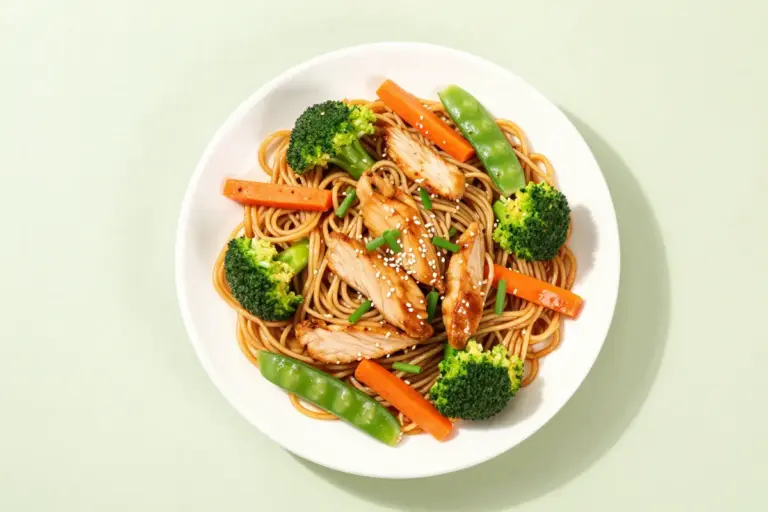
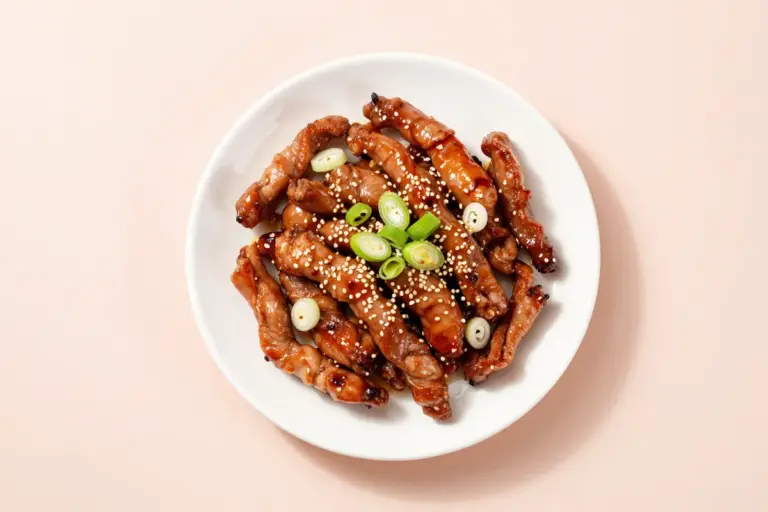
This spicy chicken teriyaki recipe pairs juicy browned chicken with a glossy, sweet-savory homemade sauce and adjustable chile heat. Serve it over steamed rice with broccoli for a quick skillet meal.
What to Expect from This Spicy Chicken Teriyaki
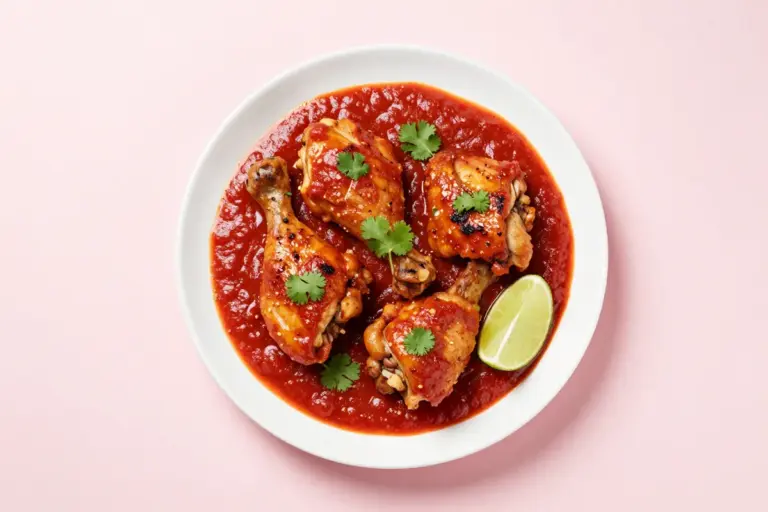
This is a Japanese-inspired skillet adaptation built around the defining teriyaki qualities: browned chicken, a shiny soy-based glaze, and a balanced sweet-savory flavor. The chile heat is noticeable but adjustable, with enough sauce to season rice without turning the bowl watery.
- The finished glaze should cling to the chicken in a smooth, translucent layer.
- Browned edges add depth, while rice and a simply cooked vegetable keep the concentrated sauce balanced.
- The recipe uses a modern chicken-and-chile format rather than claiming to be a strictly traditional Japanese preparation.
How the Homemade Spicy Teriyaki Sauce Works
Soy sauce supplies salt, fermented umami, and color; mirin and brown sugar provide sweetness and help the glaze turn glossy. Water keeps the mixture from becoming too intense before reduction, while ginger and garlic add fresh aromatic lift. Sriracha contributes heat along with garlic, acidity, and a little sweetness.
- Low-sodium soy sauce leaves room for the sauce to reduce without becoming aggressively salty.
- Sesame oil is used sparingly at the start so it perfumes the sauce without overwhelming the soy and ginger.
- Cornstarch is optional: reduction builds flavor, while a small slurry provides faster, more predictable cling.
Ingredients
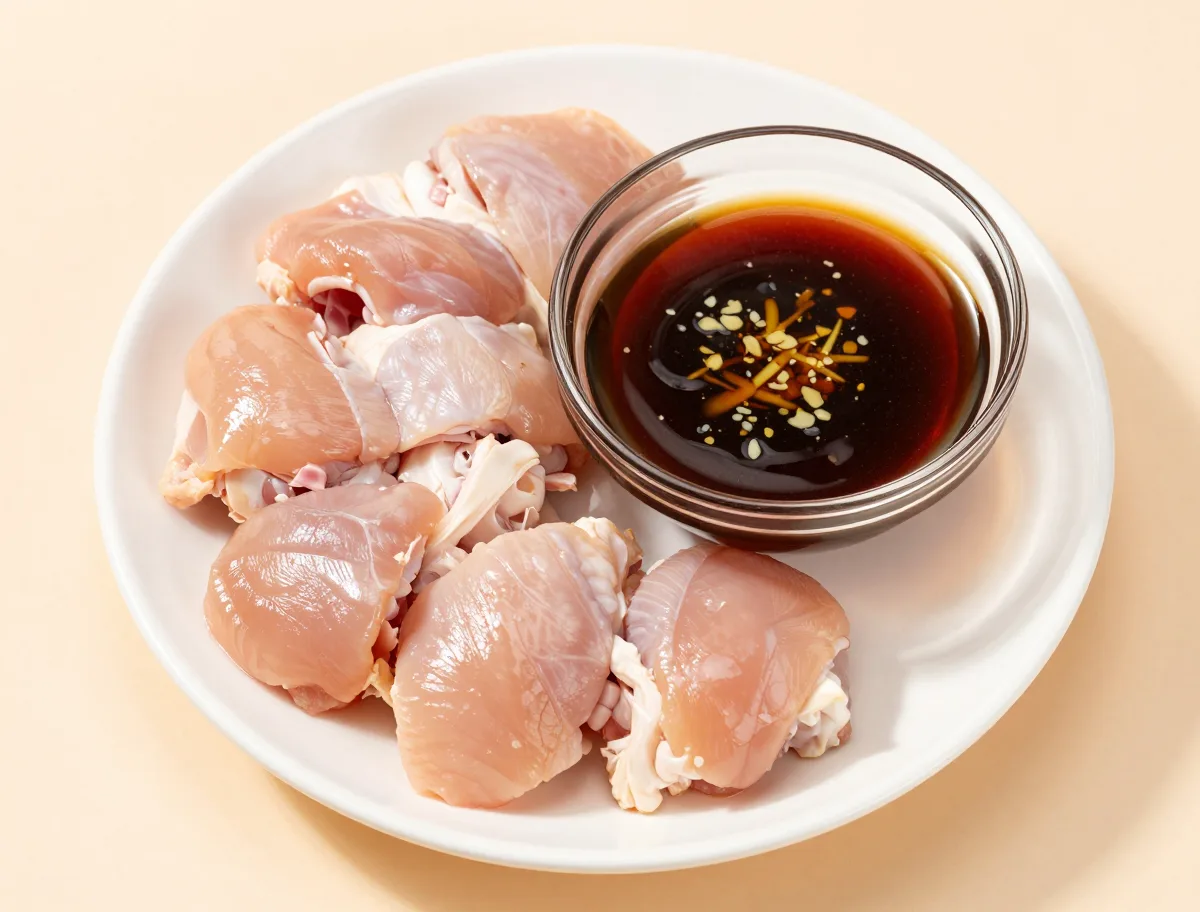
- 1 1/2 pounds boneless, skinless chicken thighs, cut into 1 1/2-inch pieces and patted dry
- 1 tablespoon neutral cooking oil
- 1/3 cup low-sodium soy sauce
- 1/4 cup mirin
- 1/4 cup water
- 2 tablespoons packed light brown sugar
- 2 tablespoons sriracha
- 2 cloves garlic, finely grated or minced
- 1 tablespoon fresh ginger, finely grated
- 1 teaspoon toasted sesame oil
- 1 teaspoon cornstarch (optional)
- 1 tablespoon cold water, for the cornstarch slurry (optional)
- 4 cups cooked short- or medium-grain rice, kept warm
- 4 cups broccoli florets, steamed or blanched until crisp-tender
- 2 scallions, thinly sliced
- 1 tablespoon sesame seeds, toasted if desired
The Best Skillet Method for Browned, Sticky Chicken
Cutting the thighs into similar-sized pieces is more important than chasing an exact cooking time. Patting them dry and leaving space between pieces gives the pan a chance to brown the surface rather than steam it. Add the sweet sauce only after searing, then lower the heat so the glaze can reduce without burning.
- Use a single layer and cook in batches whenever the chicken cannot fit comfortably without touching.
- Do not turn the chicken repeatedly during the first few minutes; an undisturbed surface browns more effectively.
- No marinade is necessary for this quick version. If you do marinate chicken, keep it refrigerated and discard the liquid or boil it thoroughly before using it as sauce.
- Add the slurry gradually and only while the sauce is simmering; this prevents lumps and a heavy, paste-like coating.
Instructions
- Mix the sauce: In a bowl, whisk together the soy sauce, mirin, water, brown sugar, sriracha, garlic, ginger, and sesame oil. Taste a drop before cooking; it should be boldly seasoned but not harshly salty. Set aside.
- Heat the skillet: Place a large 12-inch skillet or wok over medium-high heat. Add the cooking oil and heat until it shimmers. Arrange the chicken in a single layer; work in two batches if the pieces are crowded.
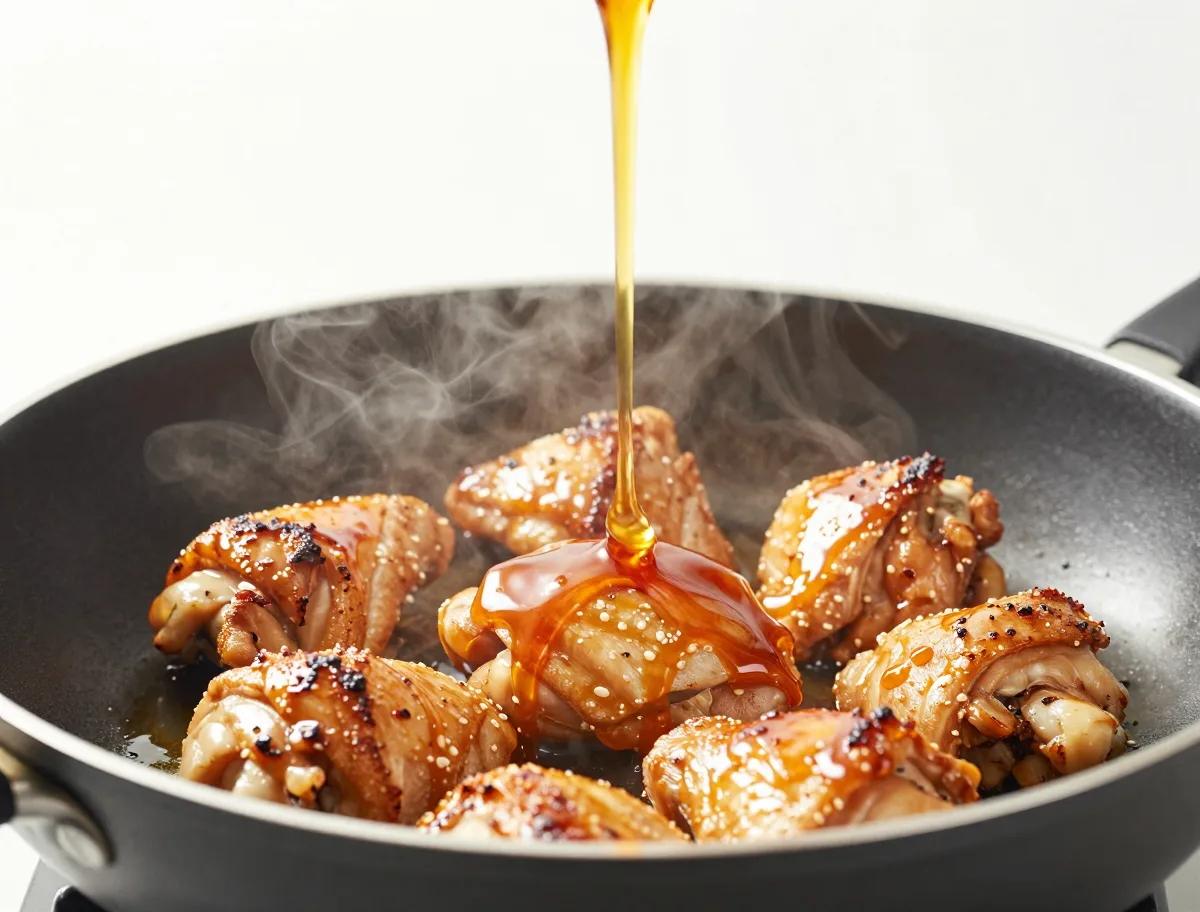
- Brown the chicken: Cook the chicken without moving it for 3 to 4 minutes, until the underside is well browned. Turn and cook for 2 to 3 minutes more. The chicken does not need to be fully cooked yet, but it should have browned edges. Remove excess chicken to a plate if working in batches, then return all of it to the skillet.
- Add and reduce the teriyaki sauce: Pour the sauce into the skillet and immediately reduce the heat to medium-low. Simmer uncovered, turning the chicken occasionally, until the sauce is glossy and the chicken is cooked through, 5 to 7 minutes. If the sauce is still thin when the chicken reaches temperature, transfer the chicken briefly to a plate and simmer the sauce for 1 to 2 minutes longer.
- Thicken if needed: For a thicker, more takeout-style coating, stir the cornstarch with the cold water in a small cup. Stir half of the slurry into the simmering sauce and cook for about 30 seconds. Add the rest only if needed. Return the chicken to the pan and toss until evenly glazed. Remove from the heat while the sauce is slightly looser than the final texture.
- Check doneness and serve: Check the thickest chicken piece with an instant-read thermometer; every piece must reach at least 165°F (74°C). Spoon the chicken and glaze over warm rice with the broccoli. Finish with scallions and sesame seeds, and serve immediately.
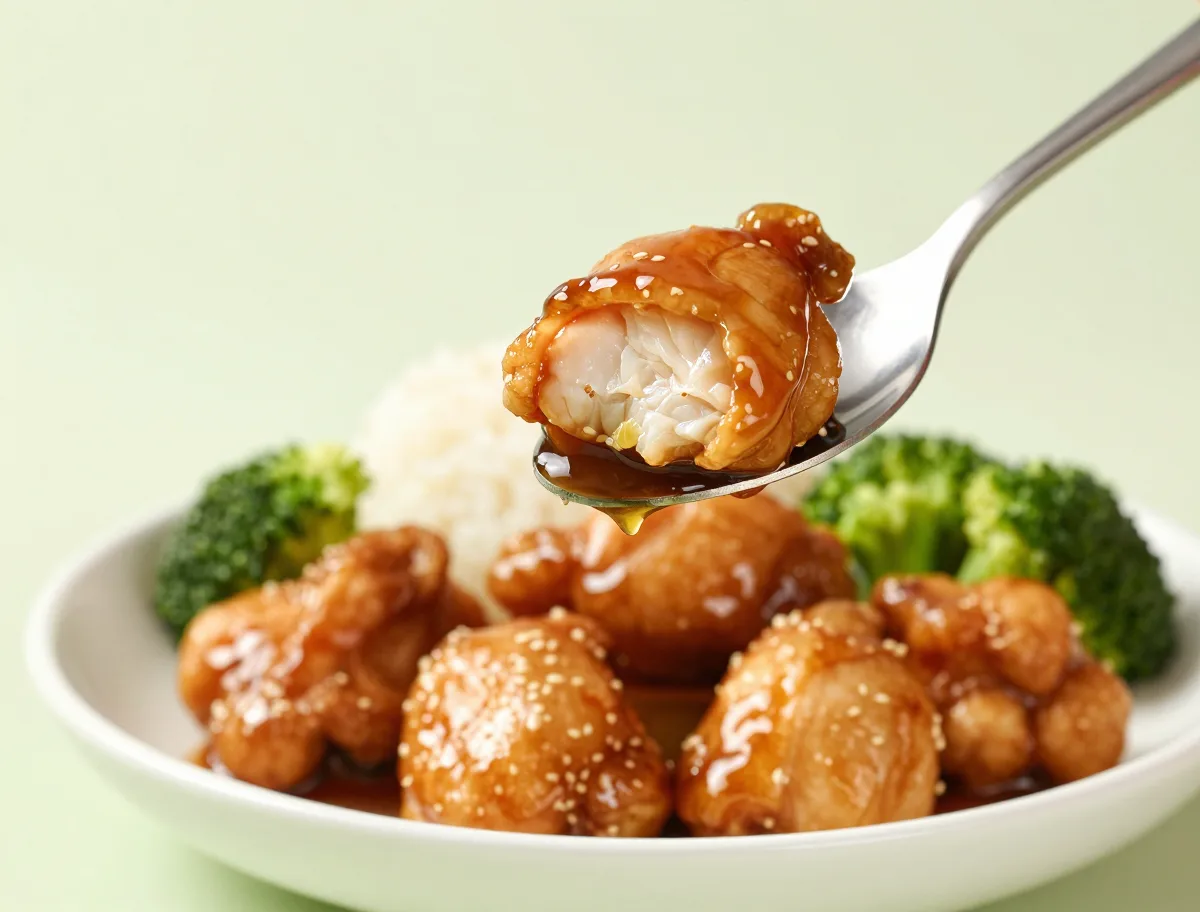
How to Tell When the Chicken and Glaze Are Ready
A thermometer is the dependable test because the dark sauce can disguise the chicken’s color. Look for an opaque center and browned edges, but verify the thickest piece rather than relying on firmness or the clock.
- All poultry must reach 165°F (74°C) in the thickest part.
- Thighs often become more tender around 170 to 180°F (77 to 82°C), while breast meat is best not held well beyond its safe endpoint.
- Stop reducing when the sauce is glossy and just loose enough to flow; it thickens further as it cools.
- A successful glaze coats the chicken evenly without forming a gummy shell.
- The chicken has browned edges and an opaque, juicy interior.
- The thickest piece reaches at least 165°F (74°C); thighs may be cooked somewhat higher for tenderness, but breast meat should be removed promptly at the safe endpoint.
- The sauce looks shiny and coats the chicken in a thin layer rather than pooling like a marinade.
- The glaze should fall slowly from a spoon and remain fluid enough to spread over rice.
Why Pan Temperature and Reduction Matter
Browning depends on a hot, relatively dry surface; crowding releases moisture and lowers the pan temperature. Once soy sauce and sugar enter the skillet, the priority changes from browning to controlled evaporation. Reduction concentrates not only sweetness and umami but also salt and chile heat, so the sauce needs attention near the end.
- A wide skillet reduces liquid more efficiently than a deep, crowded pan.
- Sugar-rich sauce can scorch quickly after it begins to look thick and shiny, so use medium-low heat and keep it moving.
- Cornstarch thickens through heat-activated gelatinization. Mixing it with cold water first disperses the starch and prevents clumps.
- Avoid relying on both prolonged reduction and a large amount of slurry; together they can produce an overly thick sauce.
Common Spicy Teriyaki Chicken Problems and Fixes
Most problems come from too much moisture, excessive heat, or reducing the sauce past its useful point. Make small corrections rather than adding large amounts of soy sauce, sugar, or chile after the sauce has concentrated.
- Pale chicken: The meat was wet, the pan was crowded, or it was turned too soon. Pat it dry, preheat thoroughly, and sear in batches.
- Too-salty sauce: Dilute with a little water and serve with more plain rice or vegetables. Do not try to fix it with more sugar alone.
- Burnt or bitter glaze: Stop scraping dark solids into the sauce. Move the chicken to a clean pan and make a fresh, smaller batch if necessary.
- Thin sauce: Simmer uncovered briefly, or add a little more slurry. Thick sauce: Loosen it with water and warm gently.
- Gummy sauce: Too much starch or prolonged boiling is usually responsible. Add water a teaspoon at a time and remove the pan from heat.
Chicken, Soy Sauce, Sweetener, and Chile Substitutions
Thighs are the most forgiving cut, but breast works when it is evenly sized and monitored closely. Soy sauce and tamari can usually substitute for one another as a starting point, though brands differ in salt and richness. Coconut aminos are soy-free and gluten-free but typically sweeter and less savory, so the finished sauce will need tasting and adjustment.
- Use certified gluten-free soy sauce or tamari when gluten avoidance is essential; the word tamari alone is not a guarantee.
- Coconut aminos may need less brown sugar and a little additional savory seasoning, adjusted cautiously after tasting.
- Honey or maple syrup can replace some or all of the brown sugar, but each changes the flavor and may darken more quickly.
- Red pepper flakes give speckled, direct heat; cayenne gives clean heat; gochujang adds fermented depth and body; fresh chile gives brighter heat. These are not equal-volume swaps.
- For a leaner result, use breast pieces no thicker than about 1 inch and check them early.
Mild, Medium, and Hot Variations
The recipe remains recognizably teriyaki as long as the soy-sweet base stays central and the chile supports rather than replaces it. Adjust the heat in the sauce before reduction, since simmering intensifies the overall flavor.
- Mild: Use 1 tablespoon sriracha.
- Medium: Use the 2 tablespoons called for in the recipe.
- Hot: Use 3 tablespoons sriracha, or add a pinch of cayenne or a thinly sliced fresh hot chile.
- Add broccoli, snap peas, green beans, cabbage, or bell pepper as simple pairings; cook watery vegetables separately to protect the glaze.
- Gochujang, pineapple, citrus, or coconut milk can be delicious, but they move the dish toward a Korean-inspired, Hawaiian-style, or broader fusion variation.
How to Serve a Spicy Chicken Teriyaki Bowl
Warm short- or medium-grain rice is the simplest partner because it absorbs the concentrated glaze and softens the chile heat. Add one plainly cooked vegetable for contrast, then use fresh garnishes for texture and brightness.
- Spoon the chicken over rice with just enough extra sauce to flavor the grains without making the bowl soupy.
- Broccoli, bok choy, snap peas, green beans, or cabbage all work well when lightly cooked.
- Scallions and sesame seeds add freshness and crunch; thinly sliced fresh chile is an optional heat-forward garnish.
- Serve promptly, while the glaze is still fluid and glossy.
How to Store, Freeze, and Reheat Spicy Teriyaki Chicken
For the best texture, cook the chicken just until done and store rice separately when possible. Chilled sauce will tighten and may lose some of its original shine, but a small splash of water during gentle reheating restores a spoonable consistency.
- Refrigerate the chicken within 2 hours in a shallow, covered container; use within 3 to 4 days.
- Freeze airtight portions for best quality within about 2 to 4 months. Freeze rice separately when practical.
- Reheat only the amount needed, covered in the microwave or over low heat in a skillet, with a splash of water if the glaze is thick.
- Reheat leftovers to 165°F (74°C) throughout. Avoid repeatedly warming the entire batch.
- Freezing is safe when handled properly, but the chicken may be softer and the sauce less glossy after thawing.
A Note on Japanese Teriyaki Tradition
Teriyaki is best understood as a Japanese cooking technique and flavor structure: food is cooked with a glossy sauce built commonly from soy sauce, mirin, sake, and sugar. The term refers to the shine and the cooking method. Traditional examples are strongly associated with grilled or broiled foods, especially fish, while chicken bowls with garlic, bottled chile sauce, and thickened skillet glazes are modern adaptations popular in home and restaurant cooking outside Japan.
- This recipe keeps the soy, sweet rice-wine, and glossy glaze foundation while adapting it for a quick skillet meal.
- Calling it Japanese-inspired spicy chicken teriyaki is more precise than presenting this chile-forward bowl as a single canonical traditional form.
- Regional restaurant styles vary considerably in sweetness, thickness, and choice of protein.
For additional cultural context, the Kikkoman Teriyaki Sauce Museum describes teriyaki as a Japanese glossy glazing and grilling technique.
Food Safety for Chicken Teriyaki
Treat raw chicken and anything it touches as a contamination risk. Keep the chicken refrigerated until cooking, wash hands and tools after handling it, and keep cooked rice, vegetables, garnishes, and finished sauce away from raw-poultry surfaces.
- Cook every piece of chicken to a minimum internal temperature of 165°F (74°C), measured in the thickest section with a thermometer.
- A sauce or marinade that has touched raw chicken must be discarded or brought to a full boil before it is used as a finishing sauce. This recipe avoids that issue by mixing a clean sauce separately.
- Refrigerate leftovers within 2 hours, or within 1 hour when the surrounding temperature is above 90°F (32°C).
- Reheat refrigerated or frozen leftovers to 165°F (74°C) before serving.
See the USDA safe cooking temperature guidance for poultry and reheating recommendations.