Carrot Cake Trifle Recipes With Cream Cheese Filling
This carrot cake trifle recipe layers tender, warmly spiced carrot cake with a tangy cream cheese whipped filling and toasted pecans for an attractive make-ahead dessert.
What Makes a Great Carrot Cake Trifle
A successful carrot cake trifle should taste unmistakably like carrot cake: tender oil-based cake, warm spices, sweet carrots, tangy cream cheese, and a little toasted pecan flavor. The layers should be distinct when viewed through the bowl but soft enough to eat together in one spoonful.
- Use bite-size cake cubes rather than fine crumbs so the dessert keeps its layered character.
- The filling should spread easily and hold a soft mound; it should not flow like a sauce.
- Chilling allows the filling to firm and the cake to become pleasantly tender without turning wet.
Why These Ingredients Work
The oil-based cake is especially well suited to a chilled dessert because it stays tender in the refrigerator. Carrots add moisture and sweetness, while cinnamon, ginger, and nutmeg provide the familiar spice profile. Cream cheese supplies tang and structure; heavy cream lightens it into a spoonable filling rather than a dense frosting.
- Full-fat cream cheese gives the filling better body and a clearer cheesecake-like flavor than reduced-fat varieties.
- Confectioners’ sugar sweetens the filling while helping it remain smooth.
- Pecans add roasted contrast, but they should be toasted or kept dry so they do not become soft in the filling.
- Caramel and coconut are accents, not structural ingredients, so use them lightly.
Ingredients
- 2 cups all-purpose flour
- 1 teaspoon baking powder
- 1 teaspoon baking soda
- 3/4 teaspoon fine salt
- 2 teaspoons ground cinnamon
- 1 teaspoon ground ginger
- 1/4 teaspoon ground nutmeg
- 3 large eggs, at room temperature
- 1 1/4 cups packed light brown sugar
- 3/4 cup neutral oil, such as canola or grapeseed
- 2 teaspoons vanilla extract, divided
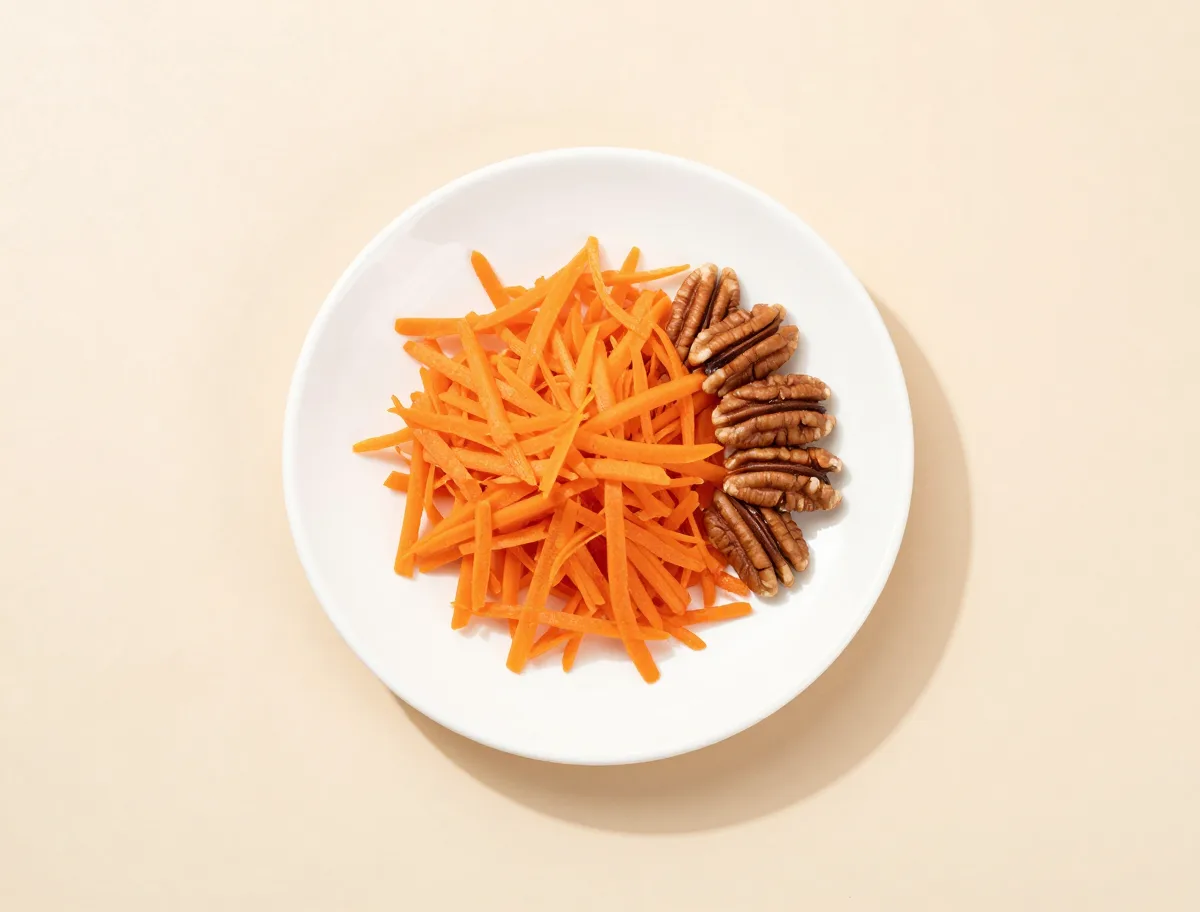
- 2 1/2 cups finely grated carrots, loosely packed
- 1 cup pecans, coarsely chopped and divided
- 16 ounces full-fat cream cheese, softened
- 1 cup confectioners’ sugar, sifted
- 1 1/2 cups cold heavy cream
- 1/2 cup caramel sauce, for drizzling (optional)
- 1/4 cup sweetened shredded coconut, for garnish (optional)
How to Assemble the Carrot Cake Trifle
Bake the cake in a shallow pan so it cooks evenly and cools quickly. The most important pause in the method is complete cooling: even slightly warm cake can loosen the cream cheese filling. When assembling, spread each filling layer to the glass so the stripes remain visible from the outside.
- Stir the batter only until combined; overmixing can make the cake dense.
- Cut the cooled cake into roughly 3/4-inch cubes for easy scooping and even portions.
- Beat the cream cheese smooth before adding the cream. This prevents small lumps from becoming trapped in the finished layers.
- Use the sequence cake, pecans, filling, then repeat. Finish with filling so the garnish sits on a clean, creamy surface.
Instructions
- Prepare the pan and dry ingredients: Heat the oven to 350°F (175°C). Lightly grease a 9-by-13-inch baking pan and line the bottom with parchment. Whisk the flour, baking powder, baking soda, salt, cinnamon, ginger, and nutmeg in a medium bowl.
- Make the carrot cake batter: In a large bowl, whisk the eggs and brown sugar until smooth. Whisk in the oil and 1 teaspoon of the vanilla. Add the dry ingredients and stir just until no dry flour remains. Fold in the grated carrots and 1/2 cup of the pecans. Do not overmix.
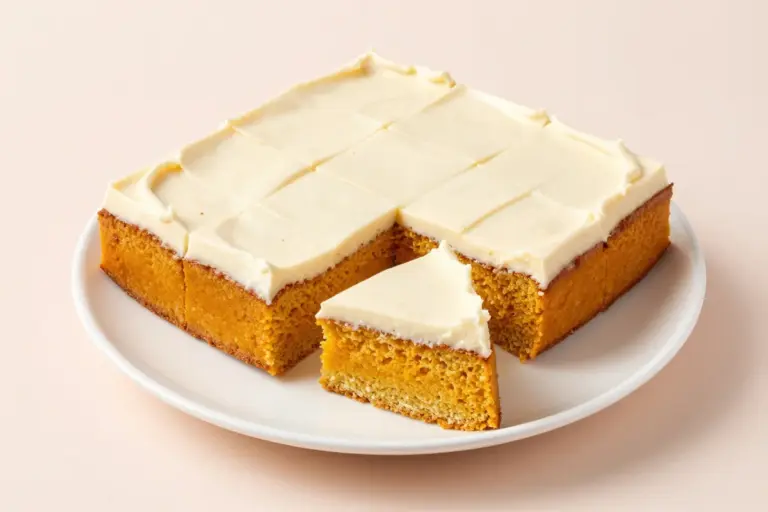
- Bake and cool the cake: Spread the batter evenly in the prepared pan. Bake until the center is set, the edges are beginning to pull away from the pan, and a tester inserted in the center comes out with a few moist crumbs, 28 to 32 minutes. Cool in the pan for 15 minutes, then lift the cake onto a rack and cool completely.
- Cut the cake: When the cake is completely cool, trim away any very dark edges if desired and cut it into 3/4-inch cubes. Set aside. Warm cake will soften the filling and make the layers slide.
- Make the cream cheese filling: Beat the softened cream cheese, confectioners’ sugar, and the remaining 1 teaspoon vanilla on medium speed until completely smooth, scraping the bowl once or twice. With the mixer on low, gradually pour in the cold heavy cream, then increase to medium-high and beat just until the filling is thick, smooth, and able to hold a soft mound. Stop before it becomes grainy.
- Assemble the trifle: Place about one-third of the cake cubes in the bottom of a clear 2 1/2- to 3-quart trifle bowl. Scatter over one-third of the remaining pecans, then spread over one-third of the cream cheese filling, taking it all the way to the glass. Repeat the cake, pecans, and filling layers twice more, finishing with filling. Cover without pressing the cover onto the surface.
- Chill and finish: Refrigerate for at least 4 hours and preferably no longer than 24 hours before serving. Just before serving, drizzle lightly with caramel sauce and scatter over the reserved pecans and coconut, if using. Serve cold.
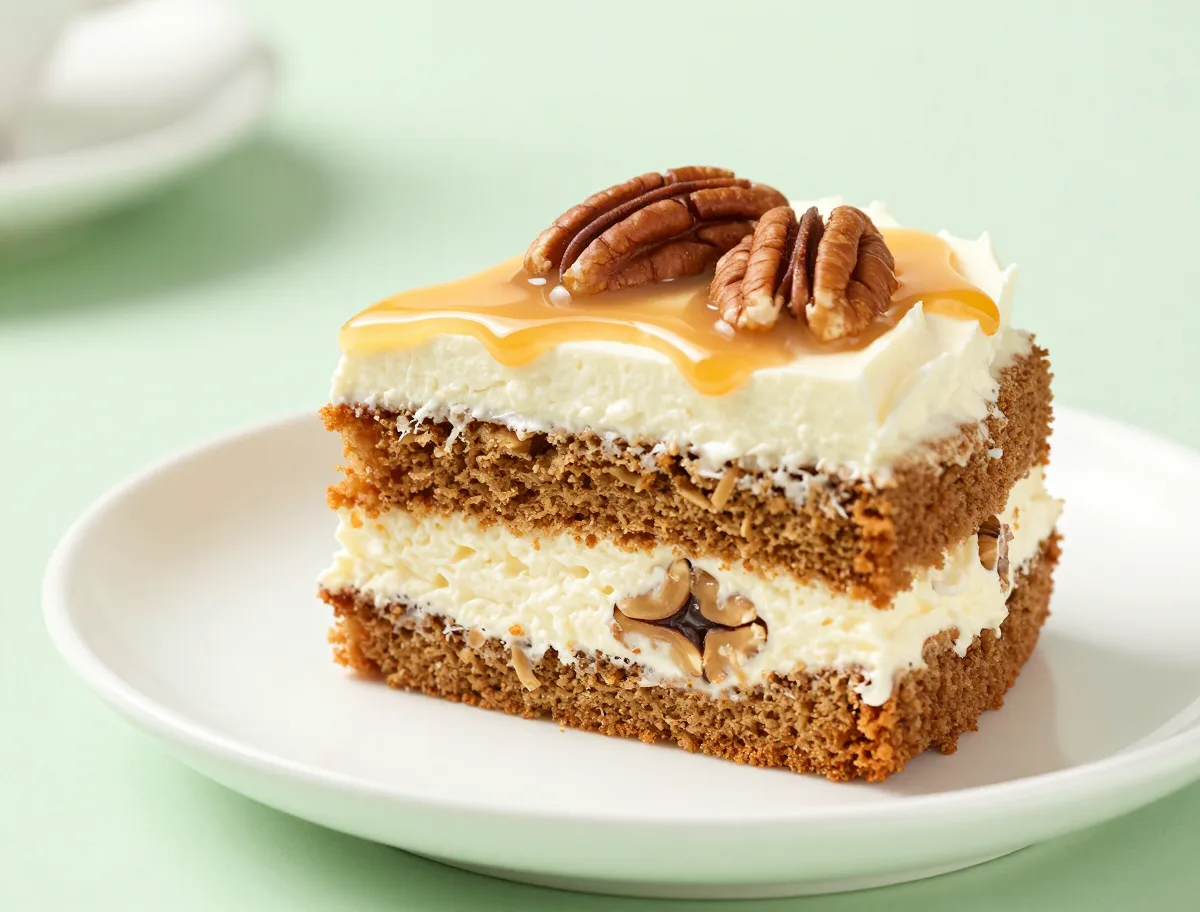
Texture Cues for a Successful Trifle
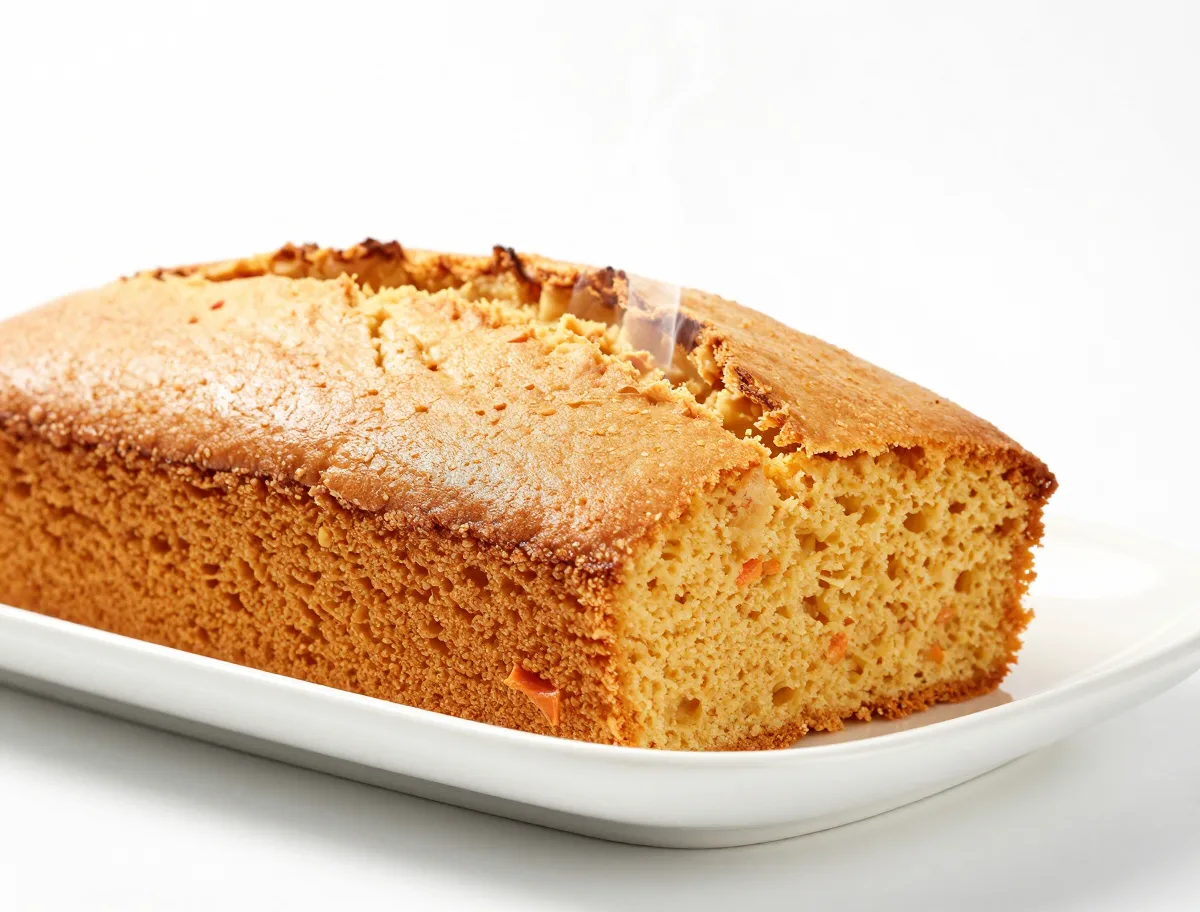
The cake should be moist but sliceable, not underbaked or crumbly. Look for a set center and moist crumbs on the tester rather than a completely dry skewer. After chilling, the filling should remain smooth and softly aerated, while the cake should yield easily under a spoon without releasing liquid.
- If the cake breaks into paste when cut, it was likely underbaked or still warm; cool it fully before proceeding.
- If the filling looks grainy, it was probably beaten too long after the cream reached firm peaks.
- The finished dessert will not slice like a frosted cake. It should hold together briefly when scooped, then relax onto the plate.
Doneness and Success Indicators
- The cake center is set rather than trembling, and a tester shows a few moist crumbs instead of wet batter.
- The cooled cake is firm enough to cut into cubes without collapsing.
- The filling is lump-free, aerated, and thick enough to hold a soft mound on a spoon.
- A properly chilled serving holds its layers briefly on the spoon without liquid pooling at the bottom.
The Variables That Keep Layers Distinct
Moisture gradually moves from the filling into the cake during refrigeration. This is why a thick filling, fully baked cake, and moderate chilling window matter more than adding a syrup or soak. Oil keeps the cake soft when cold, while the fat in cold cream helps create a stable whipped structure.
- Do not add a cake soak unless the cake is unusually dry; extra liquid is the fastest route to soggy layers.
- Keep the cream, bowl, and beaters cold so the filling gains volume and stability.
- Crunchy toppings absorb moisture when buried in cream. Reserve the crispest pecans, coconut, or cookie crumbs for the top.
- Several hours of chilling improves cohesion, but extended storage progressively softens the cake and garnishes.
For additional practical background on whipped-cream stability, see King Arthur Baking’s guidance on stabilizing whipped cream.
Common Carrot Cake Trifle Mistakes and Fixes
Most trifle problems begin before assembly. Check the consistency of each component before layering; once a loose filling or wet cake is in the bowl, there is little practical way to restore clean layers.
- Runny filling: Chill it for 20 to 30 minutes and reassess. If it remains loose, do not add more liquid; the cream may have been too warm or under-whipped.
- Lumpy filling: The cream cheese was too cold or was not beaten smooth first. For the next batch, soften it fully and scrape the bowl before adding cream.
- Soggy cake: Look for underbaking, warm cake, excess liquid, or wet fruit. Bake until the center is set and avoid pouring caramel or juice throughout the layers.
- Sliding layers: Use thinner, even layers and make sure the filling is mound-holding before assembly.
- Soft nuts or coconut: Add them immediately before serving rather than several hours in advance.
- Dry cake: Cut the pieces a little smaller and allow the assembled trifle several hours to soften naturally; do not compensate with a heavy soak.
Easy Substitutions for Carrot Cake Trifle
The homemade cake can be replaced without changing the dessert’s identity. The replacement must be fully baked, completely cool, and not heavily coated in frosting, since excess frosting makes the layers overly sweet and unstable.
- Shortcut cake: Bake a boxed carrot cake according to its package directions, cool it completely, and cube it. Cupcakes or plain bakery carrot cake also work.
- Gluten-free: Use a tested gluten-free carrot cake mix or fully baked gluten-free carrot cake; delicate crumbs benefit from slightly larger cubes.
- Nut-free: Omit the pecans and use toasted coconut, pumpkin seeds, sunflower seeds, or dry ginger-cookie crumbs for contrast.
- Pudding-free: The cream cheese whipped filling in this recipe already contains no pudding. Do not replace the heavy cream with milk.
- Dairy-free: Dairy-free cream cheese and a dairy-free whipping product can work, but sweetness and firmness vary by brand. Chill the filling thoroughly before assembly and expect a softer result.
Carrot Cake Trifle Variations
Variations work best when carrot cake remains the dominant flavor and the cake-and-creamy-filling structure stays intact. Change one accent at a time so the dessert does not become watery or lose its identity.
- Pineapple version: Fold up to 1/2 cup crushed pineapple into the cake layer after draining and squeezing it very dry. Do not add the juice.
- Cheesecake-style version: Use cheesecake-flavored instant pudding in a shortcut filling, but allow it to thicken fully before layering.
- Gingersnap version: Replace part of the pecan garnish with dry gingersnap or speculoos crumbs, adding them near serving.
- Easter version: Prepare individual cups and finish with small orange-and-green icing carrots or a restrained scattering of pastel sprinkles.
- Small batch: Halve every component and use a smaller vessel or five to six individual glasses. Avoid spreading a half recipe in a full-size bowl, where the layers will look thin.
How to Serve Carrot Cake Trifle
Serve the trifle cold in a transparent bowl with a long-handled spoon so each portion includes cake and filling from the bottom upward. Moderate portions are appropriate because the dessert combines rich cream cheese, cake, and sweet garnish.
- Add caramel, pecans, coconut, and any cookie crumbs just before serving for the best contrast.
- For transport, individual lidded cups are more secure than a deep communal bowl. Keep either format in an insulated cooler with ice packs.
- Serve with black coffee, unsweetened tea, or a tart fruit salad to balance the sweetness.
- Remove the trifle from refrigeration only briefly before serving; a cold filling holds its shape better.
How to Store and Make Ahead This Trifle
This is a useful make-ahead dessert, with its best combination of defined layers and tender cake during the first day after assembly. Cover and refrigerate it at 40°F (4°C) or below. If you need to prepare it earlier, keep the cake cubes and filling separate and assemble on the day of service.
- Chill the assembled trifle for at least 4 hours; overnight is acceptable when the cake is fully baked and the filling is stable.
- Add nuts, coconut, cookie crumbs, and caramel shortly before serving rather than storing them in wet layers.
- Leftovers should remain refrigerated and are generally safest within 3 to 4 days, although the cake will soften and the garnish will lose quality sooner.
- Do not freeze the assembled dessert. Cream cheese, whipped cream, and cake may separate or become watery after thawing.
- There is no reheating method; serve the trifle chilled.
Carrot Cake Trifle FAQ
These practical answers cover the most common questions about cake choices, assembly, chilling, transport, and texture.
Can I use boxed carrot cake instead of homemade cake?
Yes. Bake it according to the package directions, cool it completely, and cut it into cubes. Avoid using cake that is underbaked or heavily frosted.
How many layers should a trifle have?
This recipe makes three repetitions of cake, pecans, and filling. Two layers work in individual glasses, while three layers give a large bowl better visual definition.
How far ahead can I assemble it?
Assemble it several hours ahead or up to about 24 hours before serving. For longer preparation, refrigerate the cake and filling separately and combine them later.
Why did my trifle turn soggy?
Common causes include underbaked or warm cake, undrained pineapple, excess caramel or other liquid, and a filling that is too thin. Control moisture in each component before assembly.
Can I make individual carrot cake dessert cups?
Yes. Divide the same components among 8- to 12-ounce glasses. Individual cups are especially practical for Easter gatherings and transport.
Can I transport a carrot cake trifle?
Yes, provided it begins fully chilled and stays at refrigerator temperature. Lidded individual cups are easiest; a covered bowl should travel in an insulated cooler with ice packs.
Can I add pineapple?
You can add up to 1/2 cup crushed pineapple, but drain and squeeze it very dry first. Do not add pineapple juice as a soak.
How do I keep the pecans crunchy?
Keep them dry and add the portion intended for garnish immediately before serving. Nuts buried in the filling will soften over time.
Food Safety for Cream Cheese Trifle
Because this dessert contains cream cheese, whipped cream, eggs, and a finished cake with no final heating step, careful refrigeration is essential. Keep the trifle at 40°F (4°C) or below and use clean utensils during preparation and service.
- Refrigerate the assembled trifle promptly and do not leave it at room temperature for more than 2 hours, or more than 1 hour when the temperature is above 90°F (32°C).
- Transport it in an insulated cooler with ice packs rather than relying on a covered dish alone.
- Return leftovers to refrigeration promptly and discard the dessert if it has exceeded the safe room-temperature limit; do not taste it to judge safety.
- Use pasteurized dairy products when available and keep hands, bowls, beaters, and serving utensils clean.
- Food safety may remain acceptable for 3 to 4 refrigerated days, but the best texture will usually be earlier.
For more detail on refrigerator temperatures, storage, and the two-hour rule, consult the FDA’s food-storage safety guidance.