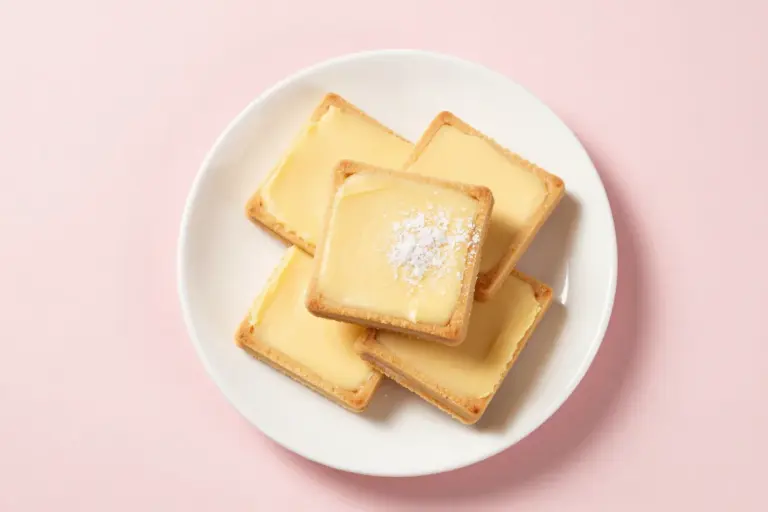
1 2 3 4 Yogurt Cake Recipe (French Gâteau au Yaourt)
Make this easy 1 2 3 4 yogurt cake recipe by using one yogurt pot as the measure: 1 yogurt, 1 oil, 2 sugar, 3 flour, and 4 eggs. The result is a tender, moist French-style cake with a soft crumb.
What the 1-2-3-4 Yogurt Cake Ratio Means
The 1-2-3-4 pattern refers to the measuring method, not a pound-cake formula: one yogurt pot of yogurt, one pot of oil, two pots of sugar, three pots of flour, and four eggs. The empty yogurt container is the practical measuring vessel for the other ingredients.
- Expect a lightly sweet cake with a tender, moist crumb and a gentle yogurt tang.
- This four-egg version is a specific variation within the broader French gâteau au yaourt tradition.
- It is designed to slice cleanly as a round cake or loaf-style everyday cake, not to have the dense texture of a classic pound cake.
Why These Ingredients Work
Plain yogurt supplies moisture and mild acidity, while the eggs provide emulsification and the structure that sets as the cake bakes. Oil keeps the crumb soft after cooling, sugar adds sweetness and helps retain moisture, and flour gives the batter its framework. Baking powder provides the dependable lift; salt keeps the sweetness from tasting flat.
- Whole-milk yogurt gives the richest, most forgiving result, although plain low-fat yogurt also works.
- A mild oil preserves the cake’s delicate flavor and stays fluid when the cake is cool.
- Fill the yogurt pot loosely with flour and level it rather than compressing it; excess flour is a common cause of dryness.
- Fresh baking powder matters because the batter depends on it for reliable rise.
Ingredients
- 1 yogurt pot plain whole-milk yogurt, about 125 ml; empty the pot and reserve it as the measuring cup
- 1 yogurt pot neutral vegetable oil, such as sunflower, canola, or grapeseed oil; about 125 ml
- 2 yogurt pots granulated sugar, about 200 to 210 g
- 3 yogurt pots all-purpose flour, about 190 to 200 g; fill the dry pot loosely and level it
- 4 large eggs, room temperature if possible
- 2 teaspoons baking powder
- 1/2 teaspoon fine salt
- 1 teaspoon vanilla extract, optional
- 1 tablespoon finely grated lemon zest, optional, from 1 lemon
- 1 quantity soft butter or baking spray, for the pan
- 1 piece parchment paper, to line the base of the pan
How to Make This French Yogurt Cake Successfully
The method is intentionally simple, but consistency matters. Scrape the yogurt into the bowl first, then clean and dry the container before using it for the dry ingredients. Whisk the wet mixture until uniform, then mix the flour in briefly and gently.
- Bring the eggs and yogurt close to room temperature if convenient; they blend more smoothly into the oil.
- Use a fully preheated oven and the middle rack for steadier baking.
- Grease the pan and line its base, especially when using a citrus-flavored batter.
- Once flour is added, stop mixing as soon as the dry streaks disappear.
Instructions
- Prepare the pan and oven: Heat the oven to 350°F (175°C), with a rack in the middle. Grease a 9-inch round cake pan, line the base with parchment, then grease the parchment as well.
- Set up the yogurt-pot measure: Scrape the yogurt into a large mixing bowl. Rinse and dry the empty pot thoroughly; this pot is the volume measure for the oil, sugar, and flour. Do not pack flour into it.
- Mix the wet ingredients:
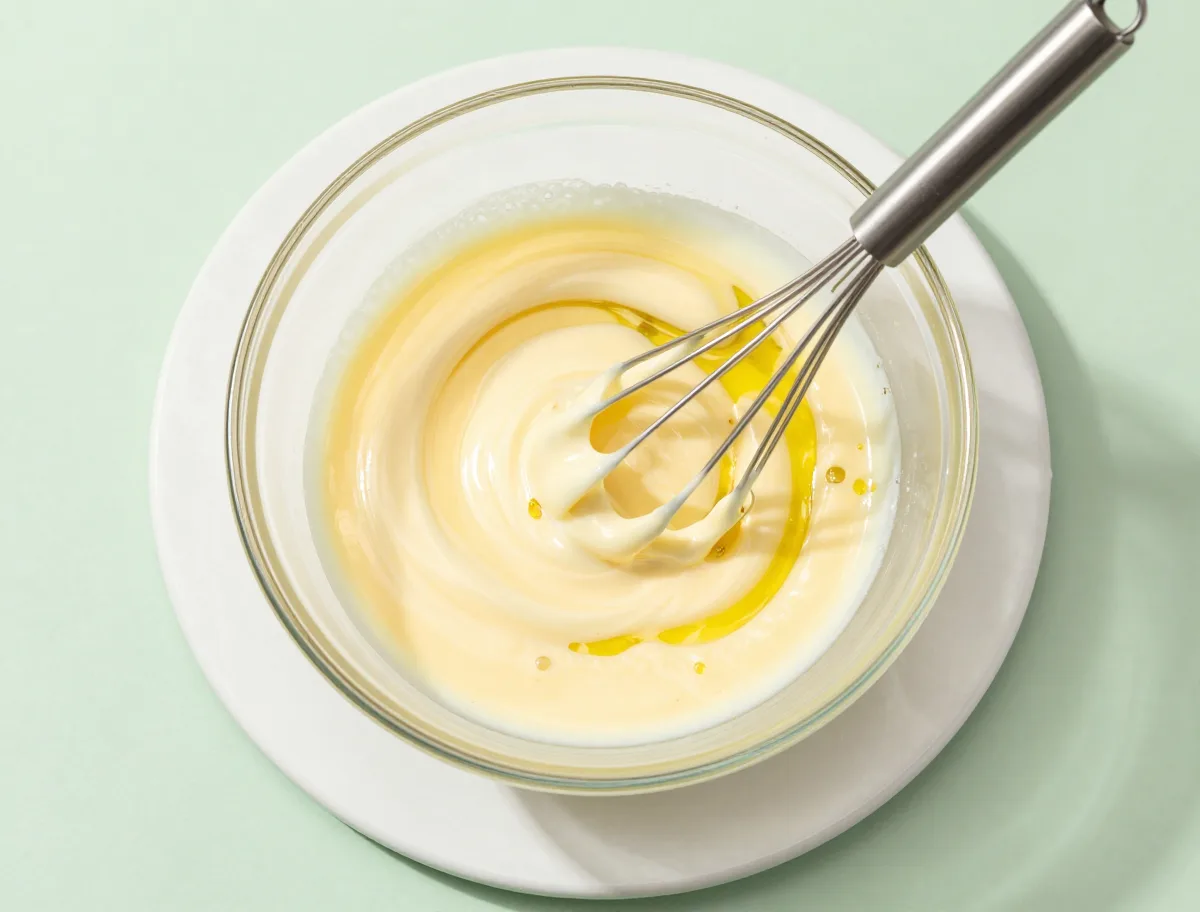
Whisk the yogurt, eggs, oil, sugar, vanilla, and lemon zest, if using, until smooth and evenly blended. A few undissolved sugar grains are fine.
- Add the dry ingredients: Add the flour, baking powder, and salt. Whisk or fold just until no dry streaks remain; stop as soon as the batter is smooth. Overmixing can make the crumb firm.
- Fill the pan: Pour the batter into the prepared pan and gently rotate the pan to level the surface. Tap it once lightly on the counter to release any unusually large air pockets.
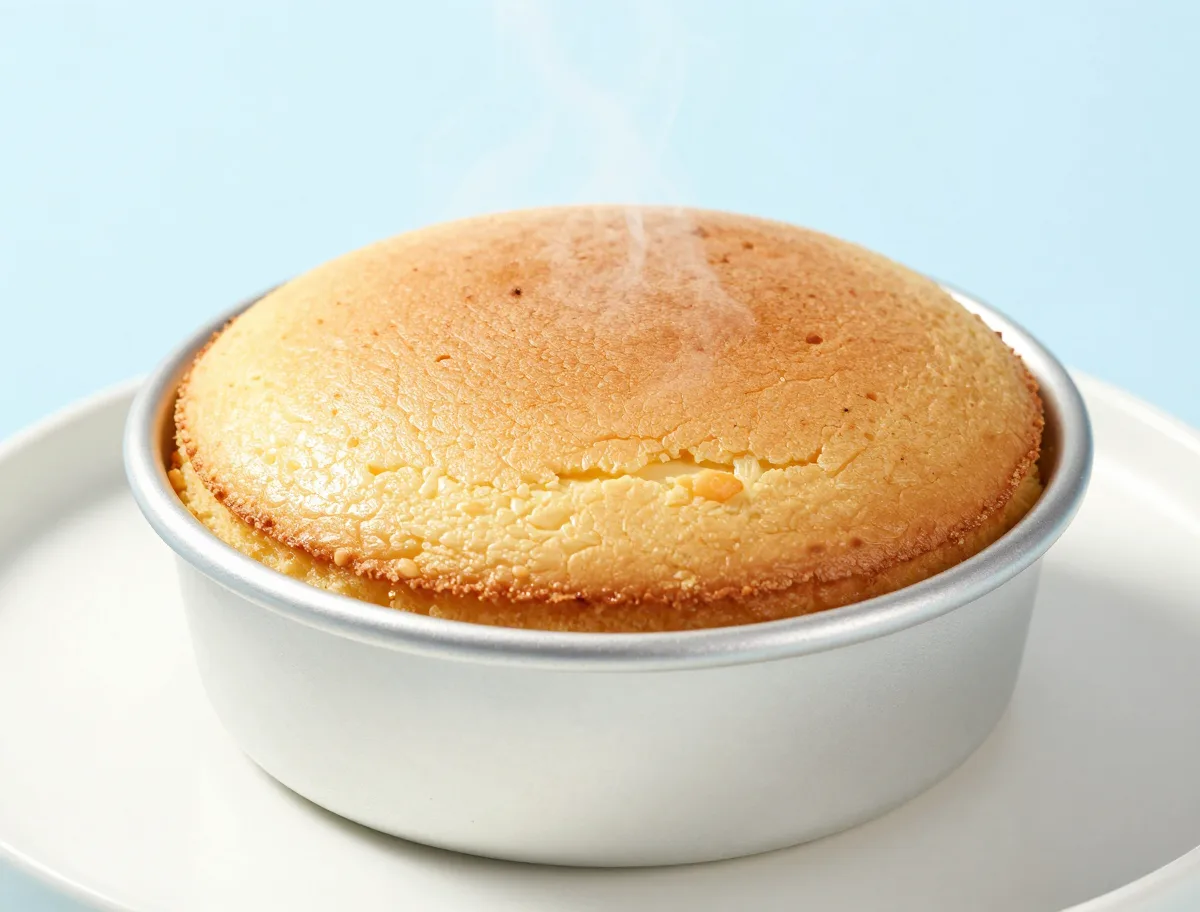
- Bake until set: Bake for 45 to 55 minutes, beginning to check at 45 minutes. The top should be golden, the center should spring back lightly when pressed, and a skewer inserted in the middle should come out clean or with a few moist crumbs, never wet batter. If the top browns before the center is ready, tent it loosely with foil.
- Cool and unmold: Leave the cake in the pan for 15 minutes. Run a thin knife around the edge, invert the cake onto a rack, remove the parchment, and turn it right side up. Cool completely before slicing, about 45 minutes more.
How to Tell When the Yogurt Cake Is Done
Time is only a guide because pot capacity, pan depth, and oven calibration vary. Look for several signs together: a golden surface, a lightly springy center, and a tester carrying moist crumbs rather than liquid batter.
- Test the center, not just the edge, since the middle is the last part to set.
- A few damp crumbs are desirable; a completely dry tester can indicate that the cake has gone too far.
- Cool the cake before slicing so the egg-and-flour structure can finish settling.
- If using a thermometer as an additional check, the center should be at least about 160°F (71°C), while texture cues still determine whether it is pleasantly moist.
Doneness cues
- The top is evenly golden and no longer looks wet in the center.
- The center springs back gently when pressed.
- A skewer inserted in the deepest part comes out clean or with a few moist crumbs.
- The edges begin to pull slightly from the pan.
- Allow the crumb to cool before judging its final texture; a warm slice can seem gummy even when fully baked.
The Variables That Matter Most
A yogurt pot measures volume, not weight. Its contents weigh differently depending on whether the pot holds oil, sugar, or flour, which is why the recipe’s repeated container matters more than a supposedly exact universal gram conversion.
- A thicker yogurt makes a thicker batter; Greek yogurt can therefore produce a tighter crumb unless loosened slightly.
- A deeper layer of batter takes longer for heat to reach, increasing the risk of browned edges and a wet center.
- Oil limits toughness by keeping the crumb tender, but the eggs and flour still need enough heat to set fully.
- Too much flour or too much mixing strengthens the batter and can turn a soft cake dense.
Common French Yogurt Cake Problems and Fixes
Most failures come from an inconsistent pot measure, an unsuitable pan depth, or removing the cake before its center has set. Diagnose the symptom first rather than simply extending the bake time, which can dry the edges while the middle remains underdone.
- Wet center or sinking: usually indicates underbaking, excess liquid, an overly deep pan, or opening the oven too early. Continue baking until the center springs back; tent the top if it is already dark.
- Dense or tough crumb: often comes from packed flour, stale baking powder, or overmixing. Measure flour loosely, use fresh leavener, and stop mixing promptly.
- Sticking: usually reflects inadequate pan preparation or releasing the cake too soon. Use greased parchment and cool the cake briefly before loosening it.
- Dry edges with a wet middle: points to excessive batter depth or an oven running hot. Use the recommended pan, verify the oven if possible, and shield the top while the center finishes.
- Substantial collapse after cooling: a cake that has collapsed substantially after cooling cannot usually be restored to its original crumb; prevention through center testing is the best remedy.
Yogurt, Oil, and Butter Substitutions
The base is flexible, but each substitution changes the batter slightly. Plain whole-milk yogurt and neutral oil are the most predictable choices for the intended soft, mild cake.
- Plain Greek yogurt can replace regular yogurt by volume. If it is very thick, stir in a small splash of milk until it has the consistency of ordinary yogurt.
- Plain low-fat yogurt works but may produce a slightly less rich and tender cake.
- Melted butter can replace the oil by volume for a more pronounced dairy flavor, although the cake may feel firmer once cool.
- Canola, sunflower, grapeseed, and mild vegetable oils are suitable interchangeably. Strong extra-virgin olive oil will become a prominent flavor.
- Flavored yogurt is possible, but it changes the cake’s sweetness and makes the final flavor less controllable.
Lemon, Orange, and Vanilla Variations
The easiest variations preserve the pot ratio and change only the aroma. Vanilla gives a rounded plain cake, lemon zest adds brightness, and orange zest creates a softer, sweeter citrus profile.
- Use 1 teaspoon vanilla extract for a classic version.
- Use finely grated zest from 1 lemon or 1 orange for a citrus version; zest adds concentrated flavor without substantially changing the batter.
- A small amount of juice can be used, but extra liquid may lengthen baking and soften the crumb, so zest is the more dependable choice.
- Keep heavy fruit, large amounts of chocolate, wet fillings, or elaborate frostings out of the base formula unless the cake is redeveloped for those additions.
How to Serve French Yogurt Cake
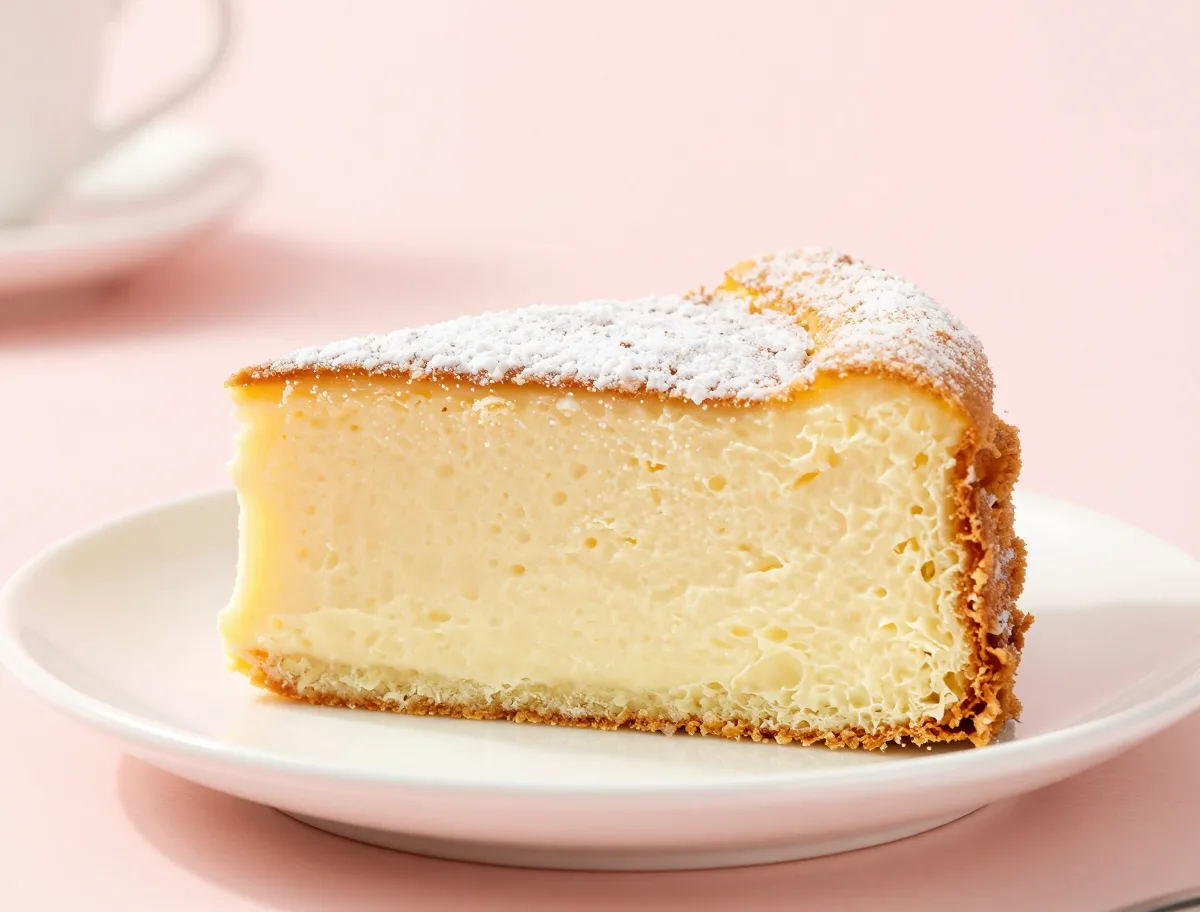
This cake is at home as a breakfast slice, afternoon-tea cake, or simple dessert. Let it reach room temperature before serving so the oil-softened crumb and yogurt aroma are most apparent.
- Serve it plain first, or add a light dusting of confectioners’ sugar.
- Pair lemon or orange cake with berries, citrus segments, or a very thin matching glaze.
- Coffee, black tea, milk, and lightly sweetened whipped cream all complement its modest sweetness.
- If refrigerated, let slices stand briefly at room temperature before serving for a softer texture.
How to Store, Freeze, and Reheat Yogurt Cake
Cool the cake completely before wrapping it. An unfrosted cake keeps well in an airtight container at a cool room temperature for about 3 to 5 days for best quality; refrigeration is useful when the kitchen is warm but can firm the crumb. For additional guidance on storing foods safely, consult the FDA’s safe food-handling guidance.
- Freeze the whole cake or individual slices tightly wrapped for up to 1 to 2 months for best quality.
- Thaw while still wrapped, then unwrap once surface condensation has dissipated.
- Gentle warming is optional; a short, low-power microwave interval is preferable to heating until hot, which can dry the crumb.
- Cakes topped with whipped cream, custard, cream cheese frosting, or cut fresh fruit require refrigeration and should not be left at room temperature for extended periods.
1-2-3-4 Yogurt Cake FAQs
The yogurt-pot method is straightforward once the container and pan are matched. These answers address the most common measurement, ingredient, and baking questions.
What exactly does 1-2-3-4 mean?
It means 1 yogurt pot of yogurt, 1 pot of oil, 2 pots of sugar, 3 pots of flour, and 4 large eggs. The eggs are counted separately rather than measured with the pot.
Can I use the empty yogurt container to measure everything?
Yes. Empty and rinse the pot, dry it completely, then use it consistently for oil, sugar, and flour. It is a volume measure, so do not substitute a random drinking cup.
What size yogurt pot should I use?
This recipe is developed for a pot of about 125 ml, or roughly 4.2 fluid ounces. Individual pots commonly range from about 113 to 150 ml, so a different size changes the total batter volume and may require a different pan or baking time.
Can I use cups or grams instead?
You can use the approximate quantities in the ingredient list, but the pot method is the defining feature and is more reliable when the original container is available. Flour weight varies especially according to how tightly it is packed.
Should the yogurt be plain, Greek, full-fat, or low-fat?
Plain whole-milk yogurt is the most forgiving choice. Plain low-fat yogurt works with a slightly less rich result. Very thick Greek yogurt should be loosened with a little milk so the batter does not become unusually stiff.
Can I replace the oil with butter?
Yes. Use melted butter by volume, but expect a stronger dairy flavor and a cake that firms somewhat more when cool. Neutral oil gives the softest, most forgiving crumb.
Why does this version use four eggs when some recipes use three?
Gâteau au yaourt is a flexible French home-baking family rather than one fixed formula. This recipe intentionally follows the requested four-egg 1-2-3-4 version; other versions may use three eggs or less oil.
Can I bake it in a loaf pan?
Yes, provided the pan is not filled more than about two-thirds full. A loaf pan makes the batter deeper, so expect a longer bake and rely on center doneness rather than the stated round-pan timing.
Why is the middle still wet?
The most common causes are an overly deep pan, a smaller or taller pan, an oven running cool, or removing the cake too early. Continue baking until a skewer shows moist crumbs rather than liquid batter; tent the top if necessary.
Why did my cake sink?
A sunken middle usually means the structure had not set before the cake was removed, or the batter contained more liquid than the pan could support. Avoid opening the oven early and test the center before removing the cake.
The French Gâteau au Yaourt Tradition
Gâteau au yaourt is a French home-style cake recognized for using an emptied yogurt pot as its measuring cup. That accessible technique is more consistent across versions than any single fixed ingredient formula. For additional cultural context about gâteau au yaourt and its yogurt-pot measuring method, see this overview of the French cake anyone can make.
- The broader tradition commonly includes yogurt, oil, sugar, flour, eggs, and baking powder measured with the pot.
- Published formulas vary, particularly in the amount of oil and the number of eggs.
- This recipe should be understood as a French-style 1-2-3-4 version of gâteau au yaourt, not as the only authentic or historical formula.
- The pot method remains useful because it avoids a scale while keeping the proportions internally consistent.