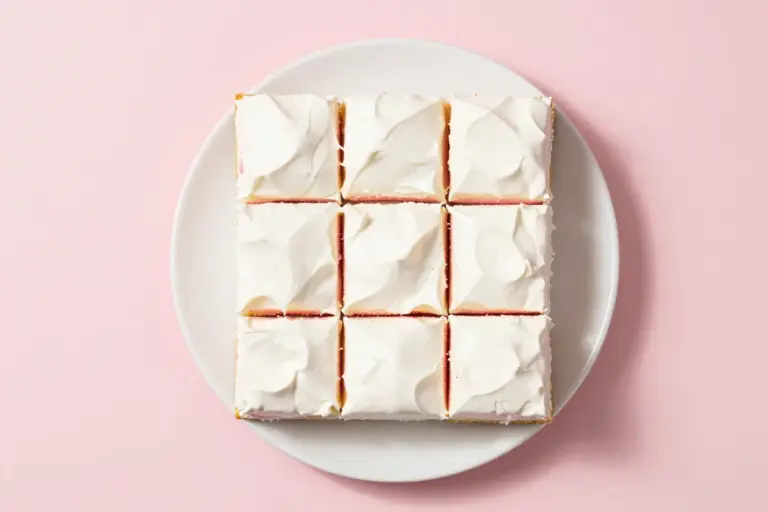
Durian Cake Recipe: Soft Malaysian Durian Cake
This durian cake recipe makes a soft, moist Malaysian-style cake with 250 g of ripe fresh durian puree, a tender butter crumb, and clear doneness cues. This straightforward cake needs no cake premix and is fragrant without being gummy or overly heavy.
What Kind of Durian Cake Is This?
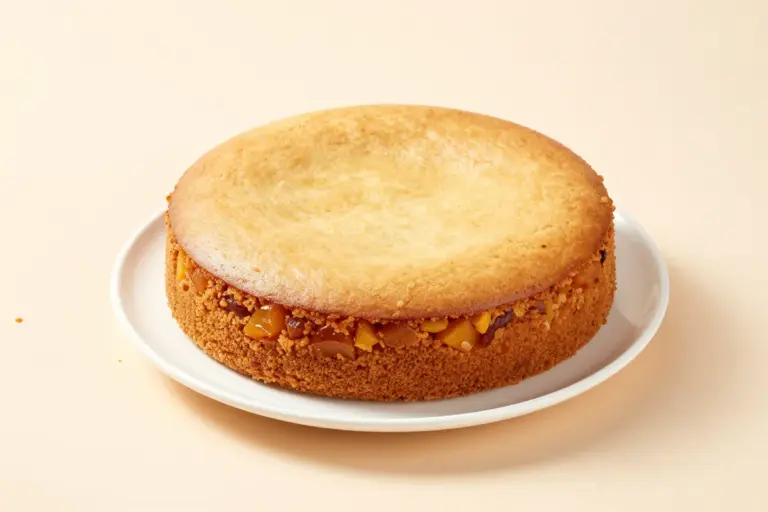
This is a Malaysian-style durian butter cake: richer and sturdier than a chiffon, but still tender, moist, and soft enough for an everyday slice. It uses real durian puree rather than artificial flavoring, so the finished cake has a pronounced tropical aroma and a gently dense, buttery crumb rather than an airy layer-cake texture.
- The recipe makes one simple, unfrosted cake and does not require cake premix.
- Expect noticeable durian flavor, a moist crumb, and enough structure to slice neatly.
- Musang King, D24, or another fully ripe durian can be used; cultivar and ripeness will change sweetness and aroma.
Why the Main Ingredients Matter
Durian is both a flavoring and a structural ingredient here. Its water, natural sugar, fat, and fiber soften the crumb but also make the batter heavier, which is why the puree is weighed and kept thick. Cake flour limits toughness, while eggs and baking powder provide the framework and lift needed to support the fruit.
- Softened butter is creamed with sugar to create small air cells and contribute buttery flavor.
- Eggs emulsify the butter, add structure, and help the cake set around the moist puree.
- Milk is deliberately modest: it loosens the batter without adding unnecessary water.
- Salt and vanilla sharpen and round the durian aroma rather than compete with it.
- Baking powder supplies predictable lift; baking soda is not needed in this formula.
Ingredients
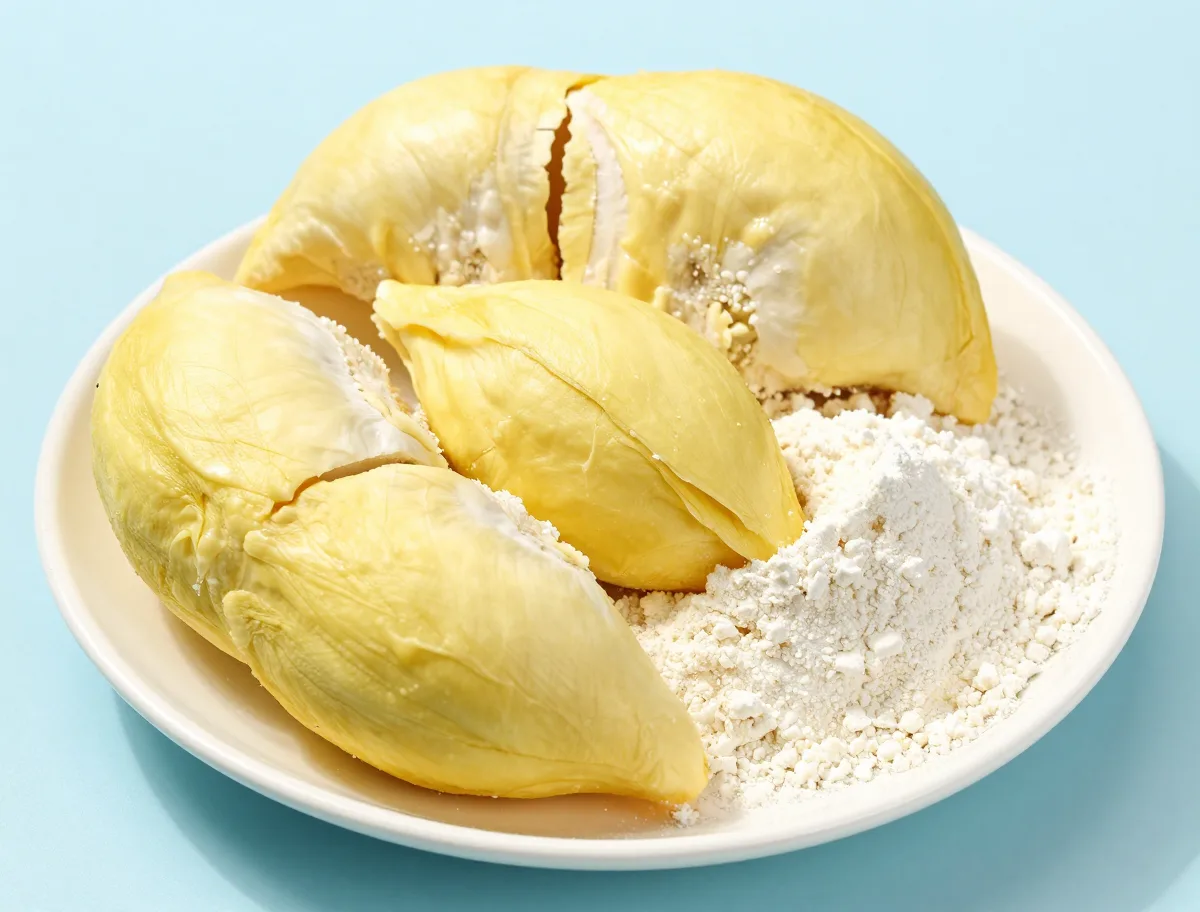
- 250 g ripe durian flesh, seedless, thickly pureed
- 200 g cake flour, sifted
- 2 teaspoons baking powder
- ½ teaspoon fine salt
- 150 g unsalted butter, softened
- 120 g granulated sugar
- 3 large eggs, at room temperature
- 1 teaspoon vanilla extract
- 30 ml whole milk, at room temperature
How to Make This Durian Cake Successfully
The important technique is controlled aeration. Cream the butter until genuinely light, add eggs gradually so the emulsion stays cohesive, and stop mixing as soon as the flour disappears. Durian goes in last because prolonged mixing can deflate the batter and encourage a heavy, uneven crumb.
- Remove seeds and hard fibers before blending; a smooth puree distributes more evenly than large wet pockets.
- Use softened, not melted, butter. Melted butter cannot be creamed for lift.
- Keep the puree thick. Do not add water or extra milk simply to make blending easier.
- Fold in the durian with a spatula and avoid beating once flour has been added.
- Do not open the oven during the first 35 minutes, when the center is still establishing its structure.
Instructions
- Prepare the pan and oven. Heat the oven to 170°C (340°F), conventional setting, with a rack in the lower-middle position. Grease a 20 cm (8-inch) round cake pan, line the base with parchment, and lightly flour the sides.
- Prepare the durian. Remove every seed and any firm connective fiber from the durian flesh. Blend or mash the flesh until mostly smooth; the puree should be thick enough to mound briefly on a spoon. If using thawed frozen durian, drain any released liquid before weighing and pureeing 250 g.
- Combine the dry ingredients. Whisk the sifted cake flour, baking powder, and salt together in a bowl. Set aside.
- Cream the butter and sugar. Beat the softened butter and sugar at medium speed for 3 to 4 minutes, scraping the bowl once or twice, until noticeably paler and fluffy. Add the eggs one at a time, beating well after each addition. Mix in the vanilla extract. If the mixture looks slightly curdled, proceed; the flour will bring it together.
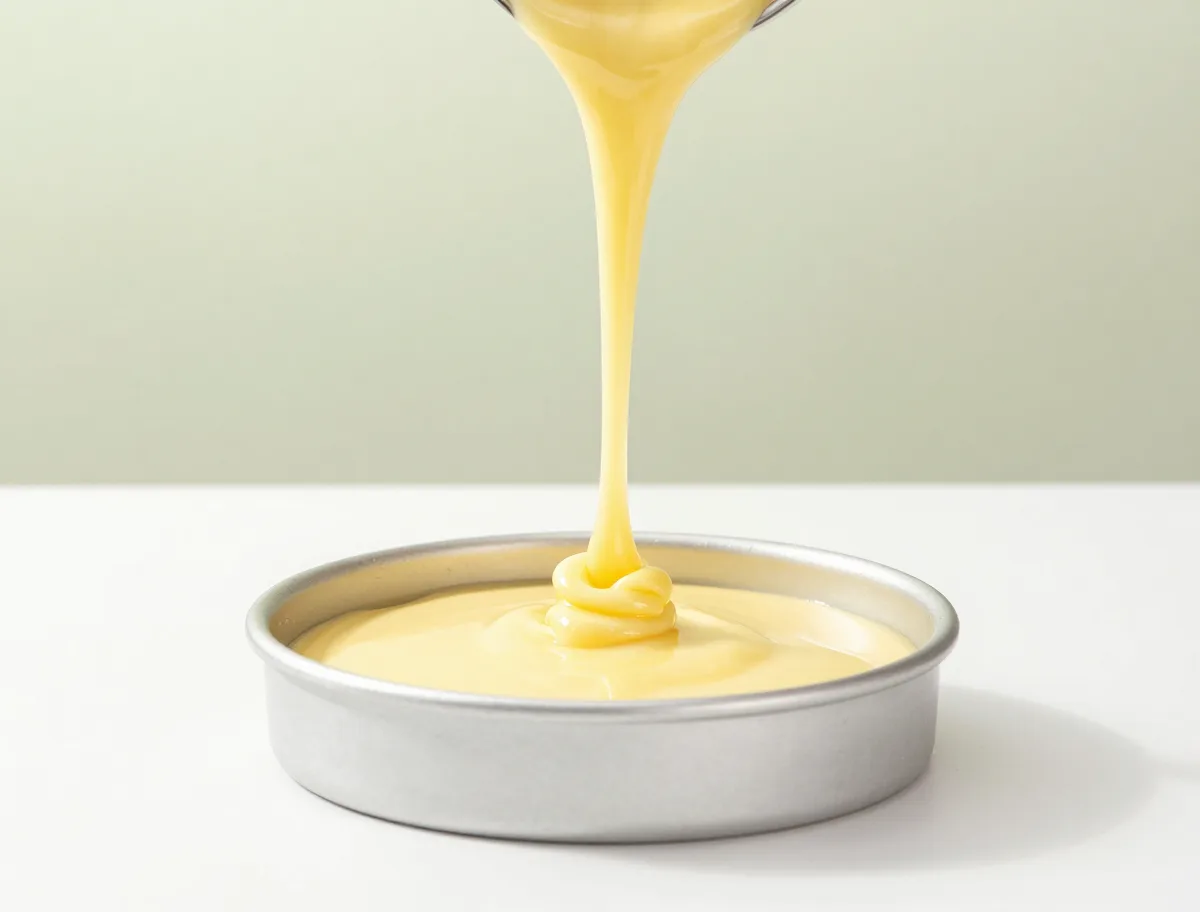
- Finish the batter gently. Add the flour mixture in three additions, alternating with the milk in two additions. Mix on low speed only until each addition is nearly incorporated. Fold in the durian puree with a spatula just until no pale streaks remain. Do not continue mixing once the batter is uniform.
- Bake. Scrape the batter into the prepared pan and smooth the top. Bake for 45 to 55 minutes, rotating the pan once after the first 35 minutes if your oven browns unevenly. The cake is ready when the top is golden, the center springs back lightly, and a skewer inserted into the middle comes out with a few moist crumbs but no liquid batter.
- Cool before serving. Let the cake cool in the pan for 15 minutes, then run a knife around the edge and transfer it to a rack. Cool completely, about 30 minutes more, before slicing. For the fullest aroma and softest butter crumb, serve cool room temperature rather than refrigerator-cold.
How to Tell When Durian Cake Is Done
Durian can make a baked cake seem wetter than a plain butter cake, so judge several signs together rather than relying on the clock. The center should be set and springy, while the skewer should show moist crumbs rather than liquid batter. Let the cake cool completely before deciding whether the crumb is gummy; the structure continues to firm as it cools.
- A slight stickiness from durian fibers is acceptable; shiny streaks of raw batter are not.
- A sunken or rippling center indicates that the middle has not set fully.
- The cake should lift from the rack without bending or compressing.
- If using a thermometer as a supplementary check, a dense butter-style cake is commonly baked through around 93 to 99°C (199 to 210°F), though pan and puree variables still matter.
Doneness Cues
- The surface is evenly golden and the edges have begun to pull slightly from the pan.
- The center springs back gently when pressed and does not wobble.
- A skewer from the thickest part shows a few moist crumbs, not wet batter or a gummy liquid streak.
- The fully cooled cake slices cleanly and holds its shape without compressing into a wet band.
The Variables That Control a Soft, Fluffy Crumb
The balance between 250 g of puree and the flour, eggs, butter, and leavener is intentional. More durian does not automatically produce a better cake: beyond a point, its moisture and fiber delay setting and overpower the batter’s framework. Pan depth and oven accuracy matter just as much, because a deep durian-rich center needs time to set before the outside becomes too dark.
- Puree thickness is as important as puree weight; watery fruit lengthens baking and can create a gummy center.
- Creaming and baking powder provide lift, but that lift is lost if the batter is overmixed.
- A cool oven may leave the center weak and sunken, while excessive heat browns the crust before the middle is baked.
- A smaller or deeper pan changes the baking time substantially, so use the specified 20 cm pan for the stated range.
- The natural sweetness and fat of durian vary, so the same formula may taste more or less sweet with different cultivars.
Durian’s variable moisture, sugar, fat, and fiber content can affect baking results across cultivars, as discussed in this research review of durian’s nutritional value and bioactive compounds.
Common Durian Cake Problems and Their Causes
Most failed durian cakes can be traced to excess moisture, lost aeration, or insufficient baking. The best correction is usually preventive because a collapsed or gummy center cannot be fully repaired after baking.
- Dense or gummy: the puree may have been watery, the cake may be underbaked, or the batter may have been overmixed. Drain watery durian, weigh it accurately, and bake until the center is fully springy.
- Sunken center: the oven may have been opened too early, the pan may have been overfilled, or the middle was not set. Keep the door closed during the first 35 minutes and use the specified pan.
- Weak durian flavor: the fruit may be underripe or mild. Use fragrant ripe flesh rather than simply adding more puree, which can destabilize the cake.
- Dry cake: excess flour or overbaking is more likely than too little durian. Weigh flour and begin checking at 45 minutes.
- Eggy aroma: underbaking, excessive egg, or a very mild durian can make egg notes prominent. Bake fully and serve slightly warm rather than refrigerator-cold.
- Uneven pockets: large pieces of pulp or an abrupt fold can leave wet spots. Blend the flesh to a consistent thickness before adding it.
Fresh Durian, Frozen Flesh, and Flour Substitutions
Fresh and unsweetened frozen durian flesh are the most reliable options because their sweetness can be judged and adjusted naturally. Thaw frozen flesh completely, drain released liquid, and then weigh the edible portion. Commercial paste is less predictable because it may contain sugar, stabilizers, or relatively little fruit.
- Replace fresh durian with the same weight of thawed, drained frozen flesh.
- For cake flour, use 180 g all-purpose flour plus 20 g cornstarch, measured by weight.
- All-purpose flour can be used alone, but the crumb may be slightly firmer; mix especially gently.
- Do not substitute sweetened durian paste gram-for-gram without checking its sugar content. Reduce the granulated sugar only if the label indicates substantial added sugar.
- Neutral oil can replace part of the butter for a softer cake, but it removes some buttery flavor and the aeration supplied by creaming, so it is not a direct equal-result substitution.
Ways to Turn It Into a Durian Cream Cake
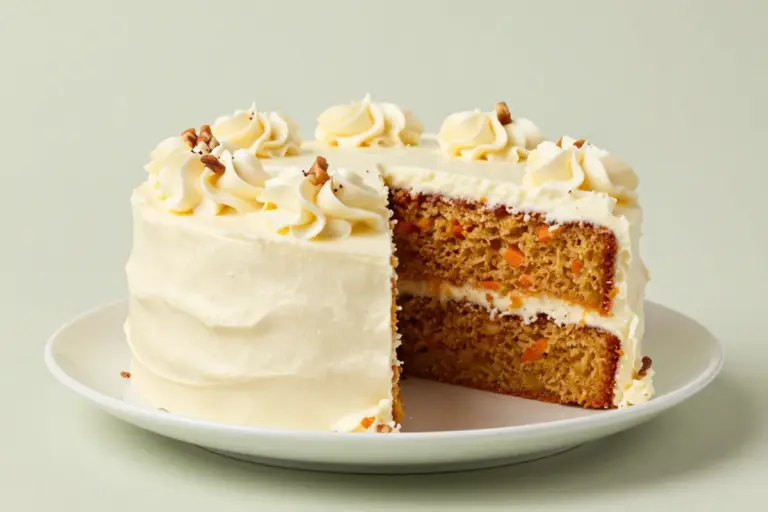
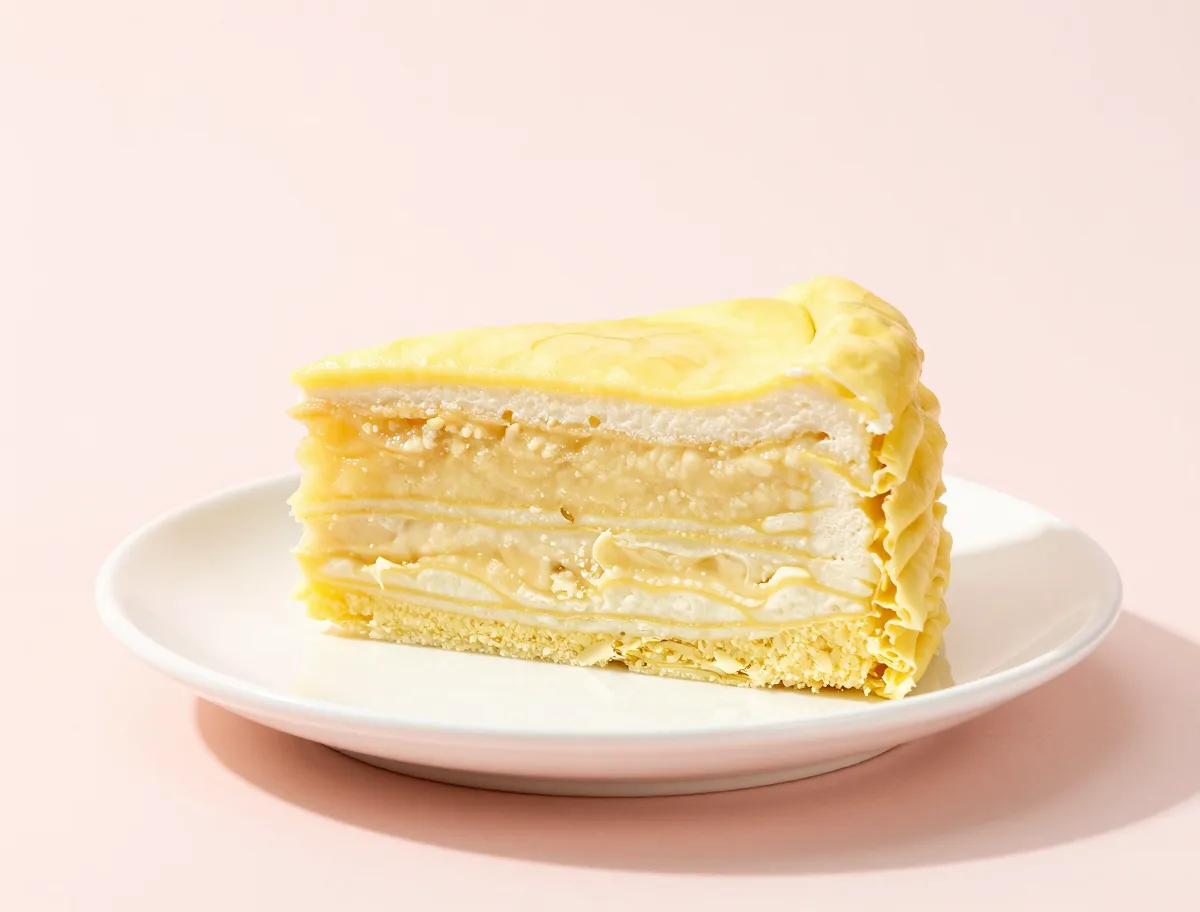
The baked cake is designed to stand on its own, but it can become a simple durian layer cake if you want a bakery-style finish. Cool it completely, split it horizontally, and fill it with lightly sweetened whipped cream folded with a modest amount of smooth durian puree. Keep the filling restrained: a moisture-rich butter cake can slide or compress under a heavy layer.
- For a lighter, more layerable result, use a separate durian sponge or chiffon formula rather than trying to make this butter cake airy by adding extra leavener.
- Pandan, coconut, toasted coconut, or finely chopped neutral nuts can accent the cake without replacing durian as the main flavor.
- A light durian cream filling is more suitable than a very sweet buttercream, which can make the dessert cloying.
- Mousse, cheesecake, steamed kuih, nian gao, and cassava cake are different durian desserts and require different formulas.
How to Serve Malaysian-Style Durian Cake
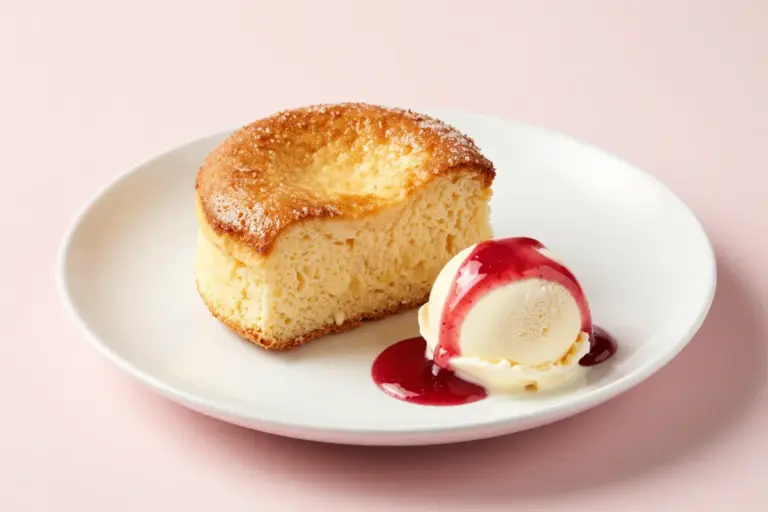
Serve the plain cake at cool room temperature, when the butter softens and the durian aroma becomes more expressive. A cream-filled version must stay chilled for stability, but a short, controlled tempering period before serving improves the crumb and fragrance.
- Pair slices with unsweetened tea or strong coffee to balance the fruit’s richness.
- Finish with a small spoonful of lightly sweetened whipped cream, toasted coconut, or a restrained durian cream.
- Avoid heavy syrup; the durian already contributes substantial moisture.
- If serving a frosted cake, keep it refrigerated until needed and temper only briefly rather than leaving it out for an extended period.
How to Store, Freeze, and Thaw Durian Cake
Storage depends on whether the cake is plain or contains dairy filling. Once completely cool, wrap an unfrosted cake airtight and keep it at room temperature for short-term quality, or refrigerate it if your kitchen is hot. A cream-filled cake is perishable and should remain covered and refrigerated.
- Keep whipped cream, custard, cream cheese, and fresh durian fillings at or below 4°C (40°F).
- Use a plain cake within about 2 days at room temperature for best quality; use a filled cake within 3 to 4 days when promptly refrigerated.
- Freeze plain cake, wrapped tightly in plastic and then foil, for up to 1 month. Thaw it while wrapped in the refrigerator.
- Assemble cream layers after thawing whenever possible, since whipped cream and some custards can become watery after freezing.
- Do not microwave or reheat a cream-filled cake. Let it temper gradually in the refrigerator and then briefly at room temperature.
Durian Cake Recipe FAQs
These answers address the most common choices behind a fresh durian cake, including the best form of fruit, how much to use, and how to keep the crumb tender instead of heavy.
How much durian should I use for a distinct flavor?
This recipe uses 250 g of seedless, thick durian puree for one 20 cm cake. It gives a clear fruit flavor without adding so much moisture that the center struggles to set.
Can I use frozen durian instead of fresh?
Yes. Thaw it completely, drain any released liquid, remove any remaining seeds, and weigh 250 g of the prepared flesh before pureeing.
Do I need cake premix?
No. Cake flour, baking powder, butter, eggs, sugar, and durian provide everything needed for this homemade version.
Why did my durian cake turn out dense?
The most likely causes are watery puree, excess durian, overmixing after the flour was added, or underbaking. Keep the puree thick, weigh it, fold gently, and use the spring-back and skewer tests rather than time alone.
Can I make this into a layered durian cake?
Yes, but this is a butter cake rather than a chiffon. Cool it fully before splitting, use a stable and lightly applied durian cream, and avoid soaking the layers heavily.
Should durian cake be served cold?
Plain cake is usually more fragrant and tender at cool room temperature. Cream-filled cake should remain refrigerated for safety and structure, then may be tempered briefly before serving.
The Malaysian Baking Context for Durian Cake
There is no single standardized Malaysian durian cake. The name covers rich butter cakes as well as modern sponge or chiffon cakes layered with durian cream. This recipe follows the pantry-friendly butter-cake tradition and uses Malaysian or Southeast Asian flavor cues without claiming to reproduce one definitive historical formula.
- Different Malaysian durian cultivars produce different levels of sweetness, bitterness, color, and creaminess.
- Musang King is a premium option, not a requirement; any ripe, aromatic durian can work.
- Fresh fruit remains the defining ingredient, while vanilla, pandan, and coconut are supporting accents.
- The recipe is best described as Malaysian-style rather than as the one authentic durian cake.
Food-Safety Notes for Fresh Durian Cake
Once durian flesh is removed from its shell and prepared, treat it as perishable produce. Keep the puree, eggs, butter, and dairy cold until needed, use clean utensils, and refrigerate any cream or fresh-fruit filling promptly.
- Refrigerate foods requiring refrigeration within 2 hours, or within 1 hour when the room temperature is above 32°C (90°F).
- Keep the refrigerator at or below 4°C (40°F) and the freezer at or below -18°C (0°F).
- Store prepared durian puree covered and chilled if it is not used immediately.
- Keep cream-filled cake chilled during transport and service; discard it if it has remained in unsafe warm conditions rather than returning it to the refrigerator.
- Baking sets the cake but does not make a cream- or custard-filled dessert shelf-stable.
For more detail on refrigeration temperatures and time limits, consult the FDA food-storage guidance.