Impossible Cake Recipes: Chocoflan with Cajeta
Make a dependable impossible cake recipe with moist chocolate cake, creamy vanilla flan, and cajeta baked together in a water bath, then inverted into a glossy caramel-topped dessert.
What Is Impossible Cake?
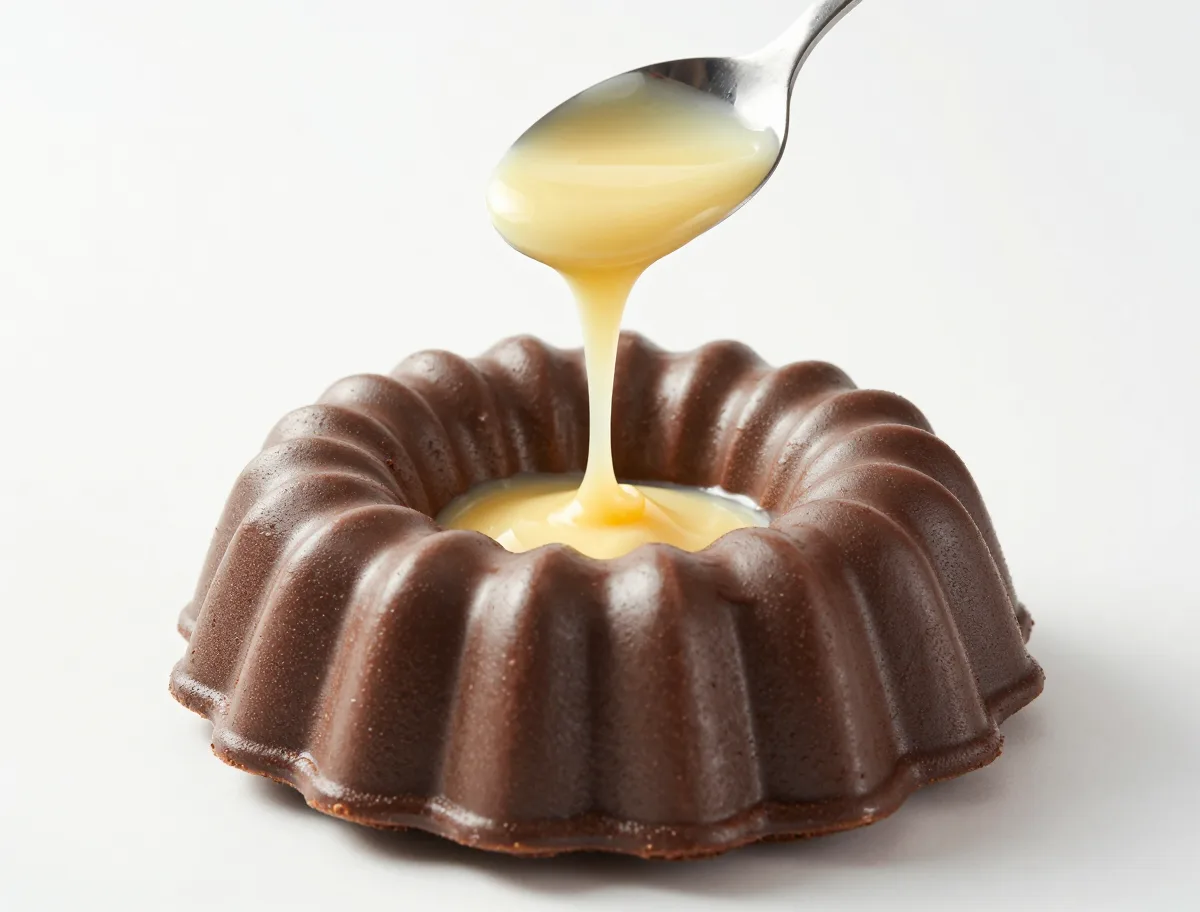
Impossible cake is the popular name for chocoflan, also called pastel imposible: chocolate cake and vanilla flan baked together in one pan. The dessert is inverted before serving, so the pale custard sits above the chocolate cake and the cajeta becomes a glossy sauce over the top.
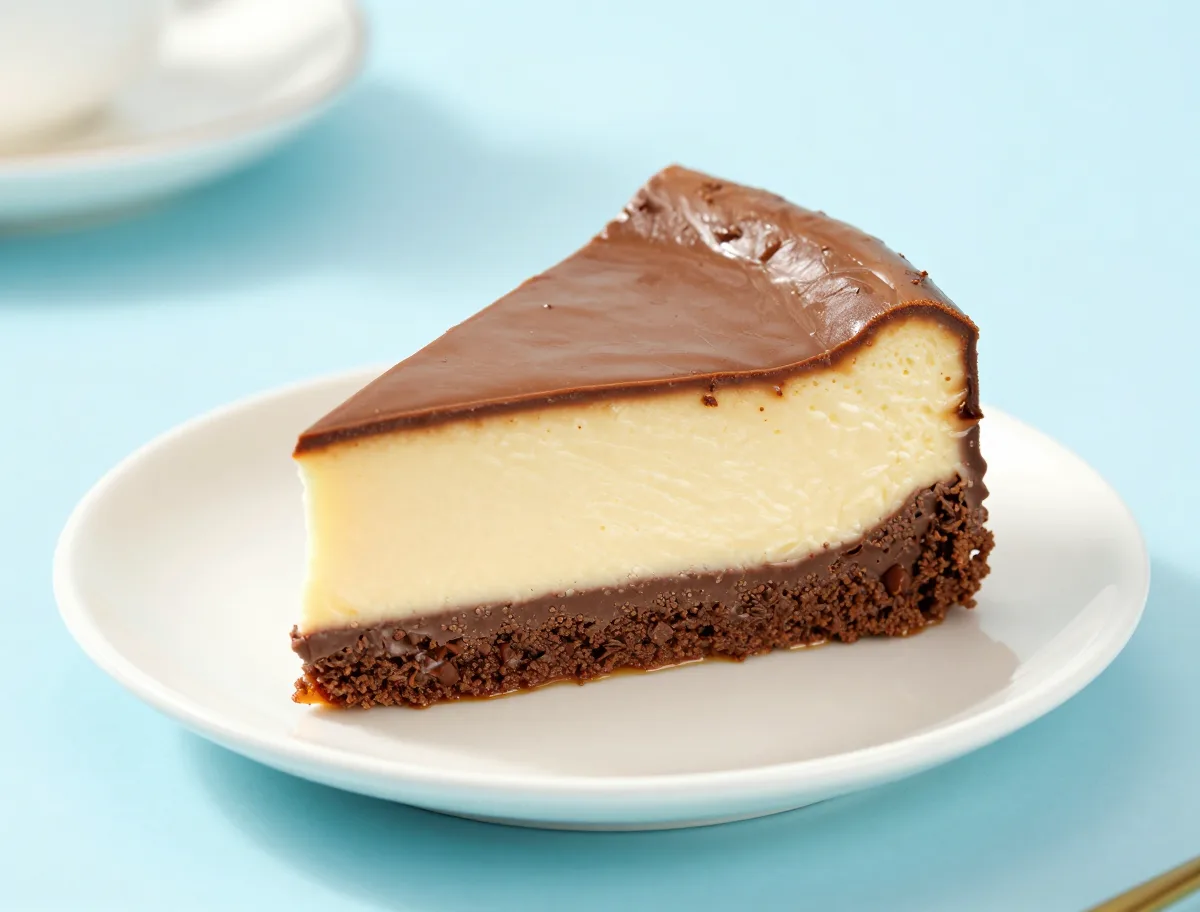
- The finished cake should have a tender chocolate crumb, smooth sliceable flan, and a defined boundary between the two layers.
- The batters may shift position during baking; that movement is part of the dessert's characteristic reveal, not a sign that the recipe has failed.
- Serve it cool or chilled so the custard holds its shape and the caramel can run gently down the sides.
Why the Ingredients Matter in Chocoflan
This recipe balances two different preparations. The cake relies on oil and buttermilk for a soft crumb that stays tender when cold, while the flan gets its structure from eggs and its concentrated dairy sweetness from condensed and evaporated milk.
- Cajeta supplies a thick, pourable caramel layer that releases more reliably than a brittle sugar caramel in a fluted pan.
- Cream cheese adds tang, richness, and extra body to the custard, making it especially stable after chilling.
- Hot coffee deepens the cocoa flavor without making the cake taste strongly of coffee.
- Oil is preferable to butter here because refrigerated butter-based cake can become firm and dry.
- Natural cocoa works well with the baking soda and buttermilk in this formulation; changing cocoa types can alter the cake's rise and flavor.
Ingredients
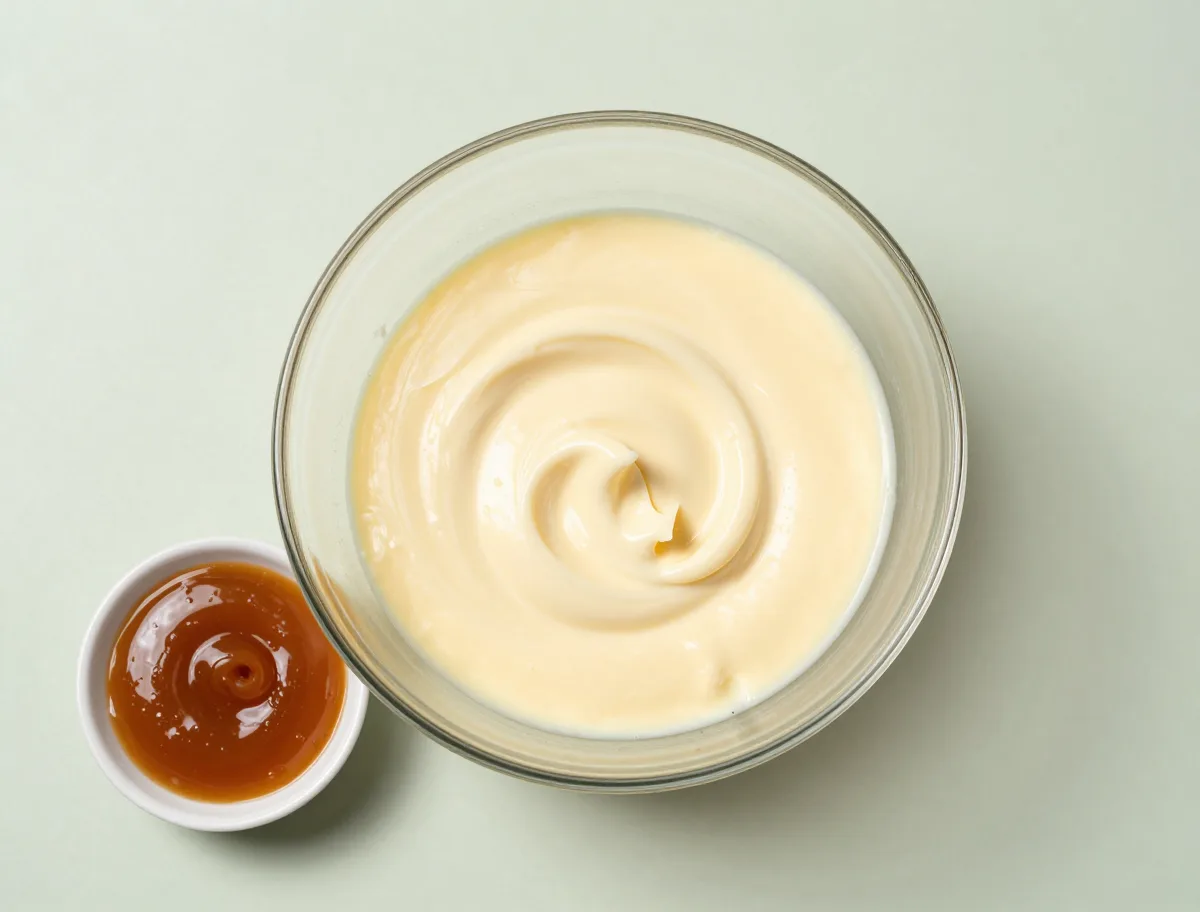
- 1 cup cajeta (or dulce de leche, warmed until pourable)
- 1 1/2 cups all-purpose flour
- 1/3 cup unsweetened cocoa powder (preferably natural cocoa)
- 3/4 cup granulated sugar
- 1 teaspoon baking powder
- 1/2 teaspoon baking soda
- 1/2 teaspoon fine salt
- 1/2 teaspoon ground cinnamon
- 1 large egg (at room temperature)
- 1/3 cup neutral vegetable oil
- 3/4 cup buttermilk (at room temperature)
- 1/2 cup hot brewed coffee (or hot water)
- 1 teaspoon vanilla extract (for the cake)
- 1 can (14 ounces) sweetened condensed milk
- 1 can (12 ounces) evaporated milk
- 4 ounces cream cheese (softened)
- 4 large eggs (at room temperature)
- 1 teaspoon vanilla extract (for the flan)
- 1/4 teaspoon fine salt (for the flan)
- As needed baking spray (for coating the Bundt pan)
- 8 cups hot water (for the water bath)
The Technique Behind a Reliable Chocoflan Recipe
The most important work happens before the pan goes into the oven. Coat every crease thoroughly, keep the cajeta on the base, and pour the flan slowly over a spoon so it does not punch through the cake batter.
- Blend the flan only until smooth; excessive blending introduces bubbles that can leave holes in the custard.
- Add the hot water to the roasting pan after the filled Bundt is positioned, which is safer than carrying a pan already filled with hot water.
- The water should reach roughly halfway up the Bundt's exterior. Too little water reduces the buffering effect; too much makes the pan hazardous to move.
- Do not open the oven repeatedly during the first hour. A sudden temperature drop can leave the cake underbaked or cause it to collapse.
- Cool the pan before chilling it, then allow the flan several hours to firm before attempting inversion.
Instructions
- Prepare the pan and oven: Heat the oven to 350°F (175°C). Coat every ridge and the center tube of a 10- to 12-cup Bundt pan generously with baking spray. Pour the warmed cajeta into the bottom of the pan and tilt gently to coat the base. Do not spread it up the sides.
- Mix the chocolate cake batter: Whisk the flour, cocoa, sugar, baking powder, baking soda, salt, and cinnamon in a bowl. In a second bowl, whisk the egg, oil, buttermilk, hot coffee, and the cake portion of vanilla until smooth. Add the dry ingredients and whisk just until no dry patches remain; the batter will be fairly fluid.
- Blend the flan: Blend the condensed milk, evaporated milk, cream cheese, four eggs, the flan portion of vanilla, and the flan salt until completely smooth, about 30 seconds. Let the mixture stand briefly so large bubbles can dissipate.
- Layer the batters: Pour the chocolate batter over the cajeta. Slowly pour the flan mixture over the back of a large spoon held just above the cake batter. Pour in a thin stream and do not stir. Some mixing at the surface is normal; the layers will reorganize as the cake bakes.
- Set up the water bath: Cover the Bundt pan loosely with aluminum foil. Place it in a roasting pan, then pour the hot water into the roasting pan until it reaches about halfway up the outside of the Bundt pan, usually 1 1/2 to 2 inches deep. Keep the water below the rim of the Bundt pan.
- Bake until set: Carefully transfer the water bath to the oven and bake for 75 to 90 minutes. Begin checking at 75 minutes. The cake portion should feel springy, a tester inserted into the cake should emerge with only a few moist crumbs, and the flan should wobble as one cohesive mass rather than slosh. If using a thermometer, the custard should reach at least 160°F (71°C).
- Cool and chill: Remove the Bundt pan from the water bath and place it on a rack. Leave the foil on while it cools for 45 to 60 minutes, then remove the foil. Once the pan is no longer hot, cover it and refrigerate for at least 6 hours, preferably overnight.
- Unmold and serve: Run a thin knife around the top edge and carefully around the tube to release the flan. Place a rimmed serving platter upside down over the pan, hold both firmly, and invert in one decisive motion. Leave the pan in place for 30 seconds before lifting it away. Slice the chilled chocoflan and serve with the cajeta that has collected around the base.
How to Tell When Chocoflan Is Done
Chocoflan is ready when the cake and custard are both set, but the flan should not be baked until it is rigid. It continues to firm as it cools and chills, so use several cues together rather than relying on the clock.
- The cake should spring back lightly when pressed near the center tube.
- A skewer should be tested in the cake portion, where a few moist crumbs are acceptable.
- The flan should move with a restrained, unified wobble. A visibly sloshing center needs more baking.
- An internal temperature of 160°F (71°C) is the food-safety target for the egg-based custard, although thermometer placement can be difficult in a layered Bundt.
- The final test comes after chilling: the flan should cut into neat slices without flowing or separating from the cake.
Recipe Doneness Checklist
- The cake surface feels springy rather than wet.
- A tester inserted into the chocolate cake comes out clean or with a few moist crumbs; do not use the tester alone to judge the flan.
- The flan trembles gently as a unified layer, with no visible liquid movement.
- The custard reaches at least 160°F (71°C) in its thickest accessible area.
- After chilling, the dessert slices cleanly without the flan spreading.
Why the Layers Reverse in Impossible Cake
The name refers to the surprising way the two mixtures change position. Their different densities, viscosities, leavening, and setting rates allow the flan and cake to move as the dessert heats; the cake expands while the custard settles and sets. The exact movement varies with the formula and pan.
- A water bath moderates the heat around the custard, reducing the chance of curdling, weeping, or a rubbery texture.
- Sugar and dairy make the egg mixture set more slowly than plain eggs, which is why the dessert needs steady heat and a full bake.
- Pan depth is a structural variable, not just a presentation choice. An overfilled or unusually deep pan can leave the center wet while the cake edges dry.
- Chilling is part of the setting process: the custard becomes firmer and the layer boundary becomes easier to slice cleanly.
For an established reference on Bundt-pan chocoflan technique, including cajeta, foil, water-bath baking, cooling, and unmolding, see the Food Network chocoflan recipe.
Common Chocoflan Problems and How to Fix Them
Most chocoflan failures come from pan release, incomplete custard setting, excessive heat, or an unsuitable pan. The best corrections happen before baking; once a custard has curdled or a cake has broken during inversion, the texture cannot be fully restored.
- If it sticks: the pan may not have been greased thoroughly, the cajeta may have been too thick, or the cake may have been unmolded warm. Chill fully, loosen the edges and tube, and avoid forcing the cake out.
- If the flan is loose: distinguish a soft wobble from liquid movement. Liquid movement indicates underbaking; a soft but cohesive custard may simply need more refrigeration.
- If the flan is grainy or porous: the oven may have been too hot, the water bath may have dried out, or the cake may have been left in too long. Use foil and maintain the water level next time.
- If the cake is wet or collapses: check pan capacity, bake until the cake tester is nearly clean, and avoid opening the oven early.
- If the layers are muddled: pour the flan more gently over a spoon and do not stir after layering.
- If the top cracks slightly after inversion: minor cracks are usually cosmetic. Handle the chilled cake gently and use a rimmed platter to contain the caramel.
Chocoflan Substitutions That Work
The dessert is flexible when its two structural systems remain intact: a leavened chocolate cake and an egg-set custard. Substitutions can change flavor, density, and baking time, so avoid replacing several major ingredients at once.
- Dulce de leche can replace cajeta in equal volume. It will taste milder because it is generally made with cow's milk rather than goat's milk.
- A pourable commercial caramel sauce can work, but avoid a very thin sauce or an excessive amount, which can dilute the base and make release less predictable.
- A chocolate cake mix is acceptable when prepared according to its own package directions. Do not substitute its ingredients one-for-one in the scratch formula.
- Whole milk can replace evaporated milk, but the custard will usually be lighter and somewhat softer.
- Cream cheese should not simply be removed from this flan formula without adjusting the balance. For a classic cream-cheese-free version, use a separately developed egg-and-milk flan formula.
- Thin plant milks are not dependable one-for-one replacements because their protein and solids vary considerably.
Flavor Variations That Still Feel Like Chocoflan
A variation remains recognizable as chocoflan when it keeps the central architecture: chocolate cake, pale flan, caramelized topping, and inversion after baking.
- Use dulce de leche instead of cajeta for a gentler caramel profile.
- Add a little orange zest to the flan for a bright contrast with the cocoa.
- Stir a pinch of ancho chile powder into the cake's dry ingredients for restrained warmth.
- Finish with toasted pecans or walnuts for crunch.
- For a richer contemporary style, retain the cream cheese in the flan; omitting it creates a lighter, more classic custard only when the rest of the formula is adjusted accordingly.
- A vanilla cake, a separately baked cake topped with flan, or a fully chocolate custard is a related dessert rather than the standard chocoflan presented here.
How to Serve Mexican Impossible Cake
Invert the chilled cake onto a rimmed platter so the caramel stays with the dessert. Cut with a thin sharp knife, wiping the blade between slices for the clearest contrast between the chocolate cake and pale flan.
- Serve chilled or cool, rather than warm, for the cleanest slices.
- Warm a small amount of extra cajeta or dulce de leche and drizzle it sparingly over individual portions.
- Toasted pecans, tart berries, or lightly sweetened whipped cream add contrast without overwhelming the dessert.
- Unsweetened coffee or cinnamon-spiced coffee makes a natural pairing with the cocoa and caramel.
- Keep the cake refrigerated during extended service and return leftovers to the refrigerator promptly.
How to Store and Make Chocoflan Ahead
Chocoflan is an excellent make-ahead dessert. Overnight refrigeration improves the custard's firmness, helps the cake release, and gives the flavors time to settle.
- Cover the cooled cake and refrigerate it at 40°F (4°C) or below. For best quality, unmold it the next day.
- Use refrigerated leftovers within 3 to 4 days.
- Do not leave the egg-and-dairy dessert at room temperature for more than 2 hours, or more than 1 hour when the temperature is above 90°F (32°C).
- Freezing is possible but not ideal: the flan may become grainy or release moisture and the cajeta may lose its smooth texture.
- If freezing is necessary, wrap individual portions tightly, thaw them in the refrigerator, and serve cold. Do not reheat the whole cake.
Chocoflan Recipe FAQs
These answers address the practical decisions that most affect a clean layer reveal, stable flan, and safe make-ahead dessert.
What pan should I use for impossible cake?
Use a sturdy 10- to 12-cup Bundt or fluted tube pan. Its depth supports the two layers, while the central tube helps heat reach the middle. A smaller pan may overflow, and a much deeper pan will need a different bake time.
Do I need a water bath?
Yes, it is strongly recommended for this formulation. Hot water surrounds the pan with gentler, more even heat, helping the custard set without curdling and reducing the chance of dry cake edges.
How much water belongs in the water bath?
After placing the filled Bundt in the roasting pan, add hot water until it reaches about halfway up the outside of the Bundt, generally 1 1/2 to 2 inches. Keep the water below the rim and never allow it into the batter.
Should I cover the Bundt pan with foil?
Yes. A loose foil cover protects the flan from direct heat and excessive browning. It should not be sealed tightly around the pan.
Why do the cake and flan change places?
The batters have different densities and setting behavior. As the cake expands and the custard settles and cooks, the layers can move relative to one another. The exact movement is affected by the batter, pan, and oven.
Can I use boxed cake mix?
Yes. Prepare a standard chocolate cake mix according to its package directions and use it in place of the scratch cake batter. The crumb and baking time may differ, so rely on the doneness cues rather than the original time alone.
How long should chocoflan cool before unmolding?
Let it cool in the pan for 45 to 60 minutes, then refrigerate it for at least 6 hours. Overnight chilling gives the most stable flan and the cleanest release.
What should I do if the cake sticks?
Chill it fully, run a thin knife around the outer edge and center tube, then invert it decisively onto a rimmed platter. If necessary, warm only the outside of the pan briefly; do not pry aggressively under the flan.
Can I make chocoflan the day before?
Yes. In fact, making it one day ahead is recommended. Keep it covered and refrigerated, then unmold it shortly before serving or leave it unmolded in the refrigerator once it is fully firm.
Chocoflan, Pastel Imposible, and Cajeta
Chocoflan is widely known in Mexico as pastel imposible, a modern dessert built from the meeting of flan and chocolate cake. Its precise inventor and first publication are not securely established, so no single household formula should be treated as the only authentic version.
- Flan has older European roots and became deeply established in Mexican and broader Latin American dessert traditions.
- Cajeta is a Mexican milk caramel traditionally made with goat's milk and strongly associated with Celaya, Guanajuato.
- Dulce de leche is a related cow's-milk caramel. It preserves the function of cajeta while giving the dessert a milder flavor.
- Scratch cake, cake mix, cream-cheese flan, cajeta, and dulce de leche all appear in contemporary versions of the dessert.
Food Safety for Egg-and-Dairy Chocoflan
Although the chocolate cake is baked, the flan makes this a perishable egg-and-dairy dessert. Cook it thoroughly, cool it promptly, and keep it refrigerated rather than treating it like a shelf-stable cake.
- The custard should reach at least 160°F (71°C) in the center. Pair this temperature target with the visual signs of a cohesive, gently trembling flan.
- Refrigerate the dessert within 2 hours of baking, or within 1 hour if the ambient temperature is above 90°F (32°C).
- Keep the refrigerator at 40°F (4°C) or below and use leftovers within 3 to 4 days.
- During service, keep the cake chilled whenever possible and return it to the refrigerator promptly.
- If the dessert has remained above safe refrigeration temperature for too long, discard it rather than attempting to make it safe by reheating.
For additional guidance on egg-dish temperatures, refrigeration limits, and storage of cooked egg dishes, consult the FDA egg safety guidance.