Moist Pound Cake Recipe Using Self-Rising Flour
This buttery vanilla pound cake recipe using self-rising flour needs no added baking powder and usually no added salt. Creamed butter, sugar, and eggs create a moist, fine crumb with a golden crust and sturdy slices.
What to Expect from This Self-Rising Flour Pound Cake
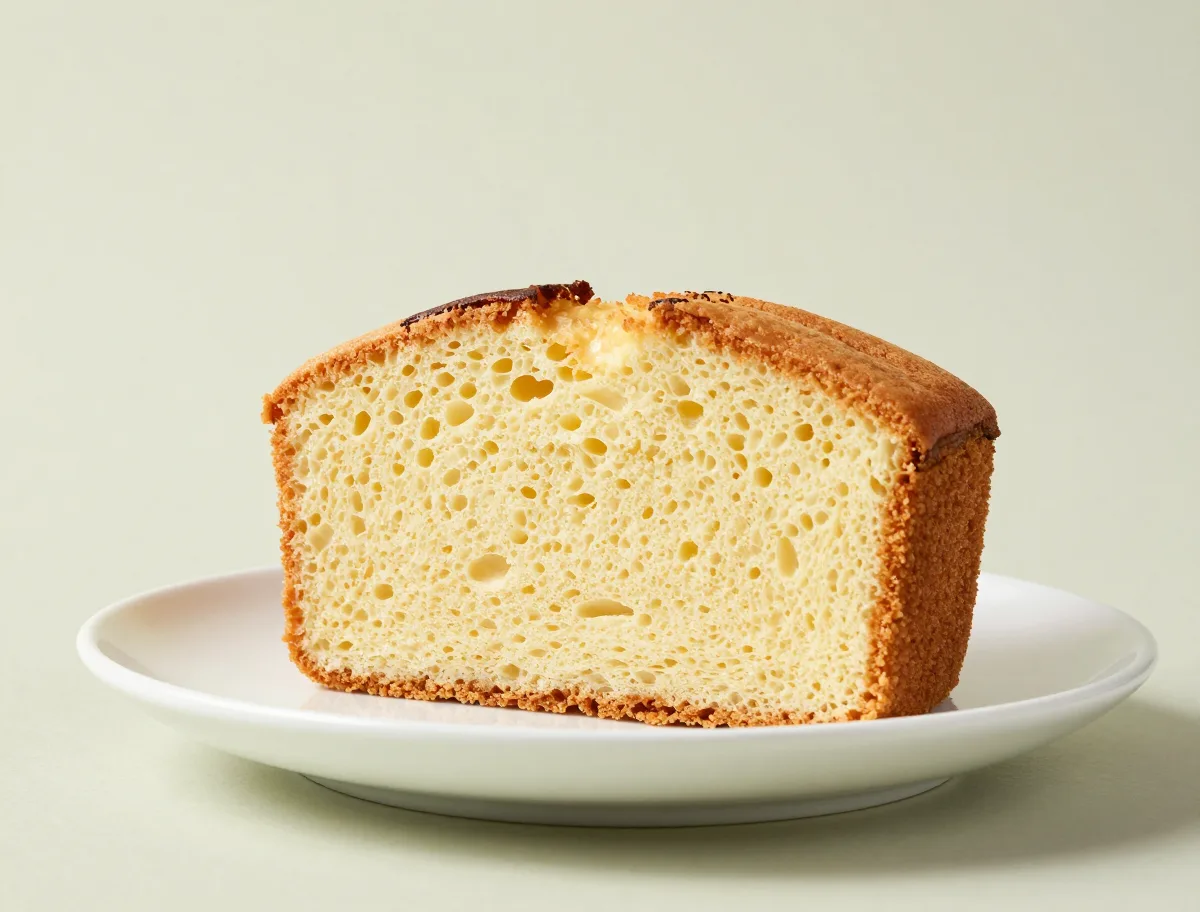
This is a rich, buttery vanilla cake with a fine, moist crumb rather than a light sponge-cake texture. It rises moderately, slices cleanly, and develops a golden exterior; a rounded top or central crack is normal for a creamed butter cake.
- The crumb should be moist and tender but never gummy or wet.
- The finished cake should have enough structure for neat slices and should not dramatically overflow its pan.
- A Bundt pan gives the batter more exposed surface area and a shorter bake than a deep loaf pan.
Why the Ingredients Work
Self-rising flour supplies both the cake’s framework and its chemical lift, so the formula does not stack another dose of baking powder on top. Butter provides flavor and creates air cells during creaming, while sugar tenderizes the crumb and encourages browning. Eggs set the cake and add richness; milk keeps the batter supple without turning it into a soft, fragile cake.
- Vanilla is added after the eggs so its flavor disperses without affecting the creaming process.
- Unsalted butter gives the most control because salt levels vary among self-rising flour brands.
- The flour’s brand matters: protein content and built-in salt and leavener are not identical from one package to another.
Ingredients
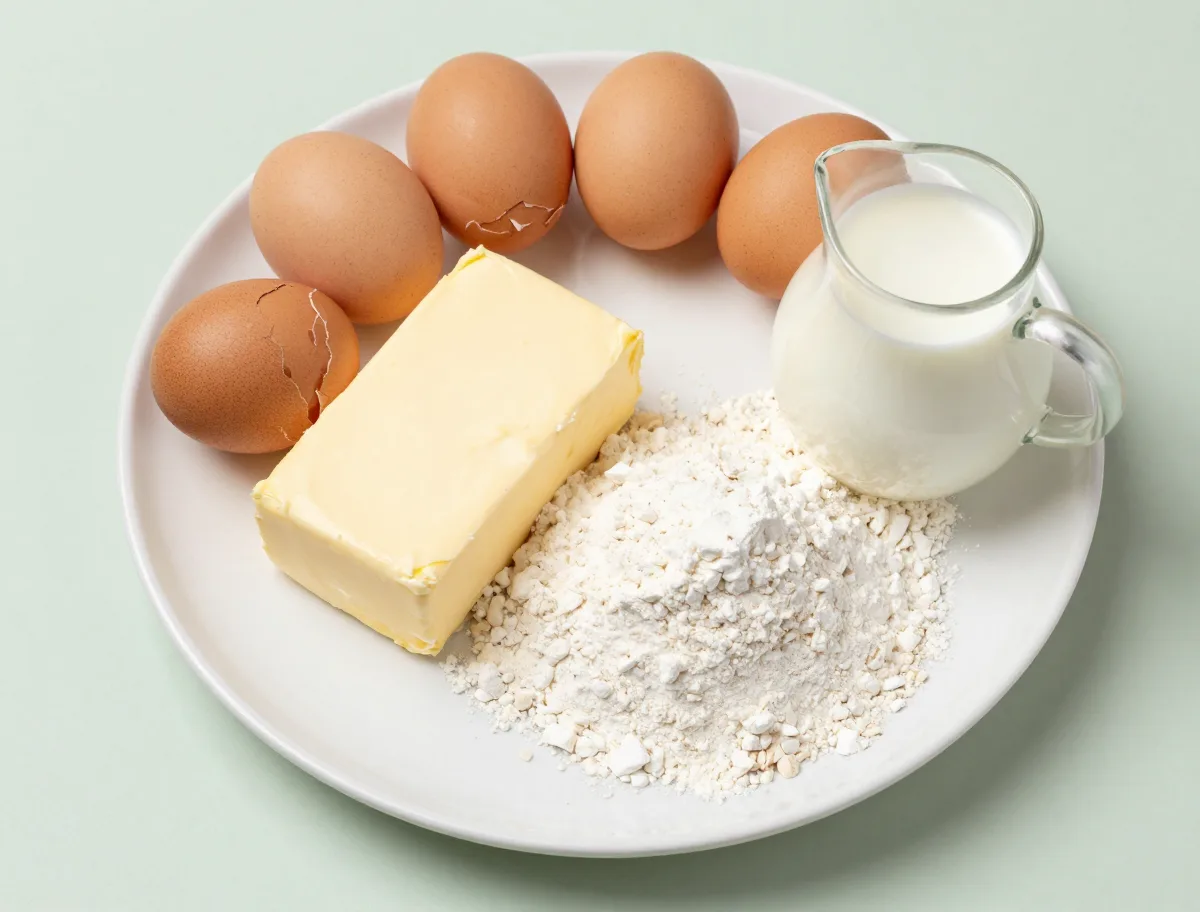
- 3 cups U.S.-style self-rising flour, spooned into cups and leveled; about 360 g
- 1 tablespoon self-rising flour, for dusting the pan if not using flour-based baking spray
- 1 cup unsalted butter, cool room temperature, plus more only if needed for pan preparation
- 2 cups granulated sugar
- 5 large eggs, cool room temperature
- 1/2 cup whole milk, cool room temperature
- 2 teaspoons vanilla extract
- 1 serving nonstick baking spray, preferably a flour-based spray, for the pan
The Mixing Method for a Fine, Tender Crumb
The most important technique is thorough but controlled creaming. Beat pliable butter with the sugar until it is visibly lighter, then add the eggs gradually so the mixture stays emulsified. Once flour enters the bowl, use low speed and stop promptly; extended mixing develops gluten and can erase the aeration created earlier.
- Use cool room-temperature ingredients rather than warm or melted butter.
- Scrape the bowl during creaming and after the eggs to prevent dense streaks.
- Coat every detail of a Bundt pan, especially the center tube and deep grooves.
- Let the baked cake firm briefly in the pan before turning it out, but do not leave it there until completely cold.
Instructions
- Prepare the pan and oven. Position a rack in the center of the oven and heat the oven to 350°F (175°C). Coat a 10- to 12-cup Bundt pan thoroughly with flour-based baking spray, reaching into every groove. If using ordinary spray or butter instead, coat the pan and dust it evenly with the reserved self-rising flour, tapping out the excess.
- Cream the butter and sugar. Beat the butter in a large mixing bowl with a stand mixer or electric hand mixer on medium speed until smooth, about 1 minute. Add the sugar gradually and beat for 4 to 5 minutes, scraping the bowl once or twice, until the mixture is noticeably paler and fluffy.
- Add the eggs and vanilla. Add the eggs one at a time, beating on medium speed after each addition until incorporated before adding the next. Scrape the bowl, add the vanilla, and mix briefly. If the mixture looks slightly curdled, it will smooth out when the flour is added.
- Finish the batter. Add the self-rising flour in three additions, alternating with the milk in two additions. Mix on low speed only until each addition disappears, beginning and ending with flour. Scrape the bowl and fold once or twice by hand; stop as soon as no dry streaks remain.
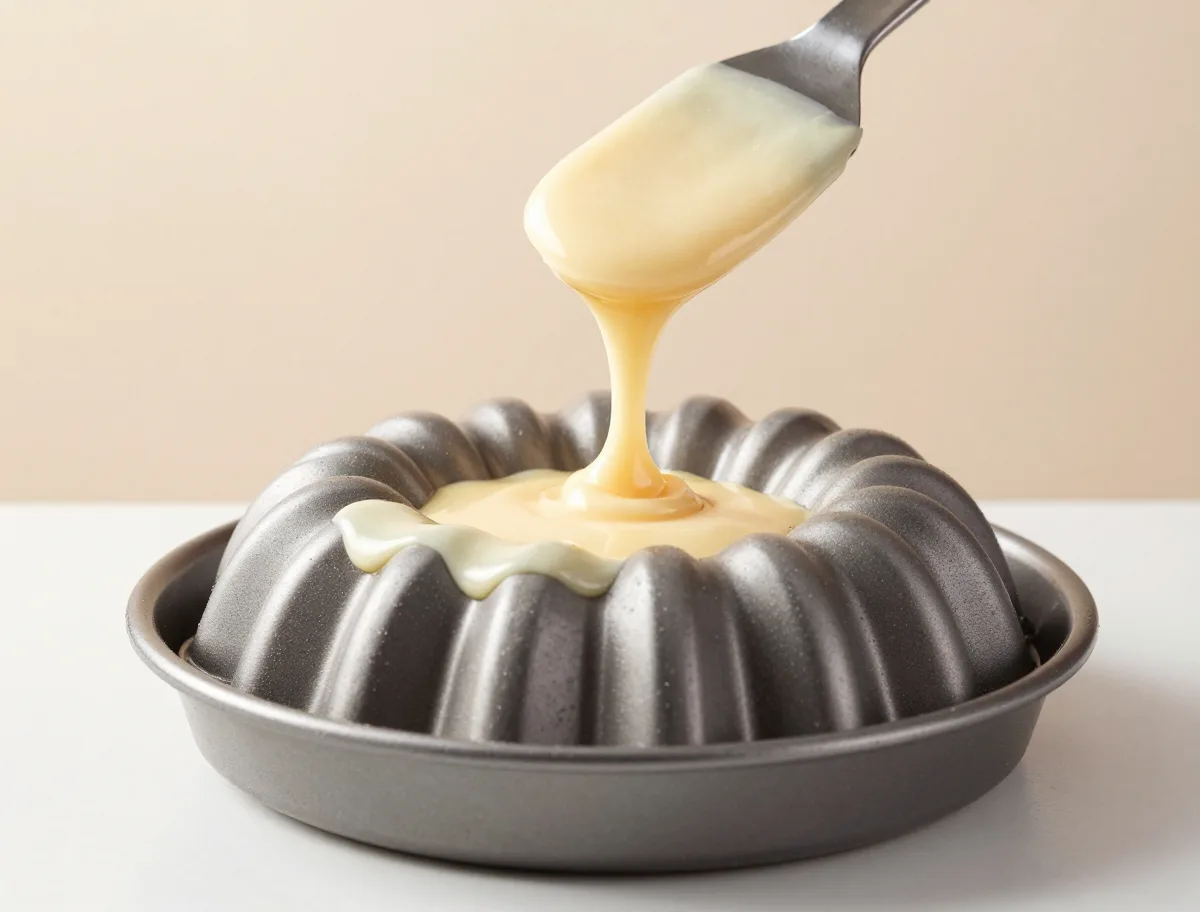
- Fill the Bundt pan. Spoon the batter evenly into the prepared pan and smooth the surface. The batter should fill the pan no higher than about two-thirds full. Tap the pan gently once on a folded towel to settle large air pockets.
- Bake until set. Bake on the center rack for 50 to 60 minutes, rotating the pan once after 35 minutes if your oven browns unevenly. Begin checking at 50 minutes. If the top is already deeply golden but the center is not done, tent the cake loosely with foil and continue baking.
- Cool and unmold. The cake is ready when the top springs back lightly, the edges have begun to pull from the pan, and a skewer inserted into the thickest part comes out clean or with a few moist crumbs. Let it cool in the pan for 15 minutes. Loosen the edges gently with a thin spatula, invert onto a wire rack, and cool completely before slicing.
How to Tell When the Pound Cake Is Done
Appearance alone is not enough for a butter-rich cake because the crust can brown before the middle sets. Use several checks together: the surface should look set, the center should spring back gently, and a skewer should show crumbs rather than liquid batter.
- A few moist crumbs are preferable to a completely dry tester, which can signal overbaking.
- For the most reliable check, measure in the thickest center without touching the pan; approximately 205°F to 210°F (96°C to 99°C) indicates a properly set pound-cake crumb.
- Allow the cake to cool completely before slicing so the starches finish setting and the slices hold together.
Why Self-Rising Flour and Creaming Provide Enough Lift
This cake gets its volume from two sources: air held in the creamed butter and sugar, and carbon dioxide released by the baking powder already blended into the self-rising flour. Eggs and flour then build the structure as the cake heats. Because the batter is already rich and aerated, extra leavener can make it rise too quickly and collapse before the center is firm.
- Pan depth changes heat penetration: a deep loaf usually needs substantially longer than a Bundt cake.
- A pan filled too high gives the expanding batter too little structural margin and increases the risk of overflow or sinking.
- Accurate preheating matters because a cool oven delays setting while an overly hot oven can brown the crust prematurely.
Common Self-Rising Flour Pound Cake Problems
Most failures come from duplicated leavening, poor temperature control, overmixing, or incorrect pan timing. Diagnose the symptom before changing the formula; a browned top with a wet center needs more protected baking, while a collapsed cake may have been over-aerated, overfilled, or removed too early.
- Dense cake: Butter may have been cold, the sugar may not have been creamed sufficiently, the eggs may have broken the emulsion, or the batter may have been overmixed after adding flour.
- Sunken center: Check for underbaking, an overfilled pan, opening the oven early, or adding extra baking powder.
- Wet middle with a dark crust: Loosely tent with foil and continue baking until the center reaches the doneness cues; do not rely on crust color.
- Overflow: Use a larger pan or divide the batter. Never fill a Bundt or loaf pan nearly to the rim.
- Sticking: Detailed Bundt pans need complete coverage with flour-based spray or a carefully greased and floured surface. Unmold after a short cooling period rather than immediately or after several hours.
Self-Rising Flour Substitutions and Dairy Options
Self-rising flour can replace all-purpose flour only when the recipe’s separate leavening and salt are adjusted. For a common U.S. starting point, combine 1 cup (120 g) all-purpose flour with 1 1/2 teaspoons baking powder and 1/4 teaspoon fine salt, then whisk thoroughly; brand formulas differ, so this is not a universal commercial match. For additional background on self-rising flour composition and cautious substitution, see King Arthur Baking’s guidance on substituting self-rising flour.
- If substituting self-rising flour into another pound cake recipe, remove its baking powder and usually its added salt, then compare the amount of leavener the original recipe used.
- Self-rising cake flour is not identical to ordinary self-rising flour: it may produce a softer, more delicate cake and can have a different leavener or salt balance.
- Sour cream or cream cheese should not simply be stirred into this batter. Either changes the moisture, fat, and solids balance and needs a separately tested formula.
- Do not add baking soda just because a dairy ingredient is acidic; excess soda can darken the cake and create an alkaline taste.
How to Store and Freeze Pound Cake
Let the cake cool completely before wrapping so trapped steam does not make the crust sticky. For the best short-term texture, keep an unfrosted cake airtight at room temperature rather than refrigerating it, which can firm the butter and dull the flavor. For guidance on handling and storing eggs and egg-containing foods, consult the FDA’s egg-safety guidance.
- Store the plain cake tightly wrapped or in an airtight container for about 2 to 3 days at room temperature.
- Freeze the whole cake or individual slices in plastic wrap followed by foil or a freezer bag for up to 3 months of best quality.
- Thaw while still wrapped at room temperature, then unwrap once condensation has formed on the outside of the wrapping rather than the cake.
- Refrigerate cakes with cream cheese frosting, custard, whipped cream, fresh fruit, or another perishable topping, and return plain slices to room temperature before serving.
Self-Rising Flour Pound Cake FAQ
These are the practical answers that matter most when adapting a pound cake recipe to self-rising flour.
Does self-rising flour already contain baking powder and salt?
Most U.S.-style self-rising flour contains both, although the amounts vary by brand. Read the package label; this recipe assumes the flour already contains baking powder and does not require extra salt.
Can I make pound cake without baking powder?
Yes. When the flour is self-rising, its built-in baking powder supplies the chemical lift. Adding a separate full measure can cause excessive rise, a coarse crumb, or sinking.
Can I bake this in a loaf pan instead of a Bundt pan?
Yes, but a 9-by-5-inch loaf pan creates a deeper batter layer and generally needs about 65 to 80 minutes. Fill it no more than two-thirds full and use the center temperature and skewer tests rather than time alone.
Why should the butter, eggs, and milk be at room temperature?
Pliable butter traps air more effectively during creaming, and room-temperature eggs and milk blend into it without hardening the fat or breaking the emulsion. This helps produce a finer, more even crumb.
Is a crack on top a sign that the cake failed?
Not by itself. Butter pound cakes commonly form a modest crack or dome as the center expands. A wet or collapsed center, rather than a normal crack, indicates a baking or formulation problem.
What should I do if the top browns before the cake is baked?
Lay a sheet of foil loosely over the cake once the crust is adequately colored and continue baking. Test the thickest center for moist crumbs or an internal temperature near 205°F to 210°F.
Can I use salted butter?
Yes. The result may taste slightly saltier, so do not add any additional salt. Because self-rising flour brands also vary in salt, unsalted butter is preferable when you want maximum control.