Adobo Chicken and Rice Recipe (Filipino-Style)
This adobo chicken and rice recipe features browned chicken thighs simmered with garlic, soy sauce, vinegar, bay leaves, and pepper, then served with fluffy jasmine rice and a glossy, tangy-savory sauce.
What Makes This Filipino Chicken Adobo
Adobong manok is a Filipino vinegar-based cooking tradition rather than one fixed formula. In this version, chicken thighs are browned and gently braised with garlic, soy sauce, pepper, and bay leaf, producing tender meat and a tangy, savory sauce for spooning over rice.
- Vinegar remains a distinct flavor, but its raw sharpness softens during cooking.
- The finished sauce is concentrated and glossy, not a thick gravy or sugary glaze.
- Steamed jasmine rice provides a neutral, fluffy counterpoint to the salty, acidic braise.
The Flavor Balance Behind Chicken Adobo
Each central ingredient has a specific job. Soy sauce supplies salt, color, and umami; vinegar gives adobo its defining brightness; garlic creates its deep aromatic base; and bay leaves and peppercorns add fragrance and warmth. A little brown sugar smooths the edges without overwhelming the savory character.
- Chicken thighs tolerate the covered simmer better than lean breast meat and contribute a fuller sauce.
- Cane or unseasoned rice vinegar gives clean acidity; unusually strong vinegar may need dilution.
- Soy sauce becomes more intense as water evaporates, so the sauce should be judged near the end of cooking.
- Jasmine rice is aromatic and fluffy when cooked separately with a measured amount of water.
Ingredients
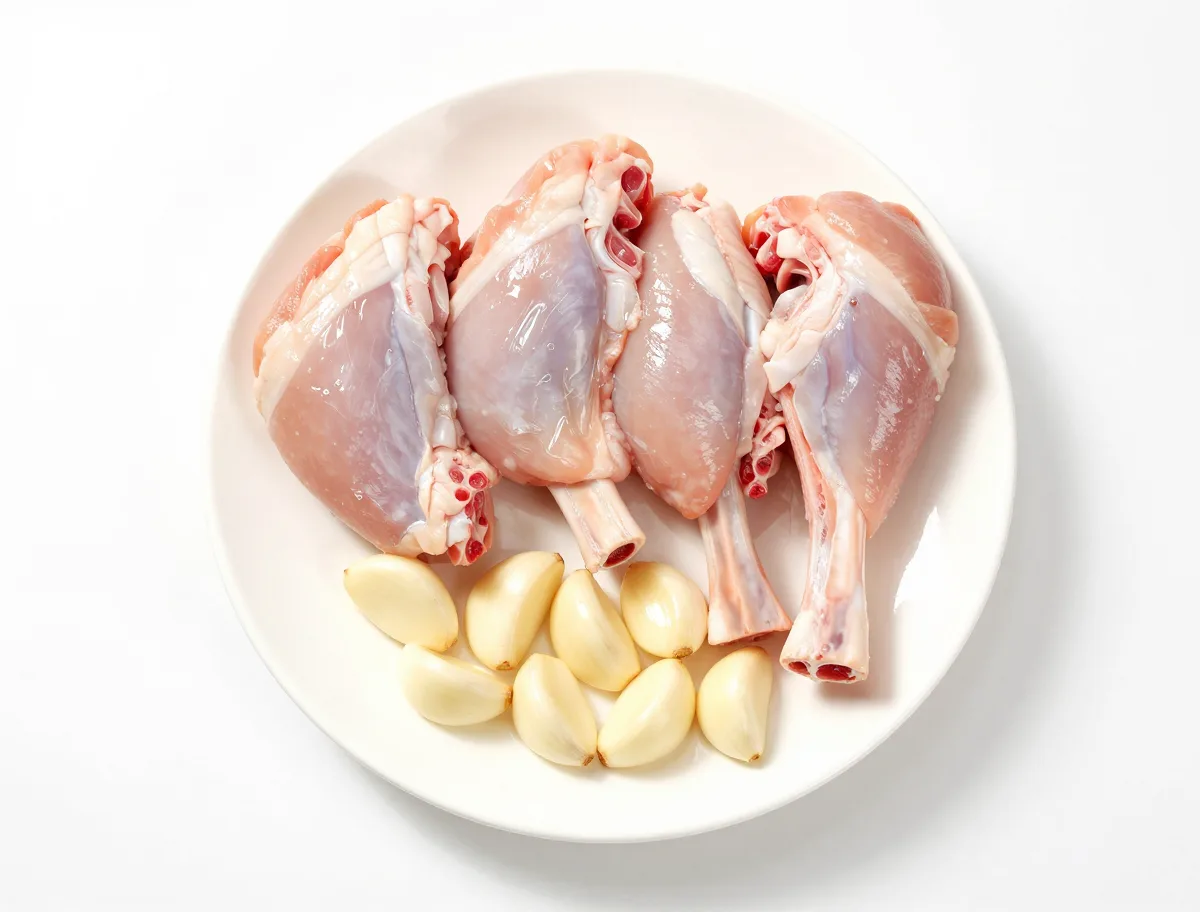
- 2 1/2 pounds bone-in, skin-on chicken thighs, about 4 thighs, patted very dry
- 1 tablespoon neutral oil
- 10 cloves garlic, lightly crushed and peeled
- 1/2 cup cane vinegar, or unseasoned rice vinegar
- 1/3 cup regular soy sauce, not dark or sweet soy sauce
- 1 cup water
- 2 bay leaves
- 1 teaspoon whole black peppercorns
- 1 teaspoon light brown sugar
- 1 teaspoon kosher salt, plus more for the rice water if needed
- 1 1/2 cups jasmine rice, rinsed until the water runs mostly clear
- 2 1/4 cups water, for cooking the rice
- 2 scallions, thinly sliced, for serving, optional
- 1 red chili, thinly sliced, for serving, optional
How to Make Adobo Chicken and Rice Successfully
The method separates three jobs: browning develops flavor, covered simmering tenderizes the chicken, and uncovered reduction concentrates the sauce. Keeping those phases distinct prevents the common mistake of trying to reduce the sauce while the chicken is still cooking.
- Dry the chicken thoroughly before it reaches the hot pan; moisture causes steaming instead of browning.
- Let the vinegar bubble briefly before adding the remaining liquid for a rounder, less raw-tasting sauce.
- Maintain a gentle simmer with the lid on during braising, then remove the chicken before the final reduction.
- Keep the rice covered during cooking and resting; opening the lid releases the steam it needs to finish.
Instructions
- Season and dry the chicken: Season the chicken thighs evenly with the kosher salt. Leave them at room temperature for 15 minutes while you prepare the rice ingredients, then pat the surface dry again. Dry skin browns more effectively and prevents excess splattering.
- Cook the jasmine rice: Place the rinsed jasmine rice, 2 1/4 cups water, and a small pinch of the measured kosher salt in a medium saucepan. Bring to a boil, stir once, cover, and reduce the heat to low. Cook until the water is absorbed and the rice is tender, 15 to 18 minutes. Remove from the heat and keep covered for 10 minutes.
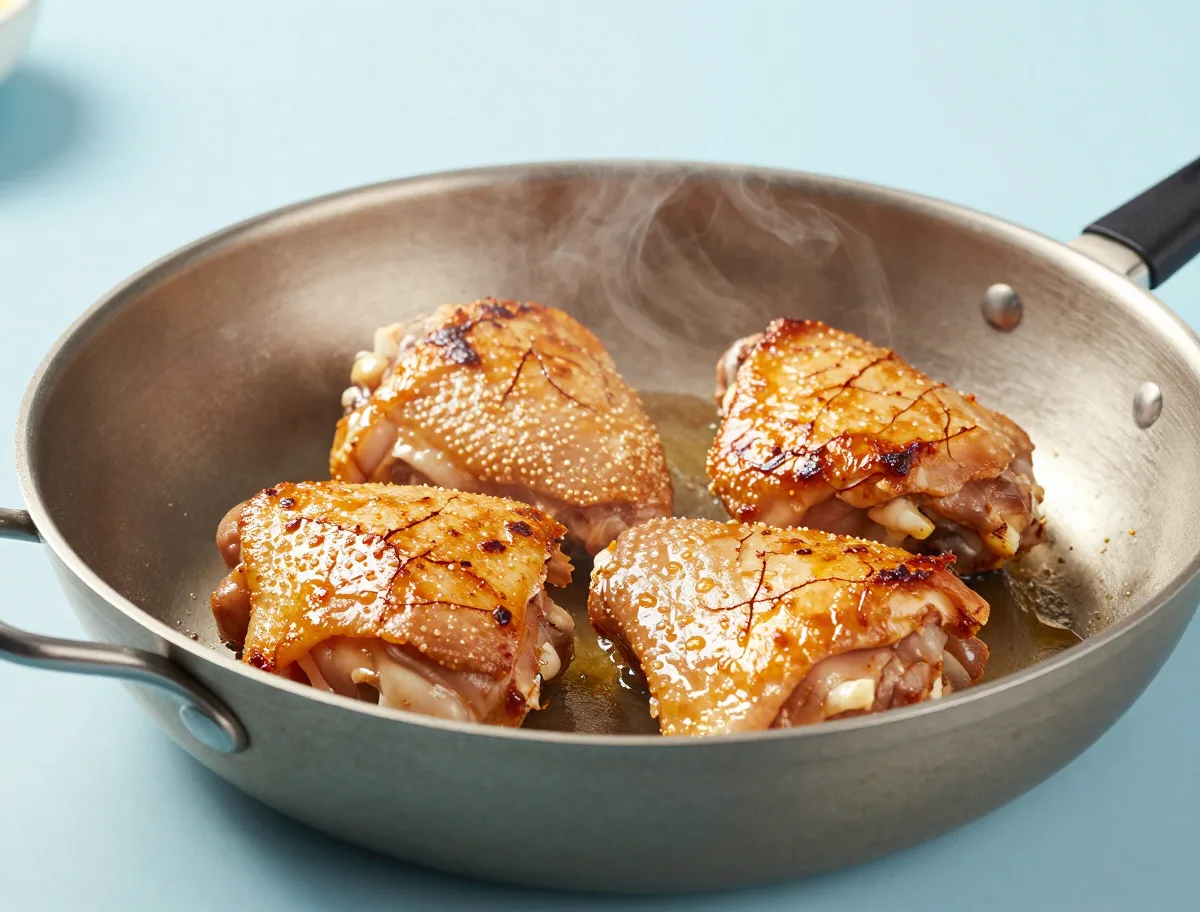
- Brown the chicken: While the rice cooks, heat the neutral oil in a wide, heavy 12-inch skillet or Dutch oven over medium-high heat. Arrange the chicken skin-side down without crowding. Cook until the skin is a deep golden brown, 6 to 8 minutes. Turn and brown the other side for 2 minutes. Transfer the chicken to a plate; leave about 1 tablespoon of fat in the pan, pouring off excess if necessary.
- Build the adobo braising liquid: Add the crushed garlic to the pan and cook for 30 seconds, just until fragrant. Pour in the cane vinegar and let it bubble for 1 minute without stirring. Add the soy sauce, 1 cup water, bay leaves, black peppercorns, and brown sugar. Scrape up any browned bits from the pan.
- Braise until tender: Return the chicken to the pan, skin-side up, along with any juices on the plate. The liquid should come about halfway up the chicken, not cover it. Bring to a gentle simmer, cover, and cook until the thighs are tender and register at least 165°F in the thickest part away from the bone, about 25 to 30 minutes. Avoid a forceful boil.
- Reduce the sauce: Transfer the chicken to a clean plate and remove the bay leaves. Simmer the braising liquid uncovered over medium heat for 5 to 8 minutes, tasting near the end, until it is dark, glossy, and lightly coats a spoon while remaining pourable. Return the chicken to the sauce for 1 minute to warm. If the sauce becomes too salty, loosen it with a few tablespoons of water; if it tastes sharply acidic, simmer it briefly longer before making any sweetness adjustment.
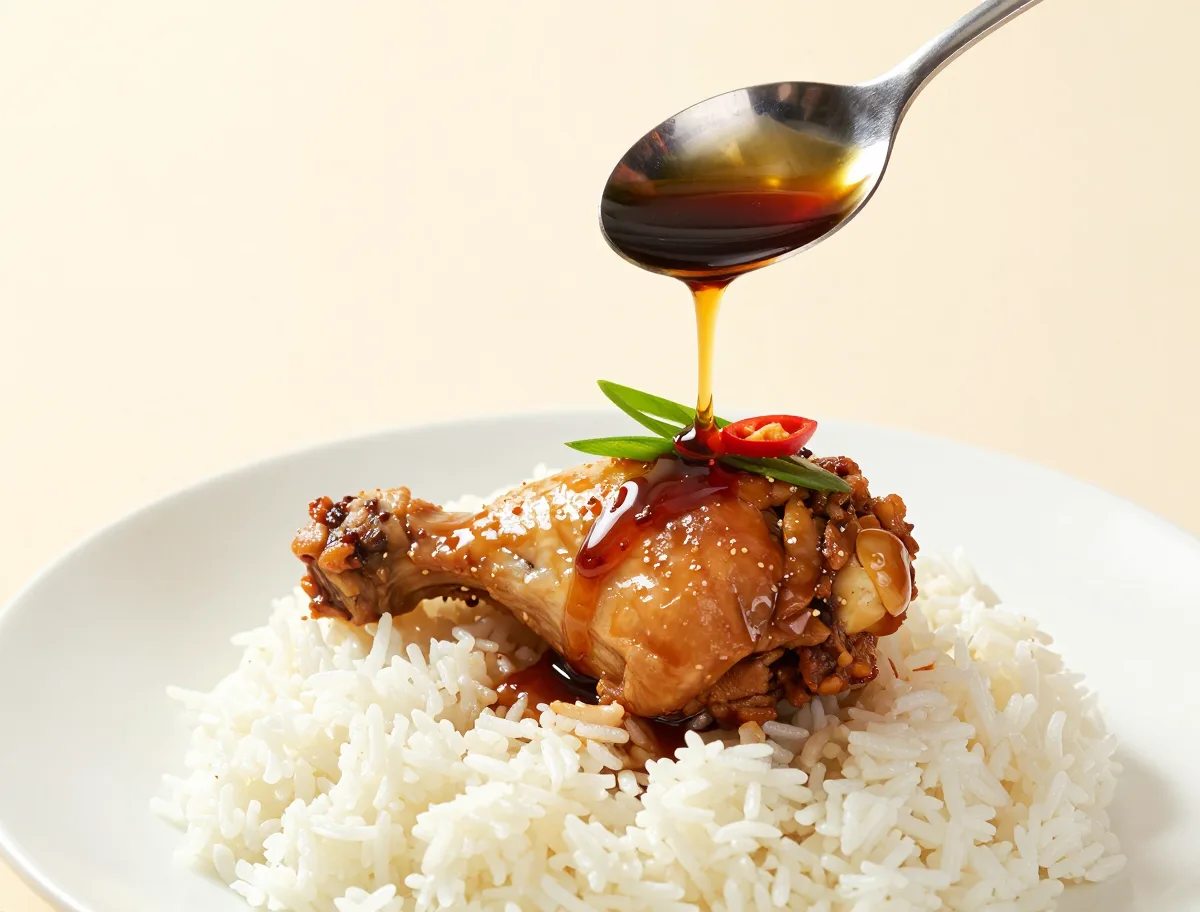
- Fluff and serve: Fluff the rested rice with a fork. Divide it among four bowls, place a chicken thigh over each portion, and spoon the reduced adobo sauce over the chicken and alongside the rice. Finish with scallions and sliced red chili if using.
How to Tell When the Chicken, Sauce and Rice Are Ready
Cooking times are useful estimates, but the pan, chicken size, and heat level can shift the endpoint. Use the thermometer for safety, then confirm the texture and appearance before serving.
- Chicken is safe at 165°F (74°C), measured in the thickest portion without touching bone. Thighs may benefit from a little more gentle cooking if they are still chewy.
- Tender thighs yield easily to a fork but should not be falling apart unless that is your preference.
- A properly reduced sauce clings lightly to the chicken and spoon while remaining fluid enough to drizzle over rice.
- Rested rice should have a tender center and distinct grains, with no pooled water at the bottom of the saucepan.
Doneness Cues
- The chicken skin should be deeply golden before the braising liquid is added.
- The sauce should be concentrated and glossy, coating a spoon lightly rather than running like thin broth.
- The chicken should be easy to pierce and register at least 165°F (74°C) in the thickest part away from the bone.
- The rice should be tender through the center, with separate grains and no standing water after its covered rest.
Why Heat, Evaporation and Rice Type Matter
Adobo becomes reliable when salt concentration, connective-tissue softening, and rice hydration are managed independently. High heat evaporates liquid before the thighs become tender, while prolonged reduction intensifies every salty ingredient left in the pan.
- A low, steady simmer gives connective tissue time to soften without rapidly drying the meat.
- A covered pan retains braising moisture; an uncovered pan is useful only after tenderness has developed.
- Rice ratios are method- and brand-dependent. Rinsing, lid fit, saucepan width, and evaporation all affect the result.
- Brown rice needs substantially more water and time than jasmine rice, so it does not share this recipe’s timing.
Common Chicken Adobo Mistakes and Fixes
Most problems can be traced to excess evaporation, uncontrolled seasoning, or mismatched cooking times. Correct the sauce separately from the chicken whenever possible so a repair does not overcook the meat.
- Too salty: Add water or unsalted liquid, then reduce cautiously. Sugar alone only disguises the concentration.
- Too sharp: Simmer uncovered for a few minutes; if the vinegar is unusually strong, dilute with a little water and add only a modest extra pinch of sugar if needed.
- Too thin: Remove the chicken and reduce the sauce alone until it lightly coats a spoon.
- Dry or tough chicken: Lower the heat, add a splash of water, cover, and continue gently if it has not yet reached tenderness. Breast meat is especially easy to overcook.
- Mushy rice: Excess liquid, stirring, or a loose timing estimate is usually responsible; it cannot be fully reversed, so measure carefully next time.
- Hard rice: Add a few tablespoons of hot water, cover, and steam over low heat if the bottom is not scorched.
Chicken, Rice and Soy Sauce Substitutions
The recipe is flexible, but each substitution changes the cooking window or seasoning. Bone-in thighs offer the widest margin for error; boneless thighs are the best quick option.
- Boneless, skinless thighs: Simmer covered for about 15 to 20 minutes, checking early. Remove them as soon as they are tender and safe.
- Chicken breast: Use large pieces and begin checking at 12 to 15 minutes of simmering. Do not keep reducing the sauce with breast meat in the pan.
- Skinless thighs: Follow the recipe as written, but use slightly less oil and expect less rendered richness.
- Brown rice: Cook it separately according to its package directions, then serve it with the adobo; do not substitute it in the jasmine-rice method.
- Tamari: Use a product labeled gluten-free for strict gluten avoidance, and compare its salt level before adding extra seasoning.
- Other vinegars: Coconut, cane, rice, or distilled white vinegar can work, but dilute a particularly forceful vinegar with water.
Filipino-Style Adobo Variations
Household and regional versions may be darker, more vinegar-forward, spicy, or enriched with coconut milk. These adaptations remain recognizably adobo when the vinegar, garlic, and salty seasoning stay central.
- For heat, add sliced fresh chili during the braise or at the table; the base recipe is mild.
- For a coconut variation, replace part of the braising water with unsweetened coconut milk and keep the sauce at a gentle simmer.
- For a more vinegar-forward style, increase the vinegar modestly rather than adding it all at the end.
- One-pot jasmine rice is convenient but less reliable because the grains absorb salt and sauce as they cook.
- A heavily sweetened sticky glaze moves away from the balanced braised style intended here.
How to Serve Chicken Adobo with Rice
Serve the chicken warm over or beside the rice, with the sauce spooned at the last moment. This keeps the grains distinct and lets each person choose how much of the concentrated sauce to mix into a bite.
- Scatter scallions over the bowls for freshness and color.
- Use the sliced red chili for a bright, optional kick.
- Plain cucumber, tomato, lightly dressed greens, or a small portion of pickled vegetables balance the rich sauce.
- Avoid pairing the dish with another heavily salted or strongly seasoned side.
How to Store, Freeze and Reheat Chicken Adobo
Adobo reheats well, and its sauce can become more integrated after a night in the refrigerator. For the best texture, store the chicken and sauce separately from the rice whenever possible.
- Refrigerate chicken, sauce, and rice in shallow containers within 2 hours of cooking, or within 1 hour when the room is above 90°F (32°C).
- Keep refrigerated leftovers at 40°F (4°C) or below and use within 3 to 4 days.
- Freeze chicken with its sauce in airtight portions; freeze rice separately for easier reheating. Thawed rice may be softer.
- Reheat only the amount needed. Warm the chicken and sauce gently with a splash of water, and heat rice covered with a few drops of water.
- Reheated leftovers should reach 165°F (74°C) throughout. Do not attempt to rescue chicken or rice that has remained at room temperature beyond the safe holding window.
Chicken Adobo and Rice FAQ
These answers address the most useful choices for adapting this stovetop adobo chicken and rice recipe without losing its balance or texture.
Is this traditional Filipino chicken adobo?
It is a Filipino-style adobong manok based on the widely recognized vinegar, garlic, pepper, bay-leaf, and salty-seasoning foundation. Filipino adobo has many household and regional versions, so this recipe is one coherent interpretation rather than a claim that one ratio is universal.
Should I cook the rice in the same pot as the chicken?
Separate jasmine rice is the dependable choice because chicken tenderness and sauce reduction can be controlled independently. A one-pot version is possible with white jasmine rice, but it requires carefully measured liquid and closer timing.
Are bone-in thighs better than boneless thighs?
Bone-in thighs are more forgiving and contribute extra richness during the braise. Boneless thighs cook faster and are convenient for weeknights; start checking them after about 15 minutes of simmering.
Can I use chicken breast?
Yes, but use large pieces, avoid a hard boil, and begin checking the internal temperature after 12 to 15 minutes. Breast meat can dry out before the sauce reaches its final concentration, so reduce the sauce after removing the chicken.
How acidic should adobo taste?
It should be clearly tangy but not harsh or mouth-puckering. Brief boiling softens raw vinegar flavor. If your vinegar is especially strong, dilute the sauce with water and simmer it longer before adding more sugar.
Can tamari replace soy sauce?
Yes. Choose tamari labeled gluten-free when necessary, check its saltiness, and season cautiously because brands vary. Tamari may produce a slightly different but compatible flavor.
Can I use brown rice?
Cook brown rice separately according to the package directions. Its longer cooking time and higher liquid requirement usually conflict with the time needed for tender chicken thighs in a single pot.
How can I make the adobo spicy?
Add sliced fresh chili during the braise for integrated heat, or add it at serving for a sharper, more adjustable kick. Chilies are optional and not needed for the core adobo flavor.
A Brief Note on Filipino Adobo
Filipino adobo is associated with cooking meat or other ingredients in vinegar with aromatics and a salty seasoning such as soy sauce or salt. The Spanish term was applied to an older local vinegar-based practice; contemporary versions vary by region and household, including soy-free, coconut-rich, and chili-spiced preparations. For additional institutional context on Filipino adobo’s vinegar-based method, historical naming, and regional variation, see Britannica’s overview of adobo.
- Vinegar is structural to the cooking method and flavor, not merely a finishing accent.
- Soy sauce is common in modern versions but is not required in every Filipino adobo.
- Variation is part of the dish’s history, so a recipe can be recognizable without following one official formula.
Food-Safety Reminders for Chicken and Rice
Handle the raw chicken separately from cooked rice, garnishes, and serving utensils. The chicken and reheated leftovers must reach the appropriate internal temperature, while cooked rice deserves particular care because surviving spores can multiply if it sits warm for too long.
- Cook chicken to at least 165°F (74°C), measured in the thickest portion away from the bone. See USDA safe cooking temperature guidance for poultry and reheated leftovers.
- Wash hands and clean surfaces and utensils that contact raw poultry before handling cooked food.
- Refrigerate chicken and rice within 2 hours, or within 1 hour in temperatures above 90°F (32°C), using shallow containers.
- Keep leftovers at 40°F (4°C) or below for 3 to 4 days and reheat portions to 165°F (74°C).
- Discard rice or chicken left at room temperature beyond the recommended window; reheating does not reliably correct unsafe holding.