Indian Barbecue Chicken Recipe with Tandoori Spices
This Indian barbecue chicken recipe uses a thick yogurt-spice marinade for juicy, smoky chicken with charred edges, then serves it with fresh mint chutney, lemon, and onion.
What Makes This Indian BBQ Chicken
This is Indian-spiced barbecue chicken, not chicken coated in a sweet bottled barbecue sauce. Yogurt, ginger, garlic, warm spices, and chili create a savory, lightly tangy coating that browns over the grill and develops smoky char.
- Boneless chunks give the dish a chicken-tikka-style character.
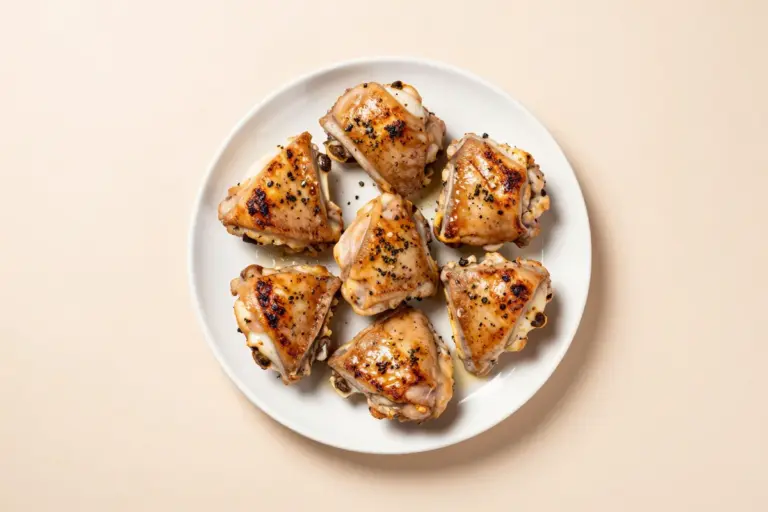
- The expected result is a moist center, an adherent spice crust, and browned edges with a few darker grill marks.
- It is tandoori-inspired rather than traditional tandoori chicken: a barbecue grill cannot reproduce the enclosed heat of a clay tandoor.
Why the Yogurt-Spice Marinade Works
The marinade is designed to cling to the chicken while carrying flavor to the grill. Thick yogurt supplies tang and a creamy coating; oil helps distribute the spices and encourages browning; salt seasons the meat; and lemon adds brightness without making the mixture sharply acidic.
- Garam masala provides warm aromatic depth, while cumin and coriander add earthy, toasted notes.
- Turmeric contributes color and a subtle bitter warmth rather than dominating the blend.
- Kashmiri chili brings red color and moderate heat; it can be separated from cayenne so the color does not dictate the spice level.
- Boneless thighs are forgiving because their higher fat content helps them remain juicy during grilling.
Ingredients
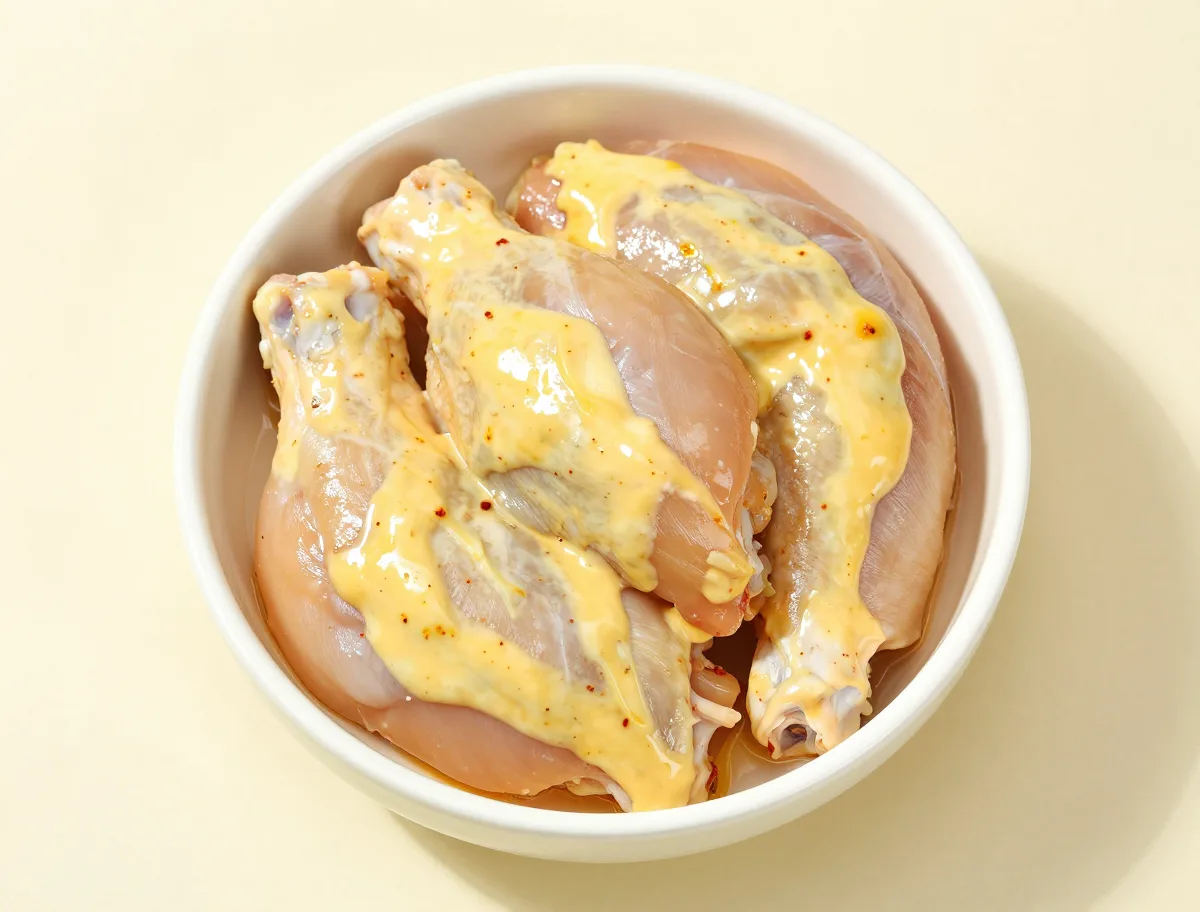
- 900 g boneless, skinless chicken thighs, trimmed and cut into 5 cm pieces
- 1 cup plain whole-milk yogurt
- 2 tablespoons neutral oil, plus more for the grates
- 1 1/2 tablespoons fresh lemon juice, divided
- 1 1/2 tablespoons ginger-garlic paste
- 2 teaspoons Kashmiri chili powder
- 1 teaspoon garam masala
- 1 teaspoon ground cumin
- 1 teaspoon ground coriander
- 1/2 teaspoon ground turmeric
- 1/2 teaspoon freshly ground black pepper
- 1 1/2 teaspoons fine salt, plus more for the chutney
- 1 packed cup fresh mint leaves, for the chutney
- 1/2 cup fresh cilantro leaves and tender stems, for the chutney
- 1 small green chili, roughly chopped, for the chutney
- 2 tablespoons water, for the chutney
- 1/2 small red onion, thinly sliced, for serving
- 1 whole lemon, cut into wedges, for serving
How to Grill Indian BBQ Chicken Successfully
The key is to separate browning from finishing. Start on a hot, clean grate so the coating sets and picks up grill marks, then use the cooler side of the grill whenever the yogurt and spices are coloring faster than the chicken is cooking.
- Remove heavy excess marinade before grilling; a thin coating browns better and causes fewer flare-ups.
- Leave room between pieces so the chicken grills rather than steams.
- Turn only after the surface releases reasonably easily. Repeated flipping can pull away the spice coating.
- If the chicken darkens too quickly, move it to indirect heat and close the lid instead of continuing over the flame.
- Reserve any clean marinade before adding chicken if you want a basting mixture; never brush raw-used marinade onto cooked food unless it has been boiled thoroughly.
Instructions
- Marinate the chicken: In a large bowl, whisk the yogurt, 2 tablespoons oil, 1 tablespoon lemon juice, ginger-garlic paste, Kashmiri chili, garam masala, cumin, coriander, turmeric, black pepper, and salt until smooth. Add the chicken and turn to coat thoroughly. Cover and refrigerate for at least 4 hours, or overnight; do not exceed 2 days.
- Make the mint chutney: Blend the mint, cilantro, green chili, remaining 1/2 tablespoon lemon juice, water, and a pinch of salt until spoonable and mostly smooth. Refrigerate until serving.
- Prepare the grill: Set up a two-zone grill with one side at medium-high heat and one cooler side for indirect cooking. Clean the grates, preheat them well, and lightly oil them. Remove the chicken from the refrigerator while the grill heats. Scrape off thick clumps of marinade, leaving a thin coating on the meat.
- Grill for color: Arrange the chicken on the direct-heat side with space between pieces. Grill with the lid closed, turning once the underside releases easily and has grill marks, about 3 to 4 minutes per side. If flames flare or the spices darken rapidly, move the chicken to the indirect side immediately.
- Finish gently: Move any browned but thick pieces to indirect heat, close the lid, and continue grilling until the thickest piece reaches 165°F (74°C) on a food thermometer. Smaller pieces may finish directly; avoid cooking by time alone.
- Rest and serve: Transfer the chicken to a clean platter and rest for 5 minutes. Serve with the mint chutney, sliced red onion, and lemon wedges.
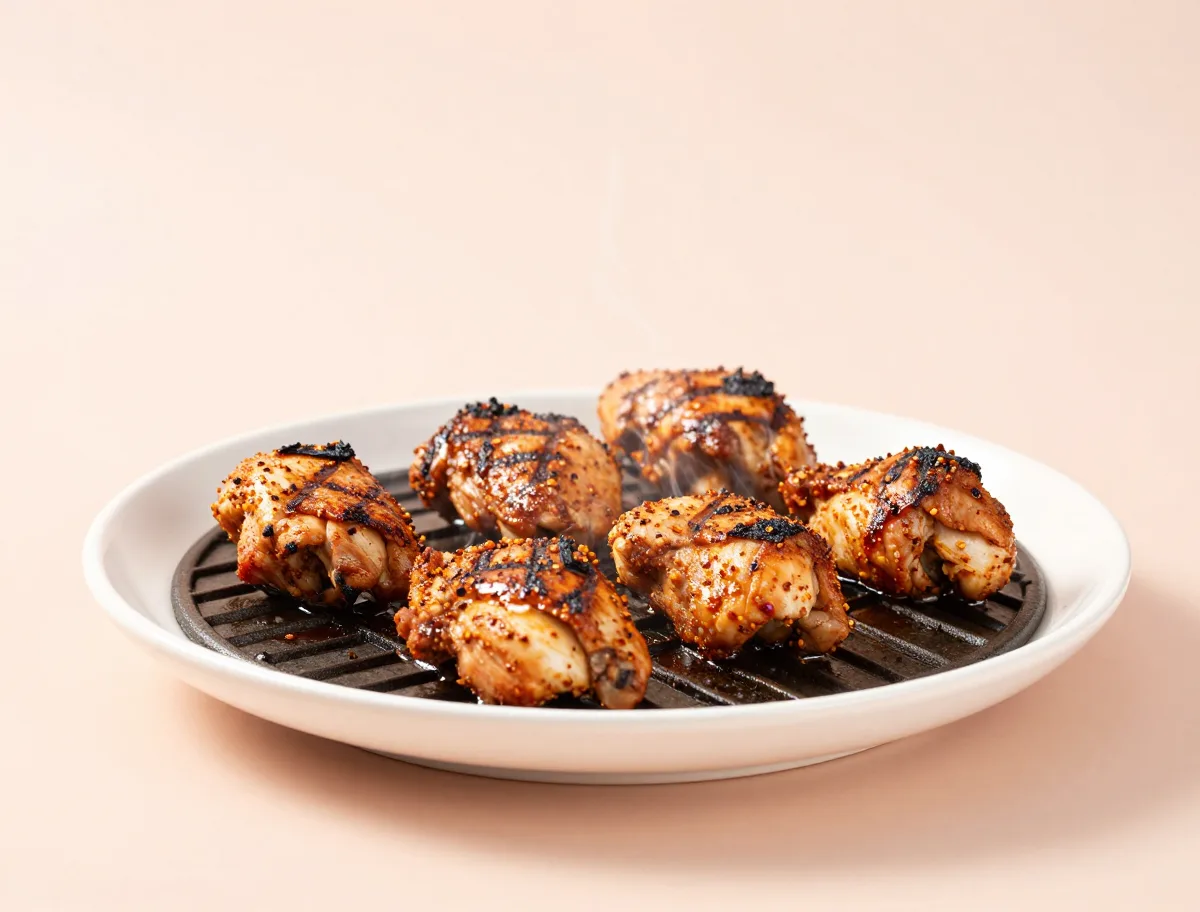
How to Tell When the Chicken Is Done
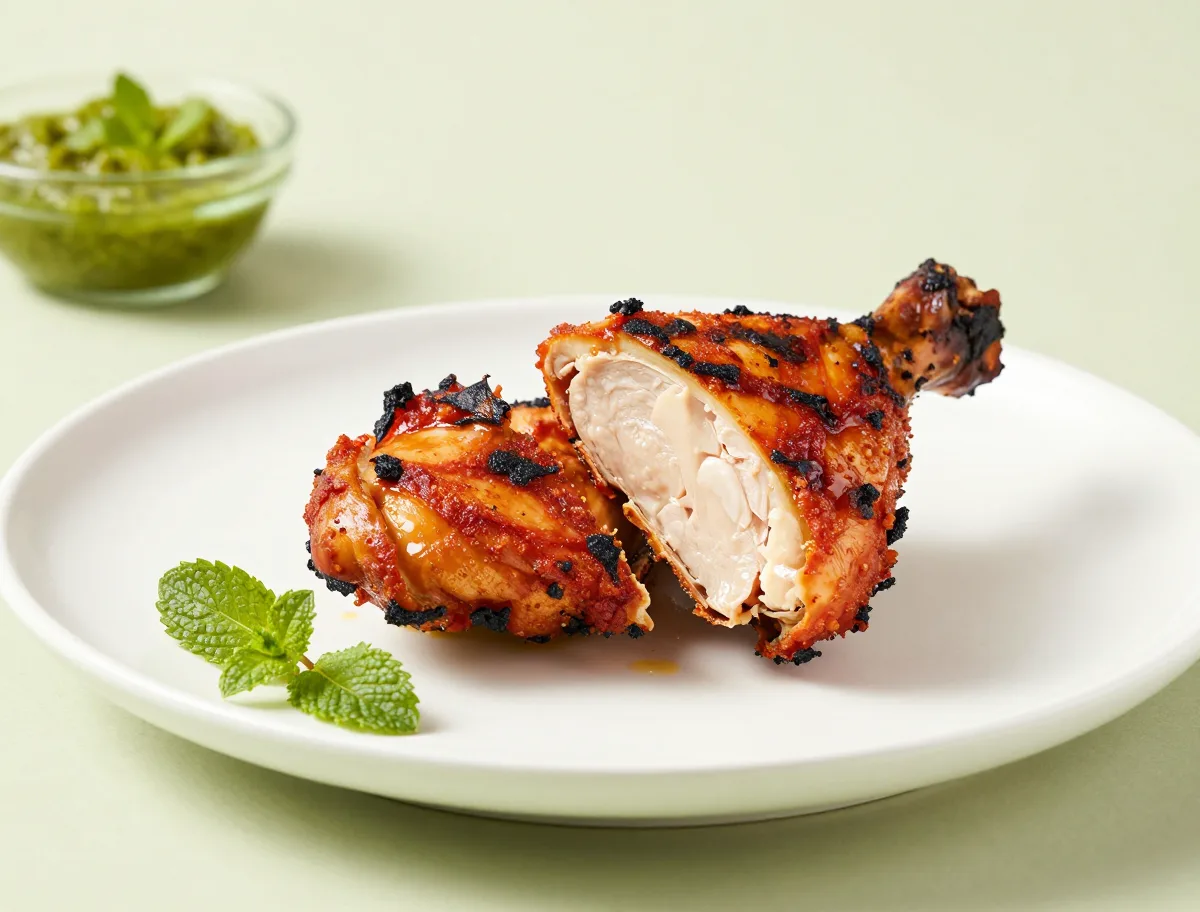
Color alone is unreliable with chili- and yogurt-coated poultry. Look for a set, browned exterior and a moist, opaque interior, but let the thermometer make the final decision.
- Check the thickest part of the largest piece with an instant-read thermometer, avoiding bone if using another cut.
- The chicken is safe when it reaches 165°F (74°C).
- A few roasted dark spots are desirable; a uniformly black coating usually means the spices or dairy solids have scorched.
- Rest the chicken for about 5 minutes so the surface juices settle before serving.
The yogurt-spice coating should be set and browned, with distinct charred spots rather than an evenly black surface. The chicken should feel springy and moist, not soft in the center or hard and dry. Every piece must reach 165°F (74°C) in its thickest section, measured away from the grill and any bone.
The Heat and Moisture Decisions That Matter
Yogurt is a relatively gentle acidic marinade, but it does not compensate for uneven pieces or overcooking. The most important variables are surface moisture, grill heat, and the thickness of the chicken.
- A wet, thick coating initially steams; scraping away excess lets the surface brown more efficiently.
- Direct heat creates char quickly, while indirect heat gives thick pieces time to cook through without burning the spices.
- Too much oil or chicken fat can drip onto the burners or coals and create bitter flare-ups.
- Added sugar is unnecessary here because it would brown rapidly and increase the chance of scorching.
Common Indian BBQ Chicken Mistakes
Most problems come from a mismatch between the size of the chicken and the intensity of the grill. Small adjustments to heat, spacing, and surface moisture usually correct the issue.
- Burnt outside, raw center: Move the chicken to indirect heat, close the lid, and continue until it reaches 165°F (74°C).
- Pale, wet coating: Remove more excess marinade, allow the grill to preheat fully, and cook fewer pieces at a time.
- Flare-ups: Move the chicken away from the flames until they subside. Do not keep turning it through the fire.
- Sticking: Clean and heat the grates, oil them lightly, and wait for the coating to set before turning.
- Dry chicken: Use thighs, make pieces uniform, and begin thermometer checks before the estimated cooking time ends.
- Weak flavor: Allow several hours of refrigerated marination and season the marinade itself rather than relying only on chutney at the table.
Ingredient Substitutions for Indian Grilled Chicken
Substitutions work best when they preserve the marinade’s basic structure: a thick coating, moderate acidity, salt, and aromatic Indian spices.
- Use plain Greek yogurt loosened with a spoonful of water if it is too dense to spread. Avoid sweetened or flavored yogurt.
- For Kashmiri chili, use sweet paprika for color with a small amount of cayenne for heat. The aroma will be less specifically Kashmiri.
- Skinless boneless thighs are the most reliable alternative to breast. If using breast, pound or portion it evenly.
- Unsweetened dairy-free yogurt can work, but its water content and acidity vary; coconut-based versions may add unwanted sweetness or coconut flavor.
- Jarred ginger-garlic paste is convenient, although freshly made paste gives a brighter, more textured coating.
Chicken Tikka-Style and Bone-In Variations
The same marinade can move the recipe toward different Indian grilled-chicken formats without losing its identity, provided the preparation remains savory, yogurt-coated, and spice-forward.
- Thread the boneless pieces onto skewers for a more pronounced chicken-tikka-style presentation; leave small gaps between pieces.
- Use drumsticks or bone-in thighs for a tandoori-inspired version, making shallow slashes through the thickest flesh and finishing over indirect heat.
- Wings also work, but their fat can cause more flare-ups; begin over indirect heat and char them only at the end.
- Adjust heat with cayenne or fresh chili while keeping mild red chili for color.
- A sweet barbecue glaze or curry sauce would change the dish into a different preparation rather than a variation of this recipe.
What to Serve with Indian BBQ Chicken
Fresh, cooling accompaniments balance the roasted spices better than a heavy sweet barbecue sauce. Serve the chicken soon after its short rest, while the char is still distinct.
- Mint chutney adds herbal freshness, acidity, and a cooling contrast to the grilled coating.
- Lemon wedges and lightly salted sliced onion brighten each bite.
- Cucumber raita or plain yogurt is useful when the chicken is made hot with extra chili.
- Warm naan, roti, or basmati rice can turn the chicken into a complete meal.
- A simple cucumber, tomato, or leafy salad adds crispness without competing with the marinade.
How to Store, Freeze, and Reheat Indian BBQ Chicken
Marination is an excellent make-ahead step, but it should always happen in the refrigerator. Cooked chicken keeps safely for several days, although the crust will soften during storage and reheating.
- Marinate covered at 40°F (4°C) or below for several hours or overnight; two days is the refrigerated safety maximum, not the target for best texture.
- Refrigerate cooked chicken within 2 hours, or within 1 hour when the outdoor temperature is above 90°F (32°C).
- Use refrigerated leftovers within 3 to 4 days, or freeze them in airtight packaging.
- Thaw frozen chicken in the refrigerator, cold water, or microwave, never on the counter.
- Reheat covered with a splash of water or stock until the center reaches 165°F (74°C). Gentle reheating preserves moisture better than prolonged high heat, though it will not fully restore fresh grill char.
Indian BBQ Chicken Questions, Answered
These practical answers address the most common choices around the marinade, heat level, chicken cuts, and cooking equipment.
Is this chicken made with barbecue sauce?
No. The barbecue flavor comes from the grill and its smoke, while the Indian character comes from yogurt, aromatics, and spices. A conventional sweet barbecue sauce is not needed.
How long should the chicken marinate?
Give boneless pieces at least 4 hours for good flavor; overnight is convenient. Keep the chicken refrigerated throughout, and do not leave it in the marinade for more than 2 days.
Can I use chicken breast?
Yes, but cut it into evenly thick pieces or lightly pound it first. Breast meat dries more quickly, so begin checking its temperature early.
How spicy is this recipe?
As written, it is moderately spiced rather than aggressively hot. Kashmiri chili supplies color and gentle warmth. Add cayenne for heat without needing to increase the red chili powder.
Can I cook the chicken without an outdoor grill?
Yes. Roast it at 425°F (220°C) until it reaches 165°F (74°C), then use the broiler briefly for browning. A grill pan also works, although neither indoor method provides the same smoke as an outdoor barbecue.
Why did the marinade burn before the chicken was cooked?
The heat was too intense for the piece thickness, or too much wet marinade remained on the surface. Scrape off heavy excess and move the chicken to indirect heat as soon as the spices darken quickly.
Indian BBQ Chicken, Tandoori, and Chicken Tikka
Indian BBQ chicken is best understood as a contemporary grill adaptation within a broad South Asian tradition of yogurt-marinated, spice-coated grilled poultry. The terms overlap, but they are not interchangeable in a strict culinary sense.
- Tandoori technically refers to food cooked in a tandoor, a South Asian clay oven; this recipe uses a barbecue grill. See the Oxford Learner’s Dictionaries definition of tandoori for this cooking-method distinction.
- Chicken tikka generally describes marinated pieces or chunks, often boneless and skewered, which is why this recipe has a tikka-style resemblance.
- Bone-in grilled portions are closer in presentation to tandoori chicken, but they remain a grill adaptation rather than tandoor-cooked chicken.
- Modern tandoori chicken is strongly associated with Punjabi foodways and twentieth-century restaurant culture, but simplified single-inventor stories should not be treated as settled history.
Food Safety for Yogurt-Marinated Chicken
Raw poultry requires careful separation from ready-to-eat food, reliable refrigeration, and a thermometer check. Marinade can carry raw chicken juices, so handle it as carefully as the chicken itself.
- Keep the covered chicken at 40°F (4°C) or below while it marinates.
- Wash hands, boards, bowls, and utensils that contact raw chicken before using them for cooked food.
- Place grilled chicken on a clean platter, not the one that held the raw chicken.
- Cook every piece to at least 165°F (74°C) in the thickest part.
- Do not serve or reuse marinade that touched raw chicken unless it has been brought to a full boil; reserving a clean portion before marinating is safer.
- Chill leftovers within the recommended time limits and reheat them to 165°F (74°C).
For additional guidance on refrigerated marination, safe poultry temperatures, raw marinade handling, and leftovers, consult USDA safe poultry marinating guidance.
Recipe Notes
- Boneless thighs are used here because they stay moist and tolerate the brief high-heat grilling better than breast meat.
- For chicken breast, cut pieces to an even thickness and begin checking the temperature early.
- Kashmiri chili gives color and moderate warmth. For a hotter result, add 1/4 teaspoon cayenne to the marinade; for a substitute, use 1 1/2 teaspoons sweet paprika plus 1/2 teaspoon cayenne.
- To use an oven, roast the marinated chicken on a lined rack at 425°F (220°C) until it reaches 165°F (74°C), then broil briefly for color. A grill pan works similarly over high heat but provides less smoke.
- Keep raw chicken refrigerated during marination. Use separate utensils and a clean platter for cooked chicken.