Belizean Journey Cake Recipe (Johnny Cakes)
This Belizean journey cake recipe makes tender, coconut-scented Johnny Cakes with lightly browned tops and a soft, slightly dense crumb. Serve them warm with butter, beans, eggs, cheese, or jam.
What Are Belizean Journey Cakes?
In Belize, journey cake is commonly another name for Johnny cake: a small, baked wheat-flour bread enriched with coconut milk. Unlike the cornmeal griddle cakes associated with some North American uses of the name, the Belizean version is shaped into thick rounds and baked.
- Expect a lightly browned exterior and a soft, slightly dense, biscuit-like interior.
- The flavor is coconutty and gently salty rather than distinctly sweet.
- The sturdy rounds can be split and filled, making them useful as both breakfast bread and portable food.
Why These Ingredients Matter
All-purpose flour gives the cakes enough structure to split without creating the chew of a yeast bread. Baking powder provides lift, while coconut milk supplies the recipe’s characteristic aroma, richness, and moisture. Salt keeps the mild dough from tasting flat.
- Shortening is the baseline fat because it is nearly water-free and reliably tenderizes the crumb.
- A small amount of sugar is optional; it improves browning and softness without turning the cakes into dessert.
- Full-fat coconut milk is important for both flavor and texture. Add it gradually because brands differ considerably in thickness.
Ingredients
- 3 cups all-purpose flour, plus more for the work surface if needed
- 1 tablespoon baking powder
- 1 teaspoon fine salt
- 1 tablespoon granulated sugar, optional
- 6 tablespoons vegetable shortening, softened but not melted
- 1 1/4 cups full-fat coconut milk, room temperature; reserve up to 2 tablespoons
The Key Technique for Soft, Tender Johnny Cakes
Treat the dough more like a biscuit dough than a loaf of bread. Rubbing the shortening into the flour coats some of the flour particles before liquid is added, helping limit gluten development. Once the coconut milk is incorporated, handle the dough only enough to make it smooth and cohesive.
- Add the coconut milk in stages rather than pouring it all in at once.
- A soft dough is preferable to a stiff one, but it should release from the bowl and hold its shape.
- The brief covered rest allows the flour to hydrate and the dough to relax; it does not require proofing.
- Flatten every portion to a similar thickness so the bottoms do not burn before the centers set.
- Fork pricks control excessive puffing and give the cakes their familiar finish.
Instructions
- Heat the oven: Set a rack in the center of the oven and heat to 400°F (200°C). Lightly grease a large baking sheet.
- Combine the dry ingredients: Whisk the flour, baking powder, salt, and optional sugar in a large bowl until evenly distributed.
- Work in the shortening:
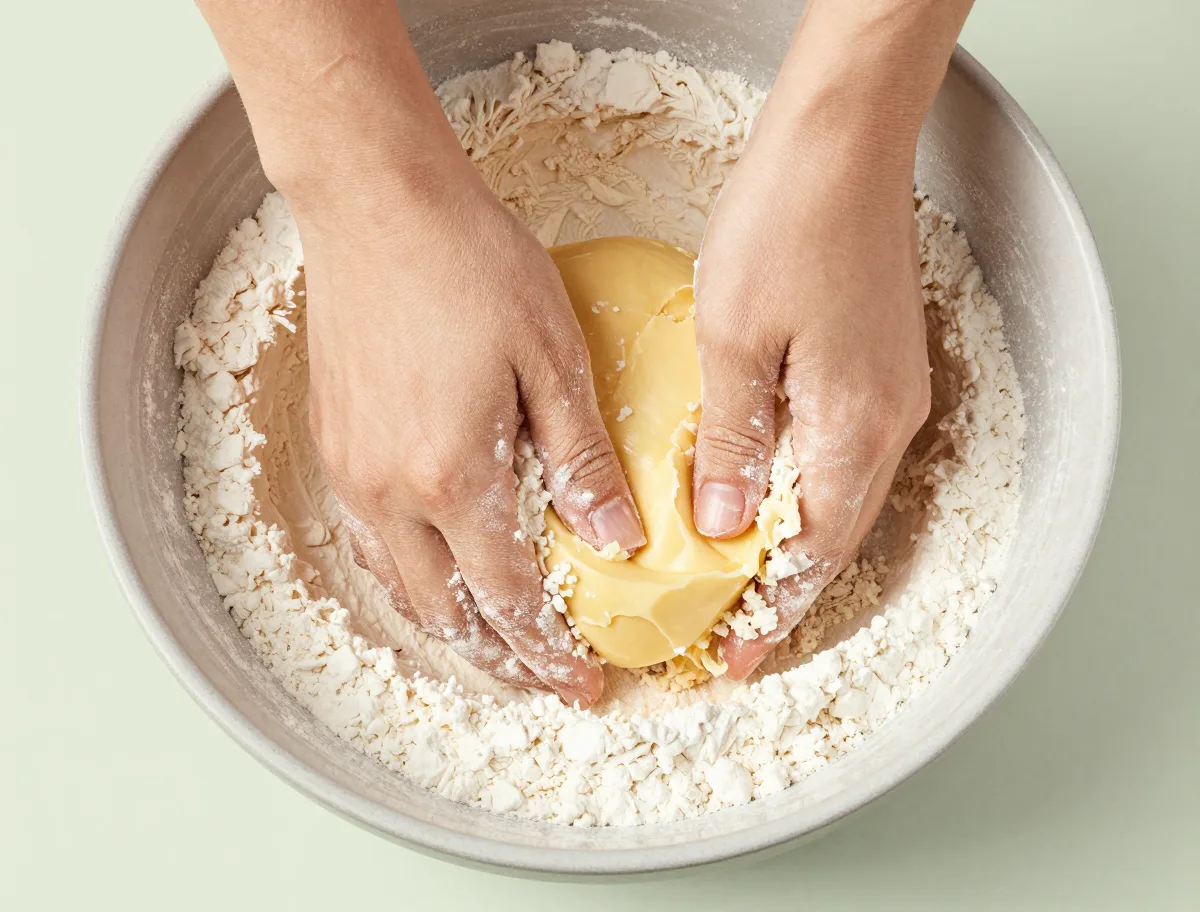
Add the softened shortening and rub it into the flour mixture with your fingertips until the mixture looks evenly crumbly, with no large lumps of fat remaining.
- Form a soft dough: Pour in 1 cup of the coconut milk and stir with a sturdy spoon. Add more coconut milk, 1 tablespoon at a time, until the dough comes together into a soft, cohesive mass. It should feel supple and lightly tacky but not wet or sticky. If it is dry and cracking, use some of the reserved milk.
- Knead briefly and rest: Turn the dough onto a lightly floured surface and knead only until smooth, about 60 to 90 seconds. Cover with the bowl or a clean towel and let it rest for 15 minutes. This is a relaxation rest, not a yeast rise.
- Shape the Johnny Cakes:
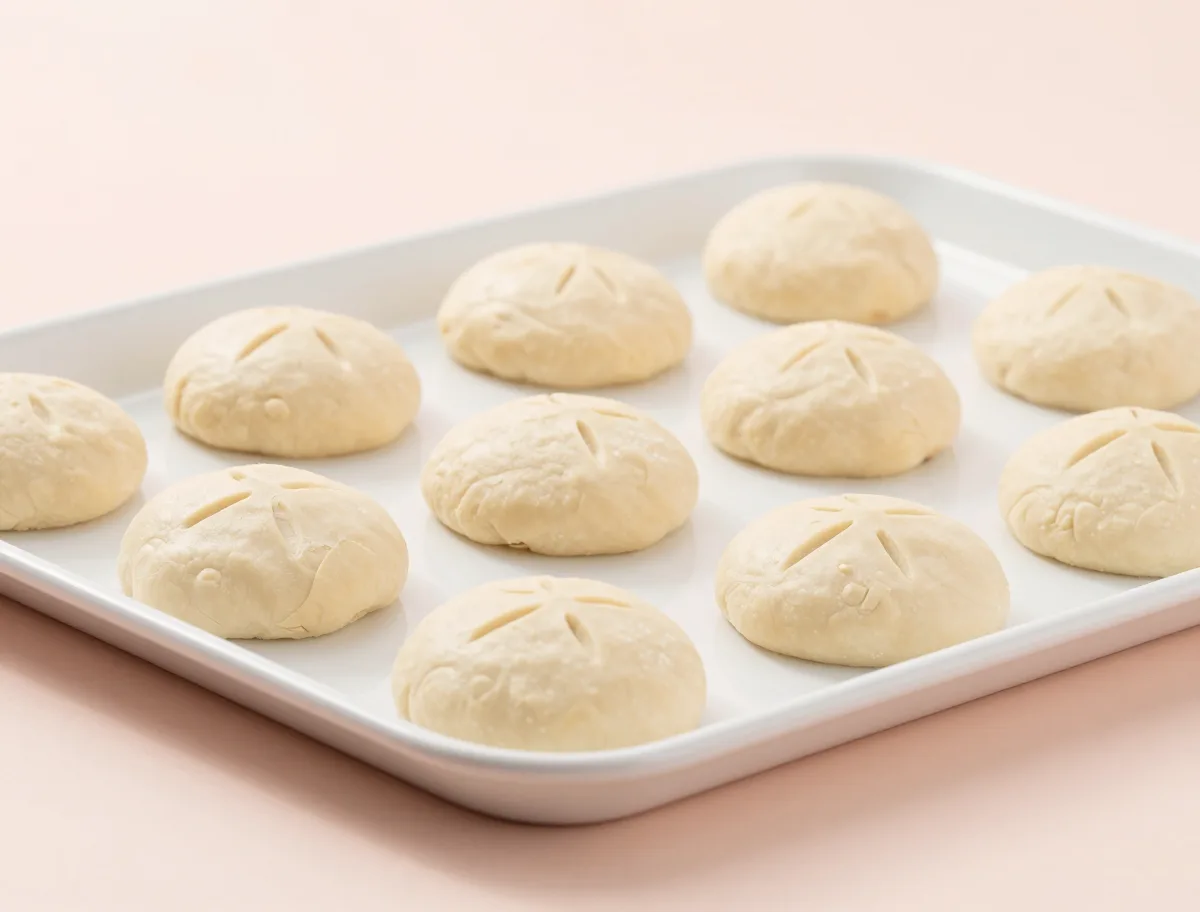
Divide the dough into 10 equal portions. Roll each into a ball, then flatten it into a thick round about 3 inches wide and 1/2 to 3/4 inch thick. Arrange the rounds on the prepared sheet with at least 1 inch between them. Prick each top three or four times with a fork.
- Bake until lightly golden: Bake for 18 to 22 minutes, rotating the sheet once, until the tops are pale golden, the bottoms are lightly browned, and the centers feel set. A toothpick inserted in the thickest cake should come out clean or with a few moist crumbs.
- Cool briefly and serve:
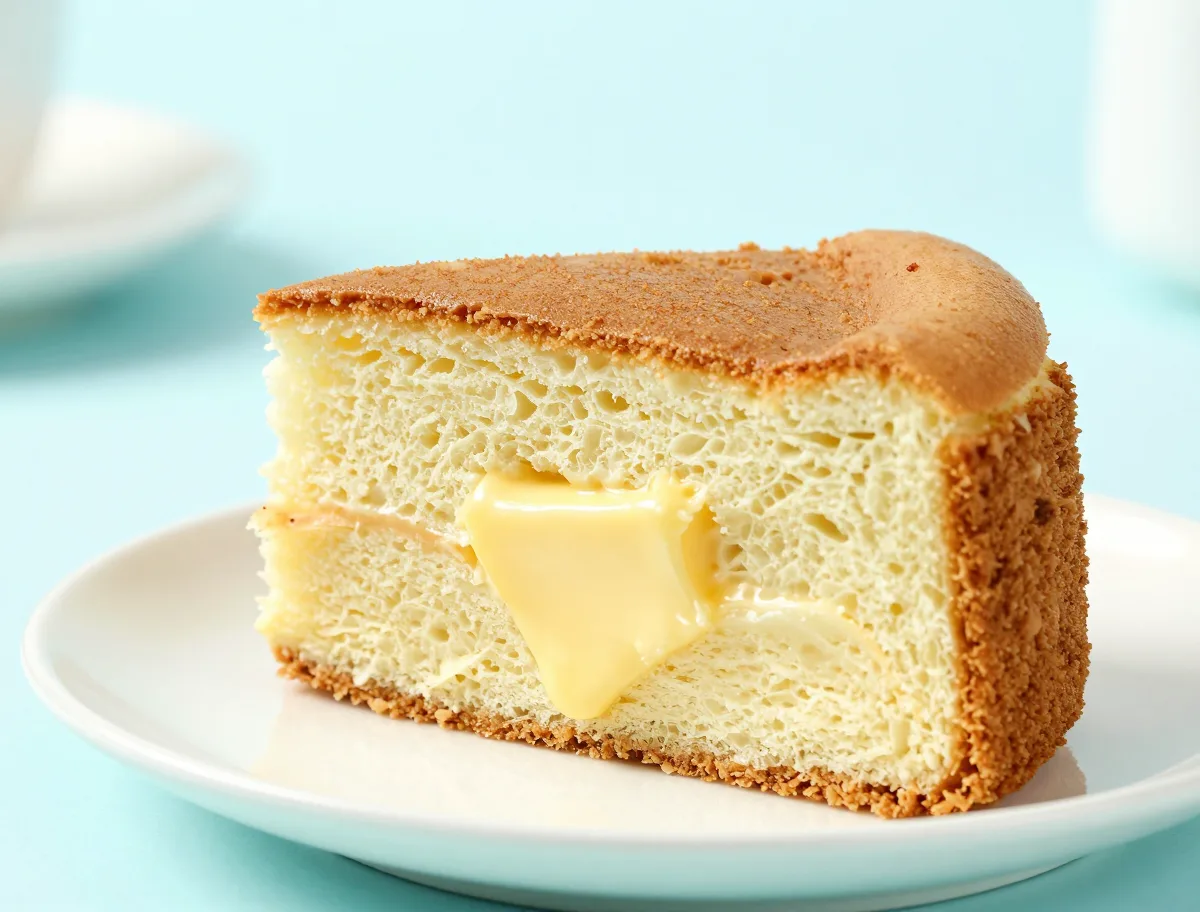
Let the cakes cool on the baking sheet for 5 minutes, then transfer them to a rack. Serve warm, split with a serrated knife if desired.
How Belizean Johnny Cakes Should Look and Feel
A finished journey cake should be tender and substantial, not airy like a dinner roll or flaky like laminated pastry. The outside may have a modest crispness when hot, while the interior stays moist, soft, and slightly dense.
- The rounds should retain their height and show little uncontrolled spread.
- Look for light color on top and a more noticeable golden-brown underside.
- The center should be fully set, with no gummy band beneath the crust.
- Allow the cakes to cool for a few minutes before splitting; the crumb firms enough to cut cleanly while remaining warm.
Doneness Cues
- The cakes remain thick and round rather than spreading flat.
- Tops are pale golden and the undersides show light browning.
- The surface feels set while the cakes still feel tender.
- A toothpick shows no wet dough; a few moist crumbs are acceptable.
- For a thermometer check, the center should be approximately 200°F to 209°F.
The Variables That Control Texture
The recipe’s texture depends on the balance between moisture, fat, leavening, and handling. Fat interrupts the formation of a strong gluten network; baking powder and steam provide expansion; and the oven’s initial heat sets the shape before the rounds can spread too far.
- Overworking develops more gluten and produces a chewy cake, so stop kneading as soon as the dough is smooth.
- Thicker rounds stay softer but need enough time for the centers to cook through.
- A fully preheated oven is essential: a cool oven encourages spreading and can leave the crumb heavy.
- Butter contains water, unlike shortening, so a butter dough may need slightly less coconut milk and may brown faster.
Common Journey Cake Problems and Fixes
Most problems arise from adjusting the dough too aggressively. Correct the consistency with small additions before shaping, then avoid trying to solve every issue by adding flour or kneading longer.
- Dry, crumbly dough: Add coconut milk a teaspoon or tablespoon at a time until cracks disappear and the dough holds together.
- Sticky, spreading dough: Work in only a small dusting of flour. If the dough is very warm, let it rest briefly before shaping rather than continually adding flour.
- Tough cakes: The dough was likely kneaded too long or repeatedly corrected with flour. Mix and knead less next time.
- Heavy cakes: Check that the baking powder is fresh, the oven is fully hot, and the rounds are not oversized.
- Brown outside, raw center: Shape the cakes thinner, move the pan to a lower rack, or reduce the oven slightly and bake longer.
Shortening, Butter, and Coconut Oil Options
Shortening gives the most neutral flavor and predictable tenderness, but the recipe can accommodate other fats. Each substitution changes the dough slightly, so it is better to adjust the coconut milk by feel than to assume the results will be identical.
- Butter can replace the shortening in an equal volume. Begin with slightly less coconut milk because butter contributes water, and expect richer browning.
- Soft, cool-solid coconut oil is a good dairy-free alternative. Avoid using it hot and fully liquid, which can make the dough difficult to shape and encourage spreading.
- Virgin coconut oil intensifies the coconut aroma; refined coconut oil keeps the flavor more restrained.
- A half-shortening, half-butter blend offers a compromise between a tender crumb and dairy flavor.
- Thin coconut beverage can be used only with caution; it usually gives a less rich result and may require a different final amount.
Belizean Variations and What Is Different
Household versions vary in sweetness, fat, and size, so a small sugar addition or a butter-and-shortening blend still fits comfortably within the Belizean tradition. Savory seasoning, including curry in a clearly labeled variation, can also change the character without losing the basic format.
- For a sweeter breakfast bread, use the optional sugar in the recipe and serve with butter and marmalade.
- For a savory variation, omit sugar and add a modest amount of curry seasoning to the dry ingredients.
- Split and fill the baked cakes to preserve the classic bread shape.
- Fried Caribbean Johnny cakes, fry jacks, bakes, and cornmeal johnnycakes are related by name or region but have different methods and textures; they are not substitutions for this baked Belizean version.
How to Serve Belizean Journey Cakes
Serve these cakes warm, when the coconut aroma is clearest and the crumb is most tender. Their restrained sweetness makes them as useful with savory foods as with a simple spread.
- Split and spread with butter for a straightforward Belizean breakfast.
- Fill with refried or stewed beans and cheese, or with scrambled eggs for a satisfying sandwich.
- Pair with bacon, sausage, eggs, stewed chicken, or other savory breakfast foods.
- For a modestly sweet serving, add butter with jam or marmalade.
- Carry plain cakes for a portable snack and fill them shortly before eating.
How to Store, Freeze, and Reheat Johnny Cakes
Plain journey cakes are best on the day they are baked, but careful storage preserves their usefulness. Cool them completely before sealing so trapped steam does not make the crust damp.
- Keep plain cakes airtight at room temperature for short-term storage and use them within about 1 to 2 days for the best texture.
- For longer storage, freeze cooled cakes in a sealed container or freezer bag, separating layers with parchment. They are best within a few months.
- Reheat thawed or frozen cakes in a 325°F oven or toaster oven until warm, about 8 to 12 minutes from thawed or 12 to 16 minutes from frozen.
- A microwave can soften the center quickly but will not restore the lightly crisp exterior.
- Once filled with eggs, beans, meat, or cheese, treat the cakes as perishable leftovers: refrigerate promptly, use within 3 to 4 days, and reheat the filling thoroughly before serving.
Belizean Journey Cake Recipe FAQ
These practical answers address the naming, baking method, dough handling, and serving questions that most often arise when making Belizean Johnny cakes at home.
Are Belizean journey cakes and Johnny cakes the same thing?
In common Belizean usage, yes. Journey cake is an alternate name for the baked, wheat-flour bread commonly called a Johnny cake.
Are Belizean Johnny cakes baked or fried?
The characteristic Belizean breakfast version is baked. Fried Johnny cakes are well documented elsewhere in the Caribbean, and some household variations may differ, but they produce a different texture.
How much coconut milk should I use?
Use the measured amount as a starting point, adding it gradually until the dough is soft and cohesive. Flour absorption and coconut milk thickness vary, so the final amount may be slightly less or more.
Does the dough need to rise?
No. Baking powder supplies the lift. The short rest only hydrates the flour and relaxes the dough, making it easier to shape.
How thick should the cakes be?
Flatten them to about 1/2 to 3/4 inch thick. Thinner cakes brown quickly and may dry out, while much thicker cakes can remain underbaked in the center.
Why prick the tops with a fork?
The holes help moderate puffing and promote even baking. They are also a recognizable finishing mark on Belizean Johnny cakes.
How can I tell when they are done?
The tops should be lightly golden, the bottoms lightly browned, and the surface set. A toothpick inserted in the center should show no wet dough.
Can I use butter instead of shortening?
Yes. Butter adds dairy flavor and browns more readily, but because it contains water, begin with slightly less coconut milk and add more only if the dough needs it.
The Belizean Tradition Behind Journey Cakes
Belizean Johnny cakes are associated with Creole foodways and combine wheat flour with the locally familiar flavor of coconut. They are a regular breakfast bread and are also practical with beans, eggs, chicken, and other fillings. The popular explanation that the name reflects food made for journeys is widely repeated, but the precise naming history is not firmly settled.
- Authenticity is better judged by the Belizean context, baked wheat-flour dough, coconut character, restrained sweetness, and breakfast use than by one fixed formula.
- Shortening, butter, coconut oil, sugar, size, and hydration vary among household recipes.
- A modern oven is a practical adaptation of older hearth-baking traditions, not a departure from the bread’s identity.
- For additional cultural context and traditional pairings, see the Belize Tourism Board’s overview of Johnny cakes.
Recipe Notes
- Use full-fat canned coconut milk, not a thin coconut beverage. Stir the can well before measuring.
- The exact amount of coconut milk will vary with the flour and the thickness of the coconut milk. Stop adding liquid as soon as the dough is soft and workable.
- Shortening gives the most traditional-style, tender crumb. Keep the sugar out for a more savory breakfast bread, or include it for slightly more browning and a gentle sweetness.
- For best texture, serve the cakes warm on the day they are baked.