Shoofly Cake Recipes: Old-Fashioned Molasses Crumb Cake
This traditional-style shoofly cake recipe makes a moist, tender molasses cake with a generous buttery crumb topping, baked in a practical 9-by-13-inch pan.
What Is Shoofly Cake?
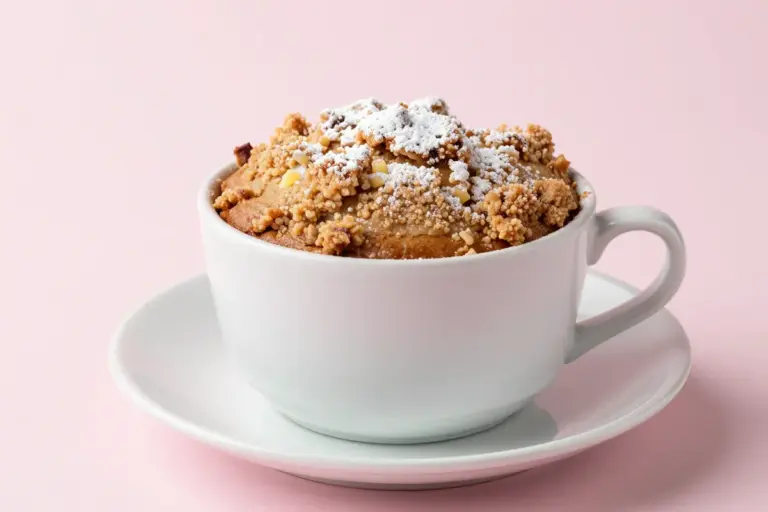
Shoofly cake is a crustless Pennsylvania Dutch molasses crumb cake: a soft, deeply flavored cake layer baked directly beneath a substantial topping made from the same flour, sugar, and fat mixture. The finished center should be moist and tender, but fully set rather than wet or custardy.
- Unlike shoofly pie, it has no pastry shell.
- Unlike a typical coffee cake, its defining flavor is molasses and its topping is built into the cake’s crumb mixture.
- It is related to regional molasses cakes and coffee cakes, but names and formulas vary by community and era.
Why the Main Ingredients Matter
The characteristic texture comes from treating the flour, brown sugar, and butter as both cake base and topping. Molasses supplies flavor, color, moisture, and acidity; hot water keeps it fluid and distributes it through the flour mixture. Baking soda reacts with that acidity to provide lift and soften the molasses’s sharper notes.
- Brown sugar helps the cake stay moist while encouraging the crumb topping to brown.
- Butter coats some of the flour, limiting toughness and creating loose, tender crumbs.
- Salt keeps the molasses and brown sugar from tasting one-dimensionally sweet.
- Boiling water is functional, not incidental: it dissolves the soda and helps hydrate the flour evenly.
Ingredients
- 3 cups all-purpose flour, spooned and leveled
- 1 1/2 cups packed light brown sugar
- 12 tablespoons unsalted butter, cool and cut into small pieces
- 1 teaspoon fine salt
- 1 1/2 cups boiling water
- 1/2 cup light or regular unsulfured molasses
- 1 1/2 teaspoons baking soda
How to Make Shoofly Cake Successfully
The important organizational step is to make the crumb mixture before making the batter. Reserve a generous portion for the top, then hydrate the remainder with the hot molasses mixture and get the cake into the oven promptly. Once the liquid is added, stir only until the dry streaks disappear.
- Use cool, solid butter so the crumbs stay distinct rather than turning greasy or pasty.
- A thin, pourable batter is expected; do not adjust it with extra flour.
- Spread the batter level and distribute the crumbs all the way to the edges for even baking.
- Bake on the center rack in a light-colored pan when possible.
Instructions
- Prepare the pan and oven: Heat the oven to 350°F (175°C). Grease a light-colored 9-by-13-inch metal baking pan. For easier lifting, line the bottom and two long sides with parchment, leaving an overhang.
- Make the crumb mixture:
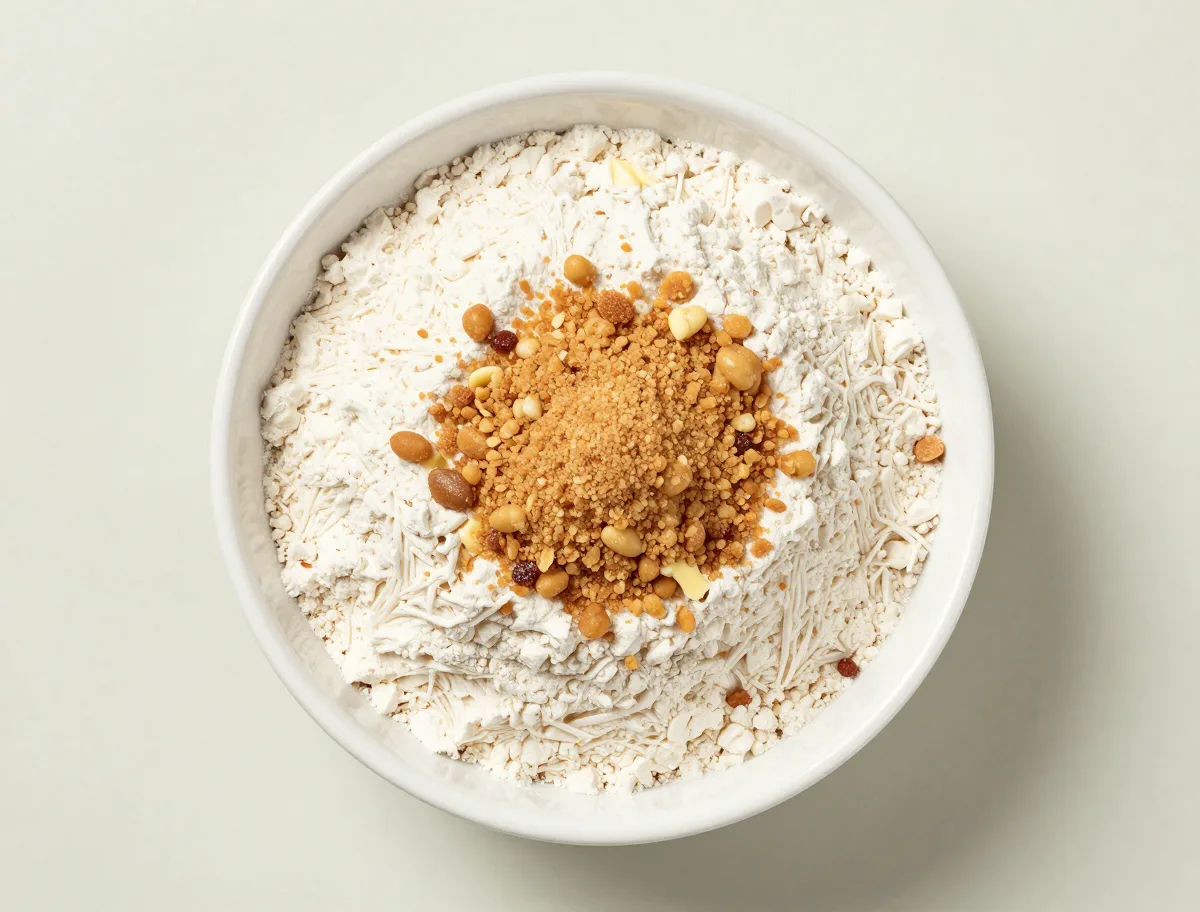
In a large bowl, whisk together the flour, brown sugar, and salt. Add the cool butter and work it in with a pastry blender, fork, or fingertips until the mixture resembles coarse, uneven crumbs. Do not knead it into a smooth dough.
- Reserve the topping: Measure out about 2 1/2 cups of the crumb mixture, or roughly 300 grams, and set it aside for the topping. The reserved crumbs should include a mixture of fine crumbs and a few pea-sized pieces.
- Build the molasses batter: Place the boiling water in a medium bowl and whisk in the baking soda until dissolved. Whisk in the molasses. Pour this hot mixture over the remaining crumbs and stir just until no dry flour remains. The batter will be thin and pourable; do not add extra flour.
- Fill and top the cake: Pour the batter into the prepared pan and spread it level. Scatter the reserved crumbs evenly over the surface, taking care not to leave a thick mound in the center.
- Bake: Bake on the center rack for 40 to 48 minutes, rotating the pan once after 25 minutes if your oven has hot spots. The cake is ready when the center no longer wobbles, springs back slightly when pressed, and a skewer inserted into the cake beneath the topping comes out with moist crumbs but no liquid batter.
- Cool and slice: Cool the cake in the pan for 20 minutes, then use the parchment to transfer it to a rack. Cool for at least another 25 minutes before slicing into squares. For the cleanest cuts and a fully settled crumb, cool completely.
How to Tell When the Cake Is Done
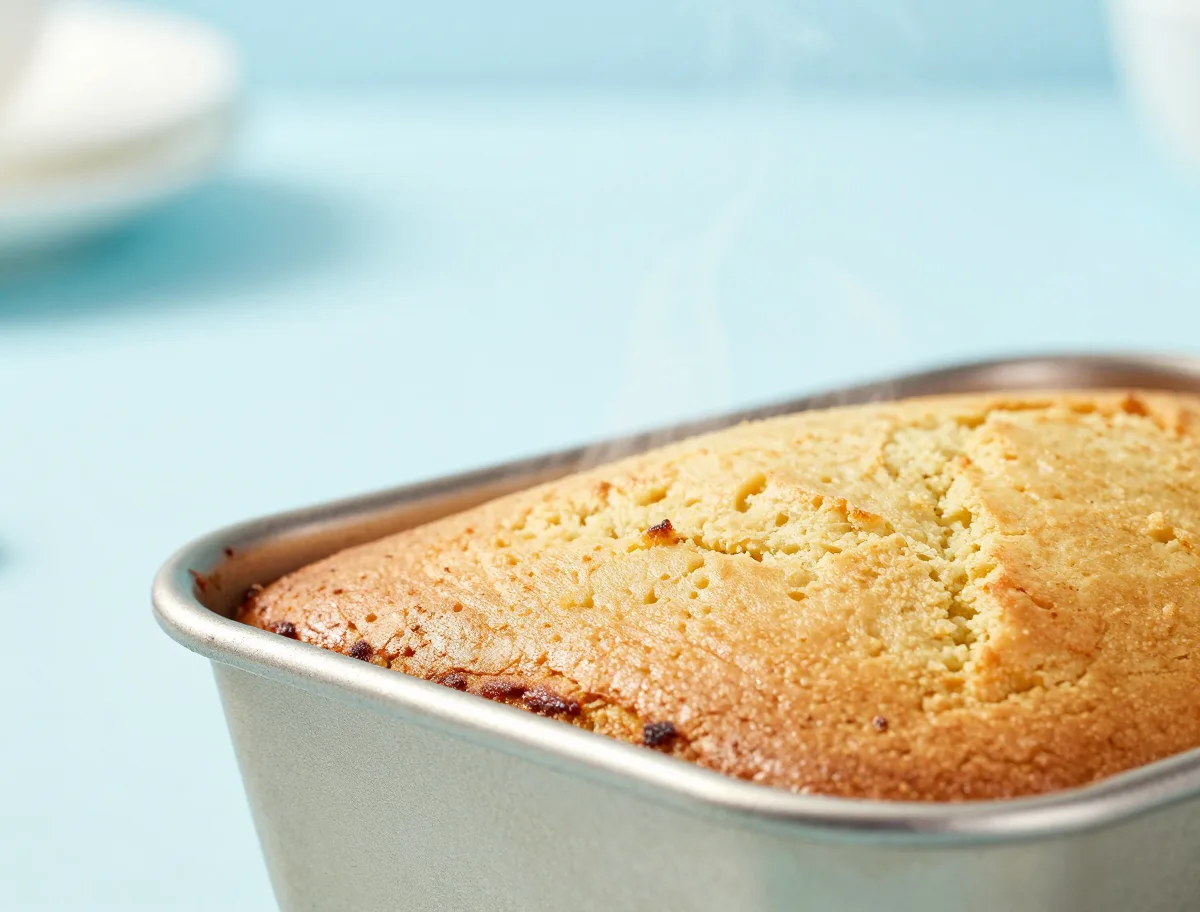
Because molasses darkens the surface, visual color alone is not a reliable doneness test. Look through the topping to assess the cake beneath it: the middle should be set and softly springy, while a tester should show a few moist crumbs without any streak of liquid batter.
- Do not wait for a completely dry skewer; that usually means the cake has begun to lose its intended moisture.
- A center that visibly wobbles or leaves wet batter on the tester needs more time.
- Let the cake cool before judging its texture. The crumb firms as it settles, and cutting it hot can make a properly baked cake seem gummy.
Doneness cues
- The center looks set rather than liquid or visibly rippling.
- The top crumbs are dry to the touch and slightly darker around the edges.
- A skewer inserted through the topping into the cake shows moist crumbs, not wet batter.
- The center gives slightly under gentle pressure and springs back rather than staying indented.
The Baking Science Behind the Molasses Crumb
Shoofly cake depends on a carefully hydrated, acidic batter. Molasses activates the baking soda, releasing carbon dioxide; the oven expands that gas while heat sets the flour’s starches and proteins. Water, flour quantity, pan depth, and baking time therefore work as a system.
- Too much soda can leave an alkaline, bitter, or soapy taste and make the cake unusually dark.
- Too little water or too much flour shifts the result toward dry or heavy rather than moist and tender.
- A deeper pan prolongs the time needed for the center to set; a shallow pan can dry at the edges before the middle is ready.
- Mix and bake soon after adding the hot liquid so the early soda-and-molasses reaction contributes to the rise.
Common Shoofly Cake Problems and Fixes
Most disappointing results come from changing the loose batter, using an unsuitable molasses, or relying on the clock without checking the center. The following adjustments address the most common faults without changing the cake’s identity.
- Gummy or dense center: bake until there is no liquid batter on the tester, and confirm that the pan is not smaller or deeper than specified. Excess flour and slicing while hot can contribute as well.
- Dry edges: check earlier, verify the oven temperature, and avoid a very large shallow pan or a dark pan that absorbs heat aggressively.
- Bitter or soapy flavor: use baking molasses rather than blackstrap and measure the baking soda carefully.
- Weak rise: make sure the soda is fully dispersed in the hot water and do not let the hydrated batter stand before baking.
- Sinking or greasy topping: use cool solid butter, stop mixing as soon as crumbs form, and scatter the topping instead of compressing it.
Molasses and Fat Substitutions
This is a flexible pantry cake, but substitutions change the finished flavor and texture. Light molasses is the mildest choice; dark molasses makes the cake more assertive and darker without requiring a different method.
- Use light or regular unsulfured molasses for a balanced, sweet molasses profile.
- Dark molasses is suitable when a stronger, less-sweet flavor is wanted.
- Avoid using blackstrap as a direct substitute unless you specifically want a notably bitter, mineral flavor.
- Solid vegetable shortening may replace butter by weight. It gives a neutral, very tender crumb; butter provides more flavor and may brown the topping a little more.
- Liquid oil is not a good default replacement because it cannot form the same loose crumb structure.
For additional reader-friendly guidance on the flavor and baking differences among light, dark, and blackstrap molasses, see King Arthur Baking’s guide to molasses varieties.
Simple Shoofly Cake Variations
Small changes can personalize the cake while keeping it recognizable. Vary the molasses intensity or crumb size, but preserve the crustless format and the contrast between moist cake and generous topping.
- For finer crumbs, work the butter in more thoroughly; for a pebbly top, leave several pea-sized pieces intact.
- A small pinch each of ground ginger or cinnamon can add warmth, though the molasses should remain the leading flavor.
- Use the full recipe in a 9-by-13-inch pan for thin, even squares, or halve it for an 8-inch square pan.
- Adding a pastry crust or deliberately retaining a gooey bottom turns the preparation toward shoofly pie rather than this cake.
How to Serve Shoofly Cake
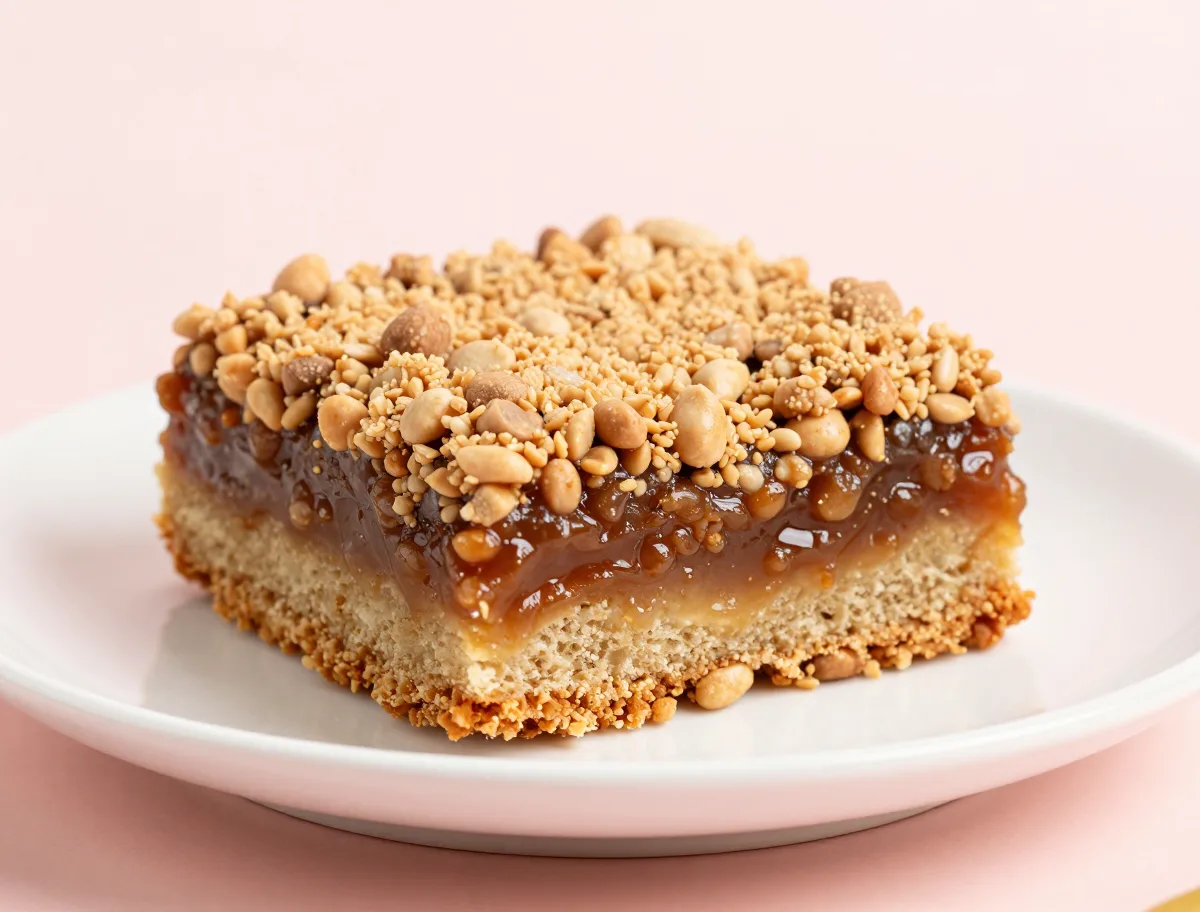
Serve the cake slightly warm for its softest crumb and strongest aroma, or cool it fully for neat squares and more definition between cake and topping. It is substantial enough to serve plain, especially alongside a hot drink.
- Pair warm squares with black coffee, which is the classic Pennsylvania Dutch-style accompaniment.
- Tea or cold milk also suits the dark molasses flavor.
- For dessert, add a spoonful of lightly sweetened whipped cream or a small scoop of vanilla ice cream.
- Rewarm individual pieces briefly and gently; excessive heat can dry the cake and soften or toughen the topping.
How to Store, Freeze and Reheat Shoofly Cake
Cool the cake completely before covering it so condensation does not soften the crumb topping. For the most conservative storage, refrigerate covered leftovers and use them within three to four days; refrigeration can firm the butter and make the topping less crisp.
- Wrap individual squares or the whole cooled cake tightly, then place them in an airtight container or freezer bag.
- Freeze for best quality for up to 2 months. Thaw while wrapped at room temperature or in the refrigerator.
- Warm thawed pieces gently in a low oven or microwave to restore a softer crumb.
- For refrigerator storage, keep the cake at 40°F (4°C) or below. Room-temperature storage is best limited to a short period in a cool, dry kitchen for a plain eggless version.
For refrigerator and freezer temperatures, leftover storage windows, and the distinction between food safety and freezer quality, consult the Cold Food Storage Charts from FoodSafety.gov.
Recipe notes
- This cake is eggless. If using a different formula that contains egg, refrigerate leftovers rather than relying on room-temperature storage.
- For an 8-inch square pan, use half the recipe and begin checking at 35 minutes. A 9-inch square pan made with the full recipe will be deeper and may need 50 to 60 minutes; protect the top with foil if it browns early.
Shoofly Cake Recipe FAQ
These answers cover the practical choices most likely to affect the result, from molasses selection to pan size and cooling.
Is shoofly cake the same as shoofly pie?
No. Shoofly cake is baked without a pastry crust and has a fully set cake crumb. Shoofly pie is built in a pastry shell and may have either a gooey or more cake-like bottom.
What type of molasses gives the best flavor?
Light or regular unsulfured baking molasses is the safest default because it is balanced and sweet enough for cake. Dark molasses works for a deeper flavor. Blackstrap is generally too bitter and concentrated for a direct substitution.
Why are baking soda and boiling water combined with molasses?
The hot water dissolves the soda and loosens the molasses, while the soda reacts with molasses acidity to provide lift and moderate its sharpness. Mix the batter promptly after this step.
Should the topping be fine or coarse?
Use a mixture. Fine crumbs make a cohesive, sandy surface, while a few larger pieces give the topping a pleasant pebbly texture. Avoid compressing the crumbs into a solid layer.
Why is the raw batter so thin?
The hot water is intentional. The flour continues hydrating in the pan and during baking, so thickening the batter with extra flour can make the finished cake dense.
Can butter replace shortening?
Yes, use butter by weight in this formula. Butter adds dairy flavor and may give a slightly crisper, more browned crumb; shortening produces a more neutral and tender result.
What pan works best?
A 9-by-13-inch pan gives the intended family-size cake and even batter depth. Smaller or deeper pans need more time, while larger or shallower pans should be checked earlier.
How do I know the center is baked without drying the cake?
The center should no longer wobble, should spring back slightly, and should leave moist crumbs rather than liquid batter on a skewer. A completely dry tester is not necessary.
Should shoofly cake cool before slicing?
Yes. Cool it at least 45 minutes for cleaner squares. The crumb firms as it cools, and cutting while hot can make the center appear gummy and disturb the topping.
A Pennsylvania Dutch Baking Tradition
Shoofly cake belongs to the Pennsylvania Dutch tradition of molasses-based crumb baking and is closely related to regional coffee cakes and the better-known shoofly pie. Historical accounts also connect crustless molasses cakes, sometimes called Centennial Cake, with the baking culture surrounding the 1876 Philadelphia Centennial, although the exact development and naming are debated.
- The crustless cake form is a legitimate member of the broader shoofly family, not simply a pie filling transferred to a rectangular pan.
- Modern recipes often use the label Amish, but no single ingredient ratio should be treated as the definitive Amish formula.
- The popular story that the name refers to flies attracted to molasses is folklore rather than settled history; other explanations have also been proposed.