Coffee Cake Recipe in a Mug with Cinnamon Streusel
Make a warm single-serving coffee cake in a mug with a tender vanilla-cinnamon crumb and buttery brown-sugar streusel in minutes. This microwave coffee cake is egg-free and best served fresh.
What Makes This a Coffee Cake in a Mug?
In the American baking tradition, coffee cake usually means a lightly sweet cake designed to accompany coffee or tea—not a cake flavored with coffee. This single-serving version follows that profile with vanilla, cinnamon, brown sugar, and a distinct buttery crumb topping.
- Expect a soft, moist, slightly dense cake rather than a fluffy frosted cupcake.
- The cinnamon-brown-sugar topping is central to the flavor and texture.
- Serve it warm, directly from the mug, for the best crumb.
Why the Ingredients Work
The small amount of flour provides structure, while baking powder supplies enough lift for a compact microwave cake. Milk hydrates the flour, and melted butter contributes both tenderness and the rich flavor associated with coffee cake.
- Granulated sugar keeps the batter clean and lightly sweet; brown sugar adds molasses depth to the crumb.
- A modest amount of baking powder prevents excessive rising and overflow.
- The topping combines flour, sugar, cinnamon, salt, and butter so it forms actual clumps instead of a layer of loose sugar.
- This formulation is egg-free because a whole egg can make a small mug cake firm or rubbery.
Ingredients
- 1 tablespoon light brown sugar
- 1 tablespoon all-purpose flour
- ¼ teaspoon ground cinnamon
- 1 pinch fine salt
- 1 teaspoon unsalted butter, melted
- ¼ cup all-purpose flour
- 1 tablespoon granulated sugar
- ¼ teaspoon baking powder
- 1 pinch fine salt
- 2 tablespoons whole milk
- 1 tablespoon unsalted butter, melted and slightly cooled
- ¼ teaspoon vanilla extract
- 1 teaspoon powdered sugar, for dusting, optional
How to Make a Mug Coffee Cake Successfully
The most important technique is restraint: combine the dry ingredients thoroughly, add the liquids, and stop stirring as soon as the flour is incorporated. Prepare the crumb separately so you can control its texture and keep it visibly distinct on top.
- Use a broad, microwave-safe mug with at least 12 ounces of capacity and plenty of empty space above the batter.
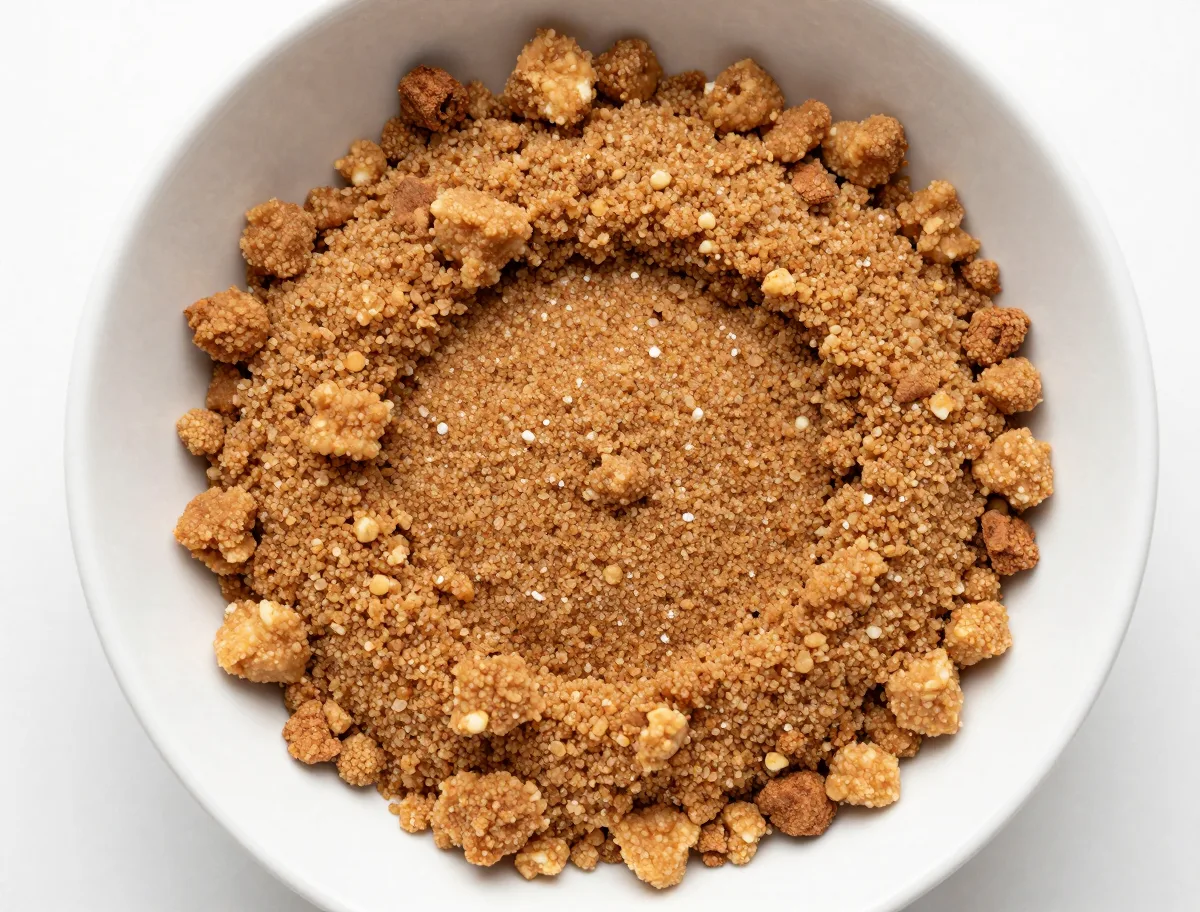
- Aim for small, pea-sized or slightly larger streusel clumps; a smooth paste will melt into the cake.
- A small amount of crumb folded into the batter creates a cinnamon ribbon without making the center heavy.
- Start with conservative microwave time and add short bursts rather than committing to one long cycle.
Instructions
- Make the crumb topping. In a small bowl, stir together the brown sugar, 1 tablespoon flour, cinnamon, and a pinch of salt. Add the 1 teaspoon melted butter and mix with a fork until the mixture forms small, coarse clumps. Set aside.
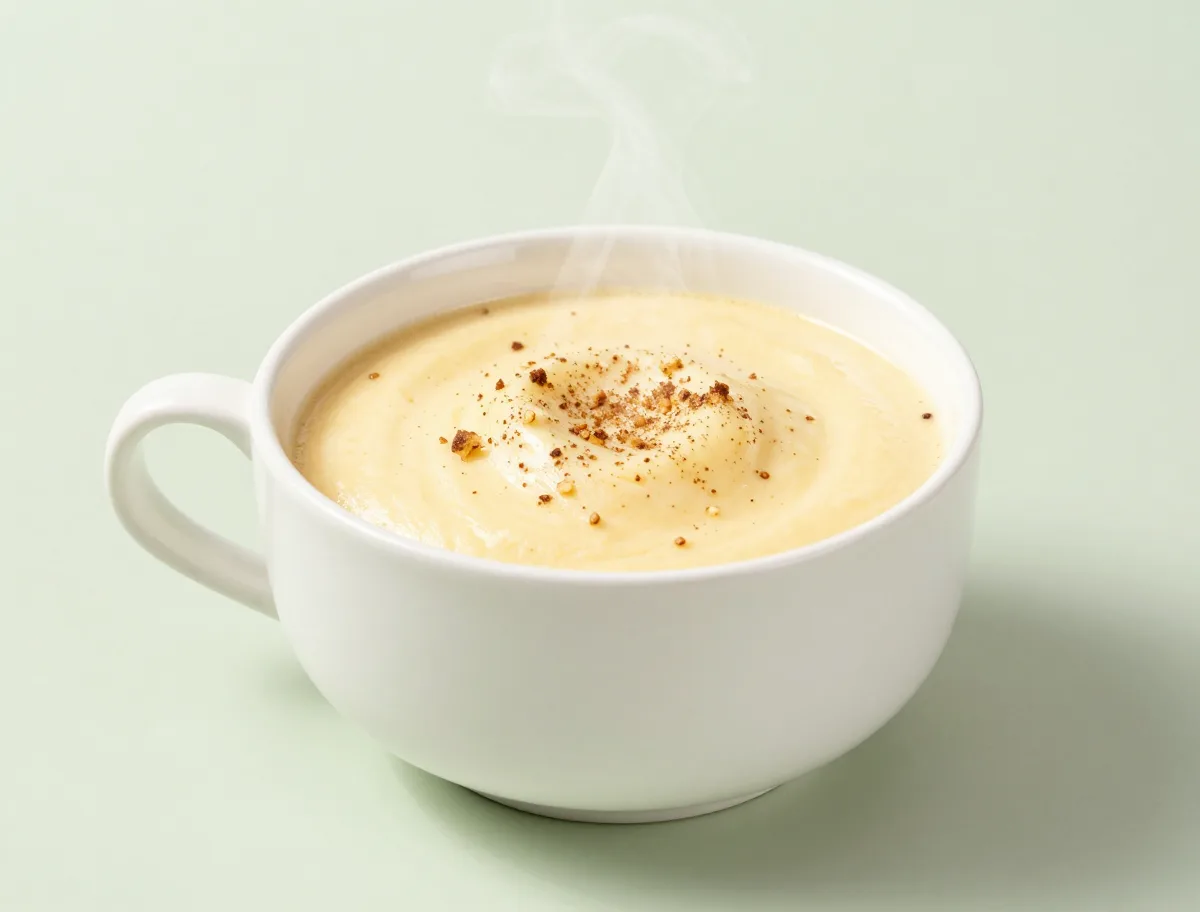
- Mix the batter. In a microwave-safe 12- to 16-ounce mug, whisk together the ¼ cup flour, granulated sugar, baking powder, and remaining pinch of salt. Add the milk, 1 tablespoon melted butter, and vanilla. Stir just until no dry flour remains; do not vigorously beat the batter.
- Add the cinnamon crumb. Sprinkle about 1 teaspoon of the crumb mixture over the batter and gently fold it through once or twice for a small cinnamon ribbon. Scatter the remaining crumbs evenly over the surface.
- Microwave the cake. Microwave uncovered at 1000 watts for 75 seconds. Check the center, then continue in 10- to 15-second bursts until the cake has risen, the edges are set, and the center no longer looks liquid. The top may remain pale. A wider mug will usually cook more evenly than a tall, narrow one.
- Rest and serve. Let the mug cake stand for 1 to 2 minutes; the center will finish setting as the heat equalizes. Dust with powdered sugar, if using, and eat warm with a spoon. Handle the mug carefully because it may be very hot.
How to Tell When Microwave Coffee Cake Is Done
Microwave cakes do not brown like oven-baked cakes, so color is a poor guide. Look instead for a risen shape, set edges, and a center that is moist but no longer fluid.
- A skewer should come out with a few moist crumbs, not streaks of raw batter.
- The surface should spring back lightly when touched, although the crumb topping may remain soft.
- Let the cake rest for 1 to 2 minutes before deciding whether it needs more cooking.
- Stop as soon as the center is set; extra microwave time quickly produces a dry, rubbery texture.
Doneness cues
- The cake has risen and the edges look set.
- The center is moist but contains no visible liquid batter.
- A toothpick inserted into the cake shows moist crumbs rather than wet batter.
- The surface may remain pale; browning is not expected in a microwave.
- The crumb should feel tender, not stretchy, gummy, or rubbery, after the brief resting period.
Why Microwave Wattage and Mug Shape Matter
A microwave heats the moist batter rapidly, but not perfectly evenly. A tall, narrow mug creates a deeper column of batter, increasing the chance that the edges overcook before the center sets. A wider vessel and brief standing time improve the result.
- Higher-wattage microwaves generally reach doneness sooner, but wattage alone does not predict the exact endpoint.
- Batter depth, mug material, and the position of the mug on the turntable all affect cooking.
- Resting allows residual heat to move through the center and finish the crumb.
- A pale top is expected because microwave cooking does not provide conventional oven browning.
Common Mug Cake Problems and Fixes
Most failures come from overfilling the mug, overmixing, or cooking past the point of doneness. Small timing adjustments are more effective than restarting the cake with a full additional cooking cycle.
- Dry or rubbery cake: It was likely overcooked or overmixed. Stop at the first signs of a set center and stir gently.
- Raw center with firm edges: Use a wider mug and add only 10- to 15-second bursts. Excess liquid or a deep batter layer can also cause this.
- Overflow: Use a larger mug, keep the batter below halfway, and measure baking powder level rather than heaping it.
- Topping disappears: Make larger crumbs, use enough flour to bind the butter, and keep most of the topping on the surface.
- Sunken center: Slight settling is normal; a wet collapse usually means the center needed more cooking or the mug was too narrow.
- There is no reliable way to restore a severely overcooked cake, though milk, yogurt, or ice cream can make it more pleasant to eat.
Dairy-Free, Gluten-Free and Other Substitutions
This coffee cake mug cake is already egg-free, and the remaining ingredients can be adapted with reasonable care. Substitutions are not entirely texture-neutral, so expect small changes in richness, density, or flavor.
- Dairy-free: Replace the milk with an equal amount of unsweetened soy, oat, almond, or rice milk. Use dairy-free margarine or neutral oil in the batter and topping.
- Gluten-free: Use a 1:1 gluten-free baking blend formulated for cakes, preferably one containing xanthan gum, in both the batter and crumb.
- Oil option: Neutral oil can replace the melted butter in the batter at the same volume, but the cake will have less buttery flavor. Dairy-free margarine gives the topping a more familiar crumb.
- For a richer, denser variation, replace 1 tablespoon of the milk with plain yogurt; do not add extra liquid.
- Do not substitute coconut flour, almond flour, or a standard whole egg without reformulating the small-batch proportions.
Easy Ways to Vary the Cinnamon Mug Cake
The best variations preserve the defining combination of tender cake, cinnamon, brown sugar, and crumb topping. Additions should remain modest so they do not make the center wet or weigh down the rise.
- Add 1 tablespoon finely chopped pecans or walnuts to the streusel.
- Mix a small pinch of nutmeg or cardamom into the crumb for extra warmth.
- Add 1 teaspoon finely grated apple or a few blueberries, reducing the milk by 1 teaspoon to account for added moisture.
- Finish with a thin glaze made from powdered sugar mixed with a few drops of milk, or simply use the powdered sugar listed in the recipe.
- For a coffee-flavored dessert, replace 1 teaspoon of the milk with cooled espresso; this is an adaptation rather than the classic coffee-cake profile.
How to Serve Coffee Cake for One
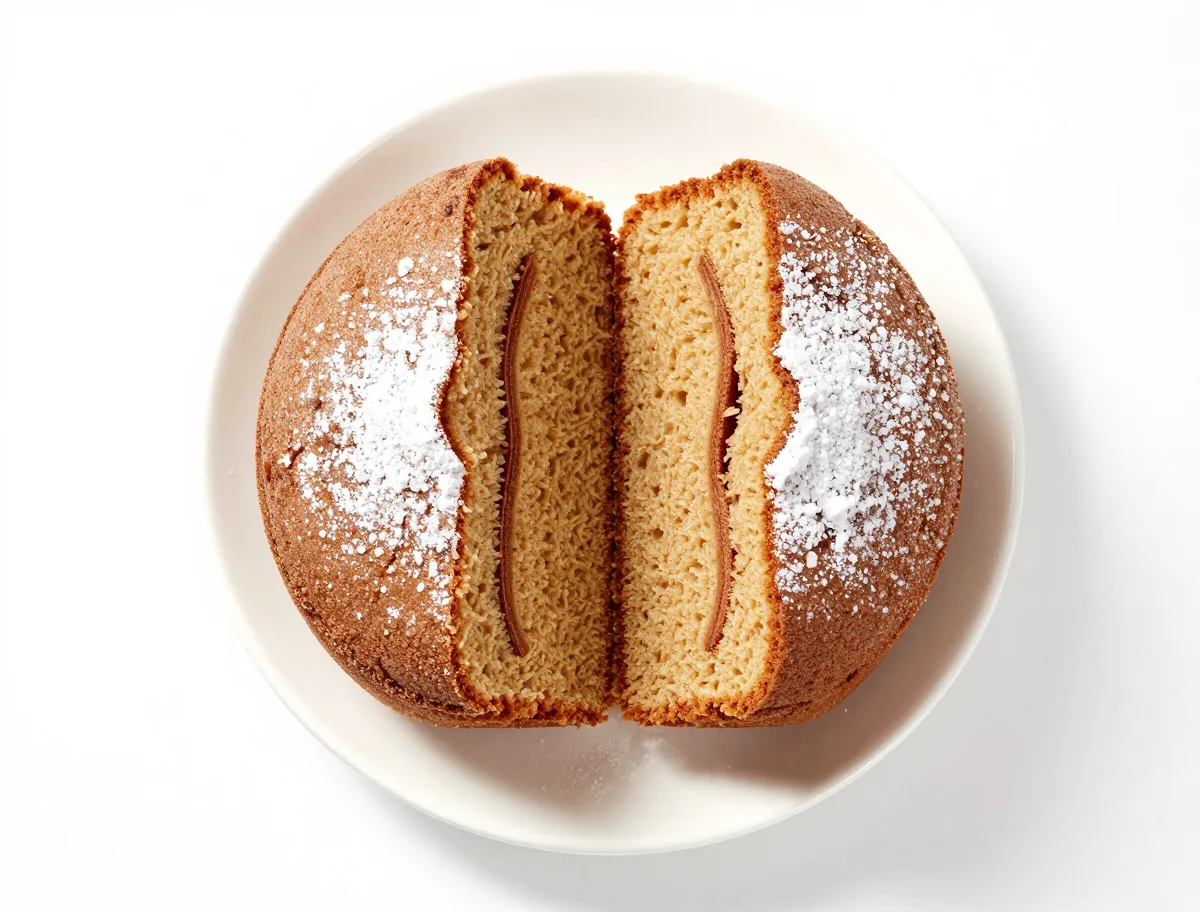
Let the cake cool just enough to finish setting, then serve it warm in the mug. A spoon is more practical than unmolding because the tender cake and soft topping are easily broken.
- Pair it with hot coffee, black tea, chai, or a glass of cold milk.
- Add only a light dusting of powdered sugar or a thin vanilla glaze; the streusel already supplies sweetness.
- For dessert, serve with a small scoop of vanilla ice cream after the cake has cooled briefly.
- Take care when lifting the mug because its handle may be cooler than the body.
How to Store and Reheat a Mug Coffee Cake
This is a fresh-made dessert with its best texture immediately after cooking. Storage is possible, but the crumb will become less tender and the topping softer over time.
- Cool leftovers promptly, cover them, and refrigerate within 2 hours; use within 3 to 4 days.
- Reheat loosely covered in 10- to 20-second microwave bursts, then let it stand briefly to even out hot and cold spots.
- If the cake has dried slightly, a few drops of milk before reheating can help, but do not soak it.
- For food safety, reheated leftovers should reach 165°F throughout.
- Freezing is not recommended for the best quality because the small crumb may dry out and the streusel will soften.
Coffee Cake Mug Cake FAQ
These answers cover the practical details that most affect a successful microwave coffee cake: vessel choice, timing, topping texture, and dietary flexibility.
Does coffee cake contain coffee?
Usually, American coffee cake is a cinnamon-sweet cake meant to be served with coffee or tea. This recipe does not contain brewed coffee.
What size mug should I use?
Use a microwave-safe 12- to 16-ounce ceramic or glass mug, preferably one that is wider rather than very tall. Leave substantial headroom because the cake rises.
Can I mix everything directly in the mug?
Yes, the batter can be mixed in the mug. A separate small bowl is preferable for the crumb topping because it helps you form distinct clumps without overworking the batter.
How long should I microwave it?
At 1000 watts, begin with 75 seconds, then add 10- to 15-second bursts until the center is set. Lower-wattage microwaves may need additional time, but the doneness cues matter more than an exact number.
Why is my mug cake rubbery?
The usual causes are overcooking, overmixing, too much egg, or too little moisture. This egg-free recipe and short incremental cooking method help reduce that risk.
Can I make the crumb topping crisp?
A microwave can set the topping but will not brown it like an oven. Expect a soft, buttery crumb rather than a crisp crust.
Should I let the cake rest after microwaving?
Yes. Rest it for 1 to 2 minutes so the center can finish setting and the heat can distribute more evenly.
Can I make this recipe dairy-free or gluten-free?
Yes. Use unsweetened plant milk and dairy-free margarine or neutral oil for a dairy-free version. For gluten-free results, use a 1:1 gluten-free baking blend designed for cakes.
Food Safety for Microwave Mug Cakes
Use only a microwave-safe, undamaged mug, and remember that both the cake and the vessel can become extremely hot. Do not taste the uncooked batter: raw flour can carry harmful bacteria, even when no egg is present. For more information, review the FDA guidance on handling flour safely.
- Cook the cake immediately after mixing rather than leaving raw batter at room temperature.
- If you add egg in a variation, the center should reach 165°F throughout after cooking and standing; microwave heating can leave cold spots. See the FDA guidance on the safe handling of egg-containing foods.
- Use a dry mitt or cloth to remove the mug, and allow it to cool before washing.
- Refrigerate leftovers within 2 hours and reheat them thoroughly before eating.
Recipe notes
- Traditional American coffee cake is generally a cinnamon-sweet cake served with coffee, not a cake made with brewed coffee.
- Use a mug with generous headroom; the batter should occupy no more than about half the mug before cooking.
- Microwave timing varies with wattage, mug shape, and batter depth. If your microwave is 700 to 800 watts, expect to add roughly 20 to 40 seconds, checking in short increments.
- The topping will be soft and crumbly rather than oven-crisp, which is normal for a microwave cake.
- For the best texture, eat this cake immediately after its short rest.