Amish Apple Cake Recipes: Moist Old-Fashioned 9×13 Cake
This moist, warmly spiced Amish apple cake is a dense-tender 9-by-13-inch snack cake packed with fresh apples, optional walnuts, and a crisp cinnamon-brown-sugar top. Among Amish apple cake recipes, this dependable version uses common ingredients and straightforward steps for a homemade apple dessert.
What to Expect from This Amish Apple Cake
This is a rustic fresh-apple snack cake: moist, fruit-filled, warmly spiced, and substantial enough to cut into squares. It is not an airy layer cake or a deliberately saucy pudding cake. The oil keeps the crumb soft, while diced apples provide the characteristic dense-tender texture and pronounced apple flavor.
- The cake is designed for a standard 9-by-13-inch pan and serves a family-style gathering.
- A simple cinnamon-sugar surface keeps the finish homespun rather than heavily frosted.
- Walnuts or pecans add contrast but are not necessary for the cake to hold together.
Why the Ingredients Work
The formula balances a generous quantity of apples with enough flour and egg to produce slices that hold together. Oil supplies lasting tenderness, sour cream contributes moisture and mild acidity, and brown sugar adds molasses depth and helps the top brown. Cinnamon leads the spice profile, with a small amount of nutmeg in the background.
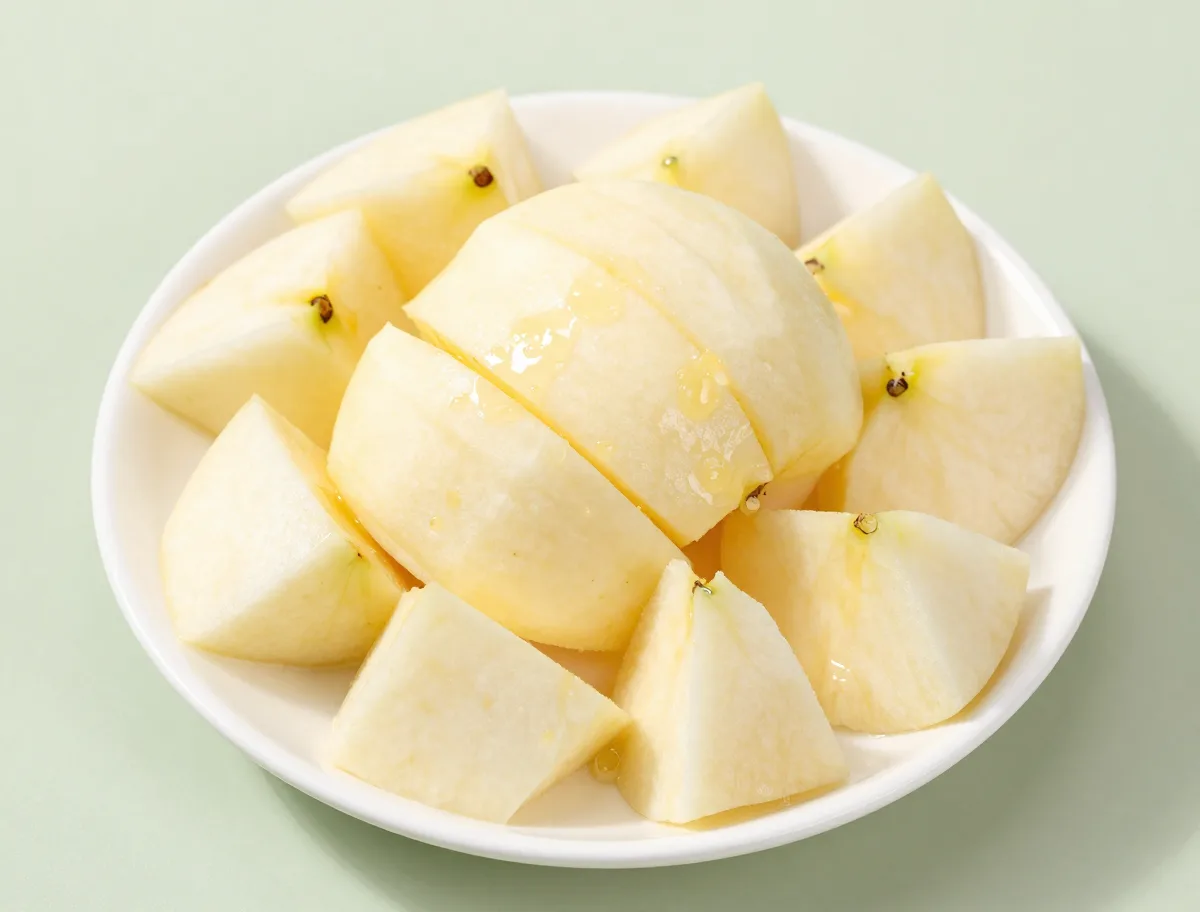
- Firm apples retain some shape during baking and are less likely to flood the center with juice than very soft apples.
- Small apple cubes distribute more evenly than large slices in this thick batter.
- Brown sugar deepens flavor and moisture; the granulated sugar keeps the sweetness clean and supports a lightly crisp top.
- The nuts are a textural addition, not a structural requirement.
Ingredients
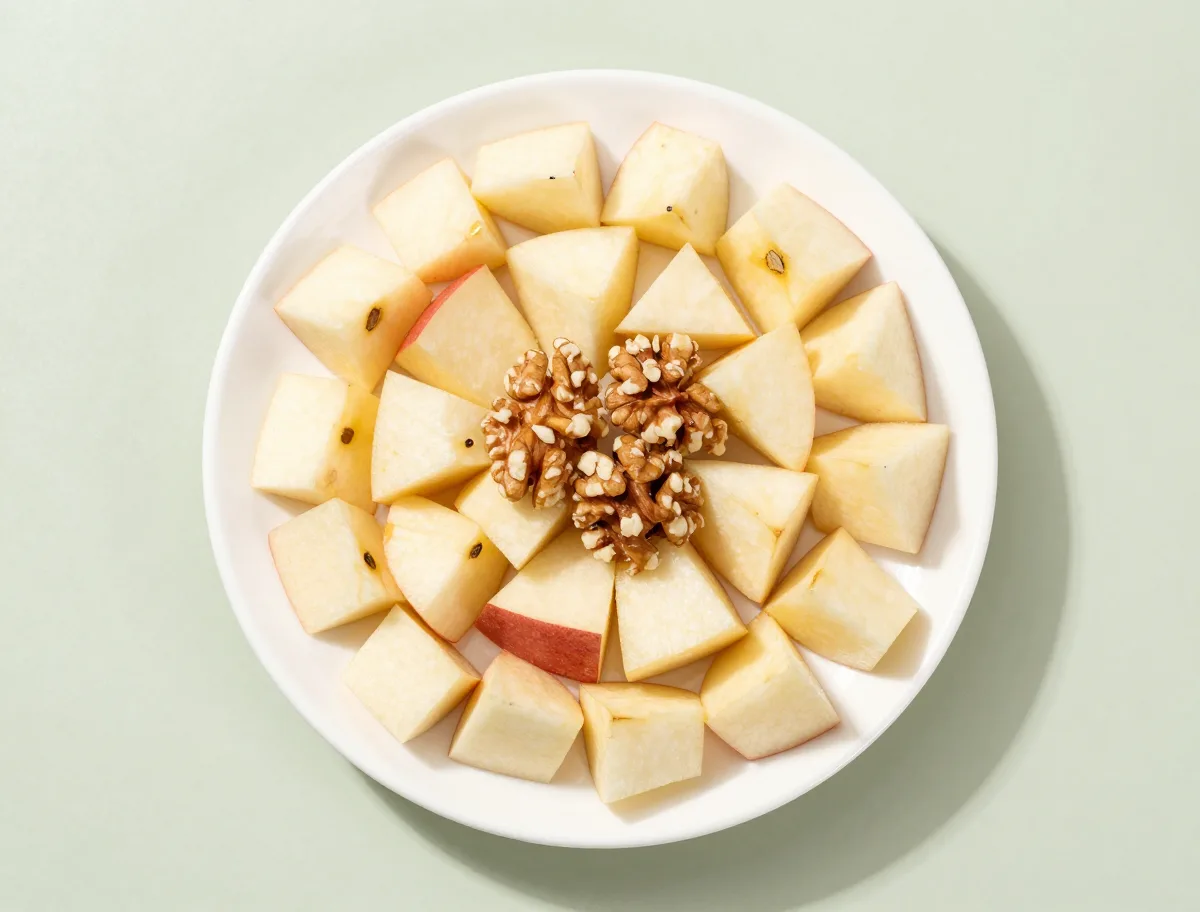
- 3 cups peeled, cored apples, cut into 1/2-inch dice; use firm apples such as Granny Smith, Braeburn, Jonagold, or Pink Lady
- 2 1/2 cups all-purpose flour, spooned into measuring cups and leveled
- 1 teaspoon baking soda
- 1 teaspoon ground cinnamon
- 1/4 teaspoon ground nutmeg
- 3/4 teaspoon fine salt
- 1 cup granulated sugar
- 1/2 cup packed light brown sugar, divided
- 1/2 cup neutral vegetable oil, such as canola or sunflower oil
- 3 large eggs, at room temperature if possible
- 2 teaspoons pure vanilla extract
- 1/2 cup sour cream, full-fat or reduced-fat
- 1/2 cup walnuts or pecans, coarsely chopped (optional)
- 2 tablespoons granulated sugar, for the topping
- 1/2 teaspoon ground cinnamon, for the topping
How to Make the Cake Successfully
Prepare and dice the apples before combining the wet and dry mixtures so the batter can go into the oven promptly. Once flour is added, fold gently and stop as soon as the apples and nuts are distributed. The finished batter should be thick enough to mound briefly on a spatula; spread it level in the pan rather than expecting it to pour.
- Use the spoon-and-level method for flour, or weigh it if a scale is available.
- Fold the apples in last to avoid crushing them and to prevent uneven fruit pockets.
- A damp spatula or damp fingertips make the thick batter easier to level.
- Use the specified pan size; a smaller or deeper pan will delay the center setting.
Instructions
- Prepare the pan and oven: Position a rack in the center of the oven and heat it to 350°F (175°C). Lightly grease a light-colored metal 9-by-13-inch baking pan, line the bottom with parchment, and grease the parchment. Have the diced apples ready before mixing the batter.
- Mix the dry ingredients: In a medium bowl, whisk together the flour, baking soda, cinnamon, nutmeg, and salt. In a small bowl, stir together the 2 tablespoons granulated sugar and the 1/2 teaspoon cinnamon reserved for the topping.
- Build the wet mixture: In a large bowl, whisk the 1 cup granulated sugar, 1/4 cup of the brown sugar, oil, eggs, and vanilla until smooth and slightly thickened. Whisk in the sour cream until no streaks remain.
- Combine the batter: Add the dry ingredients to the wet mixture and fold with a spatula just until a few flour streaks remain. Add the apples and optional walnuts or pecans, then fold only until evenly distributed. The batter will be thick and will not pour freely.
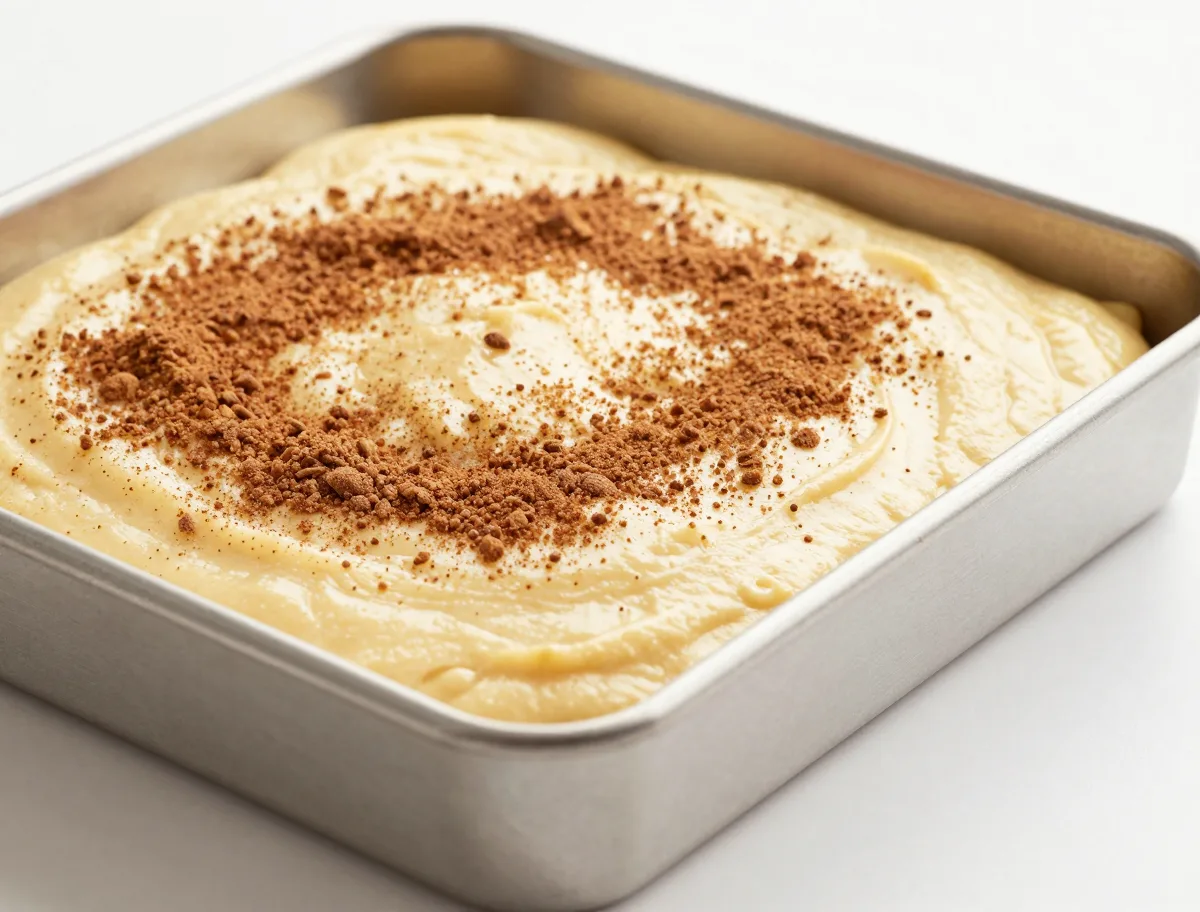
- Fill and top the pan: Scrape the batter into the prepared pan and spread it into an even layer with a spatula or lightly damp fingers. Sprinkle the remaining 1/4 cup brown sugar evenly over the surface, followed by the cinnamon-sugar mixture.
- Bake until the center is set: Bake for 45 to 55 minutes, rotating the pan once after 30 minutes if your oven browns unevenly. The top should be golden brown, the center should no longer wobble when gently shaken, and a tester inserted into several central spots should show moist crumbs but no liquid batter. If the top browns before the center is done, loosely tent the cake with foil and continue baking.
- Cool before cutting: Set the cake on a rack and cool in the pan for at least 30 minutes. Lift it out using the parchment, or cut it directly in the pan with a serrated knife. Serve warm or at room temperature.
How to Tell When Apple Cake Is Done
Apple-heavy cakes can look finished at the edges while the middle is still raw, so use several checks together. The surface should be browned and set, the center should move only slightly if at all, and a tester should encounter moist crumbs rather than liquid batter. If the tester strikes an apple, test another nearby spot.
- A completely dry tester is not necessary; a few moist crumbs indicate a tender cake.
- An instant-read thermometer reading around 200 to 205°F in the center is a useful secondary check.
- Allowing the cake to cool helps the crumb finish setting and makes the slices cleaner.
- A serrated knife moves through softened apple pieces with less crushing than a thin straight blade.
Doneness Cues
- The top is golden brown and the center does not visibly wobble when the pan is moved gently.
- A toothpick or thin knife inserted into more than one central spot comes out with moist crumbs, not wet batter.
- If using an instant-read thermometer, the center will generally register about 200 to 205°F.
- The cake becomes easier to slice and less fragile after at least 30 minutes of cooling.
The Variables That Matter Most
Fresh apples release water as they heat, so their firmness, size, and juiciness affect the baking time. The 9-by-13-inch pan keeps the batter shallow enough for the center to set before the edges dry. A fully preheated oven also gives the baking soda and eggs a predictable start, while restrained mixing prevents a tough crumb.
- Do not compensate for stiff batter by adding extra liquid; the apples supply moisture during baking.
- Very juicy or soft apples may require a few additional minutes in the oven.
- Dark pans brown the edges faster than light metal; tent the cake if the surface darkens early.
- Overmixing develops gluten and can make a fruit cake rubbery even when it is fully baked.
Common Amish Apple Cake Problems and Fixes
Most failures come from excess moisture in the center, uneven apple pieces, inaccurate flour measurement, or removing the cake too soon. The pan, oven, and apples all influence the final timing, so use the visual and tester cues rather than treating the shortest bake time as a guarantee.
- Wet center, browned top: Continue baking with a loose foil tent. Likely causes include a small pan, very juicy apples, or an oven running cool.
- Dry edges, underdone middle: Check pan size and oven accuracy; a dark pan or excessive baking time can set the edges long before the center.
- Tough crumb: The batter was probably overmixed or the flour was packed into the cup. Fold only until combined and measure flour carefully.
- Large wet pockets: Cut apples smaller and distribute them throughout instead of leaving fruit concentrated in one area.
- Sunken middle: The cake may have been removed early, exposed to repeated oven-door opening, or given too much liquid. Cooling will not set raw batter.
Easy Substitutions for This Fresh Apple Cake
The most dependable changes affect only flavor or texture modestly. Omitting the nuts is straightforward. Other substitutions should preserve the recipe’s overall moisture and acidity rather than adding ingredients on top of the stated quantities.
- Walnuts and pecans can be exchanged in equal amounts. Either can also be omitted without replacing them.
- A firm tart-sweet apple blend can replace the recommended varieties, but avoid exceptionally soft apples if possible.
- Plain full-fat yogurt can replace the sour cream by volume, though the crumb may be slightly lighter or tangier.
- Melted butter can replace the oil for more dairy flavor, but the cooled cake may be a little firmer. Do not use creamed butter without changing the mixing method.
- Unsweetened applesauce is not a direct addition. Replacing part of the oil with it requires a tested reformulation and can produce a softer, more fragile crumb.
- Raisins may be added as a variation, but they bring extra sweetness and chew; use them in place of some nuts rather than crowding the batter with additional fruit.
Variations That Still Feel Like Amish Apple Cake
The base cake is flexible enough for a few simple changes while remaining a sliceable fresh-apple cake. Toppings and add-ins can shift the character, but deeper pan changes or substantially wetter batters create different desserts and need their own testing.
- For an apple-walnut or apple-pecan cake, use the optional nuts as written.
- Add up to 1/2 cup raisins with the apples for a chewier, sweeter variation.
- For a stronger crust, increase the cinnamon-sugar topping modestly rather than changing the batter.
- A crumb topping or brown-sugar glaze is compatible, but both make the cake sweeter and soften the surface.
- A Bundt pan is not a simple timing swap: the deeper batter needs thorough release preparation and a separately developed bake time.
- Pudding cake is intentionally spoonable and saucy, while coffee cake usually emphasizes streusel; neither should be expected to slice like this recipe.
How to Serve Amish Apple Cake
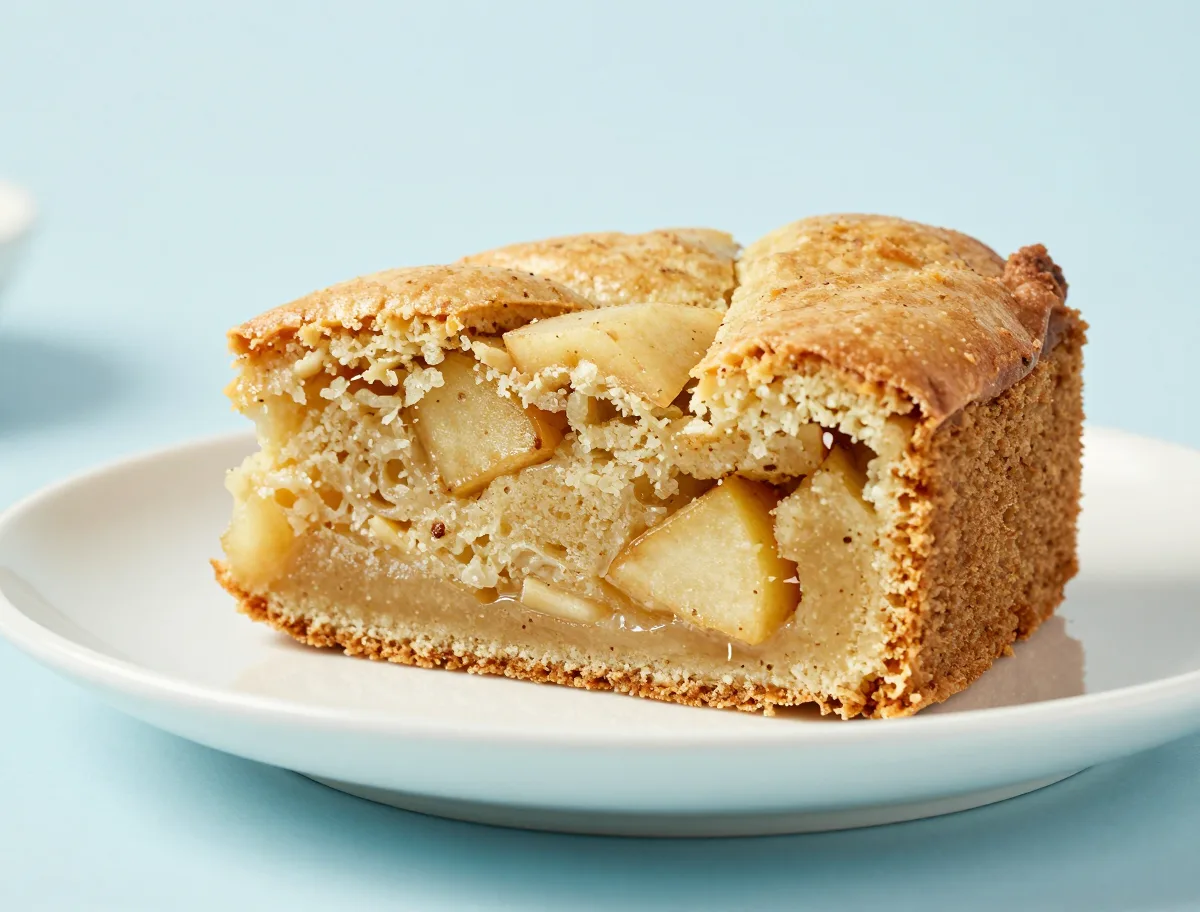
Serve the cake warm after it has cooled enough to hold its shape, or at room temperature for the neatest squares. Its cinnamon and brown-sugar notes are complete on their own, but a creamy or caramel accompaniment turns it into a more substantial dessert.
- Dust cooled squares with powdered sugar just before serving for the simplest finish.
- Pair warm cake with vanilla ice cream or lightly sweetened whipped cream.
- Pass caramel sauce separately so guests can control the added sweetness.
- For breakfast or an afternoon snack, serve it plain with coffee or tea.
- If using a wet sauce or whipped cream, add it immediately before serving rather than storing it on the cake.
How to Store, Freeze, and Reheat Apple Cake
Cool the cake completely before covering it so trapped steam does not make the cinnamon-sugar surface soggy. An unfrosted cake can generally be protected at room temperature for short-term quality in a cool environment; refrigerate when conditions are hot, when the formula is uncertain, or whenever perishable toppings are involved.
- Cover the cooled plain cake and keep it at room temperature for up to 3 days in a cool, dry kitchen. Protect cut surfaces from air.
- For longer storage, wrap individual squares or the whole unfrosted cake tightly, place in a freezer-safe container, and freeze for up to 2 months for best quality.
- Thaw the cake while still wrapped at room temperature, then warm individual portions gently in a low oven or microwave.
- Refrigerate whipped cream, dairy frosting, custard, or other perishable toppings promptly. Do not leave such toppings at room temperature for more than 2 hours, or more than 1 hour in temperatures above 90°F. See the FDA’s food-storage guidance for additional safety information.
- Refrigeration can firm the crumb; let safely chilled cake stand briefly at room temperature before serving, or warm it gently.
What “Amish-Style” Means Here
There is no single universally standardized Amish apple cake recipe, and the label is used broadly in modern recipe publishing. This version uses the qualities commonly associated with Amish-style and Pennsylvania Dutch-inspired home baking: seasonal apples, ordinary pantry ingredients, restrained decoration, and a practical family-size format.
- Pennsylvania agriculture has long included orchard apples used for preserves, cider, dried fruit, sauce, and cakes, making apple-centered baking a well-grounded regional tradition. The Pennsylvania agricultural history project provides further context on the region’s agricultural traditions.
- “Pennsylvania Dutch” generally refers to Pennsylvania German foodways, while Amish identity is more specific; the terms should not be treated as exact synonyms.
- The caramel sauce often served with modern apple cakes is best understood as an optional contemporary accompaniment, not a required marker of historical authenticity.
- Recipe names alone do not establish that a formula is an original or universal community recipe.