BBQ Spatchcock Chicken on the Grill
This BBQ spatchcock chicken recipe uses a dry brine, low-sugar barbecue rub, and two-zone grilling for juicy meat, smoky flavor, and crisp skin, finished with a glossy late glaze.
What Makes This BBQ Spatchcock Chicken Work
Spatchcocking turns a whole chicken into a broad, even layer by removing the backbone and flattening the breastbone. On the grill, that shape exposes more skin to heat and brings the breast and legs closer to the same cooking pace than an intact bird.
- Expect savory, smoky barbecue flavor from the rub, grill, and optional glaze rather than relying on sauce alone.
- The finished skin should be browned and rendered, with a crisp or pleasantly bite-through texture.
- After resting, the flattened bird still carves neatly into breasts, thighs, drumsticks, and wings.
Why the Rub and Sauce Ingredients Matter
The seasoning is deliberately low in sugar so it can stay on the chicken during the longer indirect-cooking phase without burning. Sweet paprika supplies color, smoked paprika deepens the barbecue character, and the alliums, cumin, thyme, pepper, and cayenne provide savory complexity and controlled heat.
- Salt is applied ahead of time because it seasons beyond the surface and helps the skin dry for better browning.
- A thin film of neutral oil helps the rub adhere; more oil is unnecessary and can encourage flare-ups.
- Barbecue sauce contributes sweetness, acidity, gloss, and extra smoke, but its sugars belong near the end of cooking.
Ingredients
- 1 whole chicken, about 4 to 5 pounds
- 1 tablespoon plus 1 teaspoon g kosher salt
- 2 tablespoons sweet paprika
- 1 tablespoon smoked paprika
- 2 teaspoons garlic powder
- 2 teaspoons onion powder
- 1 teaspoon freshly ground black pepper
- 1 teaspoon ground cumin
- 1/4 teaspoon cayenne pepper
- 1 teaspoon dried thyme
- 1 tablespoon neutral oil, such as canola, grapeseed, or avocado oil
- 3/4 cup barbecue sauce, divided
How to Spatchcock and Grill the Chicken
Use poultry shears rather than a knife for the backbone: they give better control through the ribs and reduce slipping. After the backbone is removed, press directly over the breastbone until the chicken stays flat; a raised breast or folded leg will cook unevenly.
- Seasoning under the breast skin gives the meat direct contact with the rub, while the exterior coating builds color and crust.
- Keep the chicken skin-side up over indirect heat for most of the cook, where it can render without sitting over dripping-fat flames.
- Reserve direct heat for a short, supervised finish only after the interior is nearly cooked.
- Use the removed backbone for stock if desired, but keep it separate from ready-to-eat food during preparation.
Instructions
- Spatchcock the chicken: Place the chicken breast-side down on a clean cutting board. Using poultry shears, cut up one side of the backbone from the tail toward the neck, then cut along the other side and remove the backbone. Turn the chicken breast-side up and press firmly on the center of the breastbone until it cracks and the bird lies flat. Tuck the wing tips behind the breast or beneath the upper wing joints. Wash your hands and clean the board and shears thoroughly after handling the raw chicken.
- Dry-brine: Pat the chicken very dry, including beneath the legs and around the cavity. Sprinkle the kosher salt evenly over both sides, working a little under the breast skin where it lifts easily. Set the chicken skin-side up on a wire rack over a rimmed tray and refrigerate uncovered for 8 to 24 hours.
- Apply the barbecue rub:
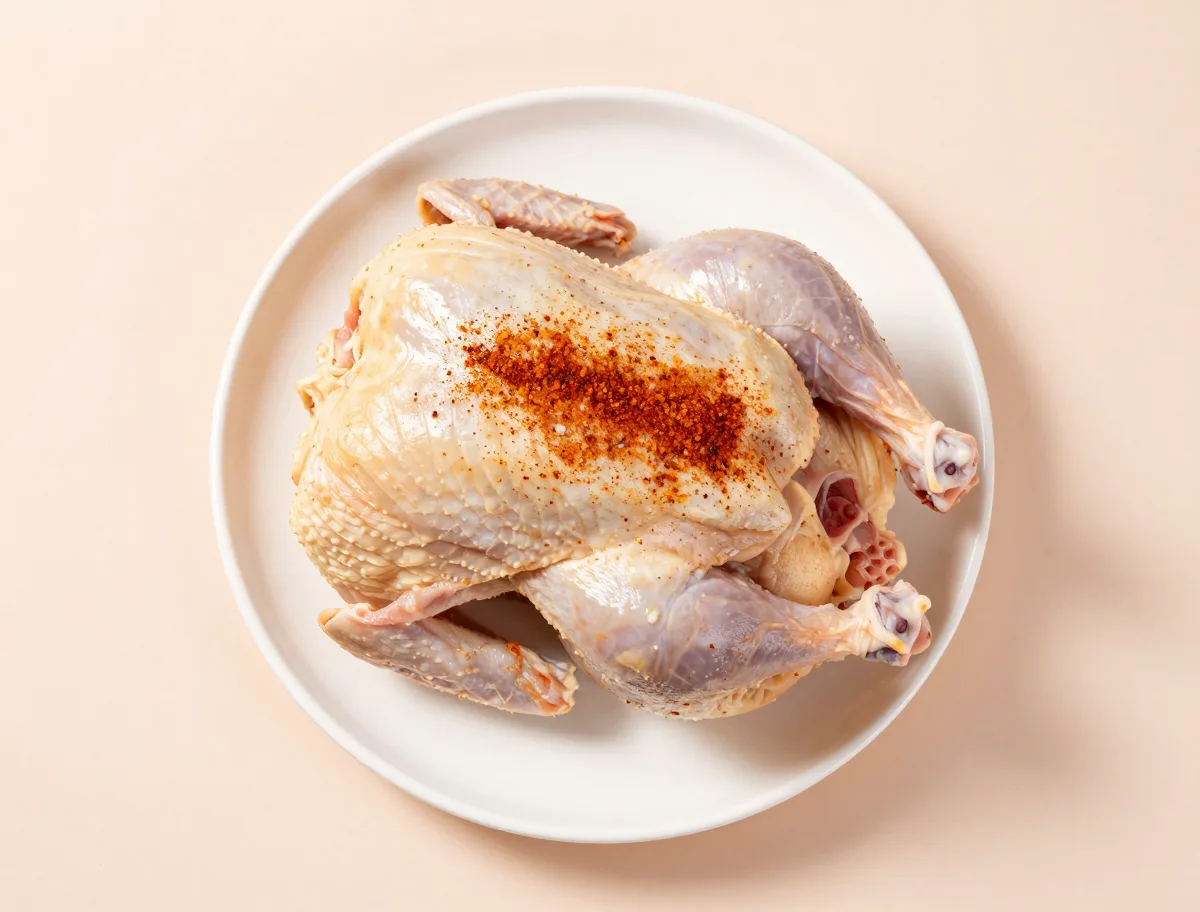
Combine the sweet paprika, smoked paprika, garlic powder, onion powder, black pepper, cumin, cayenne, and thyme. Remove the chicken from the refrigerator 30 minutes before grilling. Pat away any visible moisture, rub the skin lightly with the oil, and coat the chicken with the spice mixture, including a small amount under the breast skin. Keep the skin as intact and dry as possible.
- Prepare a two-zone grill: Heat a covered gas or charcoal grill to 350 to 400°F. For gas, light the burners on one side and leave the burners beneath the chicken off. For charcoal, bank the coals against one side and place a drip pan in the coal-free area. Clean and oil the grates, then place the chicken skin-side up over the indirect zone, with the legs angled toward the warmer side. Close the lid.
- Grill over indirect heat:
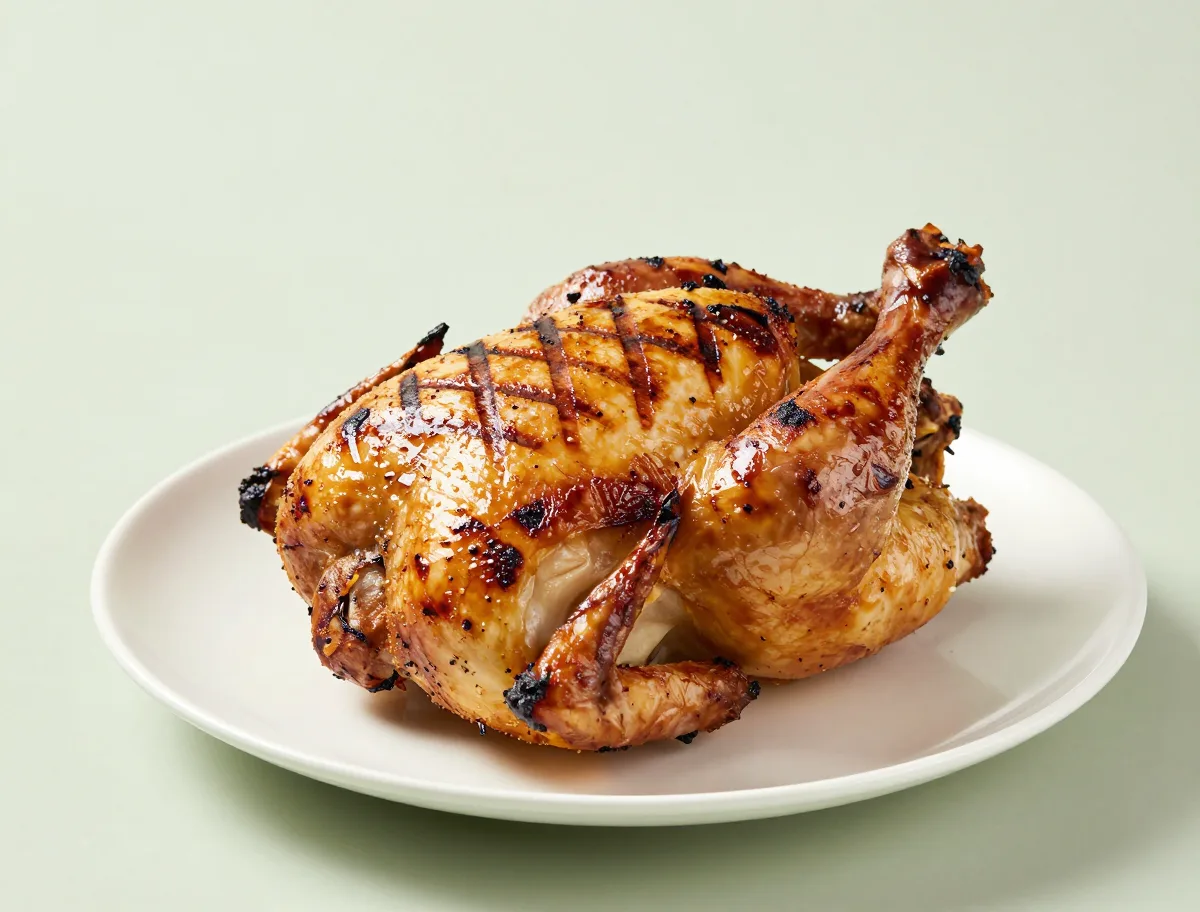
Cook with the lid closed until the skin is browned and an instant-read thermometer inserted into the thickest breast reads about 150°F and the inner thigh is at least 160°F, rotating the chicken once if your grill has an obvious hot spot. A 4- to 5-pound bird generally takes 40 to 60 minutes, but use the thermometer rather than the clock.
- Glaze and finish: Brush the chicken with 1/4 cup of the barbecue sauce. Cook over indirect heat for 5 minutes, then move the chicken skin-side down over the direct zone for 1 to 3 minutes if the skin needs additional crisping. Watch continuously for flames or darkening sauce; move the chicken back to indirect heat immediately if it begins to scorch. Continue cooking until both the thickest breast and the innermost thigh, measured away from bone, reach 165°F. The thigh may reach 175 to 185°F for a more tender texture.
- Rest and carve: Transfer the chicken to a cutting board and rest uncovered for 10 to 15 minutes. Keep the remaining barbecue sauce separate for serving; do not use sauce that touched the raw chicken unless it has been boiled. To carve, separate each leg from the body and divide the thighs from the drumsticks. Follow the breastbone and ribs to remove each breast half, then slice it across the grain. Serve the wings whole or separate them at the joints.
How to Tell When Grilled Whole Chicken Is Done
Time is useful for planning, but temperature decides when the chicken is ready. Insert the thermometer into the thickest part of the breast and into the innermost thigh, avoiding bone, the cavity, and the grill grate.
- Every checked portion must reach 165°F (74°C) for the straightforward poultry-safety endpoint.
- Thigh meat is often more succulent and tender in the 175 to 185°F range.
- Color near a joint, pink juices, or clear juices are not reliable substitutes for a thermometer.
- Deep golden or mahogany skin that feels rendered rather than soft indicates that the surface is ready.
Doneness cues
- The chicken lies fully flat, and the skin is dry, browned, and visibly rendered.
- The thickest breast and innermost thigh both register at least 165°F (74°C) away from bone.
- For better dark-meat texture, the thighs can reach 175 to 185°F (79 to 85°C) while the breast remains juicy.
- The barbecue glaze should look set and glossy, not wet, blackened, or bitter.
Why Two-Zone Grilling Gives Better Results
Indirect heat lets the center cook through while moderating surface browning; direct heat is reserved for rapid crisping at the end. Drying the skin is equally important, since surface water must evaporate before the skin can brown effectively.
- Flattening shortens the distance heat must travel, which is why a butterflied chicken generally cooks faster and more evenly.
- A drip pan catches fat that might otherwise ignite on coals or burners.
- Sugar in barbecue sauce darkens quickly over direct heat, so late glazing provides color and adhesion without a long burn window.
- Carryover cooking during the rest is variable; do not remove substantially undercooked poultry and hope resting will make it safe.
For an additional established-grill reference on spatchcock preparation, covered cooking, and thermometer use, see Weber’s guide to spatchcocked chicken.
Common BBQ Spatchcock Chicken Problems and Fixes
Most disappointing results come from treating the grill as one uniform heat source or using appearance as the doneness test. Keep a genuine cool zone available so you can protect the skin while the meat continues cooking.
- Burnt sauce: Apply it only near the end and move the chicken back to indirect heat if the glaze darkens too quickly.
- Flare-ups: Reduce excess oil, use the drip pan, close the lid briefly, and relocate the chicken to the cool zone. Do not spray water into a hot grill.
- Rubbery skin: Pat the bird dry, refrigerate it uncovered when possible, maintain 350 to 400°F, and use a brief direct finish.
- Brown outside, underdone inside: Continue cooking over indirect heat and shield the breast if needed. Color is not a reason to stop.
- Dry breast with firm thighs: Lower the heat, orient the legs toward the warmer side, and check both areas rather than cooking by minutes alone.
Easy Rub and Sauce Substitutions
The method tolerates changes as long as the exterior stays reasonably dry and the seasoning remains balanced. Adjust the flavor profile without turning the skin into a wet marinade.
- Ancho chili powder or additional sweet paprika can replace some or all of the smoked paprika; the result will be less overtly smoky.
- Reduce or omit the cayenne for a mild chicken, or increase it cautiously for more heat.
- Canola, grapeseed, avocado, or another neutral oil works in the same small quantity.
- Vinegar-forward, mustard-based, or white barbecue sauce can replace a sweet tomato-style sauce and is generally less prone to burning.
- Fresh garlic, onion, citrus, yogurt, or buttermilk may be used in a separate marinade, but remove excess moisture before grilling because wet skin browns poorly.
Gas Grill, Charcoal, and Smoker Variations
The defining elements remain a whole chicken, a flattened shape, barbecue seasoning, and controlled cooking. The fuel changes the smoke and heat pattern, but not the indirect-first workflow.
- On a gas grill, leave the burners directly under the chicken off and use lit burners on the side; add a smoker box or a small amount of suitable wood if desired.
- On charcoal, bank the coals to one side, place the chicken opposite them over a drip pan, and adjust the vents to hold the target temperature.
- In a smoker, cook around 275 to 325°F for more smoke, then finish at a higher temperature to improve skin texture. Very low-and-slow cooking can leave the skin leathery.
- Fruit wood gives a milder smoke; hickory or oak produces a stronger profile, so use restraint with this relatively exposed cut.
How to Carve and Serve BBQ Spatchcock Chicken
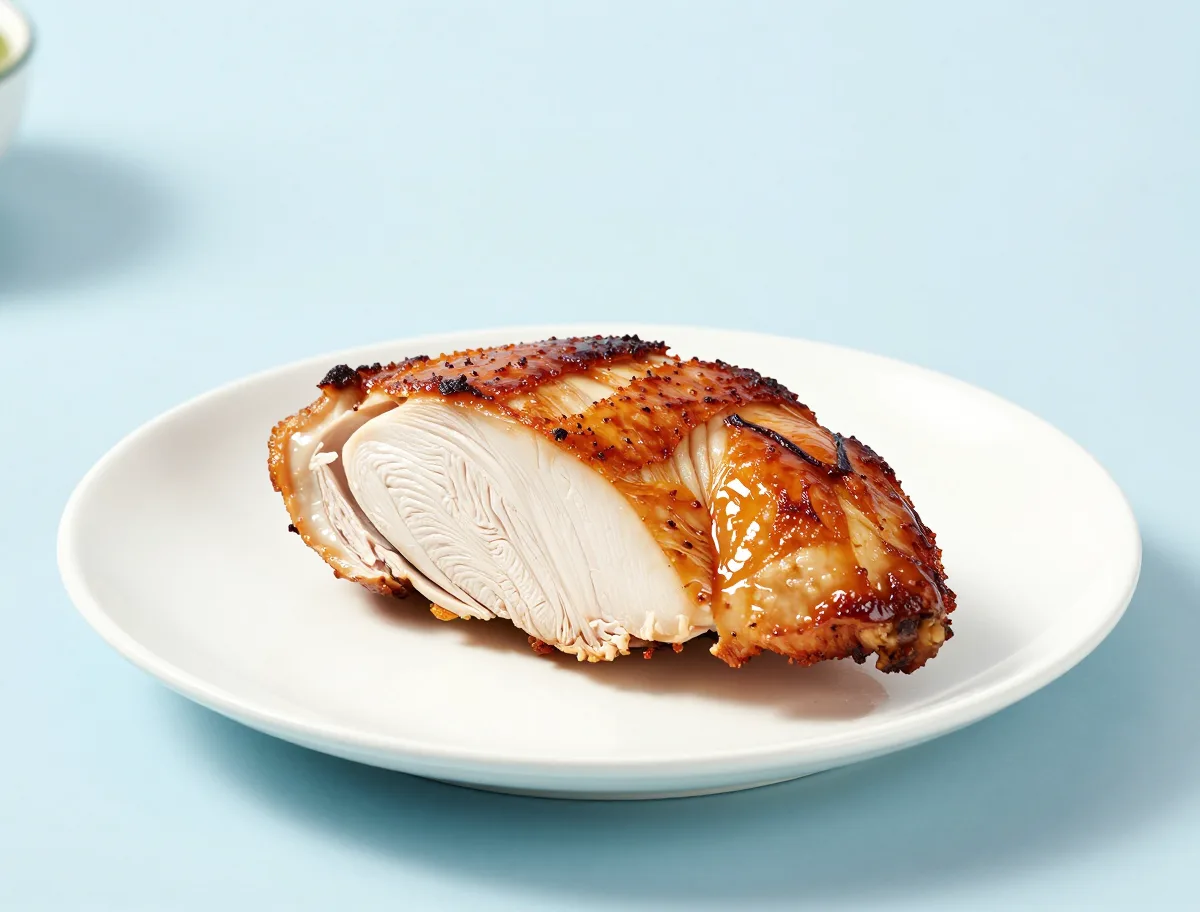
A short uncovered rest keeps the meat juicy without trapping steam against the skin. Serve the chicken warm with a clean bowl of sauce so each person can add as much sweetness or tang as desired.
- For neat portions, remove the legs first, separating thighs from drumsticks at their natural joints.
- Lift each breast half away from the breastbone and ribs, then slice across the grain.
- Serve the wings whole or divide them at the joints.
- Vinegar slaw, pickles, grilled corn, baked beans, potato salad, or cornbread provide acidity, crunch, or starch to balance the rich chicken.
How to Store, Freeze, and Reheat Leftover Chicken
Spatchcocking and dry-brining can be done a day ahead, which improves seasoning and makes the cooking day easier. Keep raw chicken refrigerated throughout; an uncovered refrigerator rest is safe only when the refrigerator is maintained at 40°F (4°C) or below.
- Refrigerate cooked chicken within 2 hours, or within 1 hour when the surrounding temperature is above 90°F (32°C).
- Store leftovers in shallow, covered containers and use them within 3 to 4 days.
- Freeze carved portions for longer storage, understanding that thawing will soften the skin and may slightly reduce breast-meat moisture.
- Reheat only the amount needed, preferably covered in a moderate oven or skillet with a little moisture, until every portion reaches 165°F (74°C).
Food-Safety Essentials for Grilled Whole Chicken
Raw poultry can contaminate hands, boards, utensils, and nearby foods, so keep its preparation area separate from ready-to-eat ingredients. Wash hands after contact and clean the work surface and tools before using them for anything else.
- Use a reliable food thermometer and check both the thickest breast and the innermost thigh without touching bone.
- The minimum safe internal temperature for poultry is 165°F (74°C); resting improves texture but does not replace that temperature check.
- Keep raw and cooked chicken on separate platters and use a clean brush or utensil for the finishing sauce.
- Sauce that touched raw chicken must be discarded or boiled before reuse; sauce reserved before brushing can be served directly.
- Refrigerated leftovers should be reheated to 165°F (74°C) before serving.
For authoritative poultry cooking and leftover reheating temperatures, consult the USDA safe cooking temperature guidance.