Triple Chocolate Mousse Cake Recipe from Scratch
This triple chocolate mousse cake recipe layers a thin, tender chocolate cake base with dark, milk, and white chocolate mousse, then finishes with a smooth ganache topping. Assemble it in an 8-inch springform pan and chill overnight for clean, bakery-style slices.
What Makes This a Triple Chocolate Mousse Cake
This is a layered chocolate mousse cake rather than one mousse flavored three ways. A thin baked chocolate base supports three separate bands: intense dark chocolate, creamy milk chocolate, and sweet white chocolate. The cake should be tall, cold, smooth-sided, and firm enough to cut into sharply defined slices.
- The layers are arranged dark, milk, then white for a clear visual progression.
- The cake base stays deliberately thin so the mousse remains the main feature.
- A restrained ganache finish adds polish without hiding the three chocolate layers.
Why the Chocolate, Cream, Gelatin and Cake Base Matter
Chocolate contributes both flavor and structure: its cocoa butter firms as the cake chills, while the differences among dark, milk, and white chocolate determine sweetness and softness. Cold heavy cream supplies the airy body of each mousse, and a small amount of bloomed gelatin provides dependable support without turning the layers rubbery.
- Dark chocolate around 60% to 70% cocoa balances a pronounced flavor with a creamy set.
- Milk and white chocolate need no extra sugar in this formulation because their milk solids and sugar already soften and sweeten the mousse.
- The baked base uses flour for framework, eggs for binding and lift, cocoa for flavor, and butter for tenderness.
- Gelatin should be bloomed in cold water before it is warmed into the cream; dry gelatin will form stubborn lumps.
Ingredients
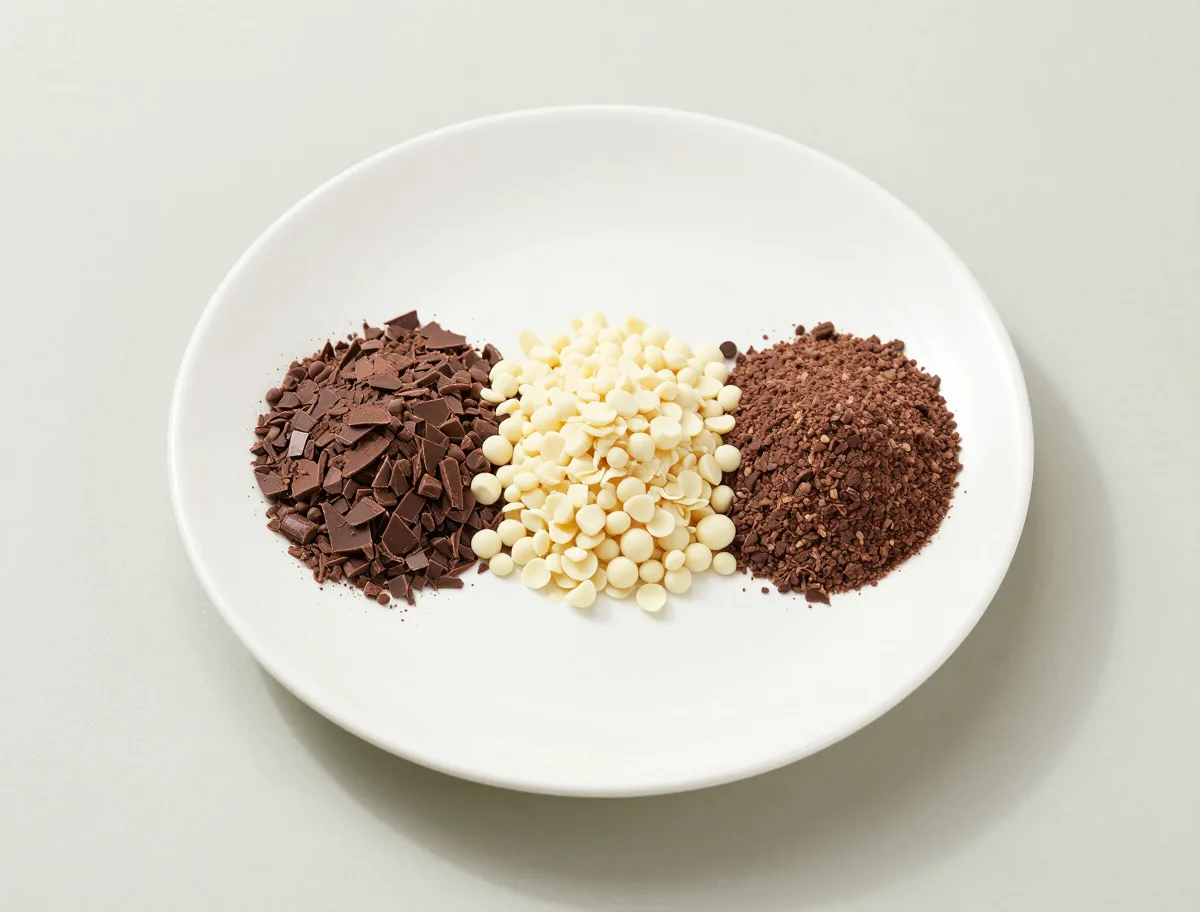
- 75 g dark chocolate, 60% to 70% cocoa, finely chopped
- 70 g unsalted butter, cut into pieces
- 80 g granulated sugar
- 2 large eggs, at room temperature
- 55 g all-purpose flour
- 20 g unsweetened cocoa powder
- 2 g instant espresso powder
- 1/4 tsp fine salt
- 1 tsp vanilla extract
- 2 g powdered gelatin, for the dark chocolate mousse
- 10 g cold water, for blooming the dark mousse gelatin
- 75 g heavy cream, for the dark chocolate ganache base
- 220 g heavy cream, cold, for whipping into the dark mousse
- 180 g milk chocolate, finely chopped
- 2 g powdered gelatin, for the milk chocolate mousse
- 10 g cold water, for blooming the milk mousse gelatin
- 65 g heavy cream, for the milk chocolate ganache base
- 220 g heavy cream, cold, for whipping into the milk mousse
- 180 g white chocolate, finely chopped
- 2 g powdered gelatin, for the white chocolate mousse
- 10 g cold water, for blooming the white mousse gelatin
- 60 g heavy cream, for the white chocolate ganache base
- 220 g heavy cream, cold, for whipping into the white mousse
- 60 g dark chocolate, 60% to 70% cocoa, finely chopped, for the topping
- 90 g heavy cream, for the ganache topping
How to Build the Three Mousse Layers
Successful assembly depends more on temperature and timing than on speed. Make each mousse separately, cool its chocolate mixture until fluid but no longer hot, and fold in softly whipped cream in two stages. The preceding layer must be surface-set before the next one is poured.
- Whip cream only to soft peaks; firm, grainy cream loses volume during folding.
- Fold a small portion of whipped cream into the chocolate first to lighten it, then fold in the remainder gently.
- Push mousse into the pan’s edge before smoothing to prevent holes along the sides.
- Chill the dark and milk layers until a fingertip leaves no mark, rather than relying on the clock alone.
- Keep the springform pan level throughout assembly so each band remains even.
Instructions
- Prepare the pan and oven: Heat the oven to 350°F (175°C). Grease the base of an 8-inch springform pan, line it with parchment, and line the sides with a strip of acetate or smooth parchment that rises slightly above the rim.
- Bake the chocolate cake base: Melt the 75 g dark chocolate and butter together gently, then stir in the sugar. Whisk in the eggs one at a time, followed by the vanilla. Sift in the flour, cocoa powder, espresso powder, and salt; fold just until no dry streaks remain. Spread the batter evenly in the pan and bake for 18 to 22 minutes, until the edges are set and the center gives moist crumbs on a tester. Cool completely in the pan.
- Bloom the gelatin: For each mousse layer, place 2 g powdered gelatin in a separate small bowl with its corresponding 10 g cold water. Stir and leave for 5 minutes, until the gelatin resembles a thick gel.
- Make the dark chocolate mousse: Put the 75 g cream and bloomed dark-layer gelatin in a small saucepan. Warm over low heat until steaming and the gelatin has dissolved; do not boil. Pour over the 200 g chopped dark chocolate and stir from the center outward until glossy and smooth. Let cool until fluid and barely warm, about 95 to 105°F (35 to 40°C). Whip the 220 g cold cream to soft peaks. Stir one-third of the whipped cream into the chocolate mixture, then gently fold in the remainder.
- Set the first layer: Spread the dark mousse over the cooled cake base, working it into the edge of the pan before leveling the surface. Refrigerate for 25 to 35 minutes, until the top feels set when touched lightly and no mousse transfers to your finger.
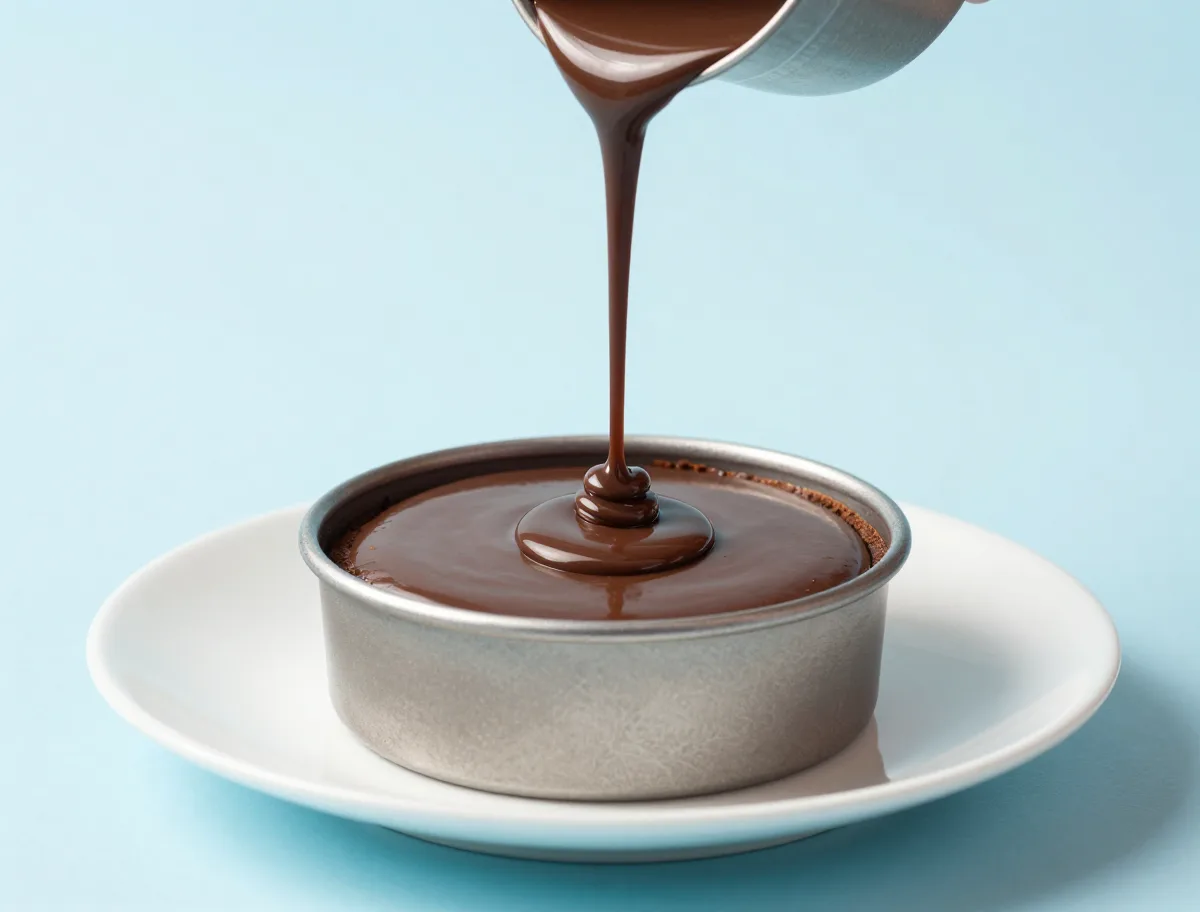
- Make the milk chocolate mousse: Warm the 65 g cream with the bloomed milk-layer gelatin until steaming and dissolved. Pour it over the 180 g milk chocolate and stir until smooth. Cool until fluid but not warm enough to soften the dark layer, then whip the 220 g cold cream to soft peaks. Fold one-third into the chocolate mixture, followed by the rest. Pour gently over the dark layer and smooth the top.
- Set the second layer: Refrigerate the cake for 25 to 35 minutes, checking that the milk mousse surface is set before continuing. Keep the pan level so the layers remain even.
- Make the white chocolate mousse: Warm the 60 g cream with the bloomed white-layer gelatin until the gelatin dissolves. Pour over the 180 g white chocolate and stir until completely smooth. Cool until just fluid and no longer hot. Whip the 220 g cold cream to soft peaks, fold in one-third to lighten the chocolate mixture, then fold in the rest. Pour over the milk layer and level carefully.
- Chill the assembled cake: Cover the pan without touching the surface and refrigerate for at least 6 hours, preferably overnight, until the center is firm. For especially clean release, freeze the fully chilled cake for 30 to 45 minutes before unmolding.
- Add the ganache topping: Warm the 90 g topping cream until steaming. Pour it over the 60 g chopped dark chocolate and stir until glossy. Cool the ganache until barely warm and pourable, then spread a thin layer over the fully set white mousse. Refrigerate for 20 minutes to firm the topping.
- Unmold the cake: Run a thin knife around the outside only if needed, release the springform ring, and peel away the acetate or parchment. Transfer the cake to a serving plate while it is still cold.
- Slice and serve: Dip a long sharp knife in hot water, dry it completely, and cut the cake into wedges. Wipe the blade between cuts. Serve cold, or let individual slices stand for 10 to 15 minutes for a softer mousse texture.
How to Tell When the Cake and Mousse Are Ready
The cake base is done when it is set but still tender; a completely dry tester usually signals overbaking. Each finished mousse should look satiny and feel spoonable, not runny or stiff. Once fully chilled, the cake will be firm enough to release yet yield softly under a warm knife.
- Look for moist crumbs on the cake tester and set edges around the pan.
- A properly folded mousse coats a spatula and spreads without flowing like cream.
- The surface of an intermediate layer should resist a light touch before another mousse is added.
- For the best eating texture, serve cold or allow sliced portions a brief 10- to 15-minute rest.
- The cake base has set edges and a tester showing moist crumbs rather than wet batter.
- Each mousse is glossy, smooth, and thick enough to coat a spatula while remaining spreadable.
- Before another layer is added, the chilled mousse surface resists a light touch without transferring to a fingertip.
- The finished cake is firm in the center and releases cleanly while cold.
- A warm, dry knife cuts through all four layers without dragging or smearing them.
The Temperature and Gelatin Details That Keep Mousse Stable
Each mousse is an emulsion of chocolate, warm cream, gelatin, and whipped cream. The chocolate mixture must stay warm enough for the cocoa butter to remain fluid, but excessive heat will melt the whipped cream and flatten the mousse. Gentle heating also protects the milk and white chocolate from scorching.
- Bloom powdered gelatin in roughly five times its weight in cold water before dissolving it in warm cream.
- Aim for a chocolate mixture that is approximately 95 to 105°F (35 to 40°C), or fluid and barely warm to the touch, before folding.
- Cold cream whips more reliably because its fat can hold air more effectively.
- The chocolate-to-liquid balance changes by chocolate type; dark, milk, and white chocolate cannot be exchanged in equal amounts without changing the set.
For additional professional guidance on keeping a chocolate emulsion fluid before incorporating whipped cream, see L’École Valrhona’s chocolate mousse technique.
Common Triple Chocolate Mousse Cake Mistakes
Most problems occur before the cake reaches the refrigerator. Prevent them by weighing the chocolate and gelatin, using dry equipment, checking temperatures by texture, and correcting the chocolate mixture before whipped cream is added.
- Grainy chocolate: Overheating, water contamination, or adding cream at an unsuitable temperature can split the emulsion. Stir in a little warm cream gradually until smooth; if it remains rough, strain it before cooling.
- Loose mousse: Excess liquid, under-whipped cream, or insufficient chilling can cause collapse. Keep the cake in the pan and chill it fully; do not add dry gelatin directly to an assembled mousse.
- Blurred layers: The lower layer was not set or the next mousse was poured too forcefully. Chill until the surface is firm and pour gently over a spatula.
- Lumpy mousse: Gelatin may have begun setting before it was incorporated. Warm the chocolate base just enough to liquefy it and strain it before folding in cream.
- Difficult release: The pan was poorly lined or the cake was too warm. Chill thoroughly, or freeze briefly before removing the ring.
Ingredient Substitutions and Their Limits
The safest substitutions preserve the balance of chocolate, liquid, fat, and stabilizer. Chocolate brands can vary in cocoa butter and sugar, so a replacement may make a layer slightly softer or firmer even when the label percentages match.
- Sheet gelatin can replace powdered gelatin only after checking the sheet’s weight and bloom strength; sheet sizes are not standardized.
- Agar-agar is not a direct substitute because it sets more firmly and more brittly than gelatin.
- Use a plant-based whipping product only if it is specifically made for whipping and is suitable for warming with chocolate; coconut, oat, and commercial products behave differently.
- A different cake base, such as brownie or cookie crust, will change the dessert’s crumb and cutting texture rather than act as an identical replacement.
- Do not replace dark, milk, or white chocolate one-for-one without expecting changes in sweetness and firmness.
Serving and Pairing Ideas
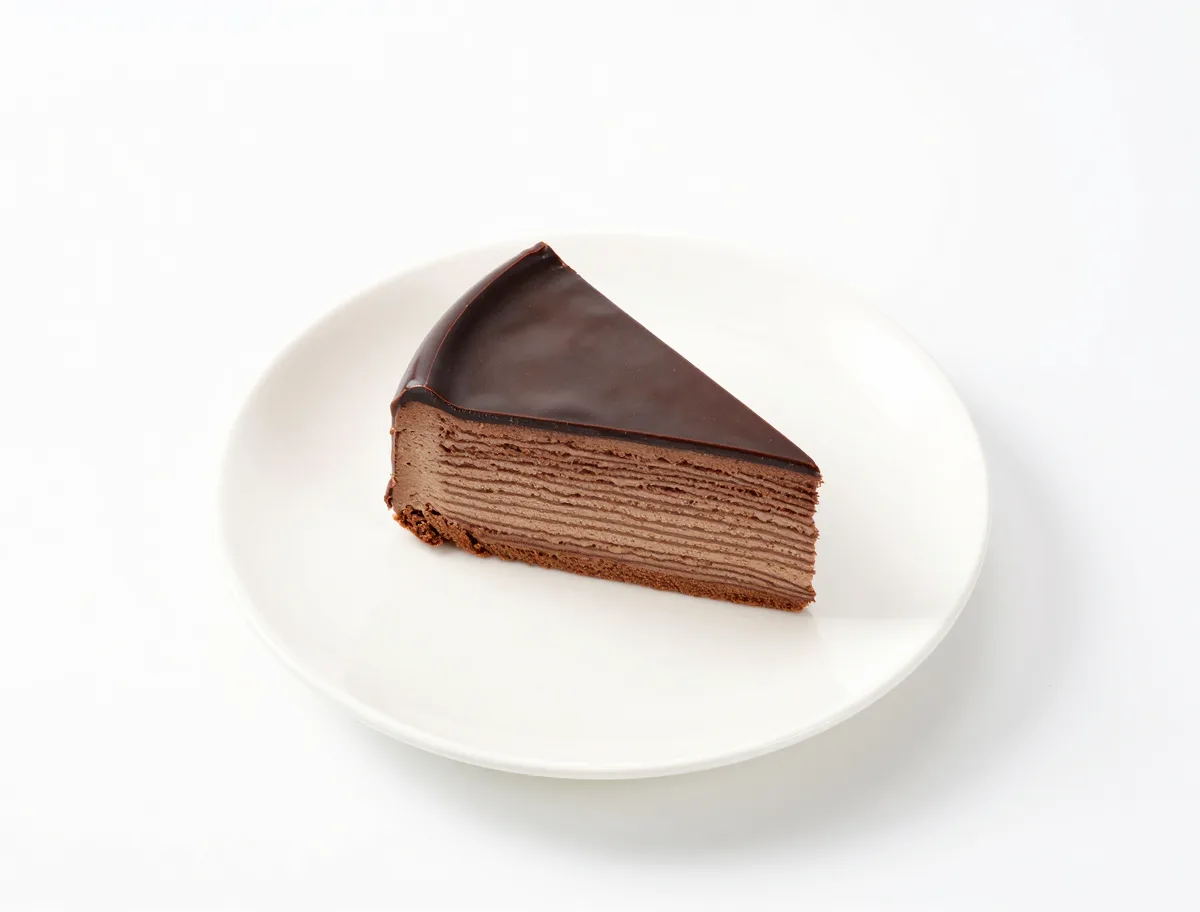
Keep the decoration understated so the dark-to-light layers remain visible. Thin ganache is enough for a polished surface; the rich cake needs contrast more than additional sweetness.
- Serve with black coffee, espresso, or unsweetened tea.
- Fresh raspberries, strawberries, or cherries add acidity and freshness.
- A small spoonful of lightly sweetened or unsweetened cream is preferable to a very sweet sauce.
- For neat portions, warm the knife in hot water, dry it completely, and wipe it after every cut.
How to Store, Freeze and Make the Cake Ahead
This is an excellent overnight dessert. Keep the assembled cake level, covered, and refrigerated until serving. Refrigeration preserves both the mousse structure and food safety; freezing is useful mainly for unmolding, transport, or advance planning.
- Refrigerate the covered cake at 40°F (4°C) or below for up to 3 to 4 days.
- For easier release, freeze the fully chilled cake for 30 to 45 minutes before removing the springform ring.
- For longer advance preparation, freeze the solid cake well protected from air and odors, then thaw it slowly in the refrigerator.
- Ganache may lose some shine after freezing and thawing, and whipped mousse can become slightly less airy.
- Do not microwave or otherwise reheat the cake; heat will melt the mousse and destroy the layers.
Triple Chocolate Mousse Cake FAQ
These answers cover the pan, layer construction, stabilization, chilling, release, and serving questions that matter most when making this celebration dessert.
Does this recipe use three separate mousse layers?
Yes. It has a baked chocolate cake base followed by distinct dark, milk, and white chocolate mousse layers. The ganache is only the topping.
What pan is best for this cake?
Use an 8-inch springform pan lined on the base and sides with parchment or acetate. The removable sides make it practical to build and release the tall cake.
Does the mousse contain eggs?
No. The mousse is stabilized with gelatin and chocolate rather than uncooked eggs. The eggs are used only in the baked cake base.
How long does the cake need to chill?
Chill each intermediate layer until its surface is set, usually 25 to 35 minutes, then refrigerate the completed cake for at least 6 hours. Overnight chilling is the most reliable choice.
Can I omit the gelatin?
Not from this formulation without changing the chocolate-to-cream balance. A gelatin-free mousse cake needs a separately developed formula and is less forgiving when made tall and ahead.
How do I prevent the layers from mixing?
Cool each mousse until fluid but not hot, wait until the preceding layer resists a light touch, and pour the next layer slowly. Keep the pan level and avoid tapping it heavily.
Can I make the cake the day before serving?
Yes. Assemble and refrigerate it covered overnight. Add the ganache either the same day or after the cake is fully set.
What is the cleanest way to slice it?
Unmold the cake cold, warm a long sharp knife in hot water, dry it thoroughly, and wipe the blade between slices.
Food Safety for Chilled Chocolate Mousse Cake
Because the cake contains dairy and eggs, treat it as a perishable refrigerated dessert even when it looks stable. Keep it cold during storage, serving, and transport, and do not use appearance or smell as a substitute for time and temperature control.
- Keep the finished cake at 40°F (4°C) or below.
- Do not leave it at room temperature for more than 2 hours, or more than 1 hour when the temperature is above 90°F (32°C).
- Return leftovers to the refrigerator promptly and use them within 3 to 4 days.
- Transport the cake in an insulated cooler with ice packs if refrigeration is unavailable.
- The baked base should be fully cooked. If a different mousse formula uses uncooked eggs, use pasteurized eggs or a properly cooked egg base; this egg-free mousse avoids that issue.
For additional guidance on handling and storing egg-containing foods, consult the FDA’s egg safety guidance.
Recipe Notes
- Use high-quality eating chocolate. Dark chocolate in the 60% to 70% cocoa range gives the first layer enough intensity without making it excessively bitter.
- Milk and white chocolate already contain more sugar and milk solids than dark chocolate, so no additional sugar is needed in those mousses.
- The gelatin quantity assumes approximately 200-bloom powdered gelatin. Do not omit it from this tall, make-ahead formulation without rebalancing the chocolate and cream.
- For the cleanest layers, refrigerate between pours and keep the next mousse fluid but not hot. Pour slowly onto the center rather than from a height.
- The cake can be assembled one day ahead. Keep it covered and refrigerated at 40°F (4°C) or below.
- Store leftovers refrigerated for 3 to 4 days. To freeze, solidify the cake first, protect it well from freezer odors, and thaw it gradually in the refrigerator. Never reheat it.