Fruit Coffee Cake Recipes with Streusel Topping
This fruit coffee cake recipe makes a tender, moist cake layered with juicy fresh fruit and finished with a crisp brown-sugar streusel for breakfast, brunch, or dessert.
What Makes This Fruit Coffee Cake Work
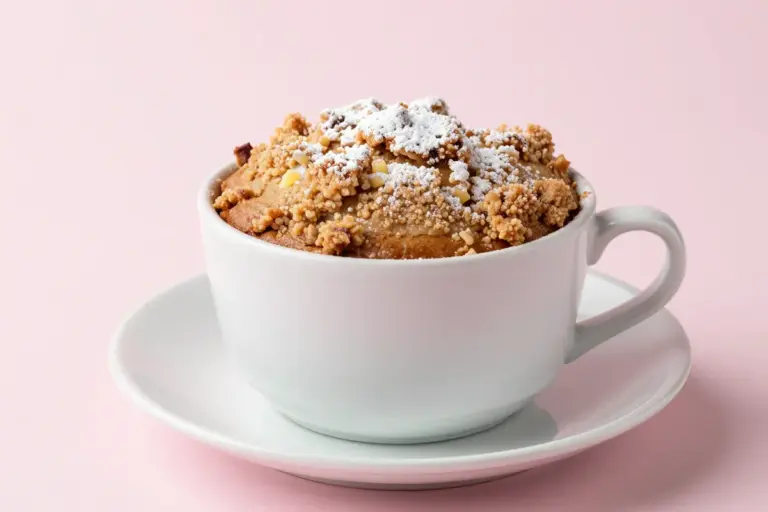
This is a single-layer American-style snack cake made to accompany coffee or tea, not a cake flavored with coffee. It has a tender but sliceable crumb, a defined layer of fruit, and a buttery streusel that adds contrast without overwhelming the fruit.
- The fruit stays visible because it is layered rather than stirred vigorously through the batter.
- Moderate sweetness lets berries and stone fruit retain their fresh, slightly tart character.
- The shallow pan helps the juicy middle bake through evenly.
Why the Key Ingredients Matter
All-purpose flour gives the cake enough structure to hold fruit, while butter and sugar keep the crumb tender. Eggs provide binding and lift, and buttermilk contributes moisture, mild acidity, and a soft texture. Baking powder supplies the main rise; the small amount of baking soda works with the acidic buttermilk and helps the cake brown.
- A thick batter supports the fruit better than a pourable batter.
- Brown sugar in the streusel adds moisture and molasses flavor, while melted butter creates distinct crumbs.
- Nuts are optional but provide a useful crisp, toasted contrast.
Ingredients
- 1 3/4 cups all-purpose flour, divided; reserve 1 tablespoon for the fruit
- 1 1/2 cups fresh fruit, such as blueberries, raspberries, diced peaches, plums, or pitted cherries; washed and thoroughly dried
- 3/4 cup granulated sugar
- 1/2 cup unsalted butter, softened
- 2 large eggs, at room temperature
- 1/2 cup buttermilk, at room temperature
- 1 1/2 teaspoons vanilla extract
- 2 teaspoons baking powder
- 1/4 teaspoon baking soda
- 1/2 teaspoon fine salt
- 1/2 teaspoon ground cinnamon
- 1/2 cup light brown sugar, packed
- 6 tablespoons unsalted butter, melted and cooled slightly
- 3/4 cup pecans or walnuts, finely chopped, optional
How to Layer and Bake the Cake
The important technique is gentle, deliberate assembly. Cream the butter and sugar well for a lighter crumb, but stop mixing as soon as the flour is incorporated. Layering half the batter beneath the fruit keeps juice away from the pan and gives the cake a more even fruit distribution.
- Dry fruit before using it; surface water is more troublesome than the fruit’s natural moisture.
- Dusting fruit with the reserved flour helps reduce sinking and binds a small amount of released juice.
- Make the streusel into varied crumbs rather than a solid blanket so it bakes evenly.
- Let the cake cool before cutting; the crumb and fruit layer continue to set as steam escapes.
Instructions
- Prepare the pan and streusel: Heat the oven to 350°F (175°C). Grease a 9-inch square metal baking pan and line it with parchment, leaving a little overhang on two sides. In a medium bowl, stir together the brown sugar, melted butter, 3/4 cup of the flour, cinnamon, and nuts if using. Squeeze a few portions between your fingers to create irregular crumbs, then refrigerate while you make the batter.
- Prepare the fruit:
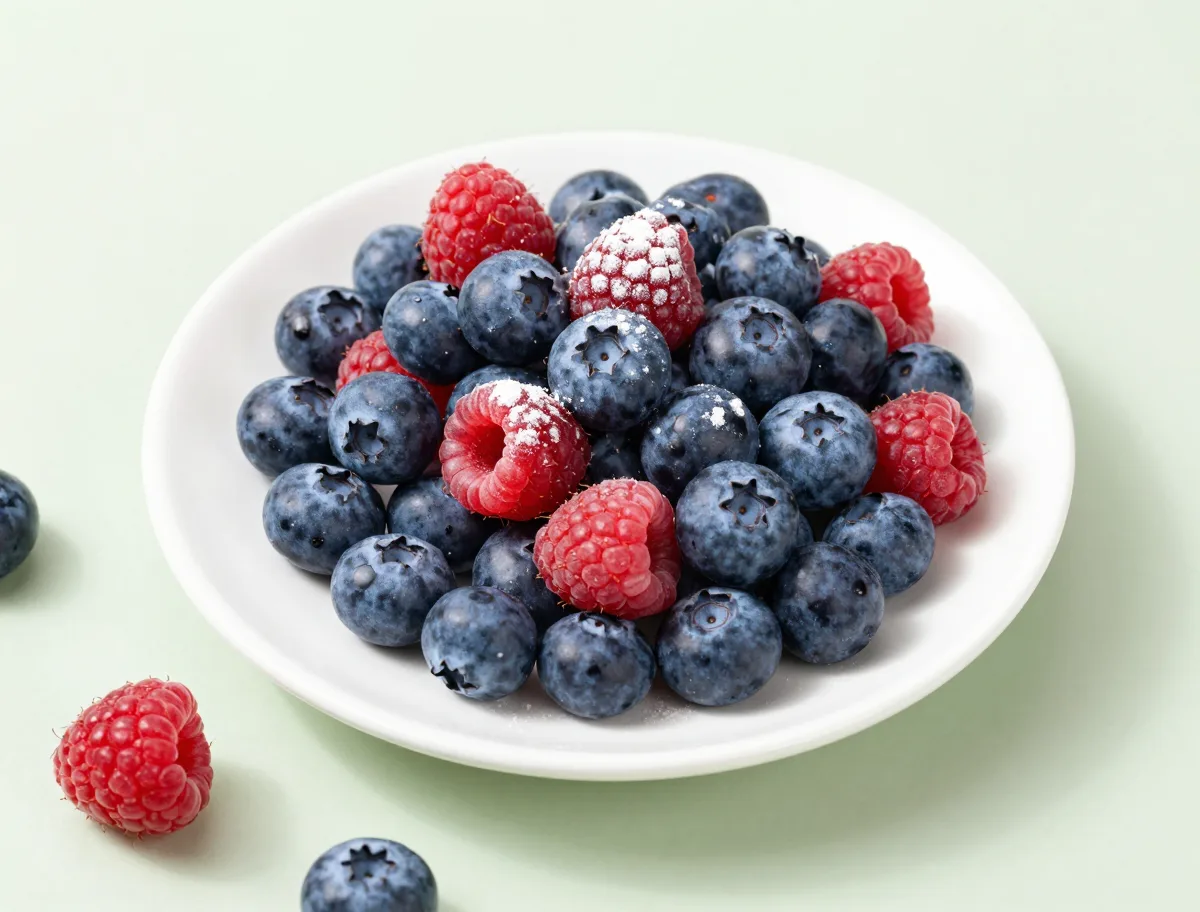
If using berries, leave small berries whole and halve larger ones. Cut peaches, plums, or cherries into pieces no larger than 1/2 inch. Toss the fruit gently with the reserved 1 tablespoon of flour; this should lightly dust the surface rather than coat it thickly.
- Cream the butter and sugar: Using a hand mixer or stand mixer, beat the softened butter and granulated sugar on medium speed until pale and fluffy, about 2 minutes. Beat in the eggs one at a time, scraping the bowl after each addition, then mix in the vanilla.
- Finish the batter: Whisk the remaining flour with the baking powder, baking soda, and salt in a separate bowl. Add the dry mixture to the butter mixture in three additions, alternating with the buttermilk in two additions. Mix on low only until the last streaks of flour disappear. The batter will be thick.
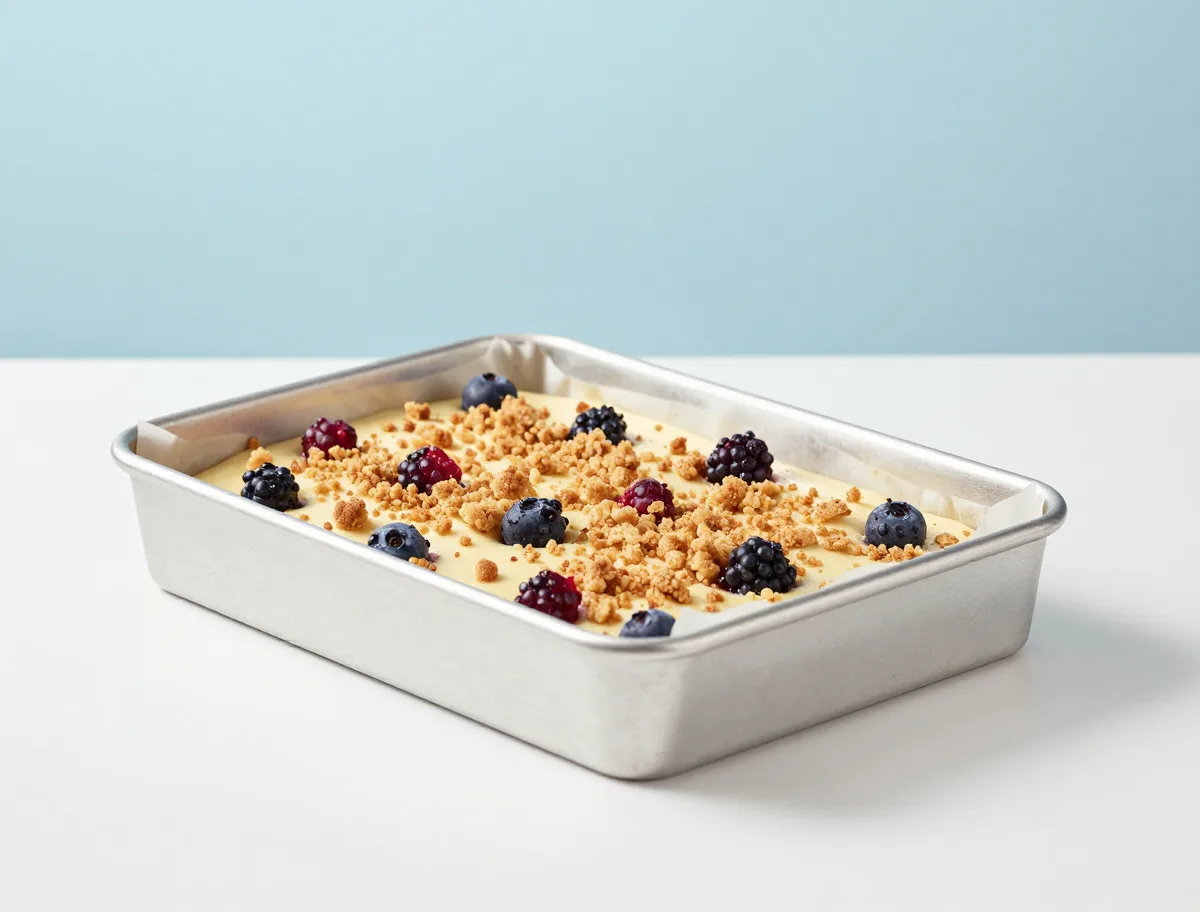
- Layer the cake: Spread about half of the batter in the prepared pan. Scatter the floured fruit evenly over it, keeping a narrow margin around the edges. Carefully dollop and spread the remaining batter over the fruit; it is fine if a few fruit patches remain visible. Break the chilled streusel into crumbs and distribute it evenly over the top.
- Bake: Bake on the center rack for 45 to 52 minutes, rotating the pan once after 30 minutes. The streusel should be golden, the edges firm, and the center should spring back lightly when pressed. Test several spots with a skewer, avoiding obvious fruit; it should show moist crumbs but no raw batter. If the topping browns before the center sets, loosely cover the pan with foil and continue baking.
- Cool and serve: Cool the cake in the pan on a rack for 20 minutes, then use the parchment to lift it out. Cool for at least 10 more minutes before slicing. Serve warm for a soft crumb or at room temperature for cleaner slices and crisper streusel.
How to Tell When Fruit Coffee Cake Is Done
Fruit can make a skewer look wet even when the surrounding cake is baked, so do not rely on one test. Look for a set, lightly springy center and a golden, dry-looking topping, then check more than one spot for raw batter.
- The streusel is golden and looks dry rather than greasy.
- The cake edges are firm and may pull slightly from the pan.
- The center springs back gently when pressed and does not ripple.
- A skewer inserted into multiple cake-only spots shows moist crumbs, not liquid batter.
- An optional thermometer reading in the cake, away from fruit and the pan, is approximately 200 to 210°F (93 to 99°C).
- Moist crumbs are normal; shiny streaks or paste-like batter mean the cake needs more time.
- Avoid testing directly through a berry, cherry, or fruit pocket.
- If the cake is deeply colored but still soft in the center, shield the top loosely with foil and continue baking.
- A thermometer can confirm doneness when inserted into cake rather than fruit, but it is a supporting check rather than the only test.
The Variables That Prevent a Soggy Cake
The main challenge in a fresh fruit coffee cake is free liquid released as the fruit heats. Cold or previously frozen fruit can release more juice, and sugar draws moisture from cut fruit. Drying the fruit, limiting the quantity, and using a shallow pan give the batter enough structure to absorb and bake around that moisture.
- A deeper pan leaves a longer path for heat to reach a wet center, so it is less forgiving than the specified shallow square pan.
- Excess mixing develops gluten and can make the cake compact; mix only until combined after adding flour.
- Fruit placement matters: an internal layer is more reliable than a thick covering of fruit on the surface.
- A light flour coating helps, but it cannot compensate for soaked fruit, excessive syrup, or too much fruit.
For additional practical guidance on how frozen fruit behaves in baked goods, see King Arthur Baking’s guidance on frozen versus fresh fruit.
Common Fruit Coffee Cake Problems and Fixes
Most problems come from uncontrolled fruit moisture, an overly deep cake, or stopping the bake when only the streusel looks finished. The corrections below address the likely cause without promising that a very wet cake can be completely rescued.
- Soggy center or wet streaks: Use less fruit, drain and dry it more thoroughly, and bake in the specified shallow pan. If the cake is still hot, continue baking under foil.
- Fruit sinks: Cut large pieces smaller, dry them well, dust them lightly with flour, and use the layered method rather than folding heavy fruit through the batter.
- Dense crumb: Measure flour carefully, use room-temperature butter and eggs, and avoid prolonged mixing after the flour goes in.
- Burned streusel with an underbaked center: Cover the top loosely with foil and continue baking until the center is set.
- Collapsed middle: It was likely underbaked or contained excess liquid. A fully cooled cake with a raw center rarely returns to the texture of a properly baked cake.
Fresh, Frozen, Canned, and Pie-Filling Fruit Options
Most berries, apples, pears, peaches, plums, apricots, and cherries can work, but their preparation is not interchangeable. Choose fruit that can be kept reasonably dry and cut into pieces small enough to soften during the bake.
- Fresh fruit: Wash and dry thoroughly. Dice apples or pears small; pit and chop stone fruit.
- Frozen small berries: Add them frozen to slow juice release. Thaw larger or heavily iced fruit, then drain and blot it dry.
- Canned fruit: Drain from syrup or juice, pat dry, and cut into small pieces. Do not use the canning liquid in the batter.
- Pie filling: Use it as a modest middle layer rather than replacing all the fruit. It is already sweetened and thickened, so expect a sweeter, softer fruit band.
- Buttermilk substitution: Plain yogurt thinned with a little milk can work, but the batter may be thicker. Sour cream can also be used in a similar amount with a slightly richer crumb.
Easy Ways to Vary the Fruit Streusel Cake
The recipe remains a fruit coffee cake as long as the chemically leavened cake, visible fruit, and crumb topping stay central. Change the fruit or accent flavors rather than adding a heavy custard or turning the cake into a pie.
- Use cinnamon with apples, pears, peaches, or plums; use citrus zest in the batter for berries or cherries.
- Replace the nuts with rolled oats in the streusel, or omit them entirely for a nut-free cake.
- For a more dessert-like finish, add a thin powdered-sugar glaze after the cake has cooled.
- For a swirl, reserve a few spoonfuls of thick fruit or pie filling and marble it lightly into the upper batter; do not overmix.
How to Serve Fresh Fruit Coffee Cake
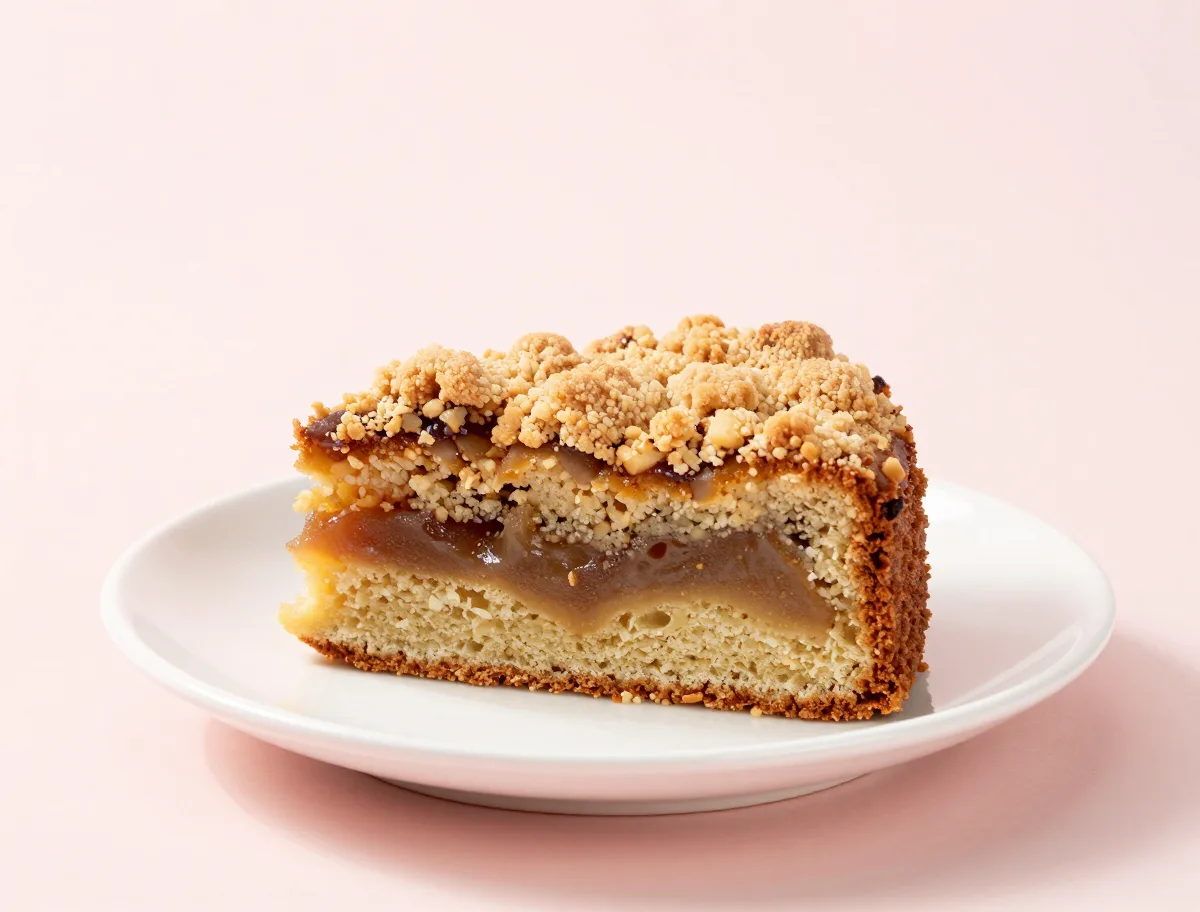
Serve the cake warm after its brief cooling period or at room temperature for the neatest slices. Coffee, black tea, and lightly sweetened tea balance the buttery cake and fruit acidity without adding more sweetness.
- For breakfast or brunch, serve plain or with unsweetened yogurt.
- For dessert, add a restrained citrus glaze or a small scoop of vanilla ice cream.
- Use a serrated knife once the cake is warm rather than piping hot; this protects the crumb and keeps the fruit layer intact.
How to Store, Freeze, and Reheat Fruit Coffee Cake
Cool the cake completely before covering it. An unfrosted cake containing fully baked fruit keeps best covered at cool room temperature for one to two days; refrigeration can extend holding but may firm the crumb. Cakes with fresh-cut fruit on top, cream, custard, or cream-cheese toppings should be refrigerated promptly. For more food-storage guidance, consult the FDA’s food-storage recommendations.
- To freeze, wrap the cooled cake or individual slices tightly, place them in a freezer container, and use within two to three months for best quality.
- Thaw plain cake while wrapped at room temperature so condensation forms on the wrapping rather than the streusel.
- Thaw versions with perishable fillings or toppings in the refrigerator.
- Warm individual slices gently in a low oven or microwave. Reheating restores softness but may not fully restore the streusel’s original crispness.
- Perishable toppings should not remain at room temperature for more than two hours, or more than one hour in temperatures above 90°F.
Fruit Coffee Cake Questions, Answered
The base recipe is flexible, but fruit condition and placement determine the final texture. These answers cover the substitutions and decisions most likely to affect a successful bake.
Can I use any fruit in this coffee cake?
Most berries, apples, pears, peaches, plums, apricots, and cherries work. Keep the amount near 1 1/2 cups, cut firm fruit small, and manage excess moisture before adding it.
Should fruit go inside the cake or on top?
The layered interior method is the most dependable because it protects the fruit from direct contact with the pan and distributes it through the slice. Fruit on top looks attractive but exposes the cake to more surface moisture and may sink.
Can I use frozen fruit without thawing it?
Small frozen berries can usually go directly into the cake. Thaw larger or heavily iced pieces, drain them well, and pat them dry so they do not chill the batter or release a large amount of water.
Can canned fruit or canned pie filling be substituted?
Yes. Drain and blot canned fruit before cutting it. Use pie filling sparingly as a thick, sweet middle layer; too much can produce a gummy band and make the cake overly sweet.
Why is my fruit coffee cake soggy?
Common causes include wet or overripe fruit, excess syrup, too much fruit, a deep pan, or insufficient baking. Dry the fruit, keep the quantity moderate, use the specified shallow pan, and continue baking under foil if the top colors before the center sets.
How do I know whether a wet skewer means the cake is underbaked?
Test several spots and avoid obvious fruit. Juice from fruit can wet the skewer, but raw batter appears shiny and thick. The center should be set and spring back lightly, with firm edges and moist crumbs in cake-only areas.
Can I make this coffee cake ahead?
Yes. Bake it up to two days ahead and keep the unfrosted cake covered in a cool room, or freeze it tightly wrapped for longer storage. Add delicate fresh fruit, cream, or other perishable toppings only shortly before serving.