Max and Erma’s Recipe for Chicken Tortilla Soup
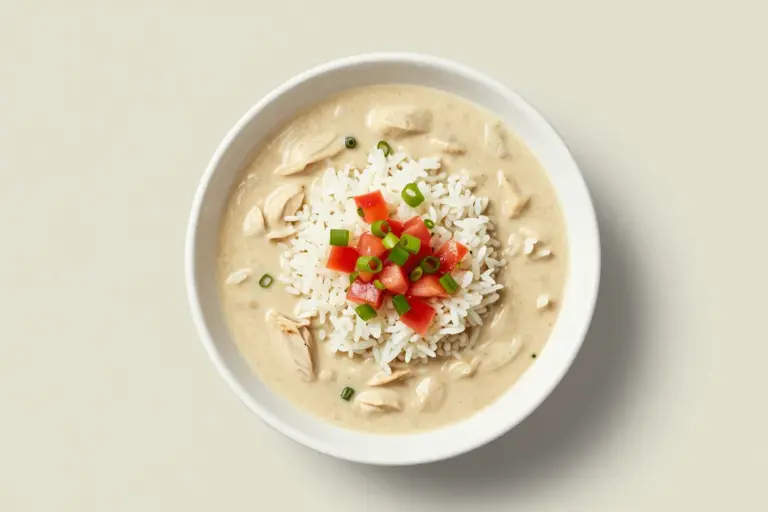
This close copycat Max and Erma’s recipe for chicken tortilla soup combines shredded chicken, Rotel-style tomatoes, green chiles, a creamy cheese base, and crisp tortilla strips in a thick, restaurant-style soup.
What to Expect from This Max and Erma’s Chicken Tortilla Soup
This recipe aims for the recognizable restaurant-style profile: a thick but ladleable creamy soup with tomato, green chile, tender shredded chicken, and a mild-to-moderate spicy finish. Crisp tortilla strips provide the essential contrast.
- The soup is opaque, cheesy, and spoon-coating rather than clear and broth-based.
- Tomato and green chile flavor should be integrated throughout the base, not taste like a separate salsa topping.
- The finished consistency should remain soup-like, never stiff like queso or gravy.
- This is a Mexican-American restaurant adaptation, distinct from traditional broth-based sopa Azteca.
Why the Key Ingredients Matter
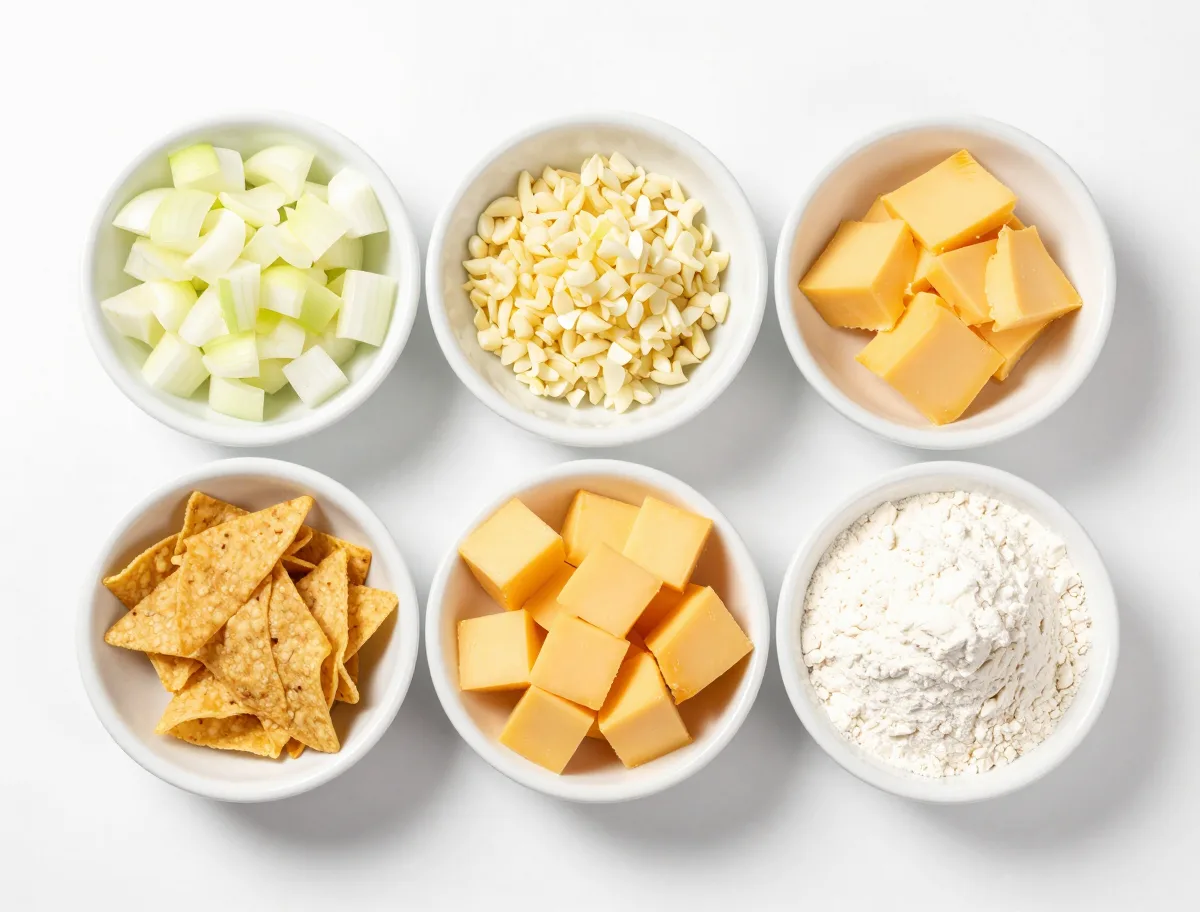
Each major ingredient has a specific job in this copycat formulation. The stock and milk create the liquid foundation, the roux supplies controlled body, and pasteurized process cheese gives the smooth, stable texture associated with a restaurant soup.
- Undrained tomatoes with green chiles supply tomato flavor, chile aroma, acidity, color, and part of the liquid.
- Salsa adds another layer of seasoned tomato-chile flavor without requiring a long simmer.
- A roux distributes the flour evenly and helps the soup thicken without lumps.
- Pasteurized process cheese melts more reliably than many natural cheeses because its emulsifying salts help keep fat and liquid together.
- Shredded chicken distributes more evenly in each spoonful than large chunks.
- Corn tortillas make a crisp, savory topping that complements the soup without changing its creamy base.
Ingredients
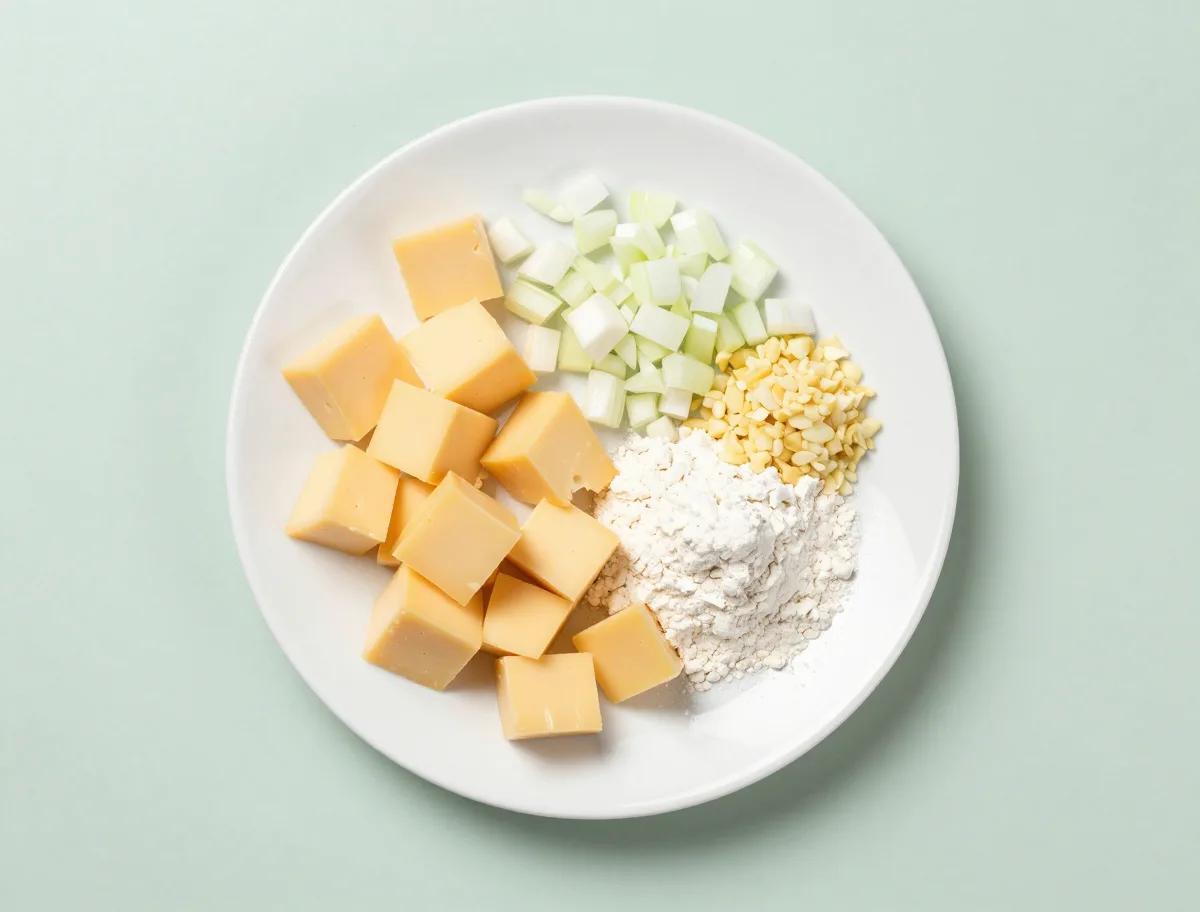
- 2 tablespoons unsalted butter
- 1 small yellow onion, finely diced
- 2 cloves garlic, finely minced
- 1/4 cup all-purpose flour
- 4 cups low-sodium chicken stock, warmed
- 2 cups whole milk, warmed
- 1 can (10 ounces) diced tomatoes with green chiles, undrained
- 1/2 cup mild or medium tomato salsa
- 1 teaspoon chili powder
- 3/4 teaspoon ground cumin
- 1/2 teaspoon kosher salt, plus more to taste
- 1/4 teaspoon cayenne pepper (optional)
- 8 ounces pasteurized process cheese, cut into small cubes
- 2 cups cooked chicken, shredded into bite-size pieces
- 8 small corn tortillas, cut into thin strips
- 2 tablespoons neutral cooking oil
- 1/4 cup fresh cilantro, chopped (optional)
- 1 medium lime, cut into wedges (optional)
- 1/2 cup sour cream, for serving (optional)
How to Make the Soup Smooth and Restaurant-Style
The important sequence is aromatics, roux, liquid, simmer, cheese, and chicken. Building the base in this order gives the flour time to hydrate before cheese is introduced and keeps the already-cooked chicken from drying out.
- Whisk the stock into the roux gradually, especially during the first cup of liquid.
- Use a gentle simmer rather than a rolling boil once milk and tomatoes are in the pot.
- Lower the heat before adding cheese and incorporate it in small amounts.
- Add cooked chicken only after the cheese base is smooth; it needs warming, not extended cooking.
- Prepare tortilla strips separately and hold them dry until the bowls are ready.
Instructions
- Make the tortilla strips: Heat the oil in a large skillet over medium heat. Add the tortilla strips in a single layer, working in batches if necessary, and cook for 2 to 4 minutes, turning occasionally, until crisp and lightly golden. Transfer to a paper towel-lined plate and season lightly with salt if desired. Keep separate from the soup.
- Sauté the aromatics: Melt the butter in a heavy-bottomed Dutch oven or soup pot over medium heat. Add the onion and cook for 4 to 5 minutes, stirring, until softened. Add the garlic and cook for 30 seconds, just until fragrant.
- Build the thickened base: Sprinkle in the flour and whisk until it coats the onion and forms a smooth paste. Cook for 1 minute. Gradually whisk in the warmed chicken stock, adding it in several small additions so no lumps form. Whisk in the milk until smooth.
- Simmer with the tomato and chiles: Stir in the undrained tomatoes with green chiles, salsa, chili powder, cumin, salt, and cayenne, if using. Bring the soup to a gentle simmer, then reduce the heat to medium-low. Cook for 10 to 12 minutes, stirring frequently, until the base lightly coats a spoon. Do not let it boil hard.
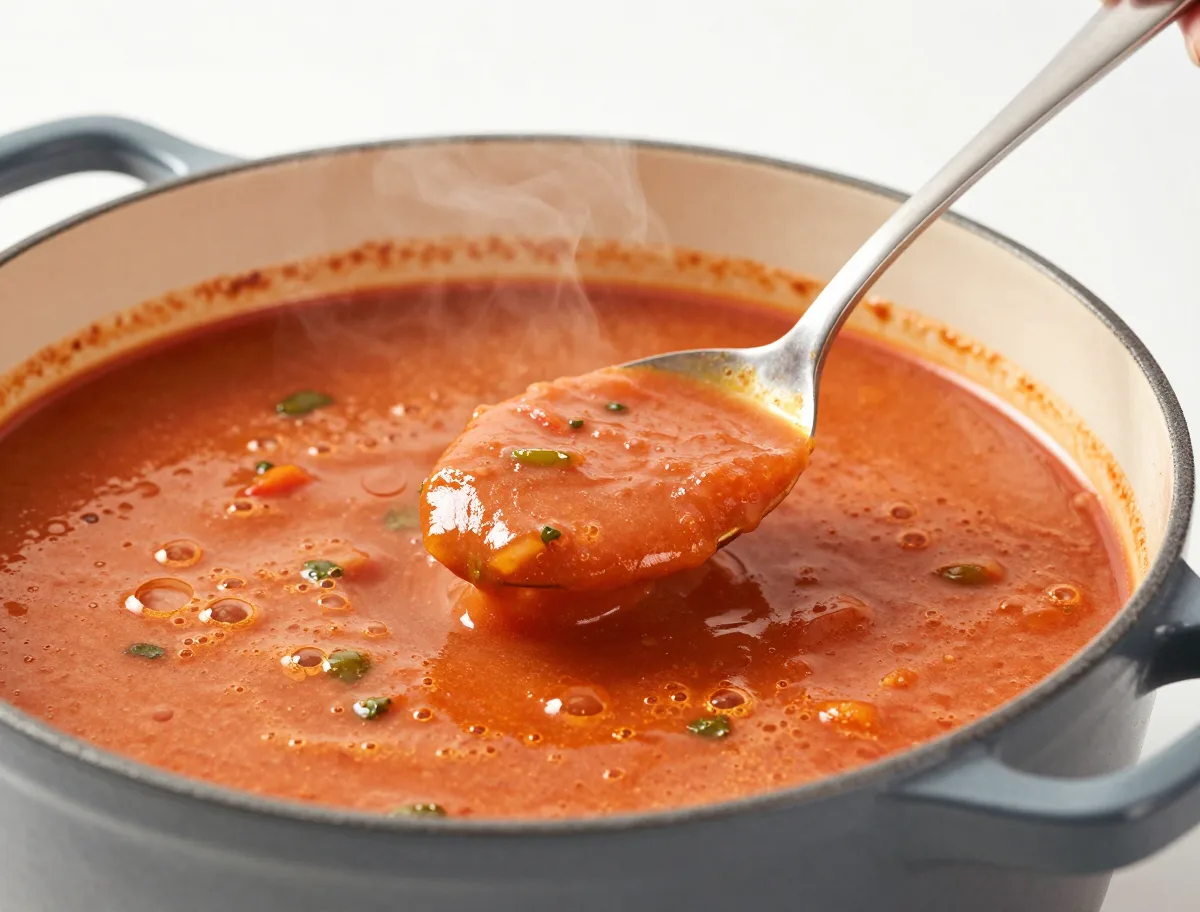
- Melt in the cheese: Reduce the heat to low or remove the pot from the burner. Add the cubed cheese a handful at a time, stirring until each addition is completely smooth before adding more. The soup should look evenly creamy, with no visible cheese pieces or oily film.
- Warm the chicken: Stir in the shredded chicken and return the pot to low heat. Warm for 3 to 5 minutes, stirring occasionally, until the chicken is hot throughout. Taste and adjust the salt or cayenne. If the soup is thicker than desired, stir in a little additional warm stock or milk.
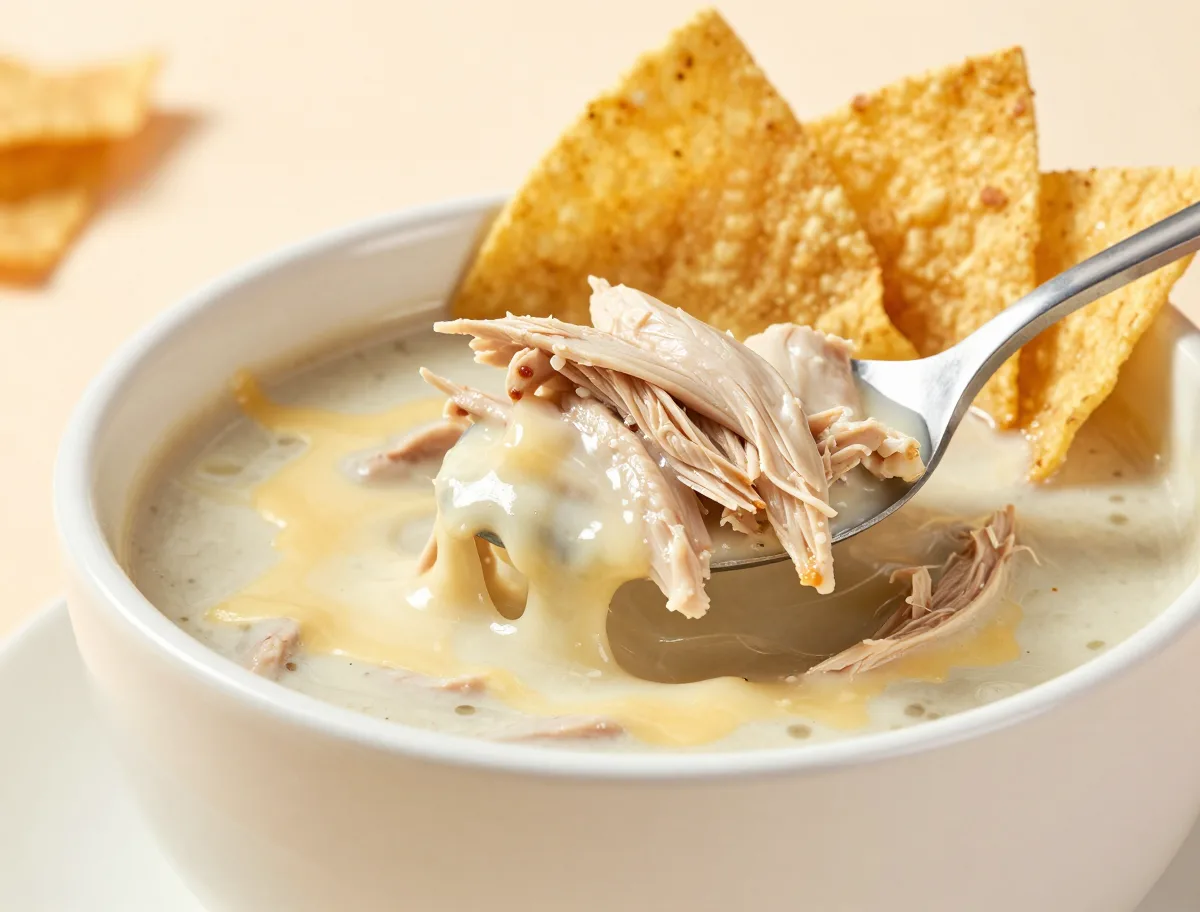
- Serve: Let the soup stand for 5 minutes before ladling it into bowls; it will thicken slightly as it cools. Top each serving with tortilla strips and, if desired, cilantro, sour cream, and a lime wedge. Add the tortilla strips immediately before eating.
How Thick Should Chicken Tortilla Soup Be?
The ideal soup lightly coats a spoon and pours in a steady stream. It should feel rich and creamy but still move freely in the bowl. Remember that the roux and cheese continue to make the soup seem thicker as it cools.
- If the soup sits in a mound on the spoon, it is too thick; loosen it with warm stock or milk.
- If the base runs like thin broth, it needs a little more simmering before the cheese is added.
- A smooth surface without curds, graininess, or separated oil indicates that the cheese phase was handled correctly.
- Chicken should be tender, moist, and thoroughly hot rather than stringy from prolonged boiling.
- Tortilla strips should crackle or remain firm when they first touch the soup.
Doneness Cues
- The roux is smooth and pale, with no dry flour remaining, before liquid is added.
- The simmered soup lightly coats the back of a spoon but still flows easily from a ladle.
- The melted cheese produces an even, opaque base without curds or pools of fat.
- The cooked chicken is hot throughout but has not been boiled long enough to become dry.
- Tortilla strips are rigid and crisp when added to the bowls.
The Cooking Variables That Protect the Creamy Texture
Flour thickens only after it has been dispersed in fat and hydrated by liquid. Cheese is also sensitive to heat: prolonged boiling can cause natural dairy proteins to tighten and release fat, while controlled low heat gives a smoother result.
- Cooking the flour briefly in butter removes its raw taste and coats the starch before liquid is added.
- Gradual whisking prevents hydrated flour from forming lumps that are difficult to remove later.
- Tomatoes should be added before the cheese so their acidity is integrated into the base rather than concentrated around the cheese.
- Cheese should go in after thickening, over low heat or off the heat, and in several additions.
- Taste for salt only after the cheese and chicken are incorporated because both can contribute significant seasoning.
Common Chicken Tortilla Soup Mistakes and Fixes
Most problems come from rushing the roux, overheating the dairy, or adding the tortilla topping too soon. Small corrections are usually possible, but scorched dairy and severely broken cheese are difficult to disguise.
- Flour lumps: The liquid was added too quickly or the flour went directly into the soup. Whisk in the stock gradually; if necessary, strain the base before adding cheese.
- Scorched soup: The heat was too high or the pot was not stirred. Transfer the unburned soup to a clean pot without scraping the bottom.
- Greasy or grainy cheese: The soup boiled or the cheese was added too quickly. Remove it from the heat and whisk in a small amount of warm stock or milk.
- Watery soup: The tomato liquid or stock was high, or the base was not simmered long enough. Continue a gentle simmer before adding more thickener.
- Dry chicken: Precooked meat was cooked for too long. Add chicken near the end and warm it only until hot.
- Soggy tortilla strips: They were added early or stored with the soup. Keep them in a dry container and add them at the table.
Useful Substitutions for This Copycat Soup
The best substitutions preserve three things: a creamy liquid body, dependable cheese melting, and tomato-chile flavor. Changes are possible, but they can alter the soup’s stability or richness.
- Use rotisserie, leftover roasted, poached, or canned chicken in place of the specified cooked chicken; adjust salt according to how the meat was seasoned.
- Evaporated milk can replace some or all of the whole milk for a fuller body. Lower-fat milk works but produces a lighter soup.
- For a less processed flavor, replace the process cheese with freshly shredded Monterey Jack or mild cheddar. Add it off heat, in small handfuls; the soup may be less stable when reheated.
- To avoid condensed soups, use the roux, stock, milk, and cheese method in this recipe. This gives more control over salt and thickness.
- Cornstarch can replace the flour, but mix it with cold stock first and add it cautiously. The result will be glossier and less roux-like.
- Purchased tortilla strips or crushed tortilla chips can replace homemade strips; keep either topping separate until serving.
How to Adjust the Heat and Consistency
The soup can move from family-friendly to distinctly spicy without losing its core identity. Make changes in small increments because canned chiles and prepared salsas vary considerably in heat.
- For mild soup, choose mild tomatoes with green chiles, use mild salsa, and omit the cayenne.
- For more heat, use hot tomatoes with green chiles, then add cayenne or hot salsa a little at a time.
- For a thicker result, simmer the base slightly longer before adding cheese; do not add dry flour directly to the finished soup.
- For a thinner result, stir in warm stock or milk by the tablespoon until the soup flows easily from a ladle.
- Chicken thighs make a moister, richer soup, while breast meat gives a leaner, familiar shredded-chicken texture.
- A broth-only, strongly lime-forward, or pasilla-dominant soup would be a related tortilla soup style rather than this creamy Max and Erma’s copycat.
Serving the Soup with Crisp Tortilla Strips
Serve the soup hot but not actively boiling, preferably in warmed bowls. Add the tortilla strips at the last moment so their crunch lasts beyond the first few bites.
- Finish with cilantro, sour cream, lime, or a small amount of shredded cheese if desired.
- Pass extra tortilla strips separately when serving a crowd so everyone can control the crunch.
- A simple green salad, quesadilla, or grilled sandwich makes a practical accompaniment without competing with the soup’s richness.
- For leftovers, add fresh garnishes only after reheating rather than storing them in the soup.
How to Store, Freeze and Reheat Creamy Chicken Tortilla Soup
Cool leftovers promptly and keep the soup separate from every crisp or fresh garnish. Dairy-rich soup reheats best slowly, although food safety still requires the center to reach 165°F.
- Refrigerate the soup within 2 hours, or within 1 hour if the room temperature is above 90°F. Divide it among shallow containers for faster cooling.
- Use refrigerated soup within 3 to 4 days and keep tortilla strips, cilantro, lime, and sour cream separate.
- Reheat in a saucepan over low to medium-low heat, stirring frequently, until the thickest portion reaches 165°F. Safety takes priority even if a brief boil slightly affects the texture.
- If the reheated soup seems too thick or slightly separated, whisk in a small amount of warm stock or milk.
- Freeze cooled soup in airtight portions for best quality within 2 to 3 months. Thaw in the refrigerator and reheat gently; natural-cheese versions may separate more than process-cheese versions.
- Do not freeze tortilla strips, sour cream, cilantro, or lime with the soup.
Max and Erma’s Chicken Tortilla Soup FAQs
These answers address the most common questions about copycat accuracy, chicken, spice, cheese, consistency, and leftovers.
How closely does this reproduce Max and Erma’s chicken tortilla soup?
It is a close restaurant-style copycat based on the recurring characteristics associated with the soup: creamy cheese, tomato and green chile flavor, shredded chicken, moderate heat, and tortilla strips. No publicly verified proprietary restaurant formula was used.
Is this soup creamy and cheesy rather than broth-based?
Yes. The roux, milk, and process cheese create a thick, opaque base. It is designed to be spoon-coating and ladleable rather than a clear broth.
What chicken works best?
Two cups of shredded rotisserie, leftover roasted, poached, or baked chicken all work well. Breast meat is leaner; thigh meat stays especially moist. Add cooked chicken near the end.
Why use pasteurized process cheese?
It melts smoothly and is more forgiving than many natural cheeses, making it a reliable choice for the restaurant-style texture. Freshly shredded Monterey Jack or mild cheddar can be substituted, but the soup may be less stable.
How do I prevent flour lumps?
Cook the flour in the butter first, then whisk in warm stock gradually. Do not sprinkle dry flour directly into the hot soup.
When should the cheese be added?
Add it after the soup base has thickened and the heat has been lowered or turned off. Stir in small amounts, allowing each addition to melt fully before adding more.
How spicy is the soup?
The base is moderately seasoned, but the heat depends on the tomatoes with green chiles and salsa. Omit cayenne for a milder version or add hot salsa, hotter chiles, or additional cayenne gradually.
Can I use condensed soup instead of the roux?
You can, but the roux-based method gives better control over salt and thickness and avoids combining several canned cream soups. If using a condensed soup, reduce the added stock and taste carefully before salting.
Why is my soup too thick or too thin?
Stock volume, tomato liquid, simmering time, flour, cheese, and cooling all affect texture. Loosen a thick soup with warm stock or milk. If it is thin, simmer the base a little longer before adding cheese.
Can tortilla strips simmer in the soup?
They can, but they will soften quickly and may make the soup thicker unpredictably. For the intended contrast, keep them separate and add them just before serving.
Can I freeze this soup?
Yes, although dairy and cheese may separate or become slightly grainy after thawing. Freeze the soup without toppings, thaw it in the refrigerator, and reheat gently while stirring.
How This Copycat Differs from Traditional Mexican Tortilla Soup
Traditional sopa Azteca or sopa de tortilla generally centers on a tomato-chile broth or purée, fried tortillas, and fresh garnishes such as cheese, avocado, crema, cilantro, and lime. This Max and Erma’s version is an American restaurant adaptation that adds milk, a thickener, and abundant melted cheese. For additional culinary context on traditional sopa Azteca, see Saveur’s Mexican tortilla soup overview.
- The shared elements are chicken, tomato, chile, stock, tortillas, and familiar garnishes.
- The creamy, cheese-forward structure is the defining difference from many traditional broth-based preparations.
- Rotel-style tomatoes and process cheese reflect a practical American copycat approach rather than a claim of canonical Mexican authenticity.
- The restaurant’s original proprietary formula and exact historical development are not publicly verified.
Food Safety for Chicken Soup and Leftovers
Use a food thermometer for poultry and reheated soup, and avoid cooling a large pot slowly on the counter. These precautions matter especially for a thick soup that can retain heat in its center. Follow USDA safe cooking temperature guidance for poultry, cooling, storage, and reheating.
- If starting with raw chicken, cook it to an internal temperature of 165°F before shredding it.
- Wash hands and use separate boards and utensils for raw poultry and ready-to-eat garnishes.
- Refrigerate cooked soup and chicken within 2 hours, or within 1 hour in temperatures above 90°F.
- Cool soup in shallow containers and refrigerate it at 40°F or below.
- Use refrigerated leftovers within 3 to 4 days.
- Reheat leftovers thoroughly to 165°F, stirring so the thick soup heats evenly. Add fresh tortilla strips only after reheating.