Ball Cake Recipe: Easy Chocolate-Covered Cake Balls
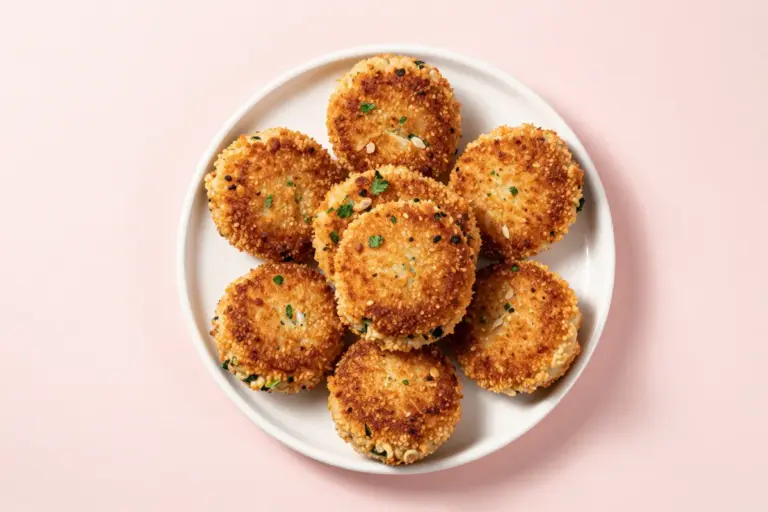
This easy ball cake recipe transforms a boxed cake mix and a modest amount of frosting into moist, cohesive cake balls with a smooth candy coating and colorful sprinkles.
What This Ball Cake Recipe Makes
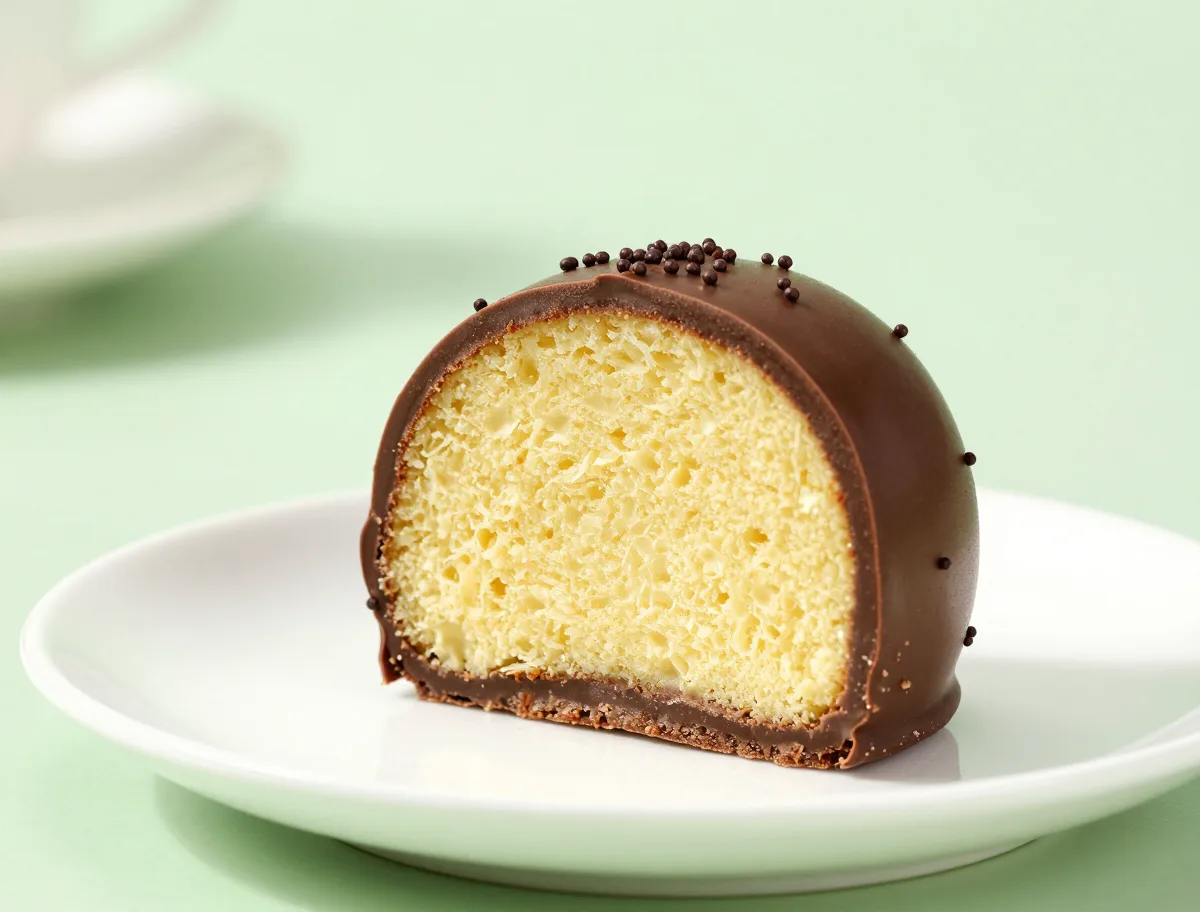
Here, “ball cake” means individual cake balls: fine cake crumbs bound with frosting, shaped into small spheres, chilled, and covered with a firm chocolate or candy shell. The finished bite should be moist and tender inside without becoming gummy, with a smooth coating that stays intact when handled.
- The 1 1/4-inch size is small enough for even dipping and comfortable to eat in one or two bites.
- Cake balls are served without sticks; adding sticks turns the same preparation into cake pops.
- A large baked sphere cake is a different dessert requiring a ball-shaped pan, structural support, and a separate baking method.
Why the Cake, Frosting and Coating Matter
The cake provides structure and flavor, while frosting supplies the moisture and adhesion that let crumbs become a rollable mixture. The coating protects the soft center and adds the characteristic candy-like finish. A thick frosting is easier to control than a loose or whipped one, so it can be added gradually.
- Vanilla frosting suits yellow or vanilla cake; chocolate frosting deepens chocolate cake; cream cheese frosting is a natural match for red velvet.
- Candy melts and compound coatings are the most forgiving choice because they set without tempering.
- Real chocolate can be used for a richer flavor, but it may require tempering for a glossy finish and firm snap.
- A little fat-based shortening can loosen a thick coating; too much can leave the shell soft or greasy.
- 1 box yellow or chocolate cake mix, 15.25 ounces
- 3 large eggs
- 1/2 cup neutral oil, such as canola or vegetable oil
- 1 cup water
- 1/2 cup thick prepared frosting, vanilla, chocolate, or flavor-matched; use more only if needed
- 16 ounces candy melts or compound coating, chocolate, vanilla, or colored
- Optional: 1 tablespoon vegetable shortening or refined coconut oil, for thinning the coating if necessary
- Optional: 1/4 cup sprinkles or other small decorations
How to Shape and Dip Smooth Cake Balls
The most important technique is control: cool the cake fully, make the crumbs fine, add frosting in stages, and chill the shaped balls before coating. Firming the balls makes them less likely to shed crumbs or deform, while working in small batches keeps the remaining pieces cold.
- Compress each portion before rolling; simply rounding loose crumbs creates fragile centers.
- Use a fork for balls without sticks and lift them with a second fork or toothpick so excess coating can drain.
- Use a deep, narrow bowl when possible, since adequate coating depth makes full coverage easier.
- Apply sprinkles, crushed cookies, nuts, or drizzle immediately, before the shell sets.
- Bake the cake: Heat the oven to 350°F (175°C). Grease a 9-by-13-inch baking pan. Combine the cake mix, eggs, oil, and water in a large bowl and beat just until smooth, about 2 minutes. Spread the batter in the pan and bake according to the package-style timing, checking at 25 minutes; the center is ready when it springs back lightly and a toothpick comes out clean or with a few moist crumbs.
- Cool and crumble: Cool the cake completely in the pan. Trim away any hard, dry edges if needed, then break the cake into a large bowl and rub it into fine, even crumbs. Fine crumbs produce a smoother center and prevent weak spots.
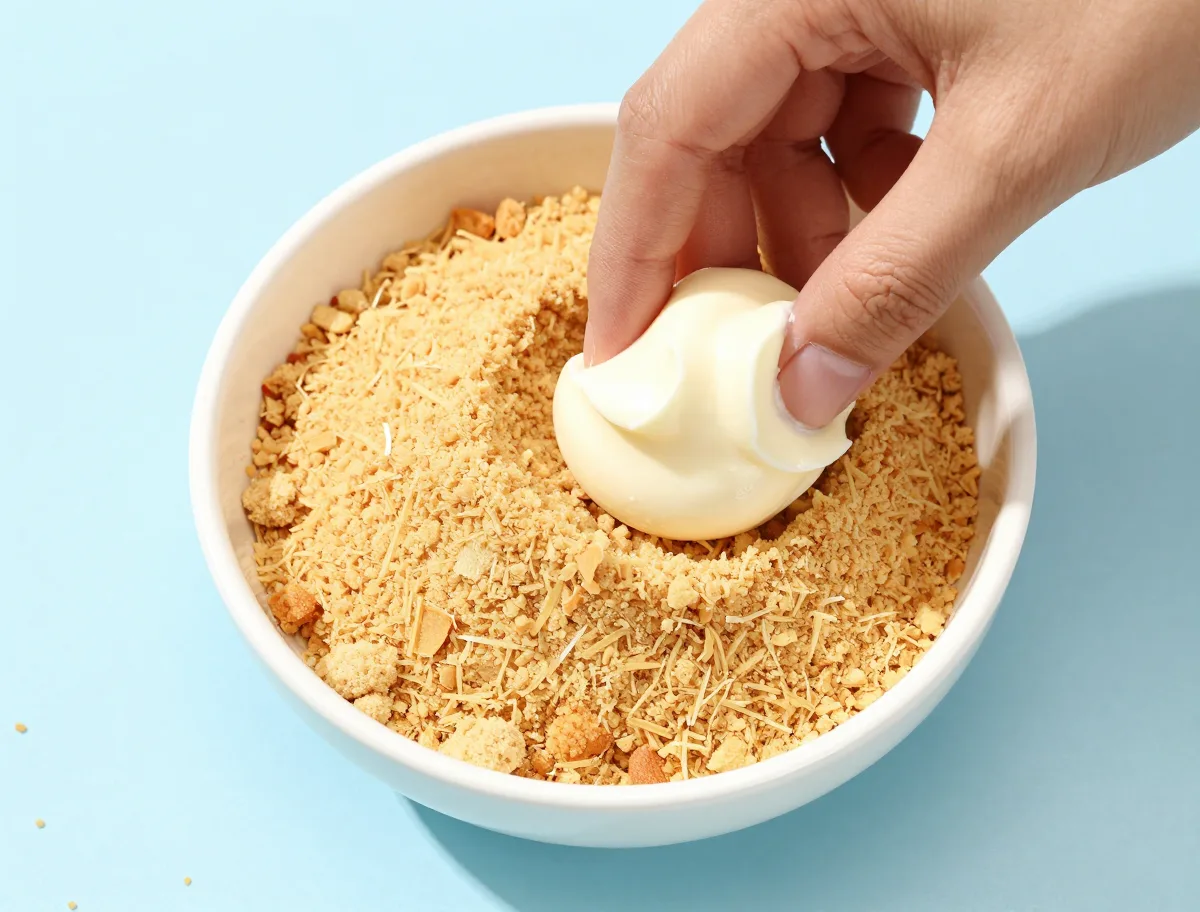
- Bind the crumbs: Add the frosting and mix with your hands or a sturdy spatula until evenly distributed. The mixture should resemble soft modeling dough: when squeezed, it holds together cleanly, but it should not feel wet, oily, or paste-like. If it still crumbles, add more frosting 1 teaspoon at a time; if it feels sticky, mix in a few additional dry cake crumbs.
- Shape and chill: Line a baking sheet with parchment. Portion the mixture into 30 pieces, about 1 heaping tablespoon each. Compress each portion firmly, roll it between your palms, and smooth it into a 1 1/4-inch ball. Refrigerate for at least 30 minutes, until firm but not frozen solid.
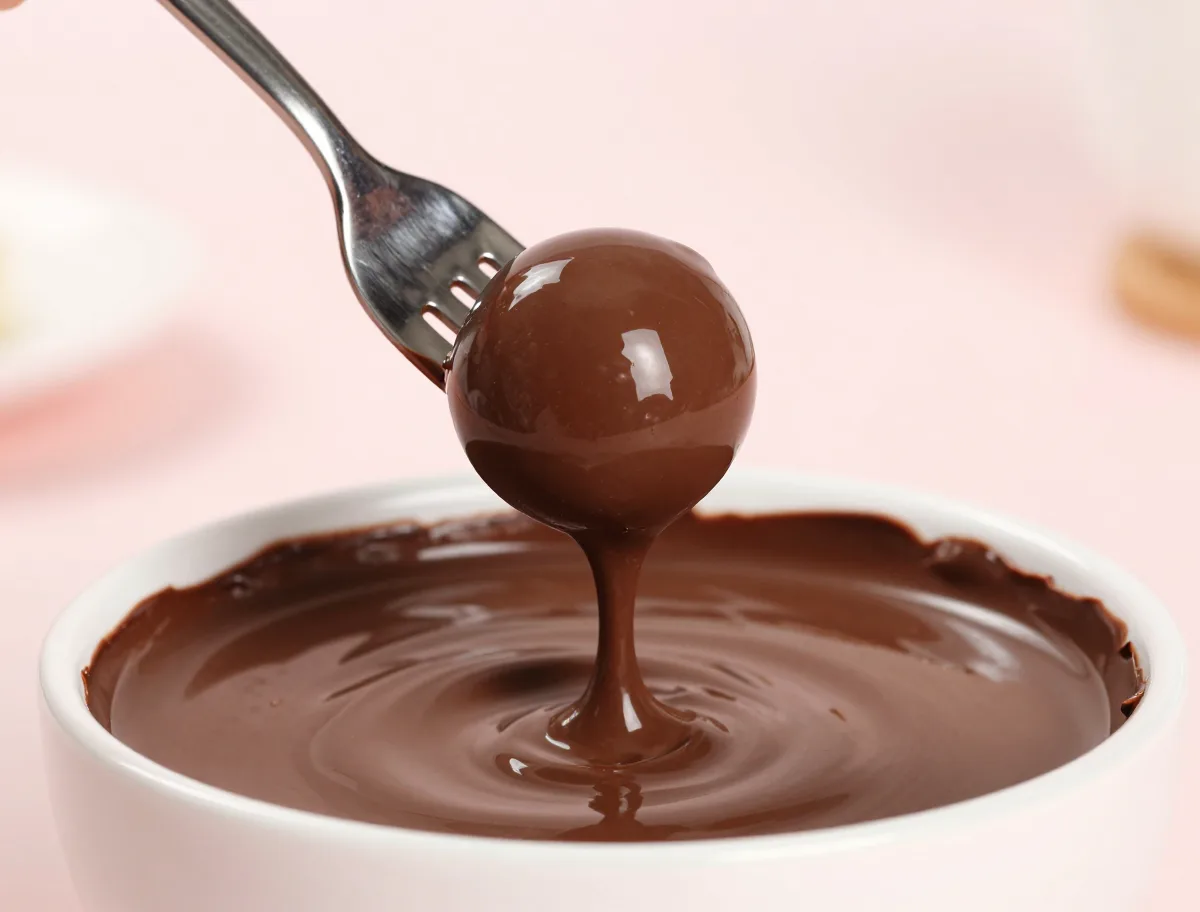
- Melt the coating: Place the candy melts in a deep, narrow microwave-safe bowl. Microwave in 20-second intervals, stirring thoroughly after each, until nearly melted; stir until completely smooth. If the coating falls from the spoon in a thick, dragging mass, stir in the shortening 1/2 teaspoon at a time. Do not add water, and do not overheat the coating.
- Dip and decorate: Remove only 6 to 8 cake balls from the refrigerator at a time. Drop one into the coating, turn it gently with a fork, and lift it out. Tap the fork lightly against the bowl to let excess coating drain, then slide the ball onto the parchment using a toothpick or second fork. Add sprinkles immediately while the coating is wet. Repeat, reheating the coating briefly if it becomes thick.
- Set and serve: Leave the coated cake balls on the parchment until the shell is dry and firm, about 15 minutes at a cool room temperature. Transfer them to small paper cups or an airtight container. Serve cool or let refrigerated cake balls stand briefly for a softer center, while observing the storage guidance for the frosting used.
How to Tell When Cake Balls Are Ready
Cake balls have no second baking stage, so texture and appearance are the useful doneness tests. Before dipping, the mixture should behave like soft modeling dough. After chilling, each ball should feel firm, hold a rounded shape, and show no soft spots when gently rotated.
- A dry mixture breaks apart when squeezed; a correctly bound mixture holds together without leaving a wet film on your hands.
- The coating should be fluid enough to flow around the ball but not so thin that cake shows through.
- A finished cake ball has a dry, continuous shell with no major bubbles, wet streaks, or exposed center.
- The baked cake springs back lightly in the center and a toothpick shows no wet batter.
- The crumb mixture compresses into a ball and rolls without falling apart or sticking heavily to your hands.
- Chilled portions feel firm and retain their shape when lifted.
- Melted coating flows in a continuous ribbon and covers the cake ball without clumping.
- Finished shells are dry to the touch, continuous, and free of exposed cake.
The Temperature and Viscosity Details That Matter
Frosting softens and binds the crumbs, while chilling firms its fats and helps the balls resist pressure during dipping. Coating becomes thinner as it warms, but excessive heat can scorch it or make its texture unstable. The goal is a coating that is warm and fluid, not hot.
- Keep the balls chilled rather than rock-hard; a frozen center can stress the shell and encourage cracking or condensation.
- If the coating drags, warm it gently and stir thoroughly before adding a small amount of compatible shortening.
- Avoid sudden temperature swings after dipping, especially when using real chocolate.
- The same melting temperature will not produce identical viscosity from every brand, so judge the coating by how it flows.
For additional technical guidance on moist fillings and frosting stability, consult Kansas State University’s guidance on the food safety of frostings and fillings.
Common Cake Ball Problems and Easy Fixes
Most problems begin with the crumb-to-frosting balance or with balls that are too warm during dipping. Make corrections in small increments; adding too much frosting or coating at once is harder to reverse than adding a little more at a time.
- Crumbly mixture: Add frosting 1 teaspoon at a time, remix, and repeat until a squeezed portion holds together.
- Sticky or gummy mixture: Mix in fine dry cake crumbs gradually, then chill before reshaping.
- Balls flattening: Compact them more firmly and refrigerate longer; handle only a few at a time.
- Cracked coating: Avoid dipping frozen balls, reduce shell thickness, and let the finished pieces set gradually.
- Thick coating: Stir in a small amount of shortening if compatible with the product, or warm the bowl in short intervals.
- Cake ball slipping from a stick: Use a smaller ball, insert the stick halfway, and let the coating anchor set before the final dip.
Cake, Frosting and Coating Substitutions
This method works with more than boxed cake. Fully cooled homemade cake, cupcakes, and unfrosted leftovers can all be crumbled and bound in the same way. Because their moisture varies, the texture test matters more than a fixed frosting quantity.
- Leftover frosted cake may need little or no additional frosting; existing frosting already counts as binder.
- Dense, oil-rich cake and brownies generally require less frosting than a dry sponge.
- Buttercream gives a rich, sweet center; cream cheese frosting adds tang and moisture but requires refrigeration.
- Dairy-free frosting and coating can work when both are thick enough to bind and set, though the finished texture may differ.
- White, chocolate, colored candy melts, compound wafers, and tempered chocolate are all suitable coating choices with different finishes.
Flavor and Decoration Variations
Change the flavor by pairing the cake, binder, coating, and decorations thoughtfully while keeping the same crumb-bound structure. These variations remain cake balls because they use baked cake, frosting, shaped portions, chilling, and an optional shell.
- Chocolate cake with chocolate coating makes deeply flavored chocolate cake balls; vanilla coating gives a contrasting finish.
- Vanilla cake with vanilla frosting and rainbow sprinkles creates birthday cake balls.
- Red velvet cake with cream cheese frosting and white coating gives a classic red velvet combination.
- Use seasonal sprinkles or colored coating for holidays, showers, graduations, and birthday parties.
- For cake pops, use the same mixture and add sticks; a large pan-baked sphere is not a direct variation of this recipe.
How to Serve Cake Balls
Serve the cake balls once the shell is fully set, either cool from the refrigerator or after a short rest for a softer center. Arrange them in paper candy cups on a platter, pack them in small gift boxes, or display the stick-based version upright in a cake-pop stand.
- Add a contrasting drizzle, a few flakes of edible decoration, or a restrained sprinkle topping for visual definition.
- Coffee, tea, milk, and hot chocolate pair naturally with the sweet, compact dessert.
- For a dessert-table presentation, group different coatings by color or flavor rather than mixing decorations randomly.
- Keep perishable versions cool during service; do not let them remain at room temperature beyond safe handling limits.
How to Store and Freeze Cake Balls
Cake balls are excellent make-ahead desserts. Refrigerate finished pieces in an airtight container, separating layers with parchment. Storage time depends on the frosting: cream cheese, whipped, custard-based, and other moist perishable fillings should always remain refrigerated.
- Shape the balls up to 2 days ahead and refrigerate them covered until ready to coat.
- For longer preparation, freeze uncoated balls in an airtight freezer container with parchment between layers for best quality, ideally for no more than about 2 months.
- Thaw frozen balls in the refrigerator until cold but no longer frozen, then coat them; dipping frozen pieces can cause cracks and condensation.
- There is no reheating step. If desired, let refrigerated cake balls stand briefly to soften the center.
- Keep refrigerated foods at 40°F or below, and avoid repeated freeze-thaw cycles that can dull or crack the shell.
Cake Ball Recipe FAQs
These answers address the practical decisions that most affect shape, texture, coating, and make-ahead success.
Can I use boxed cake mix?
Yes. Bake one box according to the package-style directions, cool it completely, crumble it finely, and add frosting gradually. Different mixes vary in moisture, so stop when the crumbs become cohesive rather than automatically adding a full container of frosting.
Can I use leftover cake or cupcakes?
Yes. Remove hard edges if needed and crumble the cake finely. If it is already frosted, that frosting counts toward the binder; adding the full recipe amount may make the mixture too soft.
How much frosting should I use?
Begin conservatively and adjust by texture. For this recipe, 1/2 cup is a starting point for one boxed cake, but a particularly dry cake may need more and a moist or already frosted cake may need less. The mixture should hold when squeezed without feeling wet or gummy.
How big should cake balls be?
About 1 to 1 1/2 inches is practical. The 1 1/4-inch portions in this recipe are easy to roll, coat evenly, and serve as one- or two-bite desserts.
Should I chill or freeze the balls before dipping?
Refrigerate them until firm, at least 30 minutes. A brief freezer chill can help in a hurry, but allow the balls to lose their rock-hard frozen state before dipping to reduce cracking and condensation.
Why are my cake balls falling apart?
The crumbs may be too coarse, the mixture may be too dry, or the balls may be too warm. Refine the crumbs, add frosting in small increments, compress the portions firmly, and rechill before coating.
When should I add sprinkles?
Immediately after each ball is dipped, while the coating is still wet. Once the shell sets, sprinkles will not adhere without another layer of coating.
Can I make cake pops from this recipe?
Yes. Dip the tip of each stick in coating, insert it halfway into a chilled cake ball, and let that small anchor set before dipping the entire ball. The stick helps with presentation but is not required.
What is the difference between cake balls and a sphere cake?
Cake balls are individual portions made from crumbled baked cake and frosting. A sphere cake is one large cake baked in a ball-shaped pan and assembled or decorated as a single piece, so it needs a different recipe and technique.
Food-Safety Guidance for Cake Balls
The coating does not make the filling shelf-stable. Treat the frosting and any other moist ingredients as the determining factors for storage. Cream cheese frosting and similar perishable fillings require refrigeration even when enclosed in candy or chocolate.
- Refrigerate or freeze perishable cake balls within 2 hours; reduce that limit to 1 hour when the surrounding temperature is above 90°F.
- Keep the refrigerator at 40°F or below and the freezer at 0°F or below.
- Thaw frozen cake balls in the refrigerator rather than on the counter.
- When a cake ball has been held at an unsafe temperature or beyond the appropriate time, discard it rather than relying on smell or appearance.
- A high-sugar buttercream may have different stability from cream cheese frosting, but safety depends on the actual formulation and handling.
For refrigerator and freezer temperatures, time limits, and safe thawing practices, follow the FDA’s safe food-handling guidance.