Baked Chicken with Vegetables Recipe with Mayo-Parmesan Crust
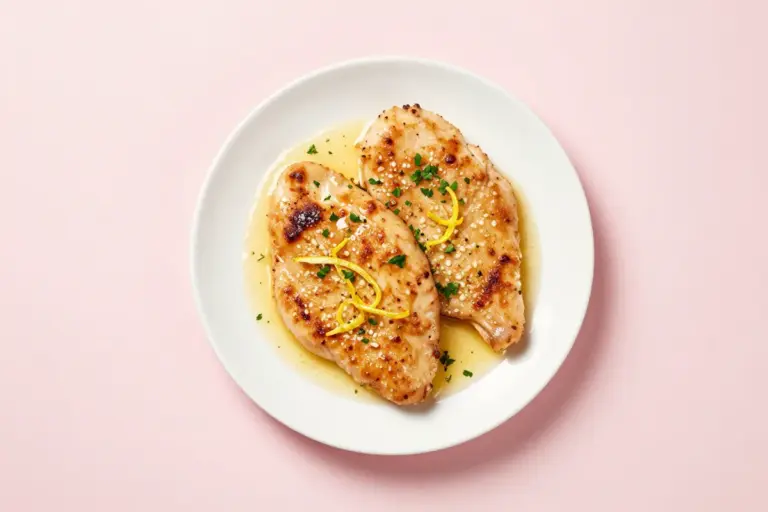
This baked chicken with vegetables recipe combines juicy boneless chicken breasts, roasted carrots, broccoli, peppers, and onions with a savory golden mayonnaise-Parmesan breadcrumb topping in one easy pan.
What to Expect from This Baked Chicken with Vegetables
This is a complete one-pan dinner built around evenly thick boneless, skinless chicken breasts. The chicken is covered with a thin mayonnaise-Parmesan mixture and breadcrumbs, while the vegetables roast in the same pan until tender and browned.
- The chicken should be juicy and sliceable, with a coating that stays attached.
- The topping should be golden and lightly crisp, not necessarily crunchy like a fried crust.
- The vegetables should have tender centers and some caramelized edges rather than a soft, watery texture.
Why the Main Ingredients Work
Boneless chicken breasts keep the dish lean and quick, but even thickness is essential because the thickest point determines when the center is safe. Mayonnaise contributes richness and helps the surface stay protected, Parmesan brings salt and savory depth, and panko adds a lighter crunch.
- Finely grated Parmesan blends smoothly into the mayonnaise and distributes its flavor evenly.
- The vegetables are cut according to cooking speed: carrots and onion begin first, while broccoli and pepper join later.
- Lemon zest brightens the topping without adding excess moisture; lemon juice is added after baking so it does not soften the crust.
- Because mayonnaise and Parmesan are both seasoned, the added salt is deliberately restrained.
Ingredients
- 4 boneless, skinless chicken breasts, 6 to 7 ounces each; pound the thickest areas to an even 3/4-inch thickness
- 2 tablespoons olive oil
- 3 carrots, peeled and cut into 1/2-inch diagonal pieces
- 4 cups broccoli florets, cut into bite-size pieces
- 1 small red onion, cut into 1-inch wedges
- 1 red bell pepper, seeded and cut into 1-inch squares
- 3/4 teaspoon kosher salt, divided
- 1/2 teaspoon black pepper, divided
- 1/2 teaspoon garlic powder, divided
- 1/2 teaspoon Italian seasoning, divided
- 1/3 cup mayonnaise, preferably full-fat commercial mayonnaise
- 1/2 cup finely grated Parmesan cheese
- 1/3 cup panko breadcrumbs
- 1 teaspoon finely grated lemon zest
- 1 tablespoon fresh lemon juice
- 2 tablespoons chopped fresh parsley
How to Make the Chicken and Vegetables Roast Evenly
The most important preparation step is controlling moisture and size. Dry the ingredients, make the chicken a consistent thickness, and cut the vegetables into pieces that match their density. Starting the carrots and onion before adding the quicker vegetables keeps the entire pan on a manageable schedule.
- Pat the chicken and vegetables dry before seasoning.
- Spread the vegetables in one layer with exposed pan surface around them.
- Apply the mayonnaise mixture thinly and only to the upper surface of the chicken.
- Do not move or flip the chicken after it is coated; turn only the vegetables if they need more even browning.
- If the pan looks crowded before baking, divide the vegetables between two pans rather than accepting steamed results.
Instructions
- Heat the oven and prepare the pan: Heat the oven to 425°F (220°C). Line a large, rimmed half-sheet pan with parchment if desired. Pat the chicken and vegetables dry; moisture on their surfaces will slow browning.
- Start the dense vegetables: Place the carrots and onion on the pan.
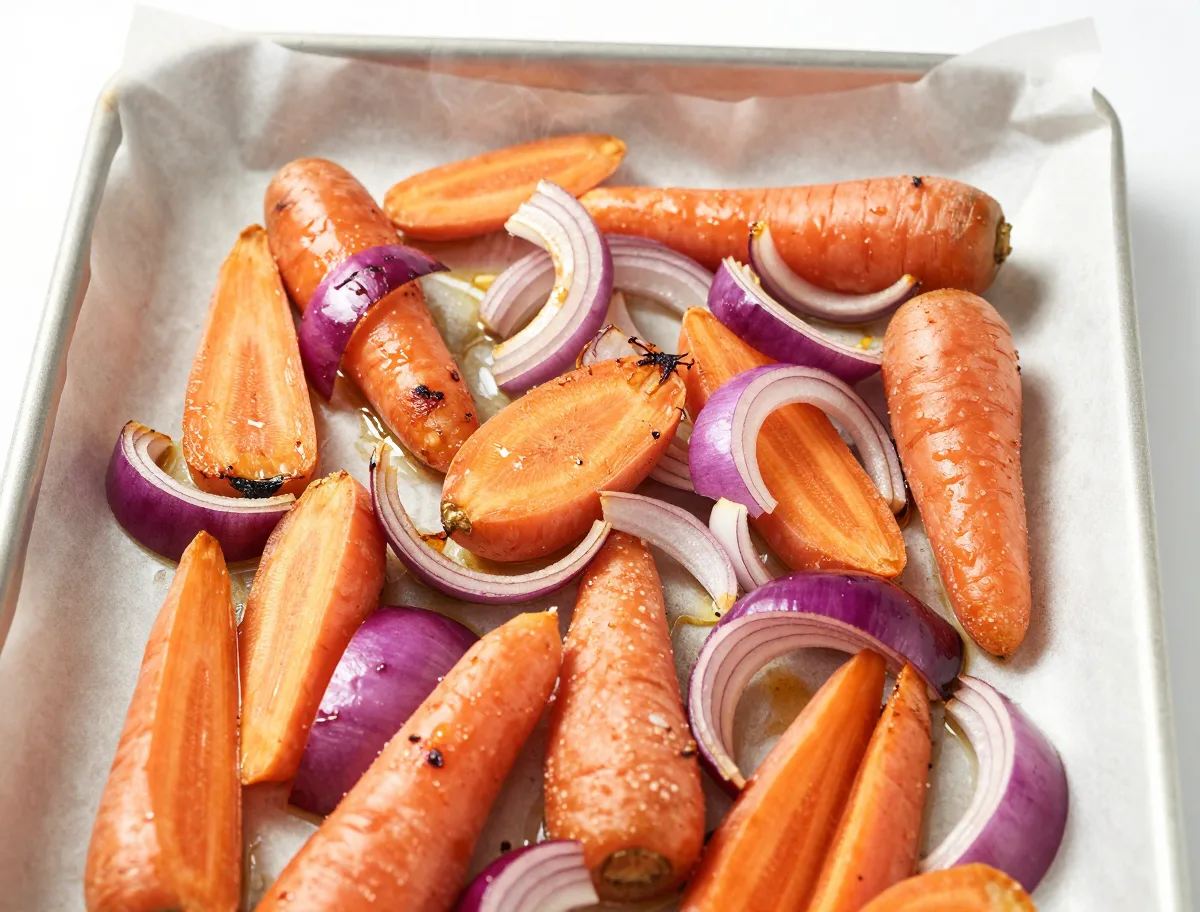
Toss with 1 tablespoon of the olive oil, 1/2 teaspoon of the salt, 1/4 teaspoon of the pepper, 1/4 teaspoon of the garlic powder, and 1/4 teaspoon of the Italian seasoning. Spread them in a single layer and roast for 10 minutes.
- Season the remaining vegetables and chicken: Meanwhile, toss the broccoli and bell pepper with the remaining 1 tablespoon olive oil, 1/4 teaspoon salt, 1/8 teaspoon pepper, 1/4 teaspoon garlic powder, and 1/4 teaspoon Italian seasoning. Season the chicken with the remaining 1/4 teaspoon salt and 1/8 teaspoon pepper.
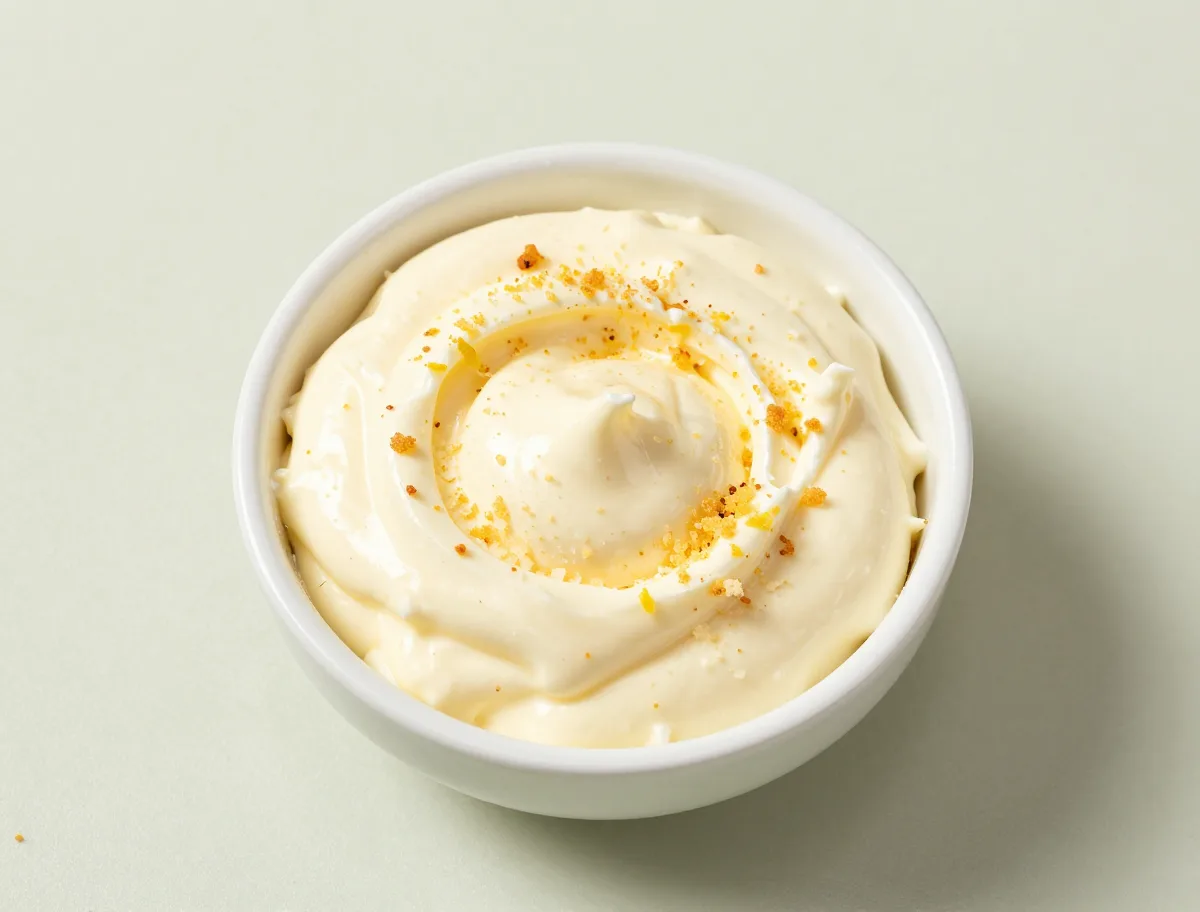
- Make the mayo-Parmesan topping: In a small bowl, stir together the mayonnaise, Parmesan, panko, lemon zest, and the remaining 1/4 teaspoon Italian seasoning. Spread the mixture in a thin, even layer over the top of each chicken breast; do not mound it at the edges.
- Arrange and bake: Remove the pan from the oven and add the broccoli and bell pepper around the partly roasted carrots and onion. Leave visible space between the vegetables. Set the coated chicken breasts on the pan, topping-side up, without covering the vegetables. Bake for 16 to 20 minutes, turning the vegetables once halfway through if needed, until the topping is set and lightly golden.
- Check temperature and finish: Insert an instant-read thermometer into the thickest part of each breast, avoiding the pan. Remove the chicken only when every piece reaches at least 165°F (74°C). If the chicken is cooked but the topping needs more color, broil for 30 to 60 seconds while watching continuously. If the vegetables are still firm, transfer the chicken to a plate to rest and continue roasting the vegetables.
- Rest and serve: Rest the chicken for 5 minutes.
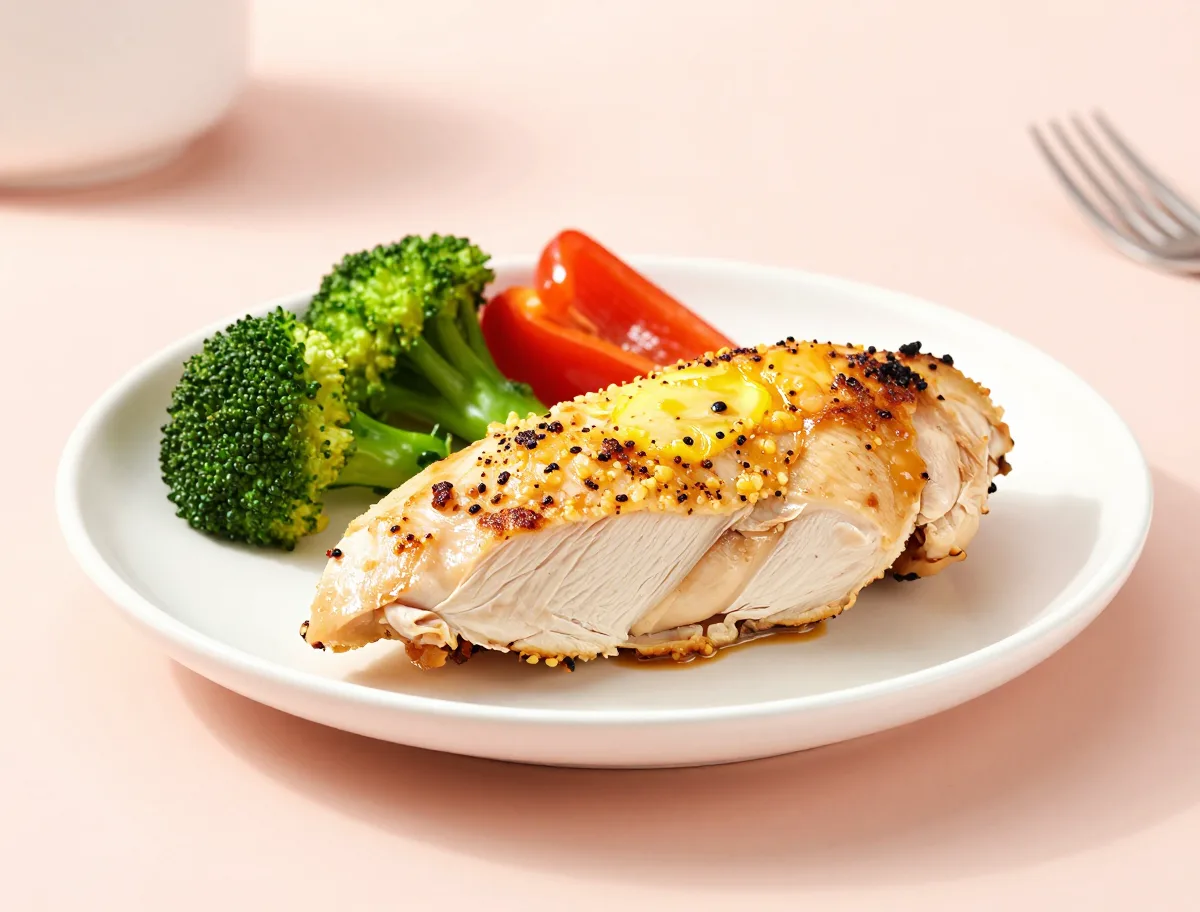
Drizzle the vegetables and chicken with the lemon juice and scatter the parsley over the pan before serving.
How to Tell When the Chicken and Vegetables Are Done
Color helps you judge roasting quality, but temperature determines chicken safety. Probe the geometric thickest part of every breast with an instant-read thermometer, keeping the tip away from the pan. The finished vegetables should be easy to pierce and visibly browned at their exposed edges.
- Chicken is ready at a minimum internal temperature of 165°F (74°C).
- A set, lightly browned topping is a useful quality cue but is not proof that the chicken is cooked through.
- Carrots should yield easily to a fork, and broccoli should be tender without collapsing.
- If the chicken reaches temperature first, remove it to rest and continue the vegetables.
- If the chicken is safe but the topping is pale, use a very brief broil instead of prolonging the bake.
Doneness Cues
- The chicken topping should be set, lightly golden, and no longer wet or sliding.
- The thickest part of every chicken breast must register at least 165°F (74°C).
- Carrots, broccoli, peppers, and onion should be fork-tender with browned edges rather than pale and watery.
- The chicken should rest briefly before slicing so its juices settle.
The Variables That Control Browning and Juiciness
This meal succeeds when the oven can evaporate moisture from the vegetables while the chicken cooks through. A spacious pan, dry surfaces, and a hot oven encourage browning; crowding, wet produce, and a deep baking dish trap steam and keep the vegetables pale.
- Chicken thickness affects cooking time more than total weight, which is why pounding uneven breasts matters.
- Carrots need a head start because their dense centers take longer to soften than broccoli or peppers.
- Mayonnaise supplies fat and moisture management, but it cannot compensate for an overly thick breast or excessive baking.
- Parmesan and breadcrumbs brown as their surface dries, so a thick coating or crowded pan can leave them soft.
- If the topping darkens before the chicken reaches 165°F, shield it loosely with foil and continue baking.
For additional guidance on even cutting, oiling, spacing, turning, and judging roasted vegetables, see the University of Tennessee Extension guidance for roasted vegetables.
Common Mayo-Parmesan Chicken Mistakes and Fixes
Most problems come from either too much moisture or waiting for appearance to determine doneness. Correct the pan setup and timing rather than simply extending the bake, since extra oven time can dry the chicken without improving crowded vegetables.
- Watery vegetables: The pan is probably crowded or the produce was wet. Move the vegetables to a larger or second pan and roast uncovered until their edges brown.
- Dry chicken: The breasts may have been thin or baked past 165°F. Check early and remove safely cooked chicken before waiting for a darker crust.
- Pale topping: Use a thinner coating, confirm that the oven is fully heated, and finish with a short broil only after checking the chicken temperature.
- Sliding topping: Pat the chicken dry, avoid an overly thick layer, and do not disturb the breasts while the coating sets.
- Firm carrots: Continue roasting them after removing the chicken, or cut them into smaller pieces next time.
- Burning crust with undercooked chicken: Lower the pan position or cover the chicken loosely with foil while the center finishes.
Useful Chicken, Vegetable, and Topping Substitutions
Substitutions work best when the replacement has a similar moisture level and cooking speed. Any change in chicken cut or vegetable density should be paired with an earlier temperature check or a different roasting schedule.
- Boneless, skinless chicken thighs may replace breasts; expect a longer bake and check each piece with a thermometer.
- Chicken cutlets or tenders cook faster, so begin checking them well before the stated time.
- Cauliflower, Brussels sprouts, green beans, zucchini, or small potato pieces can replace some vegetables. Start potatoes or larger carrots earlier, and add zucchini or green beans with the broccoli.
- Use gluten-free panko or gluten-free breadcrumbs for a gluten-free crust.
- For a lower-carbohydrate version, omit the panko; the Parmesan layer will be less crunchy and may brown more quickly.
- Dairy-free Parmesan-style products can replace Parmesan, though the topping will have a different saltiness, flavor, and browning pattern.
- Reduced-fat or plant-based mayonnaise can be used, but the coating may be thinner, softer, or less deeply browned.
How to Store, Make Ahead, Freeze, and Reheat This Dinner
For the best texture, prep the vegetables and topping separately and assemble shortly before baking. Fully baked leftovers are convenient for meal prep, although the breadcrumb topping and roasted vegetables will soften after refrigeration or freezing.
- Refrigerate cooked chicken and vegetables in shallow, sealed containers within 2 hours; use within 3 to 4 days.
- Reheat portions covered in a moderate oven or microwave until the center reaches 165°F (74°C). Uncover briefly in the oven if the chicken remains moist and you want to refresh the surface.
- Freeze cooled leftovers in airtight portions within the recommended refrigerator window. They remain safe while continuously frozen, but quality is best within about 2 to 6 months.
- Thaw frozen portions in the refrigerator when possible and expect softer vegetables and a less crisp topping.
- Do not freeze the fully assembled uncooked pan if you can avoid it; the vegetables may lose texture and the coating may adhere poorly.
Food-Safety Essentials for Oven-Baked Chicken
Use an instant-read thermometer rather than relying on color, clear juices, or a browned topping. All chicken pieces and reheated leftovers should reach 165°F (74°C), measured in the thickest part or center of the food.
- Keep raw chicken, its packaging, juices, cutting board, and utensils away from ready-to-eat foods.
- Wash hands and clean food-contact surfaces after handling raw poultry, and do not rinse the chicken.
- Commercial mayonnaise is suitable for this recipe; follow the storage directions on the product label.
- Refrigerate leftovers within 2 hours, or within 1 hour if the ambient temperature is above 90°F (32°C).
- Use shallow containers so the food cools promptly, and keep the refrigerator at 40°F (4°C) or below.
For authoritative poultry and leftover-reheating temperatures, consult the USDA safe cooking temperature guidance.