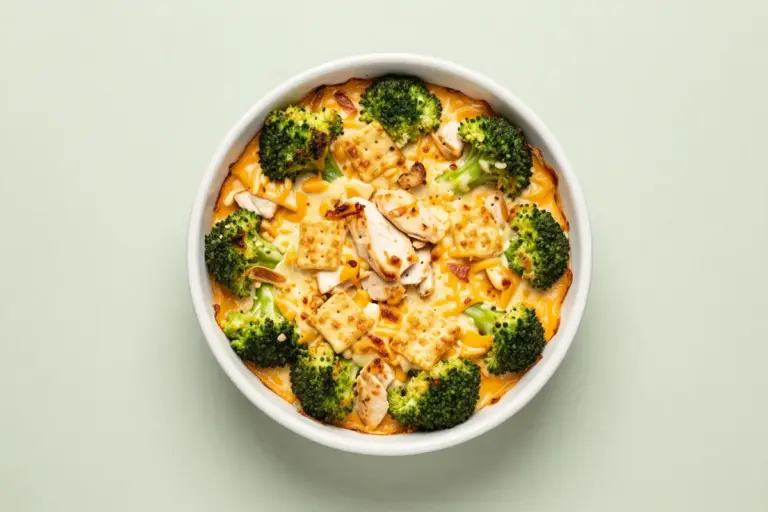
Best Chicken Ziti Broccoli Recipe, Creamy and Easy
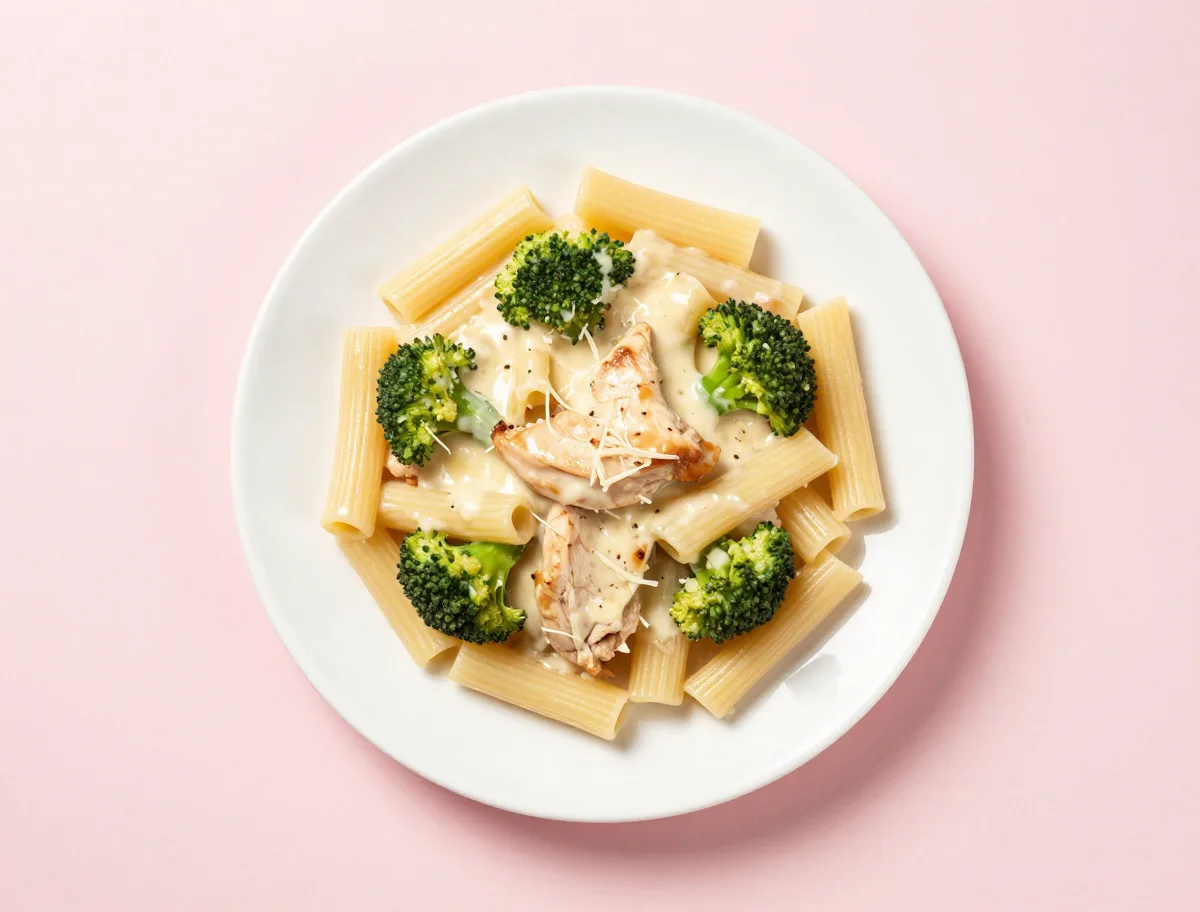
This creamy chicken broccoli ziti combines browned bite-size chicken, tender-crisp broccoli, and al dente pasta in a glossy Parmesan sauce brightened with garlic, white wine, and lemon.
What Makes This Chicken Broccoli Ziti Work
This is a creamy skillet-style chicken broccoli ziti, not a baked casserole. The separate pasta pot gives you control over doneness, while the wide skillet concentrates the chicken drippings and produces a sauce that clings to the ziti rather than collecting underneath it.
- The chicken is browned first and removed so it stays moist.
- Broccoli enters the pasta water near the end, preserving its color and bite.
- Parmesan and starchy pasta water create a smooth, glossy finish.
- Serve promptly because the sauce thickens as the pasta absorbs liquid.
The Ingredients Behind the Creamy Parmesan Sauce
Ziti provides tubular surfaces for the sauce, while chicken adds savory browned flavor and substance. Broccoli brings freshness and a slight bitterness that keeps the rich sauce from tasting flat. Shallot and garlic form the aromatic base; broth supplies savory depth, wine adds acidity when used, and cream provides body.
- Freshly grated Parmesan contributes salt, umami, and solids that help thicken the sauce.
- Olive oil is best for browning; butter carries the aromatics and rounds out the sauce.
- Lemon juice and parsley are finishing ingredients that sharpen and refresh the creamy dish.
- Reserve pasta water because its starch helps the sauce hold together and remain fluid.
Ingredients
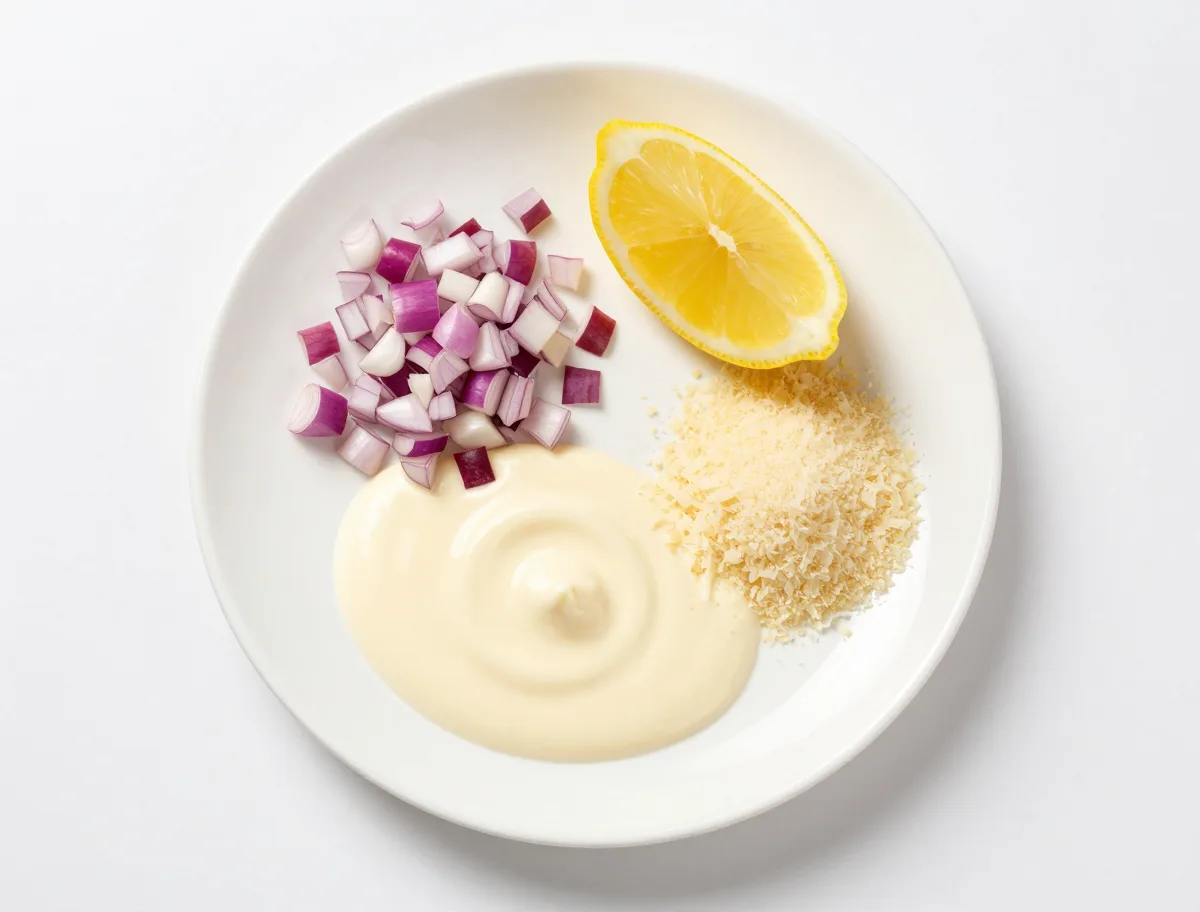
- 1 1/4 lb boneless, skinless chicken breasts, cut into 1-inch pieces
- 1 1/4 tsp kosher salt, divided
- 3/4 tsp black pepper, divided
- 2 tbsp olive oil
- 12 oz ziti
- 5 cups broccoli florets, cut into even, bite-size pieces
- 2 tbsp unsalted butter
- 1 small shallot, finely chopped
- 4 cloves garlic, finely chopped
- 1/2 cup dry white wine, optional
- 1 cup low-sodium chicken broth, warmed
- 1 cup heavy cream
- 1 1/4 cups finely grated Parmesan cheese, plus more for serving
- 1 tbsp fresh lemon juice
- 1/4 cup fresh parsley, chopped
- 1/4 tsp crushed red pepper flakes, optional
How to Make Chicken Broccoli Ziti Successfully
The recipe uses separate cooking stages because each component has a different ideal doneness. Brown the chicken quickly, cook the pasta and broccoli on their own schedule, and finish everything together only after the sauce has reduced.
- Use evenly cut chicken pieces and leave space between them in the skillet; crowding causes steaming instead of browning.
- Begin the pasta before making the sauce so the reserved cooking water is ready when needed.
- Reduce wine before adding cream. Unreduced wine can make the sauce sharp and dilute.
- Add Parmesan off heat or over very low heat, then toss rather than simmering the completed pasta.
- Make the sauce slightly looser than your desired serving consistency because ziti continues absorbing liquid.
Instructions
- Season and brown the chicken: Pat the chicken dry and season with 3/4 teaspoon of the salt and 1/2 teaspoon of the black pepper. Heat the olive oil in a wide, deep 12-inch skillet over medium-high heat. Add the chicken in a single layer and cook for 4 to 6 minutes, turning once, until browned and the thickest piece reaches 165°F. Transfer the chicken to a plate; it will return to the sauce later.
- Cook the ziti and broccoli: Meanwhile, bring a large pot of well-salted water to a boil. Cook the ziti according to the package directions, tasting it 2 minutes before the suggested endpoint. Add the broccoli during the final 4 minutes of cooking. The pasta should still have a firm center and the broccoli should be vivid green with slight resistance at the stems. Reserve 1 1/2 cups of the cooking water, then drain the pasta and broccoli together.
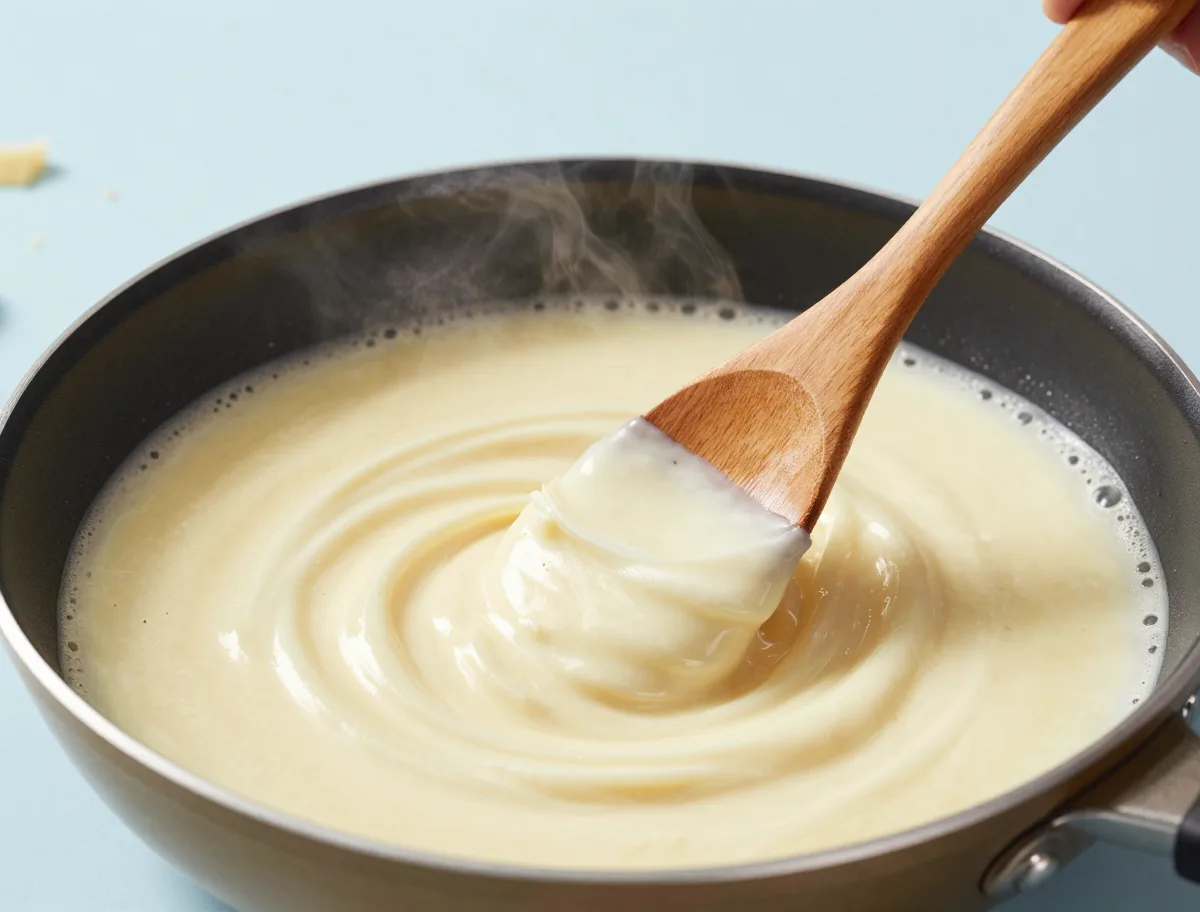
- Build the skillet sauce: Reduce the skillet heat to medium. Add the butter and shallot and cook for 2 minutes, scraping up the browned bits. Stir in the garlic and red pepper flakes, if using, and cook for 30 seconds. Pour in the wine, if using, and simmer until reduced by about half, 2 to 3 minutes. Add the warmed chicken broth and cream and simmer gently for 3 to 4 minutes, until the liquid lightly coats a spoon. Do not let it boil vigorously.
- Emulsify and combine: Remove the skillet from the heat. Add the Parmesan a small handful at a time, stirring until smooth between additions. Add the drained ziti, broccoli, and chicken, then toss thoroughly. If the sauce is tight, add reserved pasta water 2 tablespoons at a time until it looks glossy and clings to the pasta without pooling. Stir in the lemon juice and parsley. Taste and adjust with the remaining salt and black pepper.
- Serve immediately: Spoon the chicken broccoli ziti into warmed bowls and finish with additional Parmesan, if desired. Serve while the sauce is fluid; it thickens as it stands.
How to Tell When the Chicken, Broccoli and Ziti Are Done
Timing varies with pasta brand, chicken-piece size, and burner strength, so visual and tactile checks are more dependable than the clock alone. The finished dish should have contrast: moist chicken, firm pasta, and broccoli that yields without collapsing.
- Check chicken with a thermometer in the largest piece; it must reach 165°F.
- Taste the ziti before draining. It should be firm but not chalky or hard in the center.
- Test a broccoli stem with a fork. It should offer slight resistance while the florets remain intact and green.
- The finished sauce should leave a continuous coating on the pasta and remain fluid enough to move when the skillet is tilted.
Doneness Cues
- Chicken is opaque, springy, and reaches 165°F in the thickest piece.
- Ziti has firm, cohesive walls and no raw floury center.
- Broccoli is bright green and fork-tender but not soft or waterlogged.
- The sauce is glossy and coats the pasta continuously without a watery layer or oily puddles.
Why Low Heat and Pasta Water Matter
Creamy pasta sauces are easiest to stabilize when reduction happens before the cheese is added. The pasta water then supplies starch and moisture for final adjustment. High heat after Parmesan goes in can make the cheese proteins tighten, producing a grainy sauce or a separate oily layer.
- Reduce the broth, wine, and cream gently before adding Parmesan so the sauce has enough concentration to coat the pasta.
- Use warm pasta water in small additions rather than flooding the skillet with liquid.
- Do not boil the sauce after adding cheese; residual heat is sufficient for melting.
- Finish tossing off heat because pasta starch, cheese, and fat continue to bind during mixing.
Common Chicken Broccoli Ziti Mistakes and Fixes
Most problems come from leaving one component on the heat too long or adding cheese at the wrong temperature. Some consistency issues are recoverable, but overcooked pasta and mushy broccoli cannot be returned to their original texture.
- Dry chicken: Cut pieces no smaller than 1 inch, avoid crowding, and remove them as soon as they reach 165°F.
- Mushy broccoli: Use evenly sized florets and add them only during the last few minutes of pasta cooking.
- Thin sauce: Simmer the cream mixture a little longer before adding cheese, and drain broccoli thoroughly. Do not add raw flour at the end.
- Too-thick sauce: Toss in warm reserved pasta water a tablespoon or two at a time.
- Grainy or oily sauce: Take the skillet off the heat, add finely grated Parmesan gradually, and never try to repair it by boiling harder.
- Overcooked ziti: It cannot be fully repaired; next time drain it earlier because it softens during the final toss and while standing.
Easy Substitutions for Chicken Broccoli Pasta
The core method is adaptable, but substitutions change cooking time, moisture, or sauce stability. Make the adjustment at the point where that ingredient affects the dish rather than treating every swap as a one-for-one replacement.
- Boneless chicken thighs can replace breasts; they are more forgiving and may need a few extra minutes to cook.
- For rotisserie or other cooked chicken, skip the browning step and fold about 3 cups shredded or chopped chicken into the finished sauce just long enough to heat it to 165°F.
- Frozen broccoli can replace fresh. Thaw and drain it well, then add it to the drained pasta during the final sauce toss rather than boiling it for four minutes.
- Penne is the closest substitute for ziti. Rigatoni, cavatappi, or shells also work when cooked according to their own package directions.
- Asiago or fontina can supplement Parmesan. Pecorino Romano is saltier, while mozzarella makes the sauce stretchier and less savory.
- Gluten-free pasta works, but it may soften faster and release a different amount of starch; follow the package timing closely.
- For dairy-free cooking, use a heat-stable plant-based cream and Parmesan-style product, understanding that the sauce may be sweeter, thinner, or less cohesive.
Skillet, Baked and Lighter Variations
The skillet recipe is the fastest version and preserves the firmest pasta and brightest broccoli. A baked variation is better when you want a bubbling, browned top, but it needs slightly undercooked pasta and extra sauce to withstand oven evaporation.
- For baked chicken broccoli ziti, transfer the assembled mixture to a 9-by-13-inch baking dish, cover the surface with mozzarella, and bake at 375°F until bubbling.
- Expect baked ziti to be softer and more casserole-like than the stovetop version.
- A garlic-and-oil variation can replace the cream sauce with olive oil, garlic, red pepper flakes, Parmesan, and pasta water; it is lighter but is not creamy.
- Half-and-half creates a lighter skillet sauce, though it requires more careful heat control than heavy cream.
What to Serve with Chicken Broccoli Ziti
Serve the pasta immediately in warmed bowls, with extra Parmesan and black pepper if desired. A little lemon or chopped parsley at the table helps balance the richness without changing the character of the dish.
- Pair with a crisp green salad dressed with a sharp vinaigrette.
- Lightly dressed arugula or steamed green beans provide useful contrast.
- Crusty bread is a good optional accompaniment for the remaining sauce; heavily buttered garlic bread may make the meal feel overly rich.
- A dry, crisp white wine complements the cream, garlic, and lemon better than a sweet or heavily oaked wine.
How to Store, Freeze and Reheat Chicken Broccoli Ziti
This creamy chicken broccoli ziti has its best texture straight from the skillet. For advance preparation, cook the chicken and sauce separately and keep the pasta slightly underdone, then combine them shortly before serving.
- Refrigerate leftovers within 2 hours, or within 1 hour when the room temperature is above 90°F. Use shallow, airtight containers.
- Keep refrigerated leftovers for 3 to 4 days at 40°F or below.
- Reheat covered on the stovetop or in the microwave with a splash of broth, milk, or water. Stir periodically and heat the center to 165°F.
- Freezing is safe when the dish is cooled and frozen promptly, but cream sauce may separate and the pasta and broccoli will soften. Freeze only when convenience matters more than peak texture.
- For the best make-ahead result, refrigerate the cooked components separately and assemble within 1 day.
Chicken Broccoli Ziti Questions, Answered
These practical answers clarify the format, timing, equipment, and substitutions most likely to affect the finished dish.
Is this a skillet meal or baked ziti?
The primary recipe is a creamy skillet meal made without an oven. Use the labeled baked variation when you want a thicker casserole with a browned, bubbling cheese topping.
How long does chicken broccoli ziti take, and how many servings does it make?
Plan on about 35 minutes from start to finish, including chopping and boiling the pasta. The recipe makes approximately 5 generous main-course servings.
Should the chicken be cut into bite-size pieces?
Yes. One-inch pieces cook quickly and evenly. Pat them dry, brown them without crowding the skillet, and remove them as soon as the thickest piece reaches 165°F so they do not simmer through the entire sauce-making process.
When should broccoli be added?
Add fresh florets during the final 4 minutes of pasta cooking. They should be bright green and tender-crisp. Add drained frozen broccoli during the final sauce toss because it is already blanched and softens quickly.
Can I make this as a one-pot chicken broccoli ziti?
Yes, but the separate-pot method is more dependable for pasta texture. A one-pot version requires enough broth, frequent stirring, and close attention because the liquid can reduce or scorch before the pasta is tender.
What keeps the Parmesan sauce smooth?
Reduce the liquid before adding cheese, use finely grated Parmesan, remove the skillet from high heat, and incorporate the cheese gradually. Reserved pasta water helps keep the sauce mobile and emulsified.
Can I use leftover or rotisserie chicken?
Yes. Skip the raw-chicken browning step and fold cooked chicken into the finished sauce near the end. Heat it thoroughly to 165°F without simmering it for a long time.
Can ziti be replaced with penne?
Yes. Penne is the closest substitute. Use the package directions for the replacement shape and taste it before draining, since wall thickness and cooking times vary.
Can the recipe be made lighter?
Use half-and-half instead of heavy cream and reduce the finishing Parmesan modestly. The sauce will be less rich and may be thinner, so keep the heat gentle and use pasta water carefully.
Can I freeze the finished pasta?
You can freeze it safely if it is cooled and stored promptly, but freezing usually softens the ziti and broccoli and can separate the cream sauce. Refrigerated leftovers provide better quality.
Chicken and Leftover Food Safety
Keep raw chicken separate from cooked pasta, broccoli, utensils, and serving dishes until cooking is complete. A thermometer is the most reliable way to verify poultry and reheated leftovers, especially in a thick, creamy pasta dish.
- Cook the thickest chicken piece to 165°F (74°C), measured away from the skillet surface.
- Refrigerate the finished dish within 2 hours, or within 1 hour in temperatures above 90°F.
- Store leftovers at 40°F or below and use them within 3 to 4 days.
- Reheat each portion to 165°F throughout, stirring or rotating during microwave heating to eliminate cold spots.
- Do not use smell, bubbling, or appearance as substitutes for temperature and time controls.
For additional poultry and leftover-reheating guidance, consult the USDA safe cooking temperature guidance.
Recipe Notes
- Freshly grated Parmesan melts more smoothly than pre-shredded cheese. Add it away from high heat to reduce the risk of clumping.
- If omitting the wine, use an additional 1/2 cup chicken broth and add 1 teaspoon extra lemon juice at the end.
- For a baked finish, cook the ziti 3 minutes short of al dente, make the sauce with an additional 1/2 cup broth, transfer everything to a greased 9-by-13-inch baking dish, top with 1 cup shredded mozzarella, and bake at 375°F for 15 to 20 minutes until bubbling. Broil briefly for browning.
- For a lighter sauce, replace the heavy cream with half-and-half. Keep the heat gentle and expect a thinner, less stable sauce.
- Serve with a crisp green salad or lightly dressed greens.