Broccoli Cheese Chicken Casserole Recipe
This broccoli cheese chicken casserole recipe combines tender cooked chicken and crisp-tender broccoli with a homemade cheddar cream sauce and a buttery golden cracker topping for an easy family dinner.
What to Expect From This Broccoli Cheese Chicken Casserole
This is a creamy, oven-baked chicken and broccoli casserole with a cohesive sauce, tender vegetables, plenty of cheddar flavor, and a crisp buttery top. It is intentionally made without starch so the chicken and broccoli remain the focus.
- The filling should be spoonable and moist, never thin or soupy.
- Chicken should be bite-size and tender, while the broccoli should retain some structure.
- The cracker crust adds contrast to the soft, cheesy center.
Why the Main Ingredients Work
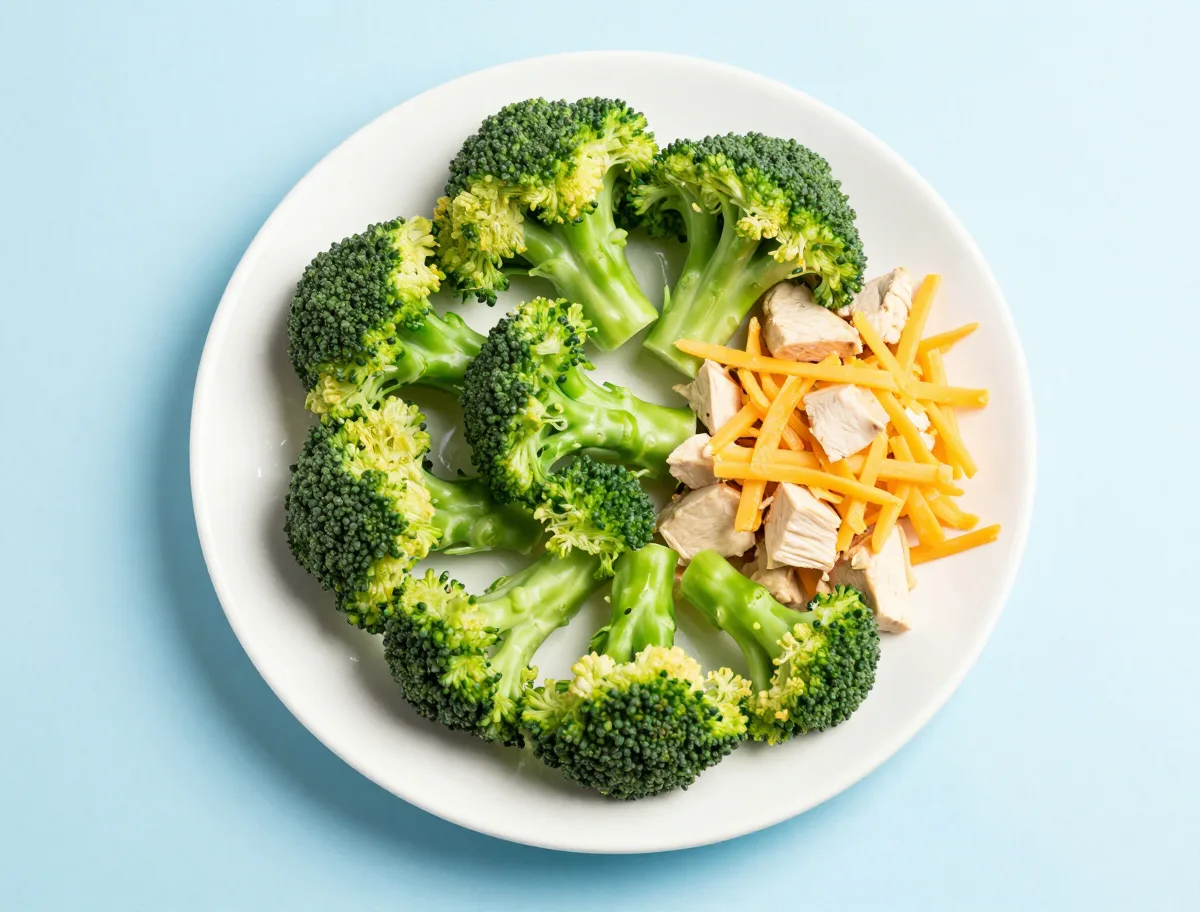
The homemade roux gives the sauce enough body to hold the filling together, while milk and broth keep it creamy without making it overly heavy. Sharp cheddar supplies a pronounced cheese flavor, and Dijon mustard quietly strengthens that flavor without making the casserole taste mustardy.
- Briefly blanched broccoli cooks evenly during the bake and contributes less excess water than raw or wet florets.
- Cooked chicken makes the casserole quick to assemble and prevents a long oven time from drying the meat.
- Freshly shredded cheddar generally melts more evenly than heavily coated packaged shreds.
- Buttered crackers brown more deeply and provide a richer crunch than dry crumbs alone.
- 3 cups cooked chicken, shredded or cut into bite-size pieces
- 1 1/2 pounds broccoli florets, cut into small, even pieces
- 4 tablespoons unsalted butter, divided
- 1/2 cup yellow onion, finely diced
- 2 cloves garlic, minced
- 1/4 cup all-purpose flour
- 2 cups whole milk, slightly warmed
- 1 cup low-sodium chicken broth, slightly warmed
- 1 teaspoon Dijon mustard
- 3/4 teaspoon kosher salt, plus more for the broccoli water
- 1/2 teaspoon black pepper, freshly ground
- 2 cups sharp cheddar cheese, freshly shredded and divided
- 1 cup buttery round crackers, finely crushed
How to Make Chicken Broccoli Cheese Casserole
The most important preparation step is removing water from the broccoli before it meets the sauce. Build and thicken the sauce separately, then add the cheese off the heat; this produces a smoother mixture and keeps the casserole bake focused on heating and browning rather than cooking raw ingredients.
- Cut the broccoli into evenly sized florets so smaller pieces do not turn mushy while larger ones remain firm.
- Warm milk and broth before whisking them into the roux to help the sauce thicken quickly and evenly.
- Use a shallow, evenly filled dish when possible so the center heats at the same pace as the edges.
- If assembling from refrigerated ingredients, cover the dish for most of the bake and uncover it only long enough to brown the topping.
- Heat the oven and prepare the dish: Heat the oven to 375°F (190°C). Lightly grease a 9-by-13-inch baking dish.
- Blanch and dry the broccoli: Bring a large pot of salted water to a boil. Add the broccoli and cook for 2 to 3 minutes, just until bright green and barely fork-tender. Drain well, then spread the florets on a clean towel and pat them dry. Moisture left on the broccoli can thin the sauce.
- Start the sauce: Melt 3 tablespoons of the butter in a large saucepan over medium heat. Add the onion and cook until softened, about 4 minutes. Stir in the garlic and cook for 30 seconds. Sprinkle in the flour and whisk constantly for 1 minute, until the mixture is smooth and lightly golden.
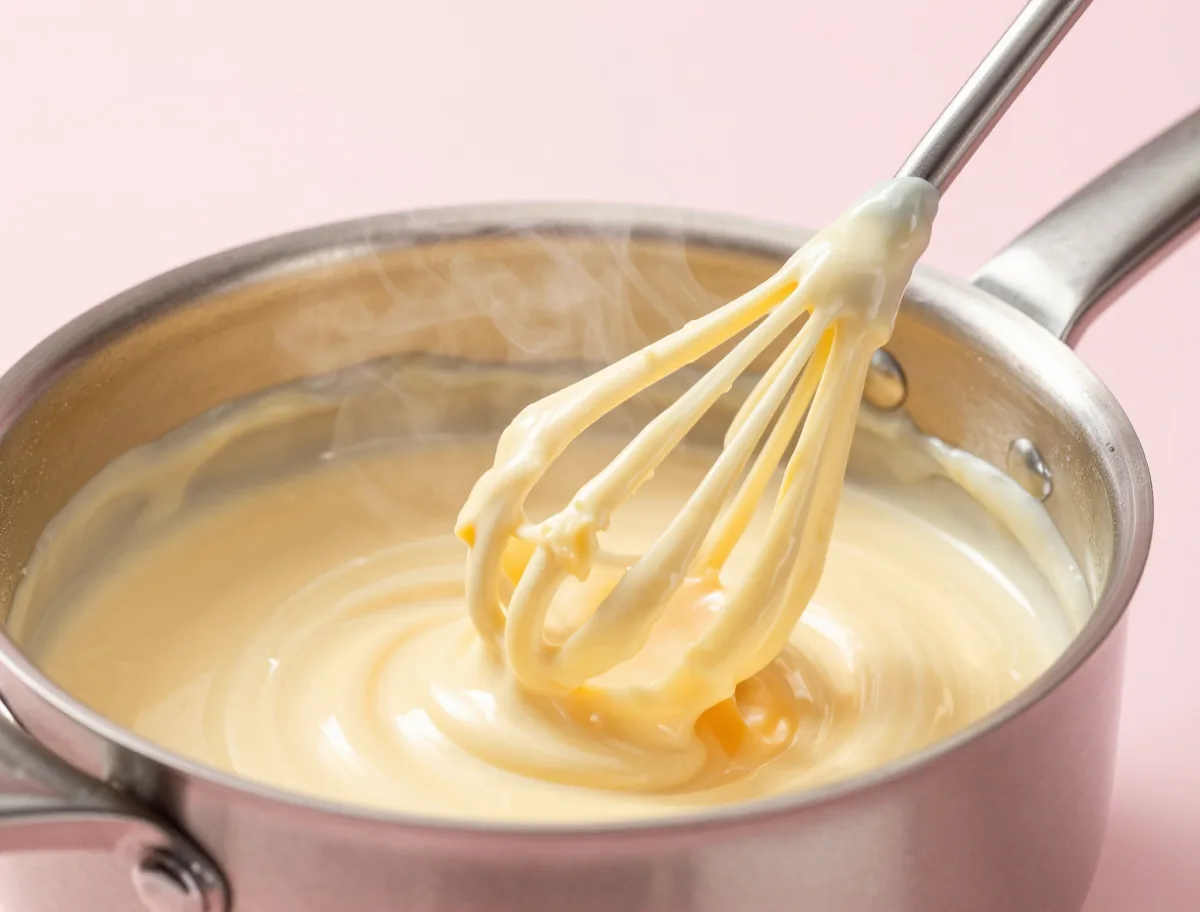
- Thicken the cheddar sauce: Gradually whisk in the warm milk and broth. Bring the sauce to a gentle simmer, whisking often, and cook for 4 to 5 minutes until it coats the back of a spoon. Remove the pan from the heat and whisk in the mustard, salt, pepper, and 1 1/2 cups of the cheddar until smooth. Do not boil the sauce after adding the cheese.
- Assemble the casserole: Fold the chicken and dried broccoli into the sauce. Transfer the mixture to the prepared baking dish and spread it into an even layer. Sprinkle the remaining 1/2 cup cheddar over the top.
- Add the crisp topping: Melt the remaining 1 tablespoon butter and toss it with the crushed crackers. Scatter the buttered crumbs evenly over the casserole.
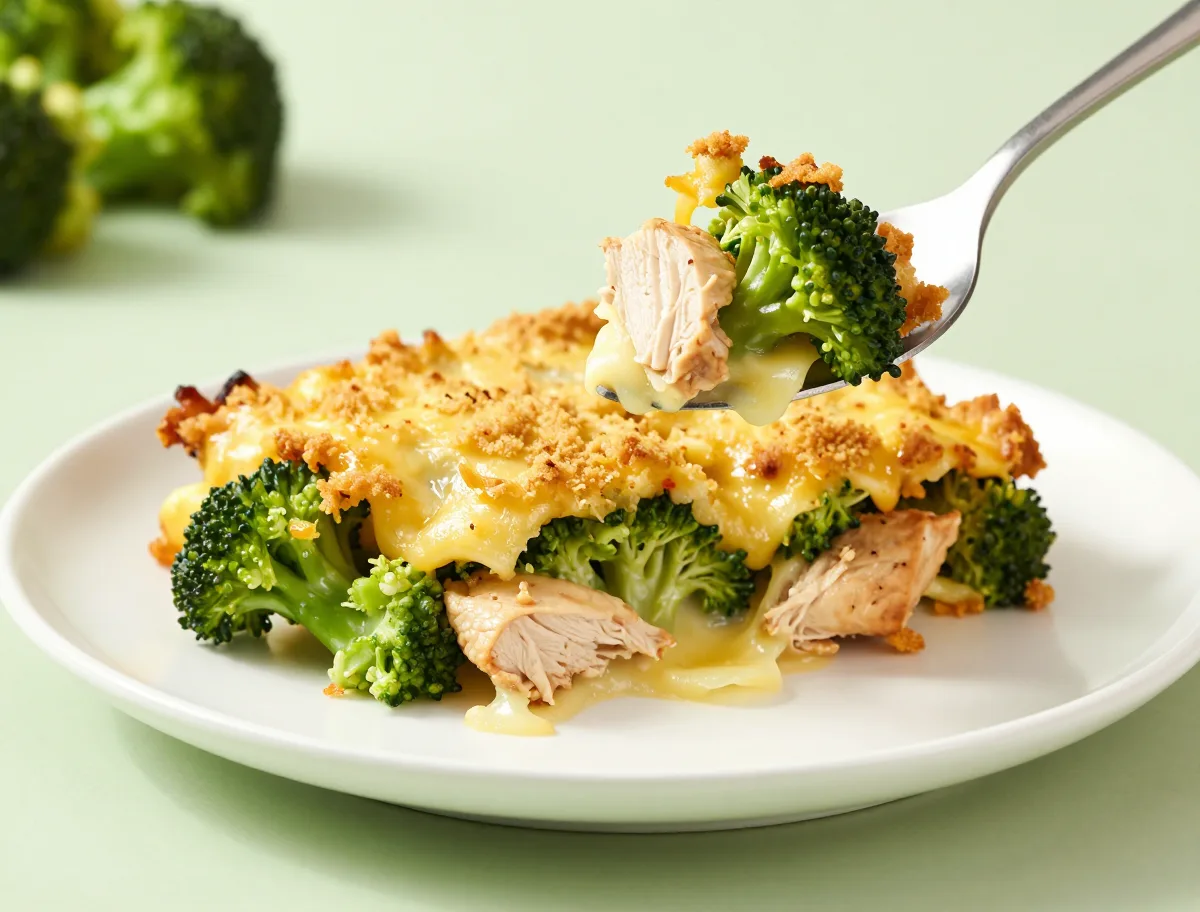
- Bake until bubbling: Bake uncovered for 20 to 25 minutes, until the sauce bubbles around the edges, the cheese is melted, and the cracker topping is golden. If the topping browns before the center is hot, loosely cover the dish with foil.
- Rest and serve: Let the casserole rest for 5 minutes before serving. If using chicken that was not previously fully cooked, verify that the center reaches 165°F (74°C) with an instant-read thermometer before serving.
How to Tell When the Casserole Is Done
A golden surface alone does not prove that the center is hot. Look for bubbling sauce between the ingredients, a melted cheese layer, and broccoli that yields easily to a fork while retaining its shape. Letting the dish stand briefly allows the sauce to settle so portions hold together.
- The sauce should cling to the chicken and broccoli rather than pool at the edges.
- The topping should be crisp and golden, not burned or oily.
- For a casserole containing poultry, use 165°F (74°C) in the center as the safety standard.
- A five-minute rest improves serving texture without cooling the dish.
- The broccoli is bright green and tender but still holds its shape.
- The sauce is thick enough to cling to the chicken and broccoli before baking.
- The casserole bubbles at the edges and the cheddar is fully melted.
- The cracker topping is golden and crisp, not dark brown.
- The center reaches 165°F (74°C) when poultry safety needs to be verified.
The Moisture and Heat Variables That Matter
Casseroles become watery when free moisture dilutes the sauce faster than the roux can support it. Broccoli must be drained and dried, and the sauce should already be thick before assembly. Cheese is most stable when stirred into a thick base over residual heat rather than boiled.
- Frozen broccoli releases more water as it warms, so thawing and pressing it dry is essential.
- A deep or cold casserole takes longer to heat in the center; protect the topping with foil instead of raising the oven temperature.
- Rice and pasta absorb sauce as they bake and rest, so starch-based versions need a looser sauce than this no-starch formula.
- Prolonged high heat can make cheese sauces greasy or grainy.
Common Chicken Broccoli Casserole Mistakes
Most problems with this dish come from excess water, excessive baking, or an overly aggressive cheese-sauce temperature. Small adjustments before the casserole goes into the oven are more effective than trying to repair it after the chicken has dried out.
- Watery filling: Dry the broccoli thoroughly and confirm that the sauce coats a spoon before assembly. If the baked casserole is only slightly loose, rest it for several minutes before serving.
- Dry chicken: Use bite-size cooked pieces and bake only until the center is hot. Boneless thigh meat is more forgiving than lean breast meat.
- Firm broccoli: Blanch large or dense florets longer, or cut them smaller before cooking.
- Grainy or greasy sauce: Remove the sauce from strong heat before adding cheddar and avoid boiling after the cheese goes in.
- Burned topping with a cool center: Loosely cover the dish with foil and continue baking until the center is hot.
Easy Ingredient Substitutions
This casserole accommodates convenient swaps, but each one affects moisture, salt, or richness. Make substitutions with those changes in mind rather than treating every ingredient as interchangeable.
- Rotisserie chicken, leftover roasted chicken, turkey, or cooked boneless thighs can replace the chicken. Season cautiously if the meat is already salted.
- Frozen broccoli can replace fresh broccoli after thawing, draining, and patting it dry.
- Colby, Monterey Jack, or a cheddar-Jack blend can replace some or all of the sharp cheddar for a milder, softer-melting result.
- Panko or plain breadcrumbs can replace the crackers; toss them with the listed butter so they brown properly.
- A condensed cream-of-chicken soup can replace the homemade sauce for convenience, but the salt and liquid amounts will need to be adjusted rather than added in addition to this sauce.
Rice, Pasta, and Other Variations
The defining combination remains chicken, broccoli, creamy sauce, and cheese. Cooked starch can make the casserole more substantial, but it should be added deliberately because it continues to absorb sauce during baking and cooling.
- For chicken broccoli rice casserole, fold in 2 cups of cooked rice with the filling and expect a firmer result after resting.
- For a pasta version, use about 3 cups of cooked pasta that is slightly shy of al dente; do not use dry pasta without a separately tested liquid formula.
- For a lower-carbohydrate version, keep the recipe as written and serve it with a crisp green salad instead of adding rice or pasta.
- Garlic, onion, Dijon, herbs, or a small amount of Parmesan can vary the flavor while keeping the casserole recognizable.
What to Serve With Cheesy Chicken Broccoli Casserole
Serve the casserole hot after its short rest, while the topping is still crisp and the sauce is settled. Because the dish is rich and filling, one fresh or lightly dressed side is usually enough.
- A lemony green salad adds acidity and freshness.
- Lightly steamed green beans or a simple tomato salad provide color without adding another creamy element.
- Finish individual portions with black pepper, sliced scallions, or a little chopped parsley if desired.
- If serving the rice variation, keep portions modest and choose a crisp vegetable side.
How to Store, Freeze, and Reheat the Casserole
For the best texture, keep the crunchy topping separate until baking whenever possible. Quality and food safety are separate concerns: cool leftovers promptly, store them cold, and reheat the center thoroughly.
- Make ahead: Assemble the chicken, broccoli, and sauce up to 1 day ahead, cover, and refrigerate. Add the cheese and cracker topping just before baking. A chilled casserole may need an additional 10 to 15 minutes in the oven.
- Refrigeration: Transfer leftovers to shallow containers within 2 hours and use them within 3 to 4 days.
- Freezing: Cool the casserole completely, wrap it tightly, and freeze it for best quality within a few months. The sauce may separate slightly and the broccoli may soften after thawing.
- Reheating: Cover and heat at 350°F (175°C) until the center reaches 165°F (74°C), then uncover briefly to restore some surface crispness.
For additional guidance on prompt refrigeration, storage, freezing, and reheating, consult the USDA guidance on keeping leftovers safe.
Broccoli Cheese Chicken Casserole FAQ
These practical answers address the most common choices cooks face when adapting a chicken broccoli cheese casserole.
Can I use rotisserie chicken instead of cooking chicken from scratch?
Yes. Use about 3 cups of shredded or diced rotisserie chicken, removing the skin and bones as desired. Taste the sauce before adding more salt because rotisserie chicken can be well seasoned.
Should I use fresh or frozen broccoli?
Either works. Blanch fresh broccoli briefly, drain it, and pat it dry. Thaw frozen broccoli completely, drain away the thaw water, and press or pat the florets dry before assembly.
Does this casserole include rice or pasta?
The main recipe is a no-starch casserole. You can add 2 cups of cooked rice or about 3 cups of slightly undercooked pasta, but the starch will absorb more sauce and make the finished dish denser.
What cheese melts best?
Sharp cheddar gives the most familiar flavor. For an especially smooth sauce, blend it with a milder melting cheese such as Monterey Jack or Colby.
Can I use cream of chicken soup?
Yes, as an alternative convenience sauce, but use it instead of the homemade sauce rather than alongside it. Condensed soup is concentrated, so taste carefully before adding salt or extra broth.
Why did my casserole turn watery?
The most common causes are wet broccoli, thawing liquid from frozen vegetables, or a sauce that was not thick enough before assembly. Drain and dry the broccoli thoroughly and simmer the sauce until it coats a spoon.
How do I know the casserole is safe and fully heated?
The edges should bubble and the cheese should melt, but use an instant-read thermometer to check the center. It should reach 165°F (74°C) when poultry is present.
Can I assemble it ahead of time?
Yes. Cover and refrigerate the assembled filling for up to 1 day. Add the cracker topping shortly before baking and allow extra time for the chilled center to heat.
Food-Safety Notes for Chicken Casserole
Keep raw poultry separate from ready-to-eat ingredients, utensils, and surfaces. If starting with cooked chicken, the casserole still needs to be heated thoroughly because it contains poultry and dairy.
- Any raw chicken used in the dish must reach 165°F (74°C), measured in the thickest portion.
- The assembled casserole and reheated leftovers should also reach 165°F (74°C) in the center.
- Refrigerate the casserole within 2 hours, or within 1 hour if the surrounding temperature is above 90°F (32°C).
- Cool leftovers in shallow containers to speed chilling and use them within 3 to 4 days.
- When microwaving, cover the portion, rotate or stir when practical, allow it to stand briefly, and check more than one spot for 165°F (74°C).
For authoritative poultry and casserole temperature recommendations, see the USDA safe cooking temperature guidance.