Recipe for Texas Peanut Butter Sheet Cake with Warm Frosting
This recipe for Texas peanut butter sheet cake makes a thin, moist, tender cake in a rimmed pan, finished with warm peanut butter frosting that sets into a glossy, soft layer for easy sharing.
What Makes This a Texas-Style Peanut Butter Sheet Cake
This is a shallow, crowd-sized cake rather than a tall peanut butter layer cake. The batter bakes into a soft, lightly dense crumb, and the defining finish is a cooked peanut butter icing poured over the warm surface.
- Bake it in a rimmed 15-by-10-inch pan for the classic thin profile.
- Serve it directly from the pan in small squares.
- Expect a soft-set, glossy icing rather than a fluffy buttercream.
Why the Key Ingredients Work
The hot butter, water, and peanut butter mixture distributes the peanut butter evenly while adding richness and moisture. Buttermilk supplies both liquid and acidity, which works with baking soda to support a tender, well-risen crumb. Eggs provide structure, while confectioners’ sugar gives the warm icing its smooth, spreadable texture.
- Stabilized creamy peanut butter gives the most predictable result in both cake and icing.
- All-purpose flour provides enough structure for cleanly cut squares without making the cake chewy.
- Unsalted butter allows better control of seasoning, especially because peanut butter may already contain salt.
Ingredients
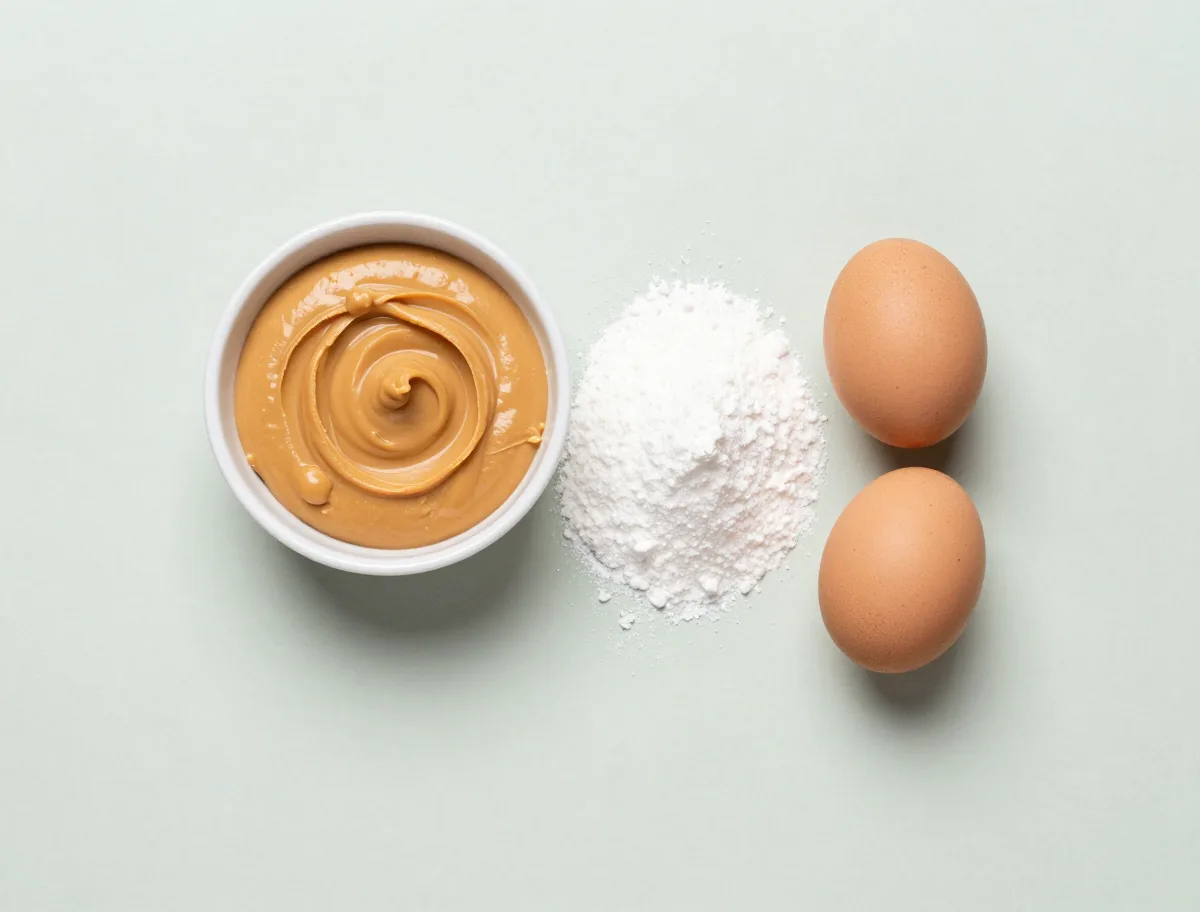
- 1 cup (226 g) unsalted butter, divided
- 1 cup (240 ml) water
- 3/4 cup (170 g) creamy conventional peanut butter, divided
- 2 1/2 cups (300 g) all-purpose flour
- 1 1/2 cups (300 g) granulated sugar
- 1/2 teaspoon (4 g) baking soda
- 1/2 teaspoon (3 g) fine salt; use 1/4 teaspoon if using salted butter
- 3 large eggs, lightly beaten
- 1 cup (240 ml) buttermilk
- 2 teaspoons (10 ml) vanilla extract, divided
- 4 cups (480 g) confectioners’ sugar, sifted
- 1/4 cup (60 ml) whole milk, plus more only if needed
- 1/4 cup (60 g) chopped roasted peanuts, optional
The Hot-Mix Method and Warm Frosting Technique
The unusual step is adding a very hot butter-and-peanut-butter mixture to the flour and sugar before the eggs and buttermilk go in. That sequence helps dissolve and disperse the fats evenly. Allow the mixture to cool briefly first; it should be hot, not so hot that it begins cooking the eggs.
- Heat the liquid only until the butter melts and the mixture is bubbling at the edges; a hard, extended boil is unnecessary.
- Spread the batter evenly so the corners and center finish at the same time.
- Prepare the icing near the end of baking and apply it while both the cake and icing are warm.
Instructions
- Prepare the pan and oven: Heat the oven to 350°F (175°C). Grease a 15-by-10-inch rimmed jelly-roll pan and dust it lightly with flour, or coat it with baking spray that contains flour.
- Make the hot peanut butter mixture: In a medium saucepan, combine 3/4 cup of the butter, the water, and 1/2 cup of the peanut butter. Heat over medium heat, stirring, until the butter and peanut butter have melted and the mixture is very hot with small bubbles at the edges. Do not reduce it with a prolonged boil. Remove from the heat and let it stand for 5 minutes.
- Combine the batter: Whisk the flour, sugar, baking soda, and salt in a large bowl. Pour in the warm peanut butter mixture and whisk just until no dry flour remains. In a separate bowl, whisk the eggs, buttermilk, and 1 teaspoon of the vanilla. Add this mixture to the batter and stir until smooth; do not overmix.
- Bake the cake: Pour the batter into the prepared pan and spread it into an even layer, especially into the corners. Bake for 17 to 21 minutes, rotating the pan once if your oven browns unevenly. The center should spring back lightly, and a toothpick inserted in the middle should come out with a few moist crumbs but no wet batter.
- Cook the frosting: Begin the frosting during the last few minutes of baking. In a clean saucepan, melt the remaining 1/4 cup butter with the remaining 1/4 cup peanut butter and the milk over low heat, stirring until smooth and hot but not boiling. Remove from the heat, whisk in the remaining 1 teaspoon vanilla, then add the sifted confectioners’ sugar in several additions. Whisk until glossy and pourable.
- Frost while warm: Let the baked cake rest in the pan for 5 minutes. The surface should still feel warm, but it should no longer be visibly steaming. Pour the warm frosting over the cake and spread it gently to the edges with an offset spatula. Sprinkle with chopped peanuts, if using, before the frosting begins to set.
- Set and serve: Cool the frosted cake in the pan for at least 30 minutes, or until the icing is set enough to cut without dragging. Cut into small squares and serve at room temperature or slightly warm.
How to Tell When the Thin Cake Is Done
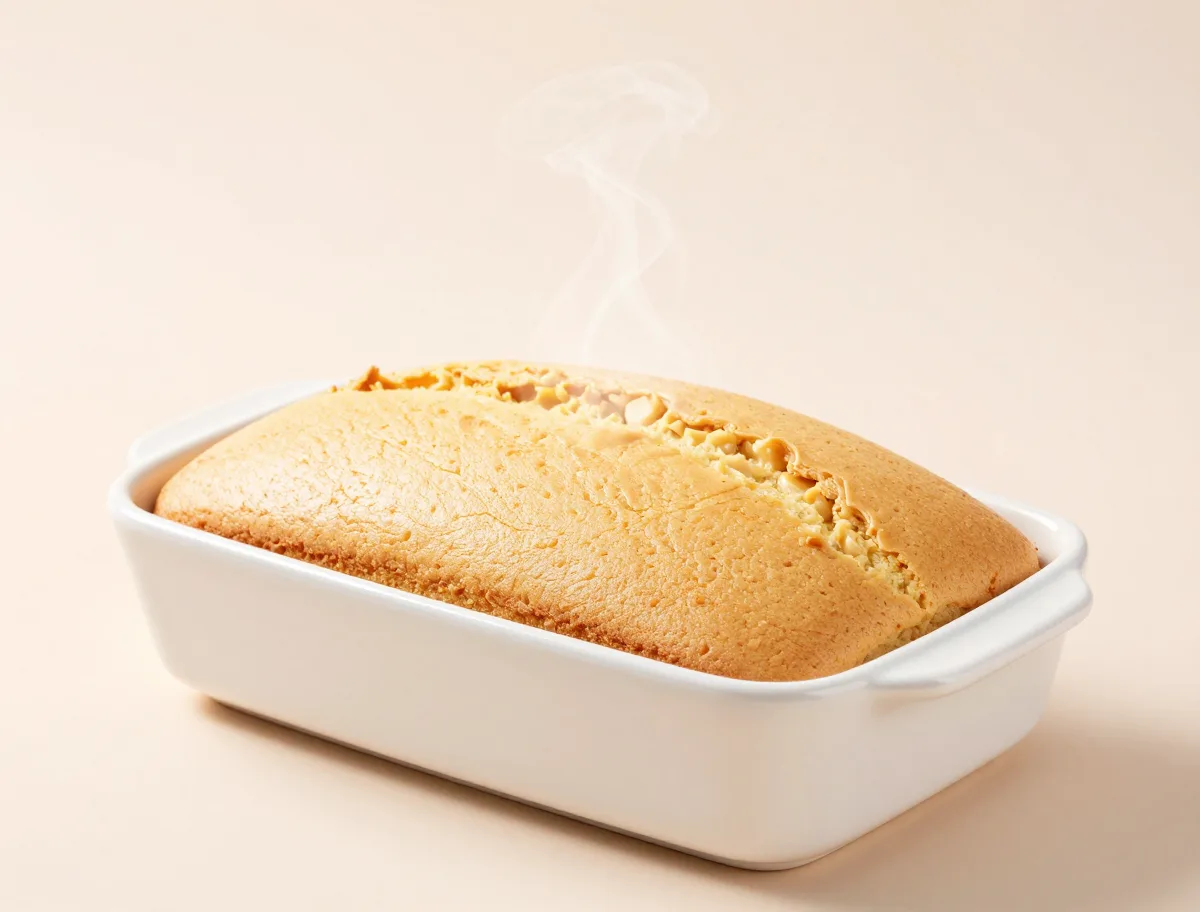
A shallow cake can go from tender to dry quickly, so use visual and tactile checks rather than relying on the clock alone. The finished center should spring back lightly, and the tester should show moist crumbs rather than either wet batter or a completely dry interior.
- Start checking at 17 minutes because pan material and oven calibration can shift the timing.
- A slight spring in the center is preferable to waiting for a firm, dry surface.
- The icing should flow easily when poured and become softly set as it cools.
Doneness Cues
- The cake edges look set and are beginning to pull slightly from the pan.
- The center springs back gently when pressed rather than retaining an indentation.
- A toothpick shows a few moist crumbs, not liquid batter.
- The frosting is glossy and fluid when applied, then softly set and sliceable after cooling.
The Variables That Control Cake Thickness and Moisture
Pan area is the most important variable in this recipe. A broad pan creates a thin layer that heats quickly, while a smaller or deeper pan holds a thicker layer that needs more time. The acidic buttermilk is also functional, not merely flavorful: it helps activate the baking soda and keeps the crumb from becoming heavy.
- Do not use the shallow-pan baking time unchanged in a 9-by-13-inch pan.
- Avoid reducing the liquid by boiling the butter mixture for too long.
- The frosting’s final texture depends on both the temperature of the liquid and the amount of confectioners’ sugar.
Common Peanut Butter Sheet Cake Problems and Fixes
Most failures come from pan depth, overbaking, unstable peanut butter, or frosting that cools before it reaches the cake. Small corrections made before the icing is applied usually restore the intended smooth, pourable texture.
- Dry cake: Remove it as soon as the center springs back and the tester shows moist crumbs; a shallow cake has little tolerance for extra baking.
- Gummy or sunken center: Bake until there is no wet batter on the tester, and avoid opening the oven during the first part of baking.
- Oily batter or icing: Use stabilized peanut butter and stir the hot mixture until fully homogeneous.
- Lumpy icing: Sift the confectioners’ sugar and whisk it in while the butter mixture is still hot.
- Icing too thick: Rewarm gently and add milk a teaspoon at a time. Icing too thin: Add confectioners’ sugar gradually.
- Cake sticking: Use baking spray with flour or flour the greased pan; serving directly from the pan is also the safest approach for this thin cake.
Reliable Ingredient Substitutions
Buttermilk is the best choice for the cake because it contributes acidity as well as moisture. If it is unavailable, acidified milk is the closest simple substitute. Plain yogurt or sour cream can also work, but thin either with a little milk until it resembles pourable buttermilk.
- Use 1 cup milk plus 2 teaspoons lemon juice or vinegar in place of the buttermilk; rest it for 5 minutes.
- Crunchy peanut butter can replace creamy peanut butter for a more textured cake and icing.
- Milk or half-and-half can replace the milk in the icing without affecting its basic structure, though the flavor will be less tangy.
- Natural peanut butter is less predictable; if used, it must be thoroughly stirred and may still produce a softer or more oily icing.
Simple Variations That Keep the Sheet Cake Identity
The strongest variations preserve the shallow pan, prominent peanut butter flavor, and warm cooked topping. Texture changes are easy to make without turning the dessert into a different style of cake.
- Use crunchy peanut butter or sprinkle toasted chopped peanuts over the warm icing.
- For a thinner glaze, reduce the confectioners’ sugar slightly and add liquid in very small amounts.
- A light chocolate drizzle can complement the peanut butter, but a full chocolate frosting changes the character of the recipe.
- Avoid converting this formula into a tall layer cake without reformulating the batter and baking plan.
How to Serve Peanut Butter Sheet Cake
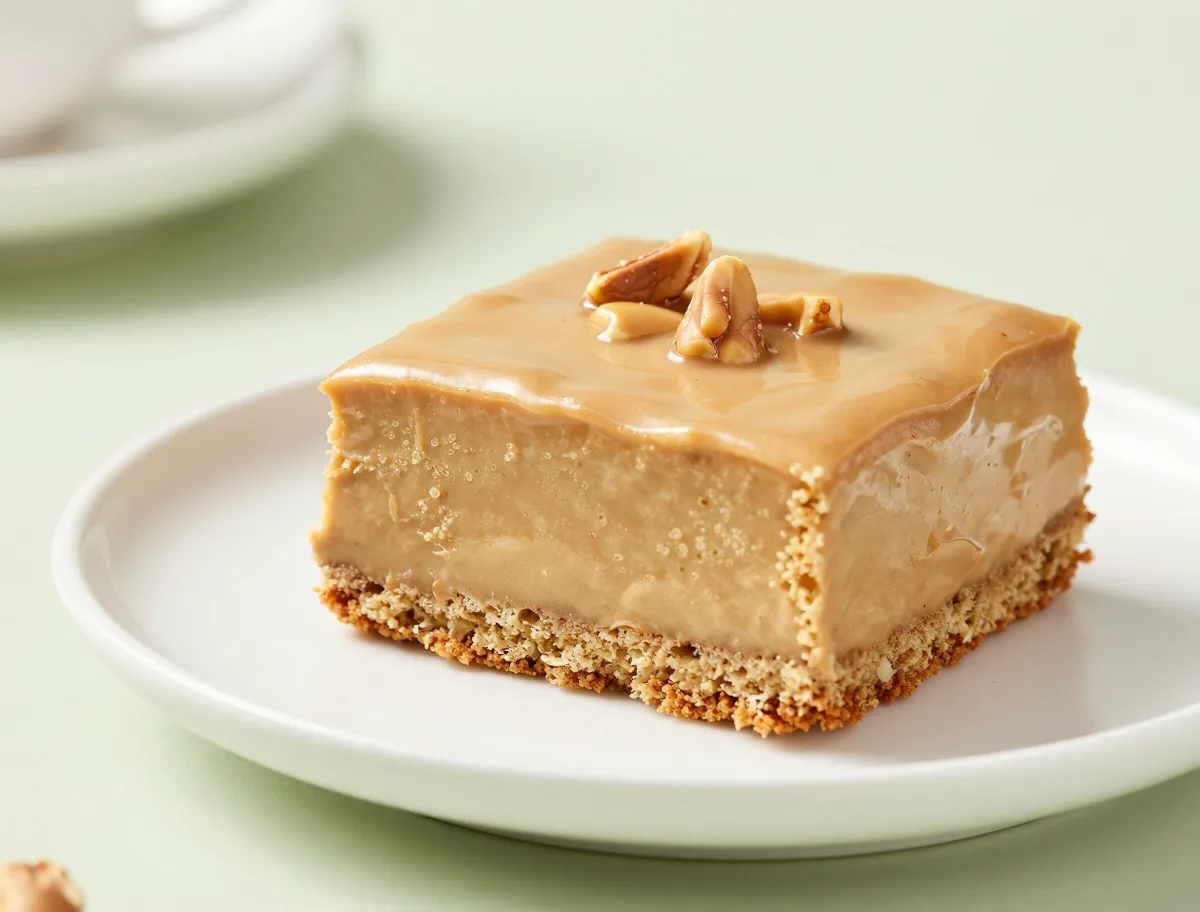
Let the icing set before cutting, then serve the cake at room temperature or slightly warm. Small squares are rich enough for a dessert table and hold together well when served from the baking pan.
- Cut 24 small squares for a potluck, or make larger pieces for about 16 servings.
- Pair with cold milk, coffee, or unsweetened tea.
- For a plated dessert, serve a slightly warm square with a small scoop of vanilla ice cream.
- The chopped peanut topping is optional; the cake is complete without it.
How to Store, Freeze and Reheat the Cake
Once the icing has set, cover the cake tightly in its pan. It keeps its best texture for several days when refrigerated, although the frosting will firm up; let portions warm before serving. For make-ahead preparation, freezing is practical if the icing is protected from pressure and freezer air.
- Refrigerate covered leftovers and bring them toward room temperature before serving for a softer crumb and icing.
- To freeze, chill the uncovered cake until the icing is firm, then wrap it tightly and place it in an airtight container or freezer bag.
- Thaw wrapped cake gradually in the refrigerator or at a cool room temperature, then uncover to limit condensation.
- For gatherings, refrigerate perishable prepared food within 2 hours, or within 1 hour when the temperature is above 90°F (32°C). See the USDA guidance on safe handling of prepared foods for food-safety timing.
- Gentle warming is optional and may soften the icing unevenly; it cannot restore a cake that was overbaked.
Peanut Butter Texas Sheet Cake FAQ
These practical answers address the pan, frosting timing, ingredient choices, and serving questions that most affect the finished cake.
What pan is best for this recipe?
Use a 15-by-10-inch rimmed jelly-roll pan. It produces the intended thin, crowd-sized cake while keeping the batter and warm icing contained.
Can I bake it in a 9-by-13-inch pan?
Yes, but the cake will be thicker and less traditionally shallow. Begin checking at 25 minutes and expect roughly 28 to 35 minutes, using the spring-back and toothpick cues rather than time alone.
Why is the butter, water, and peanut butter mixture heated?
Heating melts the fats together and helps them disperse evenly through the flour and sugar. It also contributes to the cake’s moist, lightly dense texture.
Should I use creamy or natural peanut butter?
Use conventional creamy peanut butter for the most reliable cake and icing. Natural peanut butter with separated oil can make the mixture greasy or unstable.
When should the frosting go on?
Apply it after the cake has rested for about 5 minutes, while the cake is still warm and the icing is glossy and fluid. Do not let the icing cool completely in the saucepan.
Should the frosting be poured or spread?
Pour it over the warm cake, then use an offset spatula to guide it to the edges. If it is too thick to flow, warm it gently and loosen it with milk a teaspoon at a time.
How long should the cake cool before slicing?
Allow at least 30 minutes after frosting. The icing should no longer smear when touched lightly, but the cake may still be slightly warm.
How many people does the cake serve?
The 15-by-10-inch pan makes about 24 small squares. Larger dessert portions yield approximately 16 servings.
The Tradition Behind This Peanut Butter Sheet Cake
Peanut butter sheet cake is best understood as a flavor adaptation of the broader Southern Texas-sheet-cake tradition, not as a single historically fixed formula. The recognizable markers are the shallow rimmed pan, generous crowd-serving yield, tender batter often supported by buttermilk, and warm cooked icing; nuts are common but not mandatory.
- The historical origin of Texas sheet cake is disputed, so no single inventor or definitive recipe should be treated as established fact.
- The classic tradition is most closely associated with chocolate versions; peanut butter is a modern variation that preserves the format and technique.
- A warm pour-over icing and direct-from-the-pan serving are more central to the style than one exact ingredient list.
For additional historical context on the uncertain origins, varied names, and shallow-pan tradition, see The Great Sheet Cake Mystery from the Library of Congress.