Buffalo Chicken Dip Recipe with Frank’s RedHot
This baked buffalo chicken dip recipe with Frank’s RedHot combines tender shredded chicken, cream cheese, ranch, blue cheese, and cheddar into a hot, creamy, scoopable party appetizer.
What Makes a Great Frank’s RedHot Buffalo Chicken Dip
This is a hot, creamy party dip with a distinct cayenne-vinegar tang, savory chicken, and a melted cheese finish. The ideal consistency is thick enough to stay on a tortilla chip or cracker but soft enough to scoop easily.
- The chicken should be finely shredded so every scoop contains a balanced mix of chicken and creamy sauce.
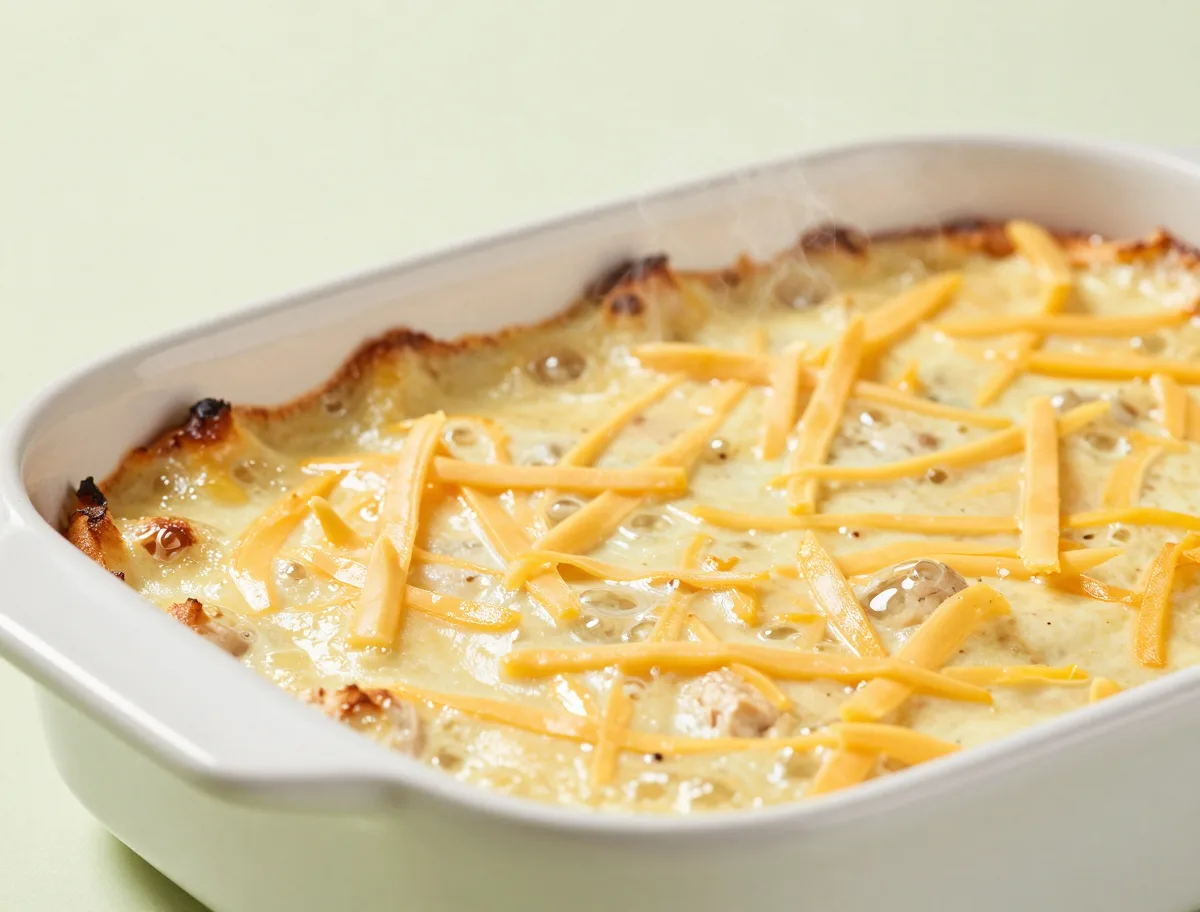
- The finished dip should be orange-tinted, cohesive, hot throughout, and lightly bubbling at the edges.
- A brief rest after baking improves scoopability without turning the dip firm.
How the Ingredients Build Flavor and Texture
Cream cheese gives the dip its body and helps hold the liquids together. Frank’s RedHot supplies the signature cayenne-and-vinegar flavor, while ranch rounds out the heat with herbs and acidity. Chicken makes the dip substantial, blue cheese adds a sharp wing-sauce character, and cheddar creates a smooth, visibly melted top.
- Use block cream cheese at room temperature so it blends smoothly instead of leaving small lumps.
- Freshly grated cheddar generally melts more evenly than packaged pre-shredded cheese.
- Blue cheese and ranch play different roles: blue cheese is assertive and savory, while ranch is milder and more herbaceous.
Ingredients
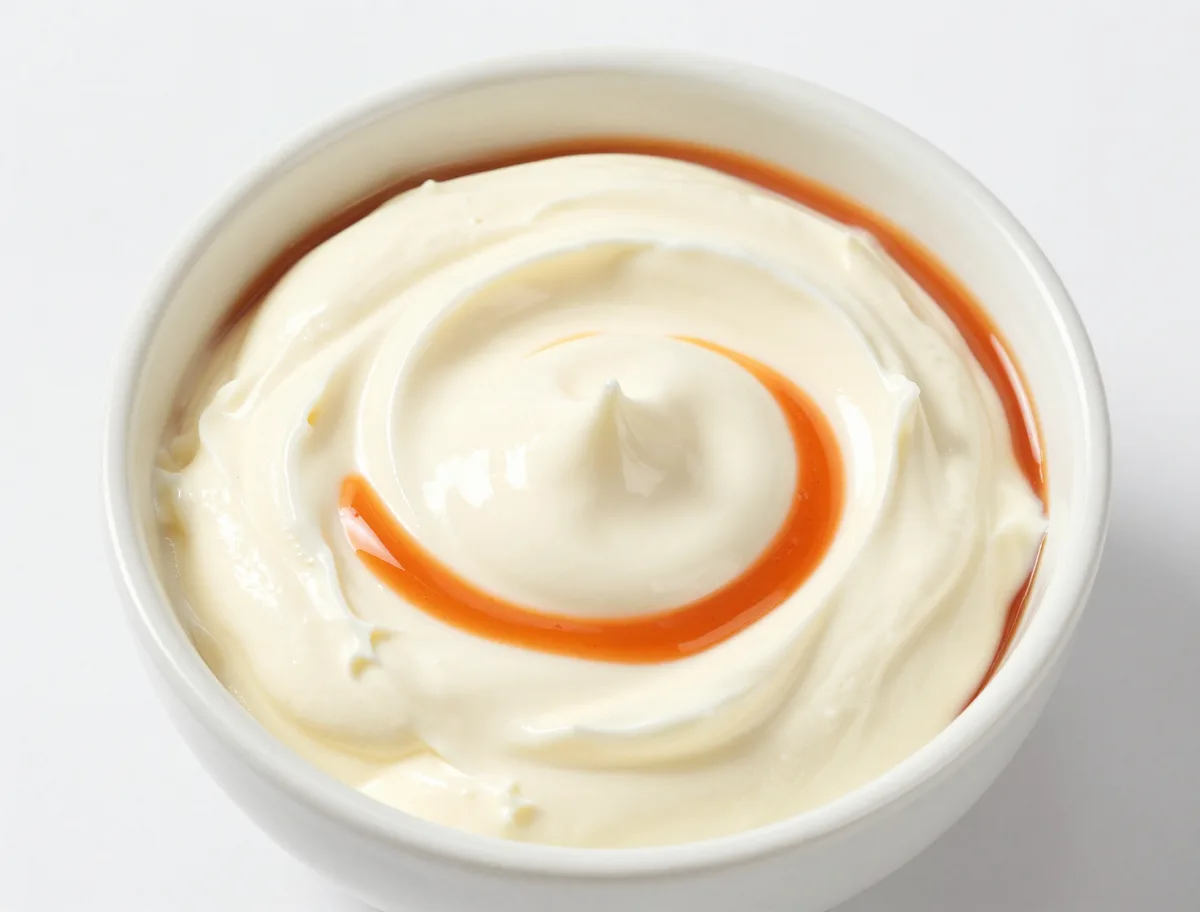
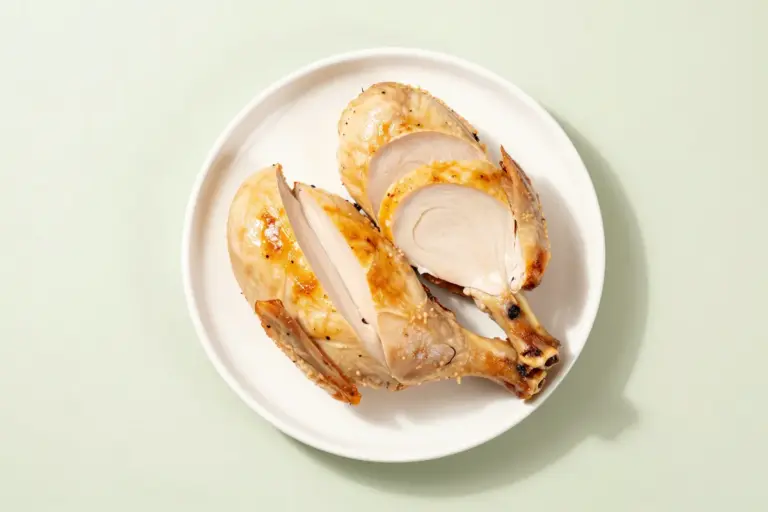
- 2 cups cooked chicken, finely shredded or chopped into small pieces
- 8 ounces full-fat block cream cheese, softened
- ½ cup Frank’s RedHot Original Cayenne Pepper Sauce
- ⅓ cup ranch dressing
- ⅓ cup blue cheese crumbles, plus more for serving if desired
- 1 cup sharp cheddar cheese, freshly grated; divided
- 2 tablespoons thinly sliced scallions, for garnish (optional)
For the classic Frank’s RedHot flavor profile and sauce selection, see the official Frank’s RedHot Buffalo Chicken Dip recipe.
The Key Technique for Smooth, Even Buffalo Chicken Dip
The order of mixing matters more than the amount of stirring. Smooth the cream cheese first, then incorporate the liquid ingredients before adding the chicken. This creates a uniform base that coats the chicken instead of leaving dry pockets or cream-cheese clumps.
- Bring the cream cheese to room temperature, or soften it briefly in the microwave without melting it.
- Drain and blot wet chicken, particularly canned chicken or moist rotisserie meat.
- A shallow 1-quart dish heats more evenly than a deep casserole dish and exposes more surface for the cheese topping.
- If assembling from cold, cover and refrigerate for up to 1 day, then expect the bake to take longer than the baseline timing.
Instructions
- Heat the oven and prepare the dish: Heat the oven to 350°F (175°C). Lightly grease a shallow 1-quart baking dish. If the chicken is wet, blot it dry before shredding.
- Smooth the creamy base: In a large bowl, beat the softened cream cheese until smooth. Mix in the Frank’s RedHot and ranch dressing a little at a time until the mixture is evenly blended and no cream-cheese lumps remain.
- Add the chicken and cheeses: Fold in the shredded chicken, blue cheese crumbles, and ½ cup of the grated cheddar. Stir until the chicken is evenly coated and no large clumps remain.
- Bake until bubbling: Spread the mixture evenly in the prepared dish and sprinkle the remaining ½ cup cheddar over the top. Bake for 20 to 25 minutes, until the center is hot, the cheese is melted, and the edges are bubbling.
- Rest and serve: Let the dip stand for 5 minutes, then stir once to redistribute the melted cheese and sauce. Garnish with scallions and serve hot with sturdy tortilla chips, crackers, celery, carrots, or toasted bread.
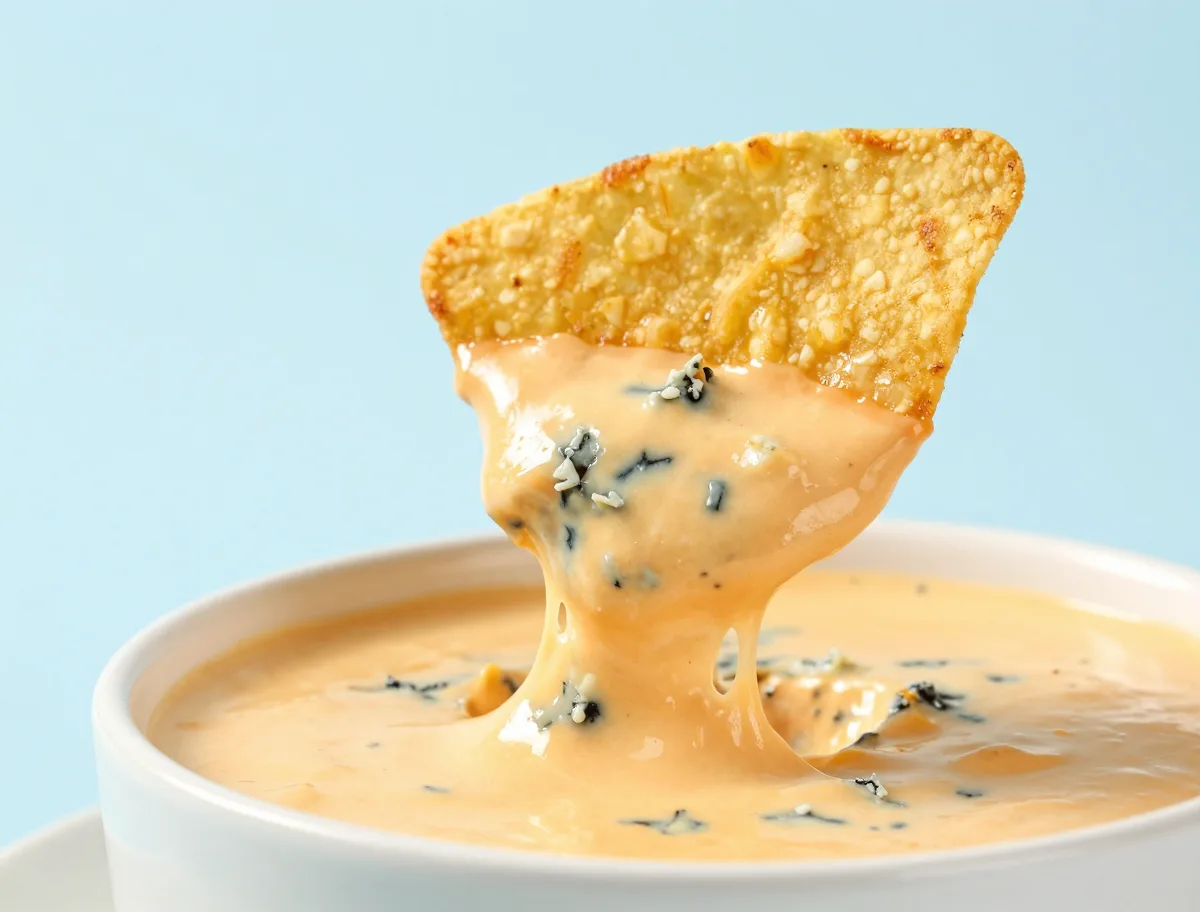
How to Tell When the Dip Is Ready
Time is a useful guide, but visual and textural cues are more dependable because chicken moisture, starting temperature, and dish depth vary. The dip is ready when it is hot in the center, the topping has melted, and the edges are bubbling.
- Before baking, the mixture should be thick but spreadable and free of visible cream-cheese lumps.
- The edges usually bubble before the center is fully hot, so check the middle rather than relying only on the perimeter.
- Stir after baking to distribute any released fat or liquid and to confirm that the center has heated evenly.
- Rest for about 5 minutes; the dip will tighten slightly while remaining creamy.
Doneness cues
- The mixture is smooth before baking, with no visible lumps of cream cheese.
- The chicken is distributed evenly rather than gathered in large pockets.
- The center is hot, the cheddar is fully melted, and the edges are actively bubbling.
- After a short rest, the dip clings to a chip or cracker without running.
The Variables That Keep the Dip Creamy
This dip contains acidic hot sauce, dairy, and melted cheese, so moderate heat is preferable to prolonged baking. Excess water from the chicken can make it loose, while excessive heat can cause the dairy and cheese to release fat or become grainy.
- Add extra hot sauce gradually: it increases liquid and acidity as well as heat.
- Use freshly grated melting cheese and stop baking once the dip is hot and bubbly rather than chasing a deeply browned top.
- Dry chicken absorbs some sauce and adds structure; wet chicken can thin the mixture.
- If a small amount of fat appears after heating, stir it back in. A large greasy layer usually indicates overheating or an imbalanced, overly wet mixture.
Common Buffalo Chicken Dip Problems and Fixes
Most texture problems can be prevented by controlling moisture, using softened cream cheese, and avoiding excessive heat. Make small corrections rather than trying to overhaul the dip after it has been baked.
- Lumpy: The cream cheese was too cold or was mixed with liquids before being smoothed. Beat the base thoroughly before adding chicken.
- Too thin: The chicken or dressing contributed excess moisture. Let the dip rest and stir; if needed, fold in a small amount of softened cream cheese or grated cheddar.
- Too thick or dry: The chicken may be unusually lean or the dip may have baked too long. Stir in a spoonful of ranch dressing and warm gently.
- Greasy or grainy: The mixture was overheated or held hot too long. Stir gently and serve promptly; severe separation is unlikely to fully recover.
- Too salty: Blue cheese, canned chicken, dressing, and cheese may all contribute salt. Do not add salt, and balance a slightly salty dip with a little more unsalted chicken or cream cheese.
- Too hot: Add small amounts of cream cheese, ranch, chicken, or cheddar rather than pouring in more liquid.
Best Chicken and Sauce Substitutions
Because the recipe starts with cooked chicken, it is flexible and quick. The important points are that the chicken is fully cooked, broken into small pieces, and not carrying excess liquid.
- Rotisserie chicken is flavorful and convenient; remove excess skin and blot particularly moist pieces.
- Poached, baked, or leftover roasted chicken works well when shredded finely.
- Drained canned chicken is suitable for a fast version but may be softer and saltier, so drain it very well and taste before making any adjustments.
- Frank’s Original Cayenne Pepper Sauce is thinner and brighter. Frank’s Buffalo Wings Sauce is thicker and more buttery, so the finished dip will have a rounder flavor and may be slightly firmer.
- Blue cheese dressing can replace some or all of the ranch for a sharper profile, but the flavor will be more pronounced.
Buffalo Chicken Dip Variations That Still Work
The recipe can move in several directions while remaining recognizable: change the dressing emphasis, adjust the cheese, or alter the heat. Keep the cooked chicken, creamy dairy base, buffalo-style sauce, and hot scoopable texture at the center.
- For a ranch-forward version, use ranch as written and omit the blue cheese crumbles if preferred.
- For a sharper wing-style version, replace part of the ranch with blue cheese dressing and finish with extra blue cheese.
- Colby-Jack or Monterey Jack can replace cheddar for a milder, softer melt.
- For more heat without making the dip watery, add cayenne a pinch at a time or use a hotter hot-sauce variant.
- A slow cooker is useful for heating a freshly assembled batch or holding a fully hot dip, but it is not the best primary method for reheating cold leftovers.
What to Serve with Buffalo Chicken Dip
Serve the dip hot or very warm, preferably in the same shallow dish in which it was baked. Choose dippers sturdy enough to carry a dense, cheesy scoop and include crisp vegetables to contrast with the richness.
- Best crunchy dippers: sturdy tortilla chips, thick crackers, toasted baguette slices, and pretzel-style crisps.
- Fresh options: celery sticks, carrot sticks, and other firm vegetables.
- Scatter scallions over the top for freshness and color; additional blue cheese is useful for guests who enjoy a stronger flavor.
- The recipe yields roughly 30 to 32 small appetizer portions, though generous scoops will serve fewer people.
How to Store, Make Ahead, and Reheat the Dip
This is a good make-ahead appetizer for a party. Assemble it in the baking dish, cover, and refrigerate for up to 1 day. Bake from cold until the center is fully hot rather than relying on the standard room-temperature timing.
- Refrigerate cooked leftovers within 2 hours, or within 1 hour if the surrounding temperature is above 90°F.
- Store leftovers in a shallow covered container and use within 3 to 4 days.
- Reheat in a 350°F oven, microwave, or suitable saucepan, stirring during heating. Leftovers should reach 165°F in the center and in several spots.
- For party holding, transfer a freshly heated dip to a small slow cooker and keep it at 140°F or above; stir periodically.
- Freezing is possible but not preferred. Cream cheese-based dips may thaw grainy, watery, or separated, so use fresh or refrigerated dip when a smooth texture matters.
Frank’s RedHot Buffalo Chicken Dip FAQ
These answers cover the product choices, texture decisions, and party-preparation questions that most often affect the finished dip.
Should I use Frank’s Original Cayenne Pepper Sauce or Buffalo Wings Sauce?
Use Frank’s Original Cayenne Pepper Sauce for the brighter, more vinegar-forward flavor associated with the classic formulation. Buffalo Wings Sauce is a practical substitute when you want a thicker, rounder, more buttery result.
Can I use rotisserie or canned chicken?
Yes. Use about 2 cups of fully cooked, finely shredded chicken. Rotisserie chicken is flavorful, while canned chicken is convenient but should be drained and blotted thoroughly because it is often wetter and saltier.
Is ranch or blue cheese better?
Ranch makes a milder, herbaceous dip, while blue cheese gives it a sharper, more assertive wing-accompaniment flavor. The combination used here offers both; you can replace some ranch with blue cheese dressing if you prefer a stronger blue-cheese profile.
How can I make it milder without making it runny?
Reduce the hot sauce modestly and add a little more ranch or cream cheese. Avoid diluting the dip with a large amount of extra dressing or sauce.
How can I make it hotter without thinning it?
Add hot sauce in small increments, or use a pinch of cayenne for more heat with very little additional liquid. Taste before adding more, since blue cheese and some hot sauces also increase the perceived intensity.
What size dish should I use?
A shallow 1-quart baking dish is the best match for this quantity. A deeper dish will take longer to heat through, and a much larger dish will spread the dip too thinly and may dry the edges.
Can I make this in a slow cooker?
Yes, for a freshly mixed batch: heat on High until hot and cohesive, stirring occasionally, then switch to Warm for serving. Reheat refrigerated leftovers rapidly in an oven, microwave, or on the stovetop before transferring them to a slow cooker for holding.
Food Safety for Chicken Dip
Since the dip contains cooked poultry and dairy, temperature control matters during preparation, serving, and storage. Culinary cues such as bubbling and melted cheese indicate quality, but a thermometer is the reliable check for reheated leftovers.
- Any chicken cooked specifically for this recipe should reach 165°F before shredding and mixing.
- Reheated dip should reach 165°F throughout, especially in the center where a dense mixture can remain cool.
- Keep hot dip at 140°F or above during serving and warm holding.
- Do not leave the dip at room temperature for more than 2 hours, or more than 1 hour in temperatures above 90°F.
- Cool leftovers promptly in shallow containers and refrigerate them within the safe time limit.
For authoritative guidance on poultry cooking, reheating leftovers, and safe hot-holding temperatures, consult the USDA safe cooking temperature chart.